
Boat Tour Waikiki: Harbor Weather Delays Explained
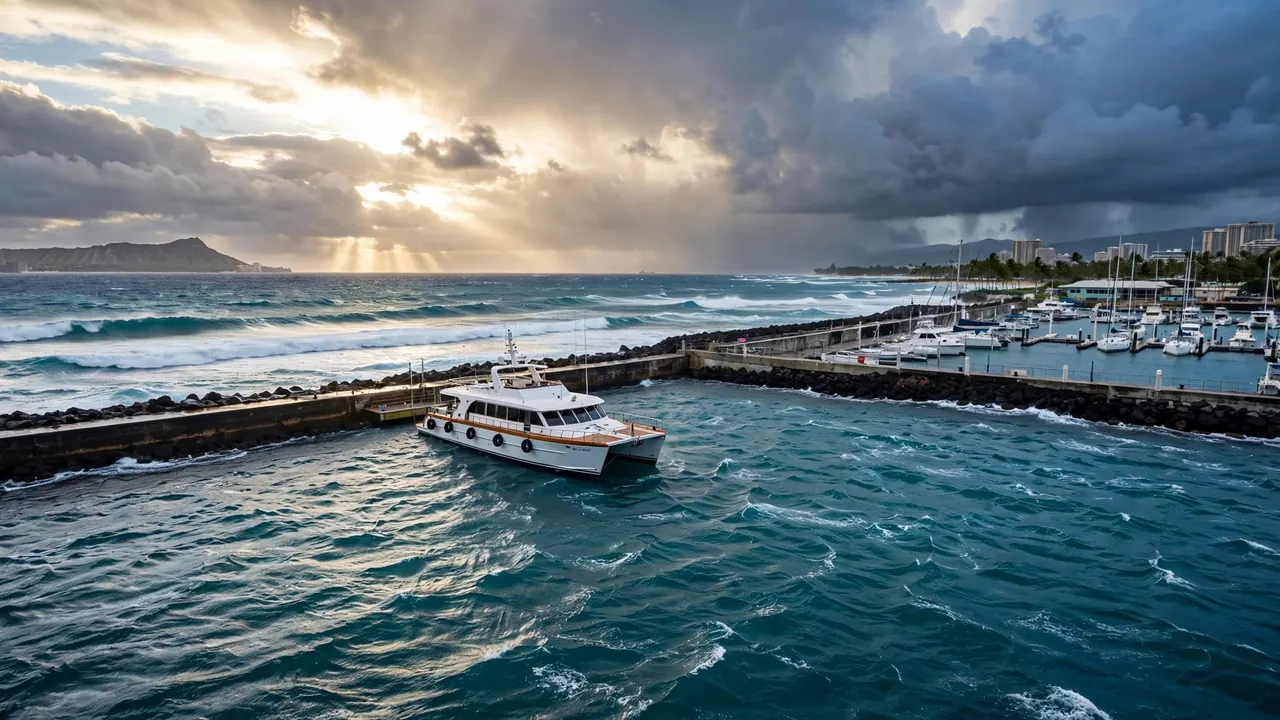
A bright Waikiki morning can turn windy offshore in less time than it takes to finish breakfast. When a boat tour Waikiki departure pauses at the harbor, the delay usually means your captain is taking the time needed to assess wind, swell, visibility, harbor traffic, and the vessel.
Living Ocean Tours departs from Kewalo Basin Boat Harbor, close to Waikiki, with ocean experiences built for couples, families, first-time snorkelers, and confident swimmers. A weather delay can disrupt a tight itinerary, but it also shows that your crew puts safe operations ahead of a rigid schedule.
Why a Boat Tour Waikiki May Wait at the Harbor
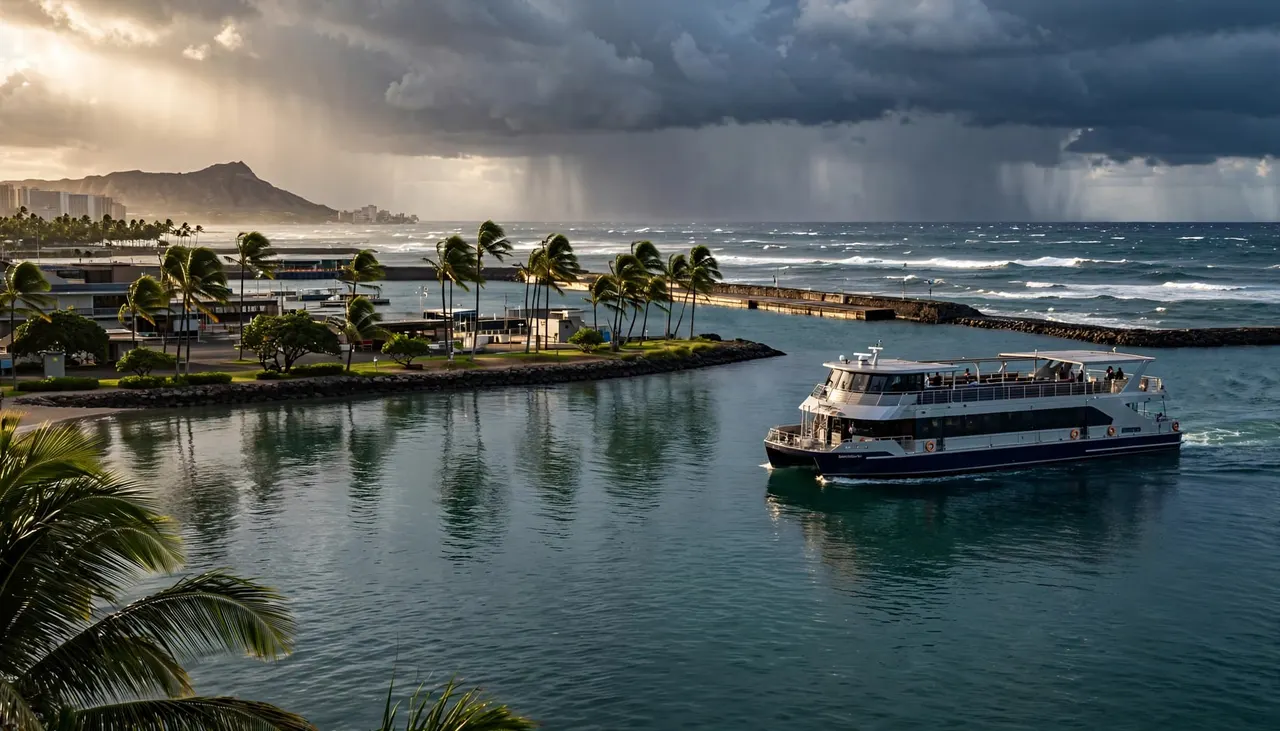
A harbor delay doesn’t always mean conditions are poor at the dock. Protected water can look manageable while the route beyond the harbor entrance has stronger wind, larger swell, or rain that limits visibility.
Your crew also has to account for other vessels, the planned route, and how safely guests can move around the boat. Waiting for a short period can give conditions time to settle or allow the captain to choose a more suitable plan.
The harbor and open water can feel completely different
Kewalo Basin provides more shelter than the open Pacific, so you shouldn’t judge an offshore trip by the water beside the dock. Wind can funnel around the coastline, and swells can make a nearshore route feel different than expected.
A boat tour Waikiki itinerary may include a reef stop, a coastal sightseeing route, or an open-water wildlife search. Each activity needs conditions that support safe navigation and a comfortable guest experience.
Forecasts are useful, but they aren’t the final decision
Before leaving your hotel, check the Hawaiian Coastal Waters Forecast for wind, seas, showers, and marine conditions. Beach forecasts focus on air temperature and rain chances, while marine forecasts give you a better picture of what the ride may feel like.
Forecast products can also cover different waters and show different conditions. One NOAA product may list east-northeast winds of 10 to 15 knots with seas to 3 feet, while another NOAA marine forecast can show east winds of 15 to 20 knots and seas of 5 to 7 feet.
A sunny shoreline is not a guarantee of calm water beyond the harbor entrance.
What the Captain and Crew Are Checking
The captain’s decision is based on more than a weather app. Conditions can shift between the time you leave your hotel and the moment the dock lines come off.
Living Ocean Tours uses Coast Guard-inspected double-decker vessels, the Coral Kai and Lokahi. Both have shaded seating, restrooms, dry storage, and heavy-duty ladders. The Lokahi also has a SeaKeeper stabilization system that helps reduce roll, although it can’t make the Pacific motionless.
Visibility, rain, and changing wind
A passing shower can reduce visibility quickly, especially near a busy harbor entrance. Stronger wind can affect docking, guest movement, and the comfort of the ride before the boat reaches its planned destination.
The crew may also watch clouds, whitecaps, current, and the way the vessel responds after leaving the dock. You don’t need to interpret every sign yourself. Instead, pay attention when staff ask you to wait, remain seated, or keep a walkway clear.
The planned activity may need a different setting
Snorkeling needs a site where swimmers can enter and exit the water safely. Wildlife viewing also depends on the route, sea state, and clear sightlines. A captain may delay departure, adjust the route, change the activity order, or decide that conditions don’t support the original plan.
Living Ocean Tours is the only tour company with professional snorkel guides. That gives you direct in-water support when conditions are appropriate for snorkeling, while also helping protect coral and marine life through calm, responsible guidance.
What You Should Do During a Harbor Delay
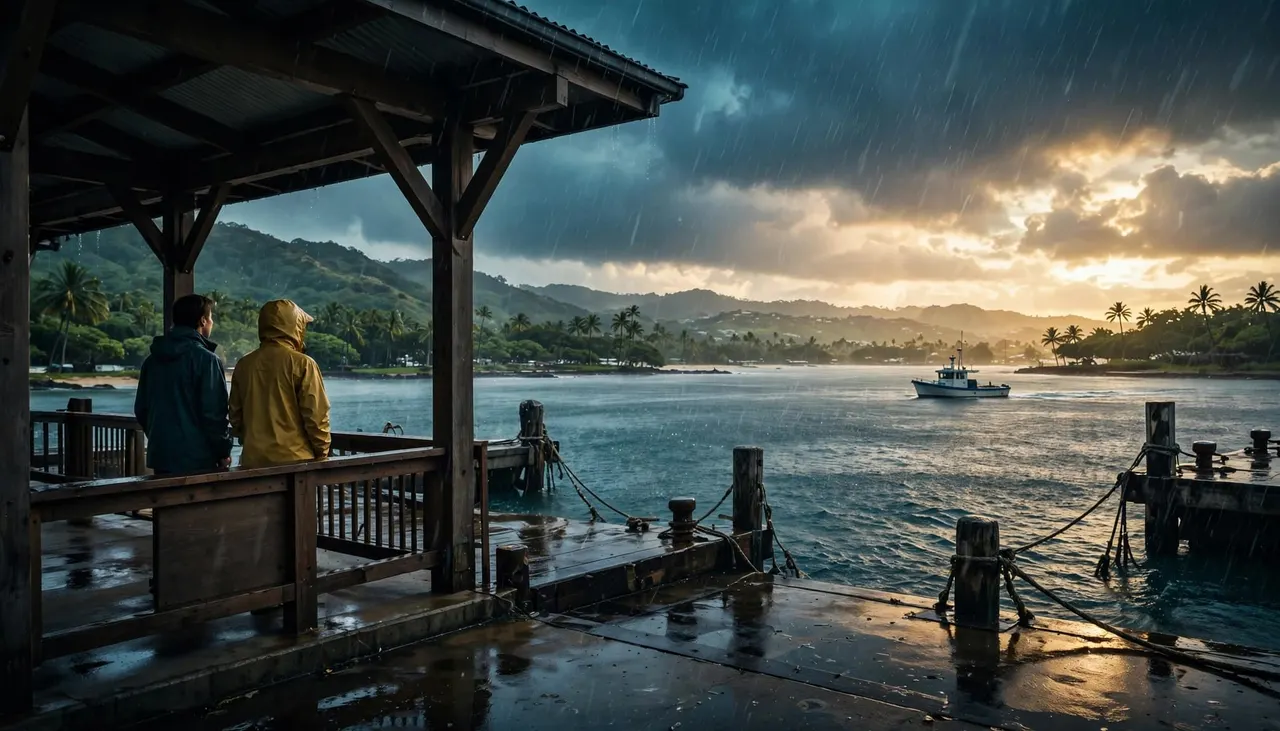
During a boat tour Waikiki harbor delay, your best move is simple: stay available, listen closely, and give the crew room to work. You may feel eager to get moving, especially if you planned the outing around a sunset or reef stop, but pressure doesn’t improve the conditions.
Keep your phone nearby for updates, but don’t let it pull your focus from crew announcements. If you miss an instruction, ask a crew member to repeat it before you move around the dock or vessel.
Remain near your group and protect your belongings
Stay with the people in your reservation party after check-in. If you need a restroom break or want to grab something nearby, tell a crew member first so you don’t miss an updated instruction.
Keep loose items secured in a small bag. Wind can pick up quickly around the harbor, and a wet deck is no place for unsecured hats, phones, towels, or oversized beach bags.
Ask clear questions about your immediate plans
You don’t need to demand a departure time. Instead, ask what you should do next and whether you should remain nearby. If you have a dinner reservation, a transportation pickup, or another timed activity, mention that schedule pressure politely.
Crew members can explain the current plan when they have confirmed information. They cannot responsibly promise an exact outcome before the captain completes weather, harbor, and vessel checks.
Pack for a Delay and a Changing Ride
A boat tour Waikiki experience is more comfortable when you arrive ready for sun, spray, wind, and an unexpected wait. Check your booking confirmation for the current meeting instructions. Living Ocean Tours lists its harbor location at Kewalo Basin Boat Harbor, 1125 Ala Moana Boulevard, Slip B-01, Honolulu, HI 96814.
Plan to arrive about 30 minutes early for parking, waivers, boarding, and the safety briefing. Waikiki is close by, yet traffic and rideshare timing can still create stress when you cut it too close.
Wear footwear with grip for the dock, then follow the crew’s footwear guidance once aboard. Bring reef-safe sunscreen, sunglasses, a secure hat, and a light layer for the cooler breeze after time in the sun.
If motion sickness concerns you, prepare before boarding. Eat lightly, consider doctor-approved or pharmacist-recommended medication, and choose a seat near the center of the vessel when possible. Tell a crew member early if you start to feel unwell.
Keep Your Day Flexible Around the Ocean
A boat tour Waikiki reservation works best when the rest of your day has breathing room. Don’t book an airport transfer, a fixed dinner reservation, or a timed attraction immediately after your scheduled return.
The captain may alter timing or a route when offshore conditions change. When you leave room in your schedule, you can enjoy the coastline without worrying about every minute.
Know what a marine advisory means
A Small Craft Advisory is a marine weather advisory issued by a coastal Weather Forecast Office for areas covered by the Coastal Waters Forecast. You can read the National Weather Service explanation of Small Craft Advisories for the official definition.
An advisory doesn’t automatically describe the outcome for one specific trip. The captain and operator make the final call after considering local conditions, harbor access, vessel readiness, and the planned route.
Choose a crew that respects the water
Responsible crews don’t chase a photo, turtle sighting, or sunset view when conditions aren’t right. They protect guests, crew members, other boaters, and Hawaii’s marine environment by treating the ocean as the deciding factor.
When operations are running safely, you can browse Waikiki snorkeling and wildlife cruises that fit your comfort level. Snorkel guests should always observe wildlife without touching it, give turtles space, and avoid contact with coral.
Key Takeaways for a Harbor Weather Delay
- A delay often reflects offshore conditions, not just what you see inside the harbor.
- Check Hawaiian marine products before departure for coastal forecasts, surf observations, and marine conditions.
- Your captain may delay, modify, or cancel a planned route when the water, wind, visibility, or harbor traffic requires it.
- Arrive early, keep your belongings secure, and listen for crew instructions before moving around the dock or deck.
- Leave space around your cruise on your itinerary, especially when you have dinner, transportation, or timed reservations afterward.
FAQ
Should you leave the harbor during a weather delay?
Don’t leave until a crew member tells you what to do. You may need to remain close for an update, or you may receive instructions about next steps after the captain completes the assessment.
If you do step away for a restroom or nearby coffee, let the crew know. Missing an announcement can leave you uncertain about boarding, departure timing, or the safety briefing.
Can the boat still go out if the sky looks clear?
Clear skies over Waikiki don’t always match the conditions offshore. Wind direction, swell, currents, rain bands, visibility, and harbor traffic can change how a boat tour Waikiki trip feels and where it can safely travel.
Trust the captain’s assessment over a quick look at the beach. A different route or a later departure may protect your comfort and keep the day enjoyable.
Give the Ocean the Time It Needs
A harbor weather delay can test your patience, especially when you planned your day around time on the water. Still, that pause is often part of a safe ocean experience.
Arrive prepared, keep your schedule flexible, and let the crew make the final call. When conditions support a departure, you can settle in, enjoy the Waikiki coastline, and give Hawaii’s wildlife the respectful space it deserves.


