
Boat Tour Waikiki: How Harbor Horn Signals Help Boats Communicate
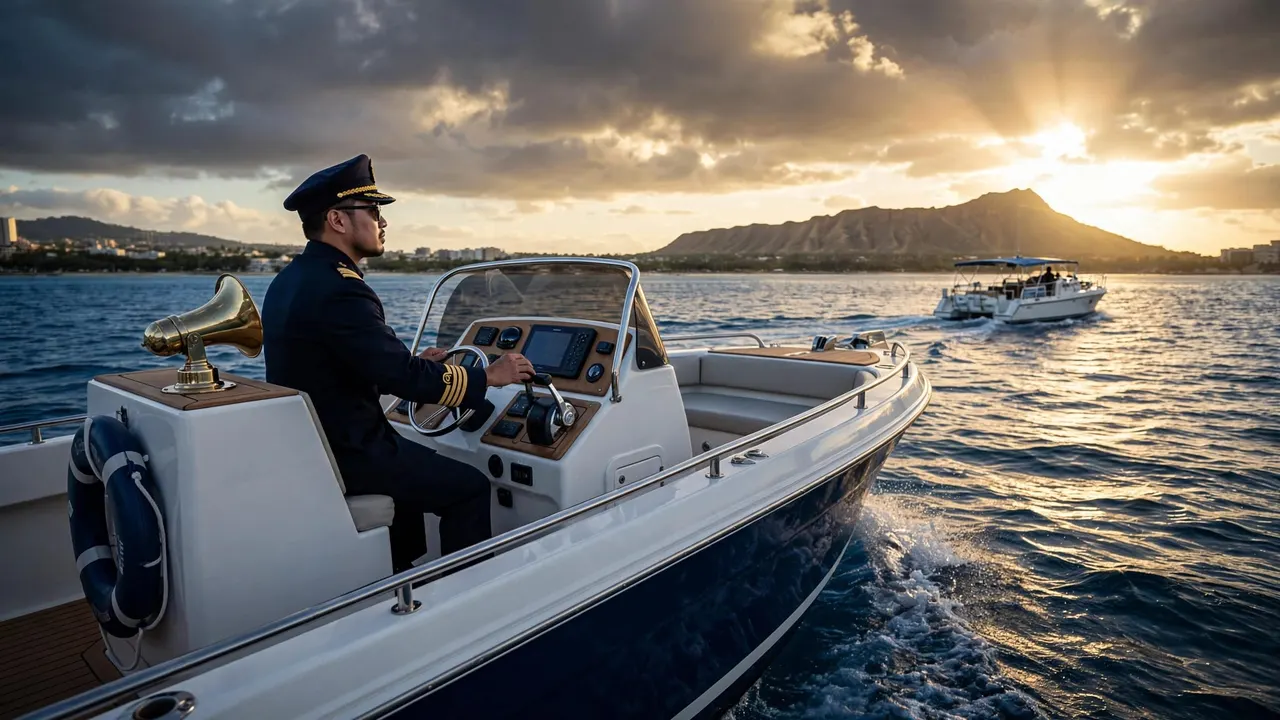
A horn blast can sound dramatic on a boat tour Waikiki visitors take, yet it often means the captain is sharing a quick navigation message with another vessel. These signals help boats state an intended maneuver when they are in sight of each other.
Living Ocean Tours departs from Kewalo Basin Boat Harbor, minutes from Waikiki, for guided snorkeling, wildlife, and sightseeing trips. You don’t need to memorize nautical rules, but knowing the basics helps you stay calm, follow the crew’s lead, and appreciate the careful work happening at the helm.
Key Takeaways for Hearing Horns on the Water
- A short horn blast lasts about one second under the federal Navigation Rules.
- Horn signals communicate a captain’s intended maneuver. They are not passenger announcements.
- One, two, and three short blasts have different meanings when vessels can see each other.
- Five or more rapid blasts signal danger or doubt about another vessel’s actions.
- Your job is to listen to the captain and crew, keep pathways open, and move only when directed.
A horn signal communicates an intention, not a guarantee. The captain still watches traffic, weather, sea conditions, and the actions of other boats.
Why Harbor Horn Signals Matter on a Boat Tour Waikiki
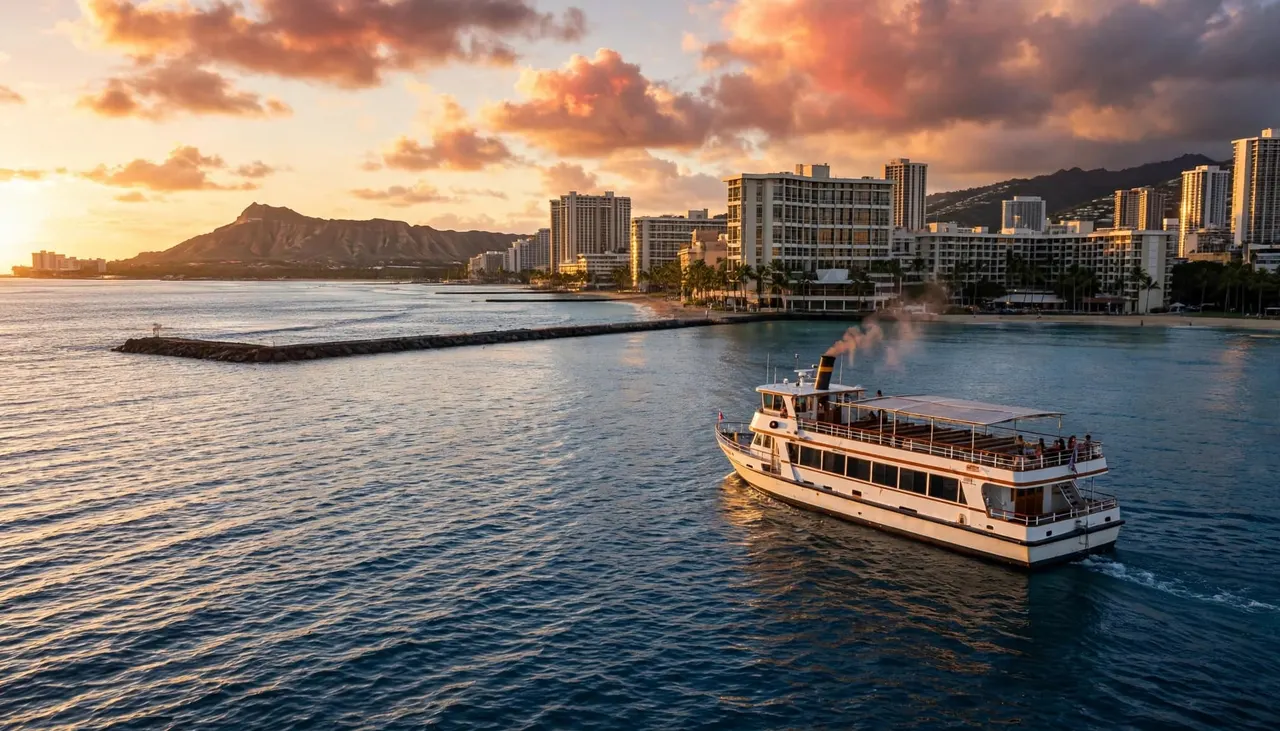
Kewalo Basin is a working harbor, not only a departure point for ocean adventures. Tour vessels, fishing boats, sailboats, paddlers, and other traffic may share nearby water. A captain needs a clear way to communicate when radios, distance, wind, or engine noise make a spoken exchange impractical.
The U.S. Coast Guard Navigation Rules give operators a shared language for meeting, crossing, and maneuvering near other vessels. Those rules apply far beyond Honolulu, but they matter when a boat enters or leaves a busy harbor.
Horns communicate maneuvers, not sightseeing moments
You may hear a horn near the harbor entrance or when another vessel is close enough to require clear coordination. The sound does not mean your tour is in trouble. It often means the captain is confirming a planned course or alerting another operator to a movement.
The crew may continue a safety briefing, prepare lines, or ask you to remain seated while the boat maneuvers. Give them room to work. A clear deck helps the captain and deckhands respond quickly if conditions change.
Harbor traffic needs predictable movement
Boats can’t stop as quickly as cars, and wind or current can affect how a vessel moves. A captain also has to account for passengers, dock lines, shallow areas, and other vessels with limited maneuvering room.
That is why a boat tour Waikiki guests enjoy starts with patient boarding and careful departure. The best view can wait a few seconds while the crew finishes a turn, clears the harbor, or communicates with nearby traffic.
What the Main Harbor Horn Signals Mean
Federal rules define a short blast as about one second. You can review the wording in 33 CFR Part 83, which includes the Navigation Rules for U.S. waters.
These meanings apply when vessels are in sight of each other. They aren’t instructions for passengers to direct the boat or predict every turn.
One short blast means a port-side passing intention
One short blast means, “I intend to leave you on my port side.” Port is the left side of a vessel when you face the bow, or front.
You may notice this signal when boats are approaching each other in a channel or preparing to pass. Still, let the captain determine where your vessel goes. A change in traffic or water conditions can require a different action.
Two short blasts mean a starboard-side passing intention
Two short blasts mean, “I intend to leave you on my starboard side.” Starboard is the right side when you face the bow.
The signal gives another captain useful information before both vessels complete the maneuver. It supports safe teamwork on the water, especially when a harbor has several boats moving at once.
Three short blasts mean astern propulsion
Three short blasts mean a vessel is operating astern propulsion, commonly called backing up. You may hear this near a slip as a boat reverses away from a dock or adjusts its position.
If you hear this during boarding, stay out of work areas and wait for crew direction. Never step over dock lines or try to board across a changing gap between the dock and boat.
Five or more rapid blasts mean danger or doubt
Five or more short, rapid blasts warn that a captain does not understand another vessel’s intention or believes a dangerous situation may be developing. It does not automatically mean an accident is about to happen.
Instead, the signal tells everyone nearby to pay attention and clarify their movement. The NOAA navigation rules reference explains the same national system that operators use throughout U.S. waters.
How You Should Respond When You Hear a Horn
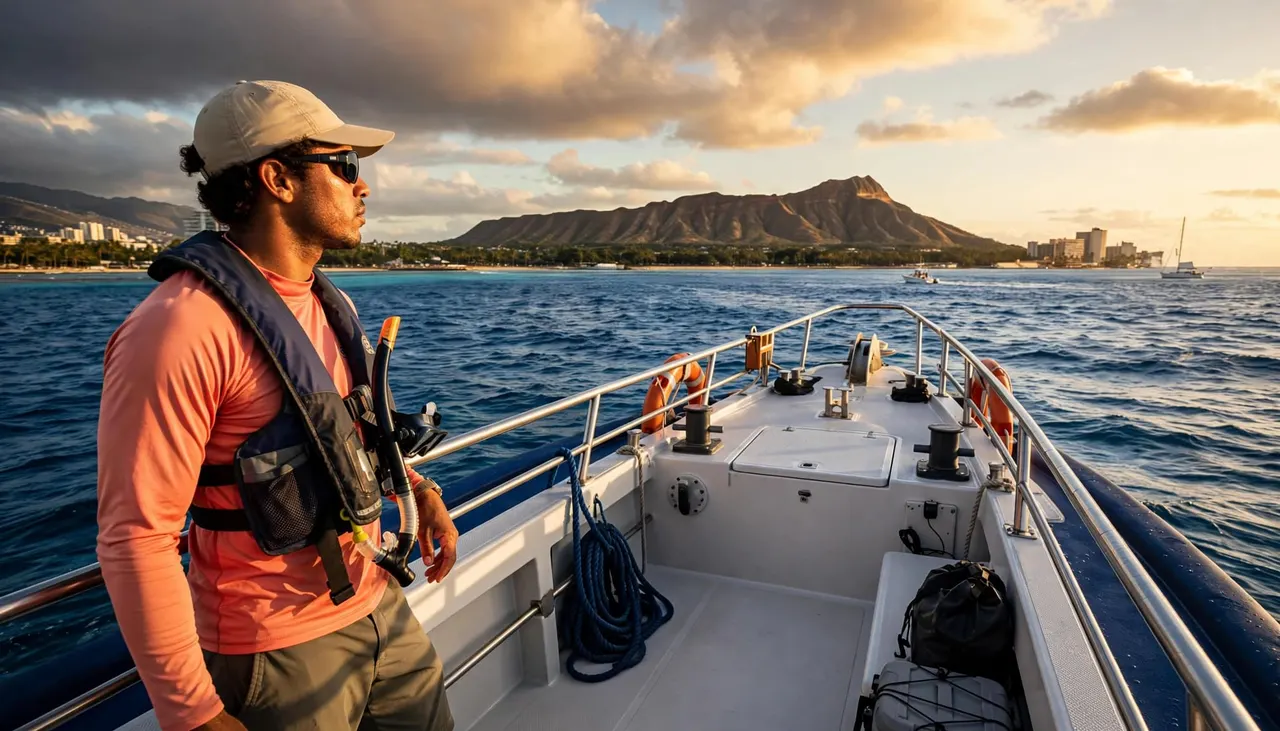
Hearing a horn doesn’t require you to do anything unless the crew gives an instruction. You can help most by staying aware of your footing and avoiding sudden movement across the deck.
On a boat tour Waikiki passengers may hear port and starboard used for viewing wildlife or giving deck directions. Those terms stay fixed even when the boat turns, which keeps instructions clear for everyone aboard.
Follow crew directions the first time
If a deckhand asks you to sit, move away from a ladder, or remain on one side, do it promptly. The captain may be watching nearby traffic while deckhands help guests stay steady.
Keep your phone handy for photos, but don’t let it distract you during instructions. If you miss an announcement, ask a crew member to repeat it before moving.
Keep the deck clear and your balance secure
Use a handrail when the boat is moving. Store loose bags, hats, water bottles, and snorkel gear where the crew directs. Wet decks and quick turns can make small items a tripping hazard.
If you feel seasick, dizzy, or unsteady, tell a crew member early. A good crew can suggest a more comfortable seat and help you avoid unnecessary movement.
Choosing the Right Waikiki Ocean Experience
Living Ocean Tours offers family-friendly outings for guests ages 3 and up, couples, confident swimmers, and first-time snorkelers. The company is the only tour company with professional snorkel guides, giving you direct support before you enter the water and while you explore the reef.
Its double-decker vessels include shaded seating, onboard restrooms, dry storage, and heavy-duty ladders. The Lokahi also uses a SeaKeeper stabilization system to help reduce boat roll, though no vessel can remove all ocean motion.
Guided snorkeling keeps your focus on the reef
The Turtle Canyon snorkeling tour is a two-hour trip listed from $79 for guests ages 3 and up. The crew provides instruction and professional in-water guidance, which is helpful if you haven’t snorkeled from a boat before.
At the reef, follow your guide’s route, give Hawaiian green sea turtles space, and never touch coral or wildlife. Observing rather than touching protects the animals and helps preserve the habitat you came to see.
If you want a more active family outing, the Waikiki snorkel and waterslide adventure combines snorkeling with a water slide, trampoline, and floating lily pad.
CHECK AVAILABILITY for a Turtle Canyon departure that fits your plans.
Sightseeing cruises have the same working-boat rules
A Waikiki sunset cruise gives you 90 minutes along the coastline toward Diamond Head and back. The page lists departures daily, with seasonal start times and pricing from $49.
Evening rides feel relaxed, but crews still manage traffic, lights, and safe movement after dark. Keep aisles clear, secure your belongings, and wait for instructions before gathering at a rail for a photo.
Prepare Before You Reach Kewalo Basin
A little preparation makes boarding less rushed. Living Ocean Tours lists its location at 1125 Ala Moana Boulevard, Slip B-01, Honolulu, HI 96814. Check your confirmation for current meeting details, then plan to arrive about 30 minutes early for parking, check-in, and the safety briefing.
For commercial activity at state small boat harbors, Hawaii’s Department of Land and Natural Resources has permit requirements for operators. You can expect a professional crew to treat the harbor as an active workplace.
Pack lightly for sun, spray, and movement
Bring a secure swimsuit, sunscreen that is reef-safe, sunglasses, a water bottle if allowed, and a light layer for cooler ocean breezes. Choose footwear with grip for the dock and follow crew instructions about footwear once aboard.
A small bag that closes well is easier to store. Avoid oversized hats, loose gear, and items that can roll when the boat turns.
Give ropes, ladders, and dock edges space
Dock lines can be under tension, so don’t step on, move, or lift them unless a crew member asks. Keep children close without blocking the boarding path.
If the boat shifts while you wait, don’t jump across the gap. Pause, hold the handrail if available, and let a crew member guide you aboard.
FAQ About Horn Signals on Waikiki Boats
Does a horn mean my boat tour is unsafe?
Usually, no. A horn is often a normal part of communication between vessel operators. The captain may be confirming a passing plan, backing from a slip, or warning another boat to clarify its movement.
Listen for crew instructions and stay where you are unless asked to move. The crew sees traffic patterns and conditions that may not be obvious from your seat.
Do I need to know port and starboard before boarding?
You don’t need boating experience. Still, remembering that port is left and starboard is right when you face the bow can help you follow directions around the deck.
If you aren’t sure, ask a crew member before crossing the boat. That brief pause helps prevent crowding around ladders, rails, and work areas.
A Better Boat Tour Waikiki Starts With Awareness
Harbor horns give captains a concise language for sharing their intended movements. When you recognize that purpose, a sudden blast becomes part of the safety routine rather than a distraction from the view.
You can enjoy the coastline, marine life, and open water with more confidence when you listen to the crew, keep your footing, and respect the boat as a working marine environment. Browse Honolulu ocean tours to find a trip that fits the kind of Oahu day you want.


