
Boat Tour Waikiki: How SeaKeeper Reduces Boat Roll
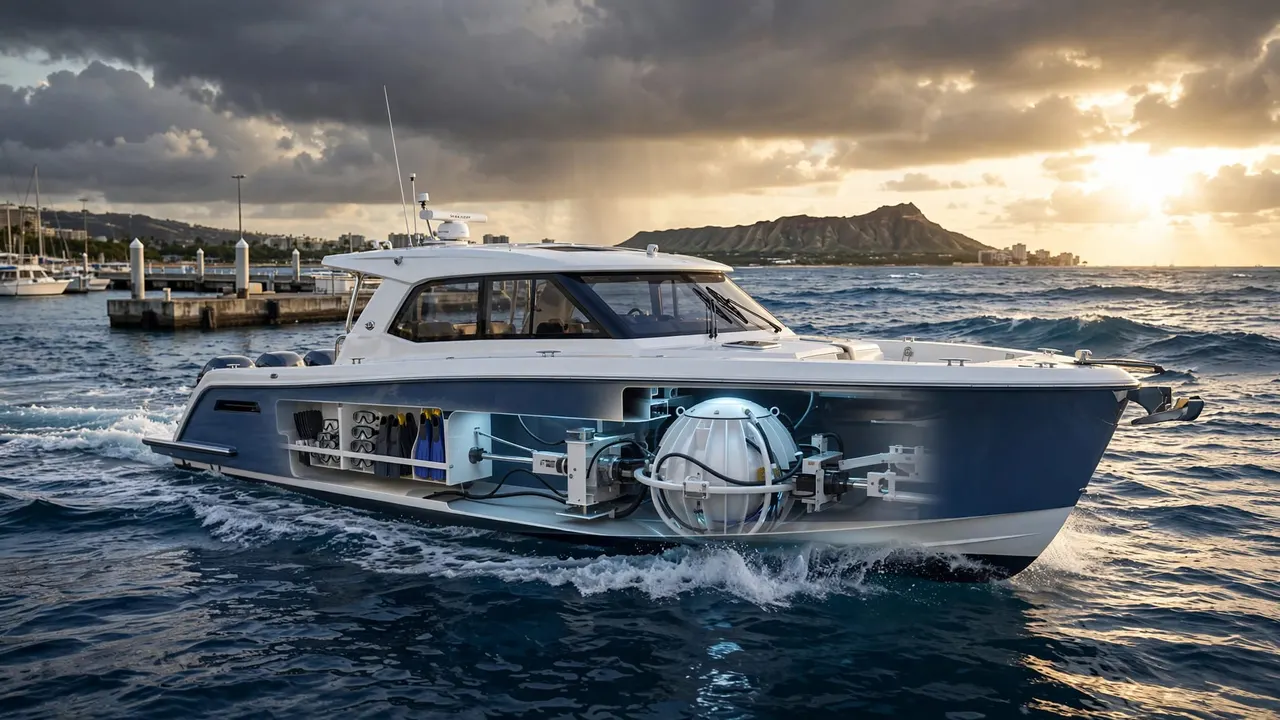
Living Ocean Tours runs Waikiki ocean trips from Kewalo Basin Boat Harbor, minutes from the beach. On a boat tour Waikiki visitors choose for snorkeling, sunset views, or wildlife, comfort starts before you spot your first turtle or reach the open horizon.
Ocean conditions can change beyond the harbor entrance. A SeaKeeper gyro can reduce side-to-side roll, helping you spend more time enjoying the water and less time bracing for each wave.
Key Takeaways
- A SeaKeeper system targets roll, the side-to-side rocking you feel when waves meet the boat’s hull from the side.
- A wider boat may offer more deck room, but beam alone does not promise a smoother ride.
- Your seat, the captain’s route and speed, wind, swell, and your own preparation all affect comfort.
- Living Ocean Tours is the only tour company with professional snorkel guides, giving you extra in-water support before and during a reef swim.
- SeaKeeper stabilization can reduce motion, but the Pacific still moves. You should follow crew directions and choose a seat that feels secure.
Why Boat Tour Waikiki Comfort Depends on More Than Boat Size
A great day offshore depends on the boat, the crew, and conditions working together. You may see calm water from Waikiki Beach, then feel a different pattern of swell once the boat clears the harbor.
Living Ocean Tours uses Coast Guard-inspected double-decker vessels with shaded seating, restrooms, dry storage, and sturdy ladders for water entry. Those details give you room to settle in before the activity begins.
Beam creates space, not a comfort guarantee
A boat’s beam is its width at the widest point. More beam can give designers room for seating areas, walkways, storage, and a practical swim platform.
Still, a wider vessel does not automatically feel steadier. Passenger movement, hull design, wind, wave direction, speed, and captain decisions all shape the ride. A well-organized deck often feels better than a larger deck packed with people and gear.
Your seat changes what you feel
If motion affects you, start near the center of the lower deck. That area often moves less than the bow, which rises and falls more sharply in a swell.
Fresh air can help, but don’t stand near a rail or stairway if the crew asks you to stay seated. Keep water within reach, eat a light meal before departure, and bring doctor-approved motion-sickness medication if you normally use it.
How a SeaKeeper Stabilizer Reduces Boat Roll
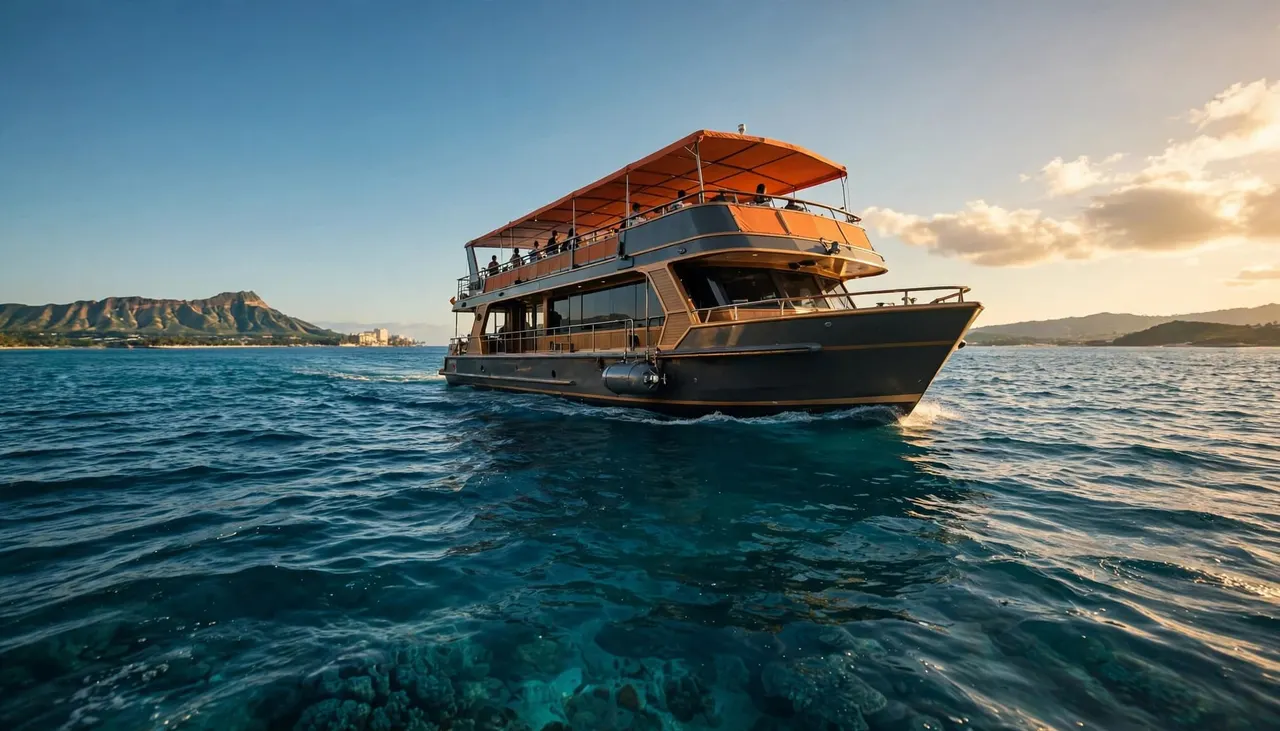
A SeaKeeper gyro does not change the ocean. Instead, it counters much of the rolling force that makes a boat sway side to side. That difference can make a boat tour Waikiki guests enjoy feel calmer when cross-swells and boat wakes pick up.
The manufacturer’s SeaKeeper boat gyro stabilizer information says its systems can eliminate up to 95% of roll at rest, at anchor, and while underway. That is a product-level maximum, not a promise for every boat or every sea condition.
A spinning flywheel resists roll
Inside a gyroscopic stabilizer, a flywheel spins at high speed in a sealed unit. When the vessel begins to roll, the gyro creates a counterforce that pushes against that motion.
This is not the same as simply adding weight to a boat. The system actively responds to rolling movement. You can read more about how a boat gyroscopic stabilizer works and why the flywheel’s movement helps oppose the boat’s sway.
SeaKeeper does not erase every movement
Roll is only one kind of boat motion. You can still feel pitch when the bow moves up and down, and you may notice changes in speed, course, or wind.
A captain can also adjust heading and speed to improve the ride. Crew members help guests move safely, secure loose items, and find better seating when conditions change.
A stabilizer is most useful when you treat it as one part of a safe, well-managed ride, not as a guarantee of motionless water.
Make Your Ride More Comfortable Before You Leave the Harbor
You can set yourself up for a better outing before the boat leaves Kewalo Basin. Avoid arriving rushed, especially if you are traveling with children or snorkeling for the first time.
Wear footwear with good grip for boarding. Then store your bag, sunscreen, towel, and extra layer where they will not block a walkway or slide across the deck.
Eat lightly and speak up early
A heavy meal and dehydration can make queasiness worse. Have a light snack, drink water, and skip alcohol before a snorkeling or wildlife cruise if you’re worried about motion.
Tell a crew member early if you feel uneasy. You do not need to wait until you feel sick. They can suggest a seat closer to the vessel’s center, point you toward fresh air, or remind you when it is safest to move.
Use double-decker spaces carefully
An upper deck gives you broad views of Waikiki, Diamond Head, and the horizon. However, stairs and wet surfaces deserve your full attention.
Hold the rail, keep one hand free when you move, and wait for a stable moment if the boat is rocking. During a snorkel stop, listen closely for instructions about fins, mask fitting, the swim platform, and the ladder.
A Steadier Platform Helps Before You Snorkel
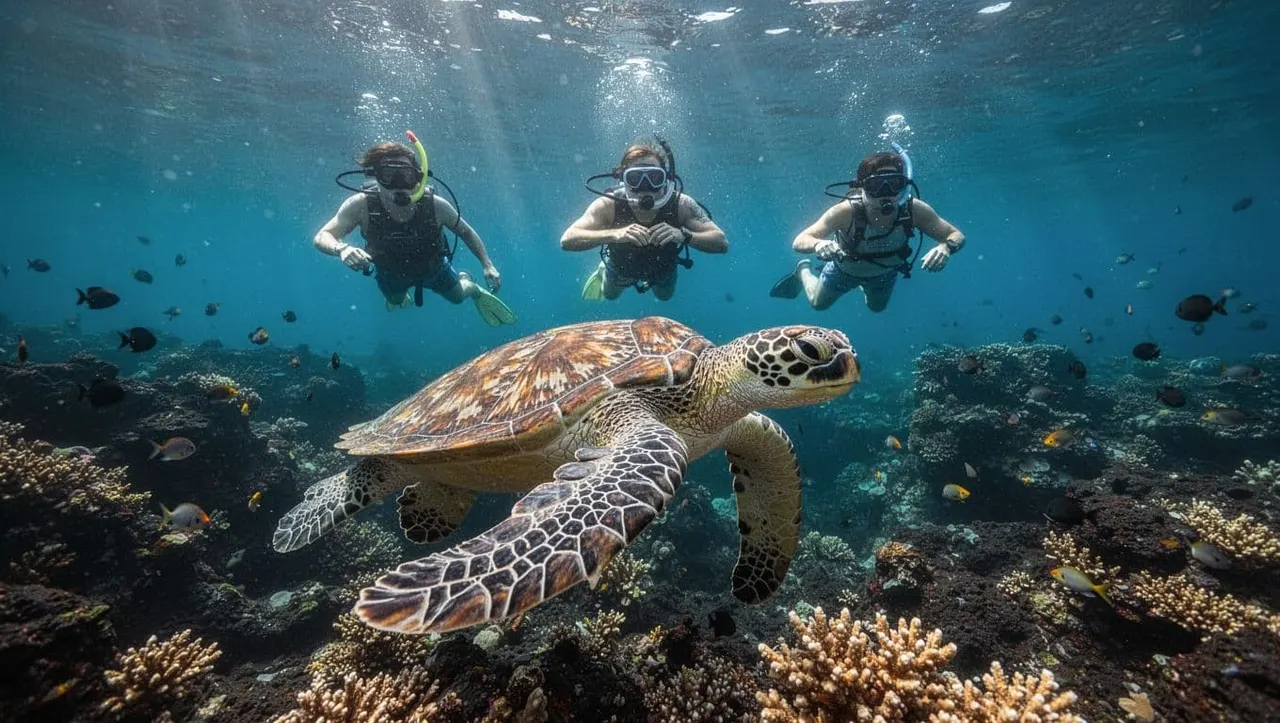
Snorkeling adds gear, ladders, and changing water conditions to your day. A calmer boat makes it easier to sit through the briefing, adjust your mask, and enter the water without feeling rushed.
For a boat tour Waikiki families can enjoy together, guided support matters as much as vessel comfort. Living Ocean Tours is the only tour company with professional snorkel guides, so you can get help with mask fit, fins, buoyancy, water entry, and reef etiquette.
Turtle Canyons rewards patient preparation
The Turtle Canyons snorkel excursion takes you to a well-known reef habitat where Hawaiian green sea turtles may visit natural cleaning stations. Living Ocean Tours reports a 95% turtle-sighting success rate, although wildlife always follows its own schedule.
Before you enter the water, let the guides know if you are new to snorkeling or want extra help. You can take your time with the equipment and stay close to the group as you find your rhythm.
Give turtles and coral room
Your best wildlife encounter happens when you watch without interfering. Never touch, chase, feed, crowd, or block a turtle’s path to the surface.
The NOAA sea turtle viewing guidelines offer a useful reminder: give marine wildlife room to behave naturally. Float horizontally, keep fins away from coral, and avoid using the reef as a handhold.
Match Your Cruise to the Experience You Want
The right boat tour Waikiki visitors book depends on what they want from their time offshore. A reef swim needs a clear gear area and easy water entry, while an evening cruise calls for comfortable seating and a clear horizon.
Living Ocean Tours offers snorkeling, sunset outings, Friday night fireworks cruises, and seasonal whale watching. You can browse its full range of Waikiki snorkeling and boat tours before you decide which experience fits your vacation schedule.
Sunset cruises favor views and a relaxed pace
A Waikiki sunset cruise gives you time to watch the coastline turn gold as the sun drops toward the Pacific. The upper deck can offer a broad view, while shaded lower-deck seating may feel better if you want less wind.
Bring a light layer, even after a hot beach day. Ocean breezes can feel cool after sunset, especially when you have been sitting still and watching the horizon.
Whale watching requires patience and awareness
Humpback whales visit Hawaii seasonally, with January through March recognized as the peak whale-watching period. You may see a blow, tail slap, breach, or a calm stretch of horizon while the captain searches.
Whales are not guaranteed, so give yourself time to enjoy the coastline too. NOAA notes that humpbacks can migrate as far as 5,000 miles between feeding and winter breeding areas, which makes every respectful sighting worth savoring.
Frequently Asked Questions About SeaKeeper and Boat Roll
Will a SeaKeeper stop me from getting seasick?
No system can promise that result. A SeaKeeper can reduce side-to-side roll, but you may still feel pitch, wind, speed changes, or swell.
Sit near the center of the boat, look toward the horizon, drink water, and tell the crew when you need help. Those steps can make a meaningful difference.
Does a SeaKeeper work only when the boat is moving?
SeaKeeper says its gyro systems can reduce roll while a boat is underway, at rest, or at anchor. However, results vary with the vessel, the conditions, and the kind of motion you are experiencing.
If comfort is a major concern, ask the crew about the day’s conditions and where you should sit before departure.
Is a stabilized boat better for first-time snorkelers?
It can make the preparation stage easier because you have a calmer place to hear instructions, put on gear, and wait your turn at the swim platform. You still need to follow the guide’s entry plan and stay within your comfort level.
A boat tour Waikiki first-timers remember usually combines patient guidance, clear safety instructions, and respect for the reef.
Enjoy the Ocean Without Bracing for Every Wave
A SeaKeeper stabilizer can take the edge off side-to-side roll, but your comfort also comes from smart seating, early preparation, and a crew that pays attention. When you choose a boat tour Waikiki experience with organized deck space and professional guidance, you can focus on the reef, the skyline, and the wildlife around you.
The ocean will always have its own rhythm. A steadier platform simply gives you more room to enjoy it.


