
Boat Tour Waikiki: How Dock Lines Secure Your Ride
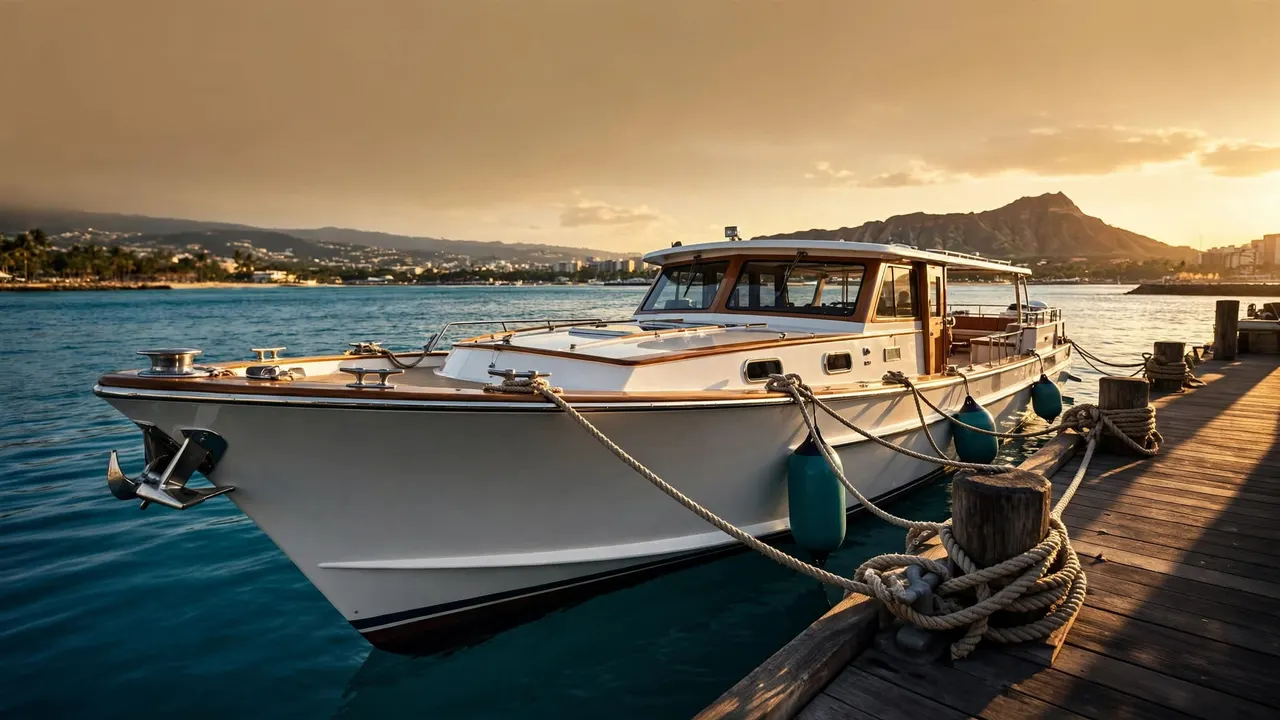
Living Ocean Tours gives you a close look at the working details behind a comfortable day on the water. Before a Boat Tour Waikiki departure leaves the harbor, dock lines help hold the vessel in a controlled position for boarding, loading, and final crew checks.
Those ropes may look simple, yet each one has a job. When you understand what the crew is watching, you can board with more confidence and give them room to work safely.
Key Takeaways
- Dock lines connect the boat to cleats or pilings and limit movement while the vessel is at the dock.
- Bow lines, stern lines, and spring lines each control movement in different directions.
- Fenders cushion the hull against the dock, but they don’t hold the boat in place.
- Wake, tide, wind, and passenger movement can change line tension during boarding.
- You should never step on, lift, or move a dock line unless a crew member directs you to do so.
- A Boat Tour Waikiki experience starts more smoothly when you arrive early, pack lightly, and listen to the crew.
How Dock Lines Protect a Boat Tour Waikiki Departure
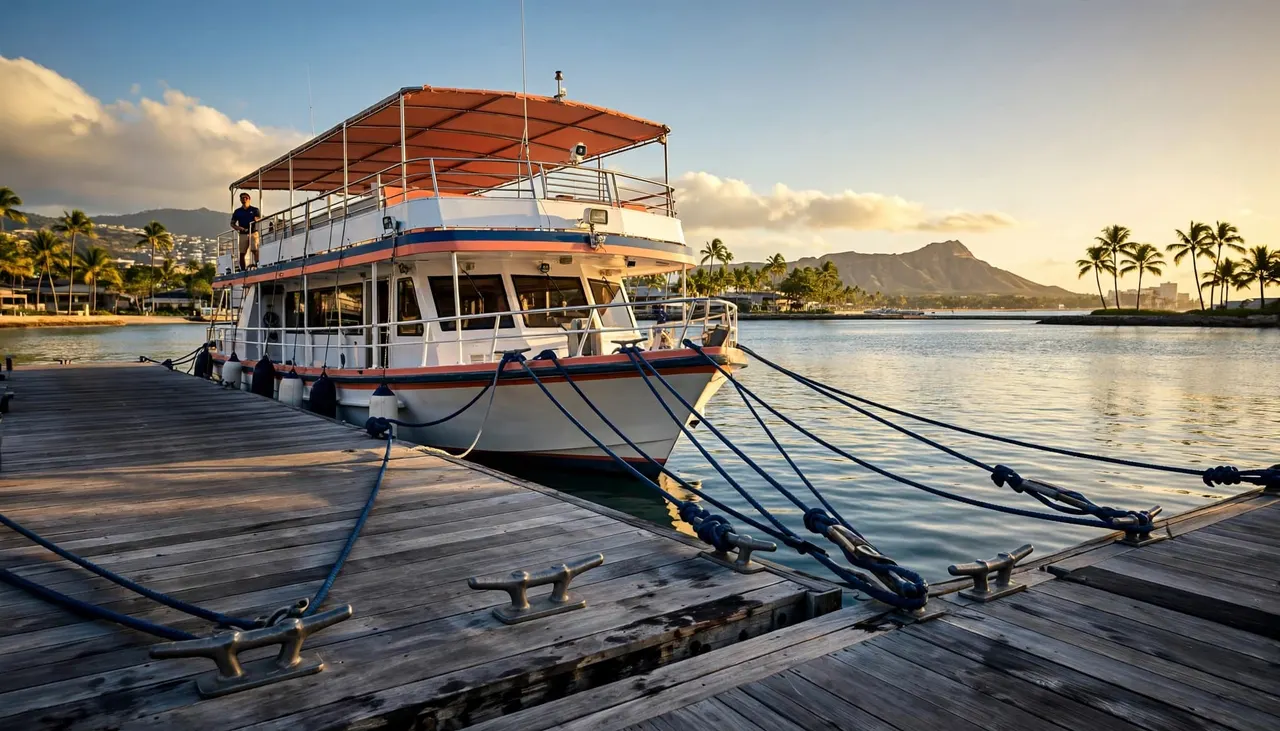
Dock lines are the connection between a boat and a fixed point on shore. Crew members secure them to dock cleats, pilings, or other designated hardware before guests come aboard.
The goal isn’t to make the boat completely motionless. A vessel can still rise, fall, or shift slightly with harbor wake and changes in weight. Proper lines control that movement so boarding stays orderly.
Bow and stern lines hold the ends in place
A bow line helps manage movement near the front of the boat. A stern line does the same near the back. Together, these lines help keep the vessel close to the dock instead of letting either end drift outward.
The crew adjusts tension based on the boat’s position, dock layout, and water conditions. Lines that are too loose allow extra movement. Lines that are too tight may limit the boat’s ability to respond naturally to small changes in water level.
Spring lines control forward and backward movement
Spring lines run at an angle along the length of the boat. They restrict the vessel’s tendency to slide forward or backward in the slip.
Practical Sailor’s spring-line explanation describes a spring line as running from a cleat near midship to a fixed point ashore. That angled placement makes spring lines especially useful when wake or wind pushes the boat along the dock.
For passengers, the important point is simple: a line that looks unusually angled is often doing important work.
The Movement a Secure Mooring Must Manage
A calm harbor can change fast when another vessel passes nearby. Even a small wake can move a tied boat enough for crew members to recheck their setup.
Wake, wind, and changing weight affect the boat
As guests step aboard, the boat’s weight distribution changes. Gear may be loaded, doors may open, and people may move toward shaded seating or a viewing rail. The crew watches how those changes affect the boat’s distance from the dock.
Wind can also push against the hull or upper structure. Meanwhile, passing boats can send a rolling wake through the harbor. On a Boat Tour Waikiki outing, those normal conditions are why a deckhand may pause boarding to adjust a line.
A crew member checking a line after boarding begins is responding to real movement, not performing a routine for show.
Give the crew space around cleats, ropes, ladders, and boarding gates. A few seconds of patience helps them keep the dock area controlled.
Fenders protect the hull during small shifts
Dock lines hold the boat’s position. Fenders protect the hull if the secured vessel moves close to the dock.
A fender hangs between the boat and the dock, creating a cushion at the likely point of contact. It needs the correct height to work. If it rides too high, it may miss the dock edge. If it hangs too low, it may drag in the water without protecting the hull.
Fenders are not brakes, and they can’t compensate for poor mooring. They reduce bumps and rubbing after the crew has properly secured the lines.
Inspecting Lines Before the Boat Leaves the Dock
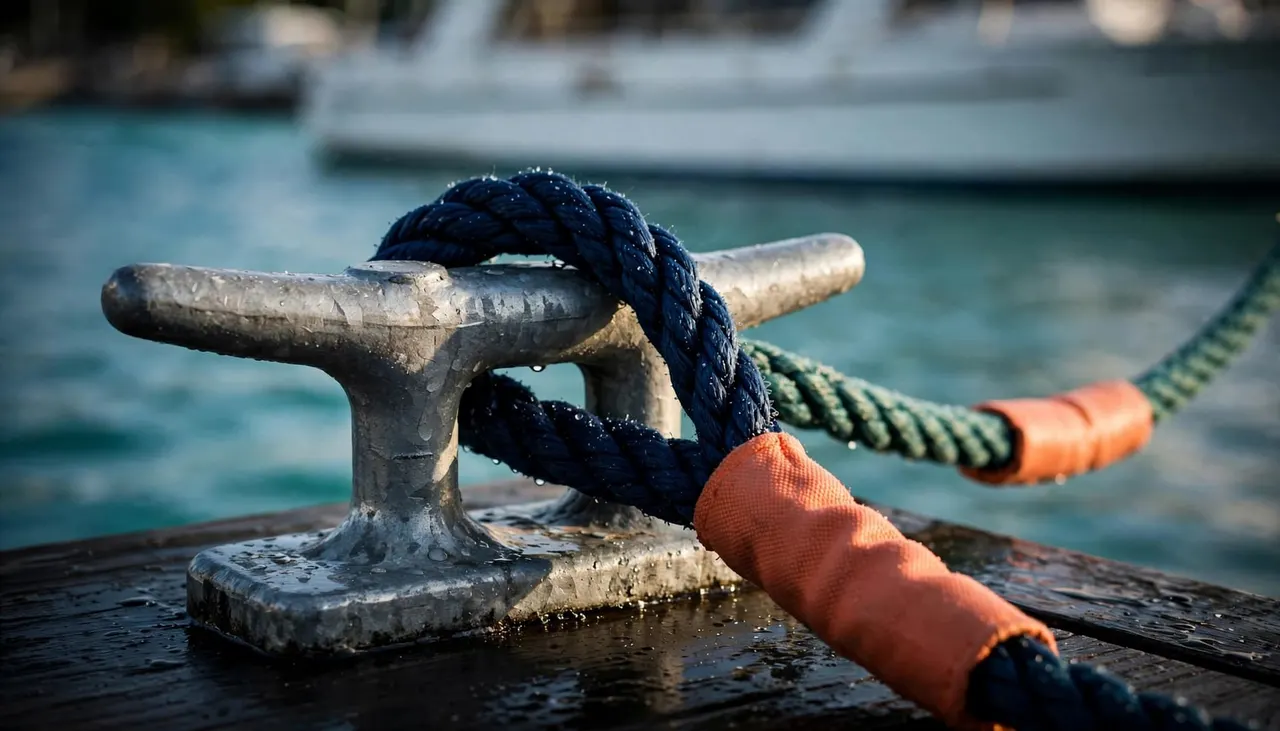
A dependable dock line is more than a rope tied to a cleat. Crew members look for wear that could weaken the line or create an unreliable connection.
Chafe can damage a line over time
Chafe happens when a line repeatedly rubs against a hard surface. Cleats, dock edges, rings, and rough fittings can all wear through rope fibers if the line moves against them.
West Marine’s dock-line chafe guidance explains that chafe is damage caused by rubbing. Crew members reduce that risk by checking contact points and using protective materials where a line may rub.
You may see a crew member reposition a line during boarding. That adjustment can prevent the rope from grinding against hardware as the vessel shifts.
A full inspection looks beyond one worn spot
A line can show trouble in several ways. Frayed fibers, flattened areas, stiff sections, deep discoloration, kinks, mold, mildew, dry rot, and heavy fading can all deserve attention.
A dock-line inspection checklist recommends checking for chafe, kinks, mildew, dry rot, and excessive fading before leaving the dock. For the crew, this is part of looking after the boat and the people who will board it.
You don’t need to inspect the equipment yourself. However, you should respect it as working gear, not as a handrail, seat, or place to hang a bag.
How You Can Help the Crew at the Dock
Good boarding habits make a meaningful difference. You don’t need boating experience, but you do need to stay aware of where you step and what the crew is handling.
Keep clear of ropes, cleats, and boarding gaps
Dock lines can tighten, relax, or shift as the boat moves. Don’t step over a line if you can walk around it. Never stand on one, pull one, or use it to steady yourself.
Instead, use the railings and wait for a clear signal before crossing from dock to boat. If the gap changes while you are waiting, don’t jump. A crew member can tell you when it is safe to step aboard.
Keep children close near the boarding area, and avoid gathering around the gate. Open pathways give families, crew members, and guests carrying small bags more room to move safely.
Pack for easy movement and secure your belongings
Wear footwear with grip for the dock. Bring a small bag that closes securely, then keep your hands free while you board. Loose hats, oversized beach bags, and items left on the deck can become problems once the boat begins moving.
For any Boat Tour Waikiki visitors book, arriving about 30 minutes early gives you time to park, check in, and hear instructions without rushing. Check your booking confirmation for the current meeting details and bring any medication you may need.
Once aboard, stow belongings where the crew directs you. Then you can settle in before the dock lines come off.
Choose a Tour Operator That Respects the Working Boat
A scenic trip should feel easy, but the boat remains an active marine environment. The crew has to manage people, equipment, weather, traffic, and the harbor before the coastline comes into view.
Living Ocean Tours offers Honolulu ocean tours for couples, families, swimmers, snorkelers, and guests who prefer to enjoy Oahu from the deck. The company is the only tour company with professional snorkel guides, giving first-time snorkelers and families direct support in the water.
Before booking a Boat Tour Waikiki experience, look for clear passenger guidance, accessible crew members, safe boarding practices, and a strong respect for marine life. For snorkeling, you should also ask whether the crew provides gear instruction and in-water guidance.
Let the crew make the safety calls
The captain and crew may adjust a departure, delay boarding briefly, or change a route when conditions call for it. Their decisions account for the water, nearby traffic, visibility, and passenger comfort.
Listen when they ask you to remain seated, move away from a work area, or wait before using a ladder. Those directions protect you while allowing the crew to manage the boat without distraction.
Respect wildlife after the lines come aboard
Dock lines matter before departure, but responsible behavior matters throughout the trip. If you enter the water, float calmly and keep your fins away from coral.
Watch Hawaiian green sea turtles and reef fish without touching, chasing, or blocking them. Your distance helps protect the animals and keeps the experience more natural for everyone in the water.
Frequently Asked Questions
Do dock lines keep a boat completely still?
No. Dock lines help limit movement, but a boat can still rise and fall with water level or rock gently when wake moves through the harbor. That small amount of movement is normal.
Fenders protect the hull during those shifts. The crew may adjust lines as conditions change to maintain a safe position beside the dock.
Why shouldn’t you step over a dock line?
A line can move suddenly when the boat shifts or the crew adjusts tension. Stepping over it creates a trip risk and puts you too close to active equipment.
Walk around dock lines whenever possible. If you aren’t sure where to go, wait for a crew member to guide you through the boarding area.
Do fenders stay out while the boat is underway?
Fenders are most useful when the boat is alongside a dock, another boat, or a pier. Crew members often bring them aboard after departure and deploy them again before returning to the harbor.
They protect against contact, while dock lines control the boat’s position when it is tied up.
A Secure Start Lets You Enjoy the Water
Dock lines are one of the least glamorous parts of a Boat Tour Waikiki guests may notice, yet they protect the hull, dock, crew, and boarding area before the trip begins.
When you arrive prepared, keep clear of working ropes, and follow crew direction, you can focus on the salt air, Waikiki coastline, and the time you came to spend on the water.


