
Boat Tour Waikiki: Preparing for Offshore Route Changes
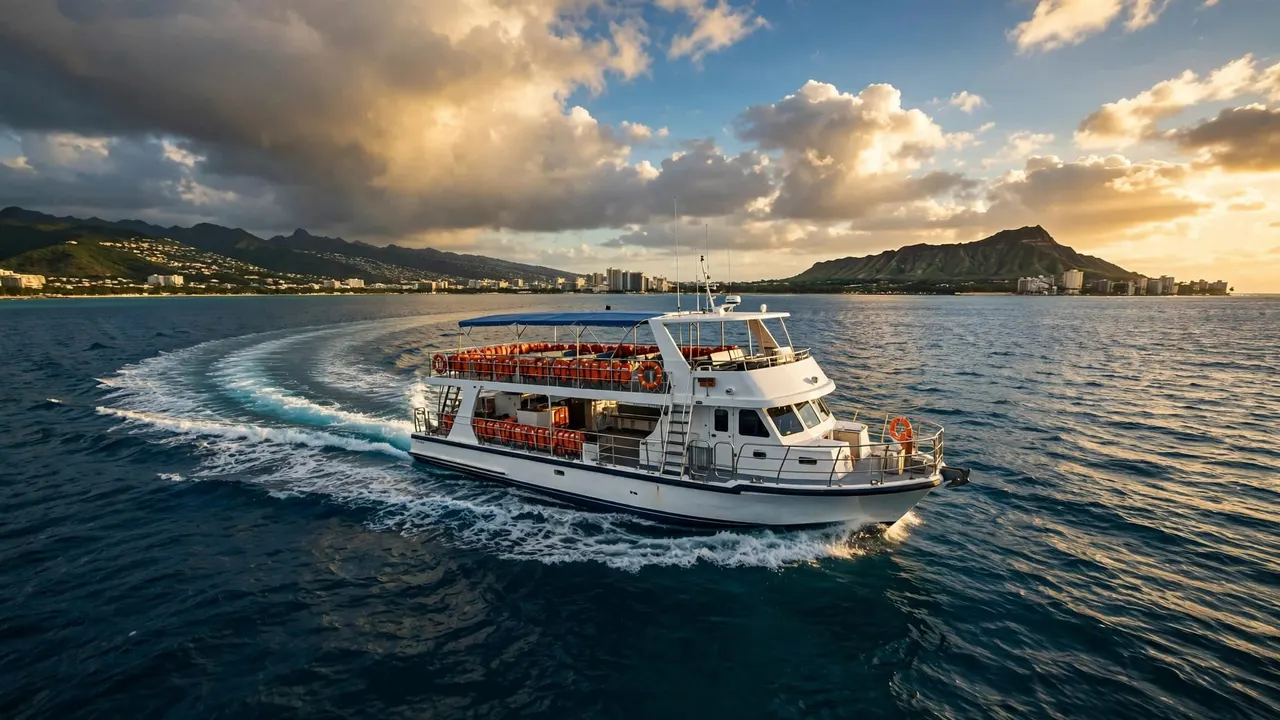
An offshore route change can feel unexpected when you have planned your day around a reef stop, a sunset, or a wildlife sighting. On a boat tour Waikiki visitors enjoy, the crew may adjust the plan to keep the ride comfortable, orderly, and safe.
Living Ocean Tours departs from Kewalo Basin Boat Harbor near Waikiki aboard Coast Guard-inspected double-decker vessels. The company is also the only tour company with professional snorkel guides, so you get direct support before and during a water activity.
A flexible plan, a well-packed bag, and attention to crew instructions let you enjoy the coastline even when the route shifts offshore.
Key Takeaways
- Treat your itinerary as a plan, not a fixed promise. The captain may alter timing, course, or the activity location when offshore conditions call for it.
- Arrive early enough to complete check-in and hear the full safety briefing without rushing.
- Bring sun protection, water if permitted, footwear with grip, and a light layer for wind or spray.
- If motion sickness concerns you, prepare before boarding and tell a crew member as soon as you feel unwell.
- Keep your schedule after a boat tour Waikiki experience flexible, especially if you have dinner reservations, transportation, or timed attractions.
- Follow wildlife rules even when the boat stops at a different site. Marine animals and coral need space.
Start Prepared Before Leaving the Harbor
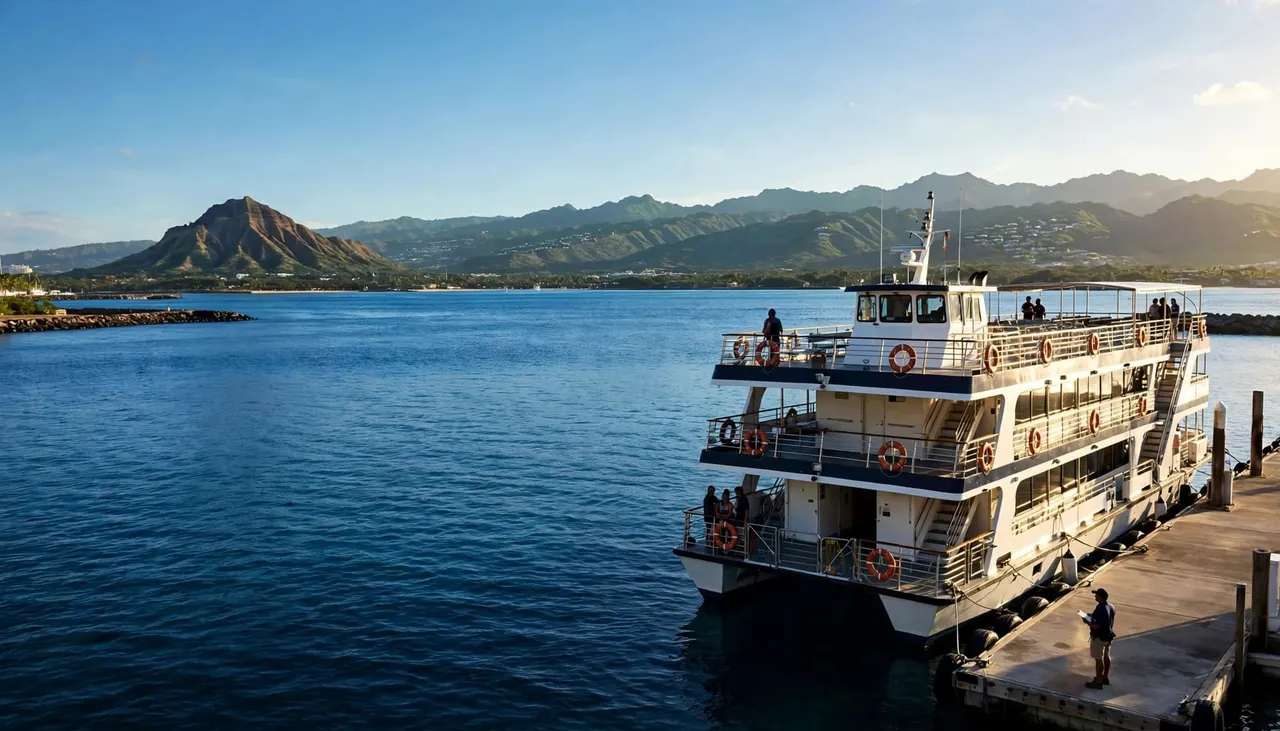
Your preparation begins before you step onto the dock. A relaxed boarding process gives you time to store gear, find a comfortable seat, and hear instructions that may matter later offshore.
Living Ocean Tours lists its harbor location at Kewalo Basin Boat Harbor, 1125 Ala Moana Boulevard, Slip B-01, Honolulu, HI 96814. Check your booking confirmation for the current meeting details, then plan to arrive about 30 minutes early for parking, waivers, and boarding.
Pack for sun, spray, and changing temperatures
Wear a swimsuit that lets you move freely, plus a cover-up for the walk back through the harbor. Bring reef-safe sunscreen, sunglasses with a secure strap, and a hat that will not blow away.
A small dry bag is useful for your phone, cards, medication, and a dry shirt. Leave loose bags, long necklaces, and oversized hats at the hotel. Boat decks can become wet quickly when the vessel turns or ocean spray reaches the rail.
Even sunny afternoons can feel cool after you have been in the water. Keep a light layer close instead of burying it under towels and snacks.
Confirm the details that affect your day
Ask about the tour’s expected duration, restroom access, food and drink rules, and cancellation terms before you travel to the harbor. You should also know whether the crew can modify the route, delay the departure, reschedule, or cancel if the trip cannot operate safely.
If you are traveling with children, decide who will handle bags and who will stay with them during boarding. That simple plan leaves you free to use railings and follow crew directions around the gangway.
Boat Tour Waikiki Plans Need Flexibility
A route is often shaped by what the crew sees beyond the harbor, not only by the calm view from Waikiki Beach. The captain monitors the actual water, vessel traffic, visibility, and the comfort of guests throughout the outing.
A changed route does not automatically mean an emergency or a ruined day. It often means the crew has selected a more suitable direction, adjusted speed, or modified the timing of an activity.
Expect the captain to make the call
You do not need boating experience to respond well to a course adjustment. Listen for the updated plan, remain seated when asked, and wait for the crew before moving between decks.
Captains also manage nearby sailboats, fishing boats, paddlers, personal watercraft, and commercial vessels. A clear route helps everyone aboard move safely and gives the captain room to make sound decisions.
The most useful question is not “Will the route change?” Ask how the crew communicates changes and what you should do when instructions shift.
Keep your phone available, but do not let it distract you during announcements. If you miss a direction, ask a deckhand to repeat it.
Keep your schedule after the cruise open
Avoid booking a tight dinner reservation or an airport transfer immediately after your boat tour Waikiki departure. Build extra time into your day, especially if you are joining an afternoon snorkel trip or an evening sail.
A route adjustment might change the order of activities or the return timing. When you leave room in your schedule, you can enjoy the coastline instead of checking the clock.
Tell friends or family on shore where you are going and when you expect to return. However, wait for crew updates before assuming the boat will follow its original path.
Check Marine Conditions Before Your Departure
Sunny skies over Waikiki do not always match the conditions offshore. Wind, swell direction, rain, visibility, and local marine advisories can all affect how a ride feels.
Before leaving your hotel, review the Honolulu coastal marine forecasts from the National Weather Service. The forecast will not replace the captain’s judgment at sea, but it helps you pack and set realistic expectations.
Look beyond the beach forecast
A standard weather app may tell you the air temperature and chance of rain. It may not explain sea height, wind direction, or conditions across the waters where your boat will travel.
If you notice whitewater, dark clouds, or stronger wind at the harbor, stay calm. The crew has better access to current operating information and can explain what guests need to do next.
Avoid pressuring the captain to go farther offshore for a specific photo or wildlife sighting. A responsible crew puts the boat, guests, and marine environment ahead of a rigid itinerary.
Ask about changes before you board
If your plans depend on a snorkel stop, a sunset view, or an event time, contact the operator the day before. Ask how they handle modified routes and what happens if the scheduled activity cannot take place.
You should also ask about payment policies for delays, rescheduling, and cancellations. Clear answers protect your vacation time and prevent confusion at the dock.
Make Comfort Part of Your Offshore Plan
Your body may notice boat motion even if you never get carsick. Motion sickness can affect first-time guests, confident swimmers, and experienced travelers alike.
A steady ride helps, yet no system removes every movement caused by wind, swell, speed, or vessel wake. Your own preparation makes a meaningful difference.
Reduce motion sickness before it starts
Eat a light meal one or two hours before check-in. An empty stomach, a heavy meal, dehydration, and alcohol can make nausea more likely.
Drink water during the day, especially if you spent the morning walking Waikiki or relaxing at the beach. If you use doctor-approved motion-sickness medication, take it only as directed and early enough for it to work.
Once aboard, sit where you can see the horizon. The middle of the boat often feels less active than the bow or stern, while fresh air can feel better than staring at a bright screen below deck.
Speak up early when you feel unwell
Tell a deckhand at the first sign of dizziness, sweating, nausea, or lightheadedness. Waiting until you feel miserable makes it harder for the crew to help you find a better seat or a calmer spot.
Living Ocean Tours operates the Coral Kai and Lokahi, two custom double-decker vessels with shaded seating, restrooms, dry storage, and sturdy ladders. The Lokahi also has a SeaKeeper stabilization system that helps reduce side-to-side roll.
Still, stay seated when directed, use railings on stairs, and keep shared walkways clear. Your comfort matters more than claiming a front-row spot at the bow.
Listen Closely During the Safety Briefing
The safety briefing is where you learn how the day works if the boat moves, the route changes, or you need help. Do not treat it as background noise while you organize sunscreen or take photos.
Crew members may cover life jacket locations, restroom access, dry storage, stairways, water-entry procedures, and signals used in the water. Those details are easier to remember before you need them.
Know how to move around the boat
Wet steps and changing boat motion require patience. Use the handrails, walk instead of run, and keep one hand free when you move between decks.
Never step on or handle dock lines unless a crew member directs you. Ropes can be under tension, and the crew needs clear space to manage boarding safely.
If the captain asks you to remain seated, follow that instruction right away. You may not see the traffic, wake, or maneuver that prompted it.
Understand the snorkel plan before entering the water
Ask where you will place fins, when you should descend the ladder, and how you will return to the swim step. The ladder can move with the water, and tired legs can make the climb back aboard harder than expected.
Your briefing should also explain mask use, flotation, guide signals, boat traffic awareness, and what to do if you become separated from your group. If a standard mask or snorkel feels unfamiliar, ask for help before you enter the ocean.
A professional guide can adjust a loose fin or leaking mask while you are still on the boat. Small fixes are easier before you reach the reef.
Prepare for a Different Snorkel Site or Timing
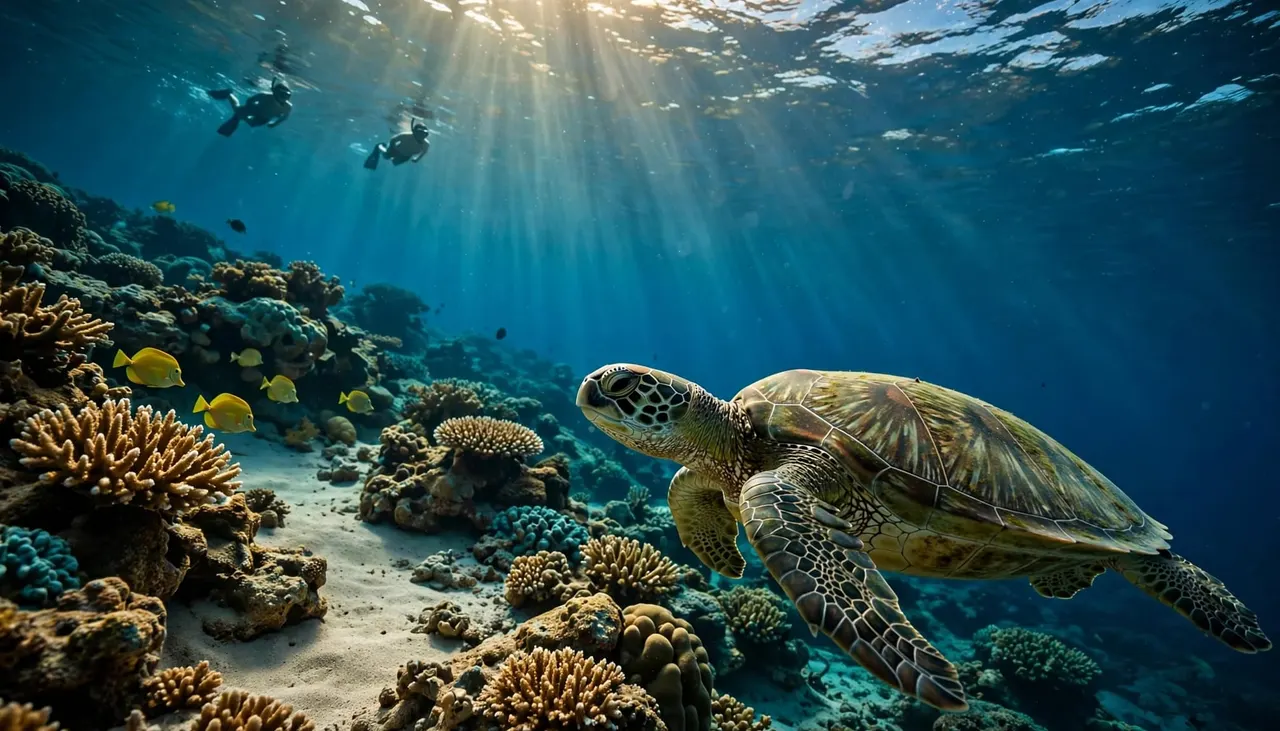
A modified route may change where you snorkel, how long you cruise before entering the water, or whether the crew recommends remaining aboard. That does not reduce the value of a guided outing when you focus on the experience available that day.
Living Ocean Tours’ Turtle Canyon snorkeling tour travels along the Waikiki coast toward Turtle Canyons, where you have a chance to see sea turtles, reef fish, dolphins, and other marine life. Wildlife remains unpredictable, so treat every sighting as a bonus rather than a guarantee.
Choose the activity that fits your comfort level
You can stay on board if the water feels intimidating, if you are tired, or if you do not feel well. Sitting out a swim is a smart decision when your confidence or comfort changes offshore.
First-time snorkelers should let the guide know they are new to the activity. Living Ocean Tours provides gear and professional snorkel guides, so you can get help with fit, breathing technique, and the pace of water entry.
If you want a guided reef experience with sea turtle viewing opportunities, you can CHECK AVAILABILITY before setting your vacation schedule.
Respect the reef wherever you stop
Do not stand on coral, grab the reef, or chase fish for a closer image. Hawaii Ocean Safety explains that touching coral or sea creatures can harm them and can also injure you through its snorkeling safety guidance.
Keep your fins controlled and give other swimmers room. Follow the guide’s route, use flotation if offered, and return to the boat when instructed.
A good snorkel is not measured by how far you swim. It is measured by how comfortable, attentive, and respectful you are in the water.
Give Hawaiian Sea Turtles the Space They Need
Sea turtles are a highlight of any boat tour Waikiki snorkelers may take, yet they are not props for photos. You have the best encounter when you watch from a distance and allow the animal to choose its path.
The Hawaii Department of Land and Natural Resources explains that Hawaii’s sea turtles have protections under federal and state law. Read its overview of Hawaii sea turtle protections before your trip.
Watch without touching or feeding
Never touch, handle, feed, surround, or block a turtle. Do not dive down to meet one or swim directly over its path.
If a turtle passes nearby, stay calm and let it move away. A respectful distance protects the animal from stress and gives you a more natural view of its behavior.
The same care applies to dolphins, fish, coral, and other wildlife. Leave shells and reef life where they belong.
Let guides set the pace in the water
Professional snorkel guides can help you maintain a safe group position and recognize when to pause or turn back. Follow their signals even if you see something farther away.
Children and less confident swimmers should stay close to the guide and use flotation as directed. Your group will have a better time when every swimmer moves at a pace that matches the conditions.
Match the Tour to Your Day’s Priorities
A boat tour Waikiki visitors remember may include snorkeling, wildlife, sunset colors, or an evening event. Pick an outing that matches your energy level and keeps enough time around the departure for possible changes.
For a dry, scenic experience, Living Ocean Tours offers a Waikiki sunset cruise that travels toward Diamond Head and back. The cruise lasts 90 minutes and departs daily at 5:30 p.m. from April 1 through September 15, then at 5:00 p.m. from September 16 through March 31.
Choose snorkeling when you want active time in the water
A snorkel trip suits you if you want reef time and are comfortable following in-water instructions. Bring a towel, secure swimwear, and an open mind about the final site.
Families may prefer a cruise with extra room and activities when their children want more than a reef swim. Ask in advance about age guidance, water-entry procedures, supervision, and the day’s current plan.
Choose a sightseeing cruise when you prefer to stay dry
A sunset outing can be a better fit if you are prone to nausea, are recovering from a busy day, or simply want coastline views without climbing a swim ladder. You can still see Waikiki, Diamond Head, and the changing light over the Pacific.
During the seasonal whale-watching period, sightings remain dependent on animal behavior and current conditions. You should book a wildlife-focused trip for the experience of being on the water, not for a promised encounter.
Stay Flexible on the Return to Harbor
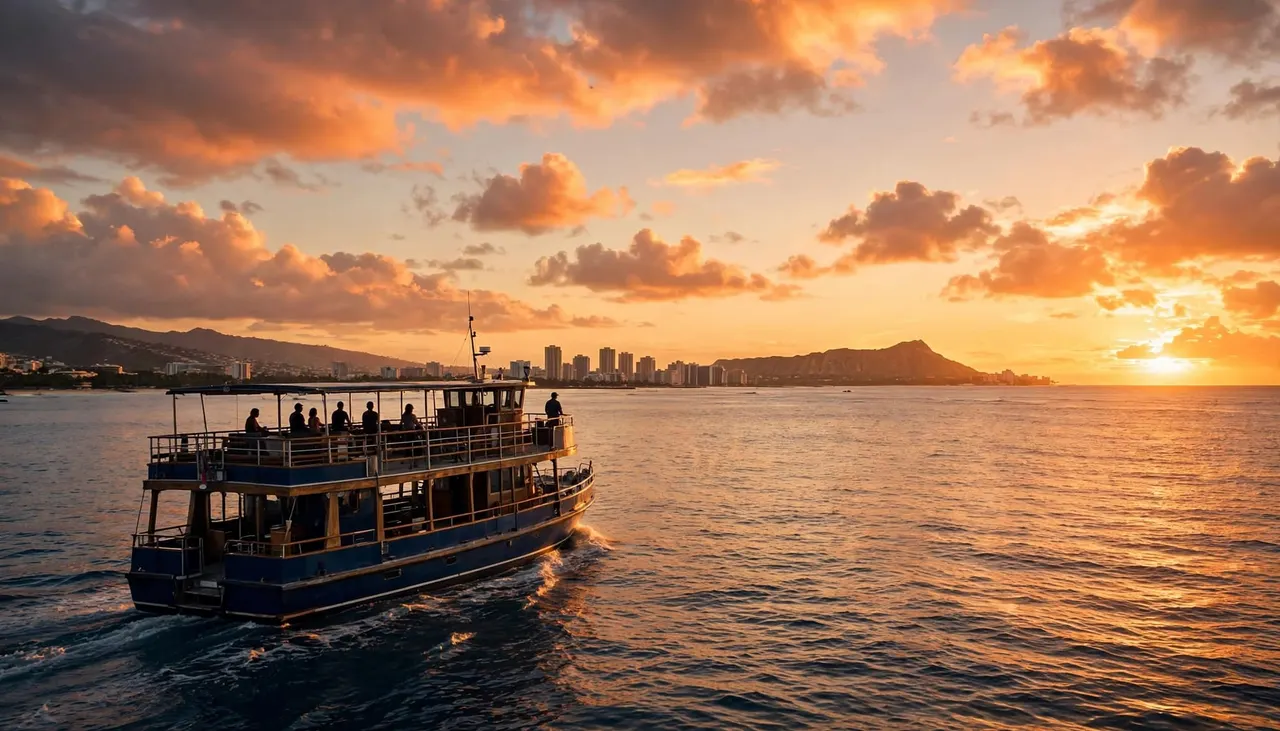
As the boat heads back toward Kewalo Basin, pack your belongings before the crew starts docking procedures. Secure your phone, shoes, sunglasses, and cover-up so you are not searching for them while the vessel is moving.
Wait for the crew’s signal before standing up or heading toward the exit. Docking involves lines, changing water levels, and a narrow space between the boat and pier.
Plan your transportation in advance
Confirm where your rideshare, rental car, or hotel shuttle will meet you after the cruise. A charged phone and a backup plan reduce stress if you return later than expected.
If you are going out for dinner, carry a light layer for the walk back through the harbor. You may feel cooler than expected after wind, salt spray, and time in the water.
Give yourself time to reset
Drink water, rinse salt from your skin when possible, and change into dry clothes before your next activity. If you felt nauseated, rest before heading into a long car ride or another ocean excursion.
A changed route can still leave you with a memorable day. The views, fresh air, wildlife, and time with your group often matter more than following every mile of an original itinerary.
FAQ About Offshore Route Changes
What happens if conditions change after departure?
The captain may adjust the route, timing, speed, or planned activity based on current conditions and safe operation. Listen to crew announcements, remain seated when asked, and avoid assuming that a route change means something has gone wrong.
If you have a question, ask a crew member after the immediate instruction is complete. They can clarify where the boat is heading and what guests should expect next.
What should you do if you get seasick?
Tell a deckhand early, sit where you can see the horizon, and drink small amounts of water. Avoid staring at your phone or going below deck unless the crew recommends it.
For future trips, eat lightly beforehand and ask a health professional about motion-sickness options that suit you. You should never feel pressure to push through discomfort for a photo or a swim.
Can you still enjoy the trip if snorkeling changes?
Yes. You can enjoy the Waikiki shoreline, Diamond Head views, sea air, and time with your group even if the crew modifies the water plan. Staying aboard is always a reasonable choice when you do not feel comfortable entering the ocean.
A Flexible Plan Makes a Better Ocean Day
A boat tour Waikiki travelers enjoy is built on preparation, trust in the crew, and respect for the ocean’s conditions. Pack lightly, arrive early, listen carefully, and leave room in your schedule for the captain’s decisions.
When the route changes, you can stay comfortable by following instructions, caring for your body, and keeping wildlife at a respectful distance. That approach gives you more space to enjoy the Pacific, whatever course the day takes.


