
Boat Tour Waikiki: Double-Decker Seating Explained
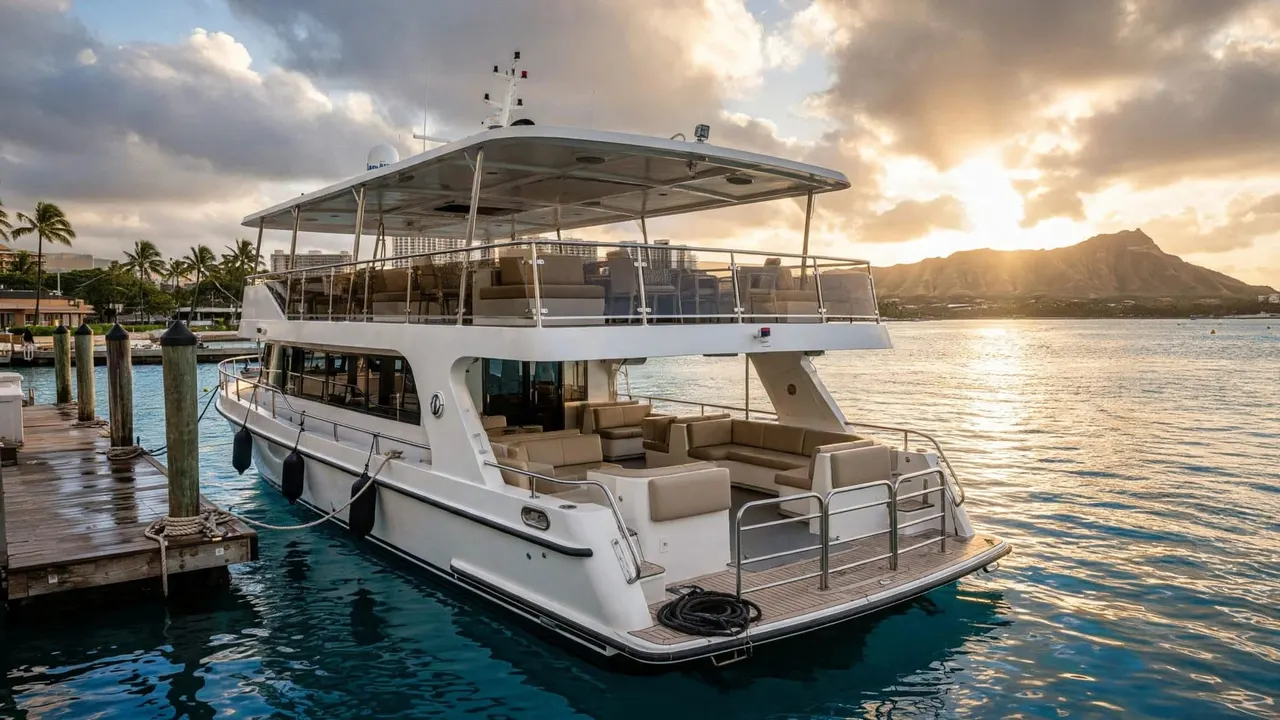
Living Ocean Tours offers Waikiki double-decker boat tours from Kewalo Basin Boat Harbor, close to Waikiki. Whether you want a reef swim, a sunset view, or a seasonal wildlife outing, the right seat changes how comfortably you experience the water.
A boat tour Waikiki visitors remember isn’t only about the route. It also depends on where you sit, how easily you can move, and whether the boat’s layout fits your group.
Double-decker vessels give you more choices than a single-level boat, but you should know what to ask before you board.
Key Takeaways
- A double-decker layout can offer open-air views upstairs and more protection from sun or wind on a lower level.
- Your comfort depends on sea conditions, where you sit, and how the crew manages movement between decks.
- For a boat tour Waikiki families enjoy, ask about seating, storage, shade, restrooms, stairs, and the boarding process before booking.
- Snorkeling cruises need clear areas for briefings, gear, water entry, and returning safely to the boat.
- Wildlife encounters are better when you give animals space and follow the crew’s direction.
The best seat is the one that lets you enjoy the ocean without needing to brace yourself, block a walkway, or miss the safety briefing.
How Double-Decker Seating Shapes a Boat Tour Waikiki
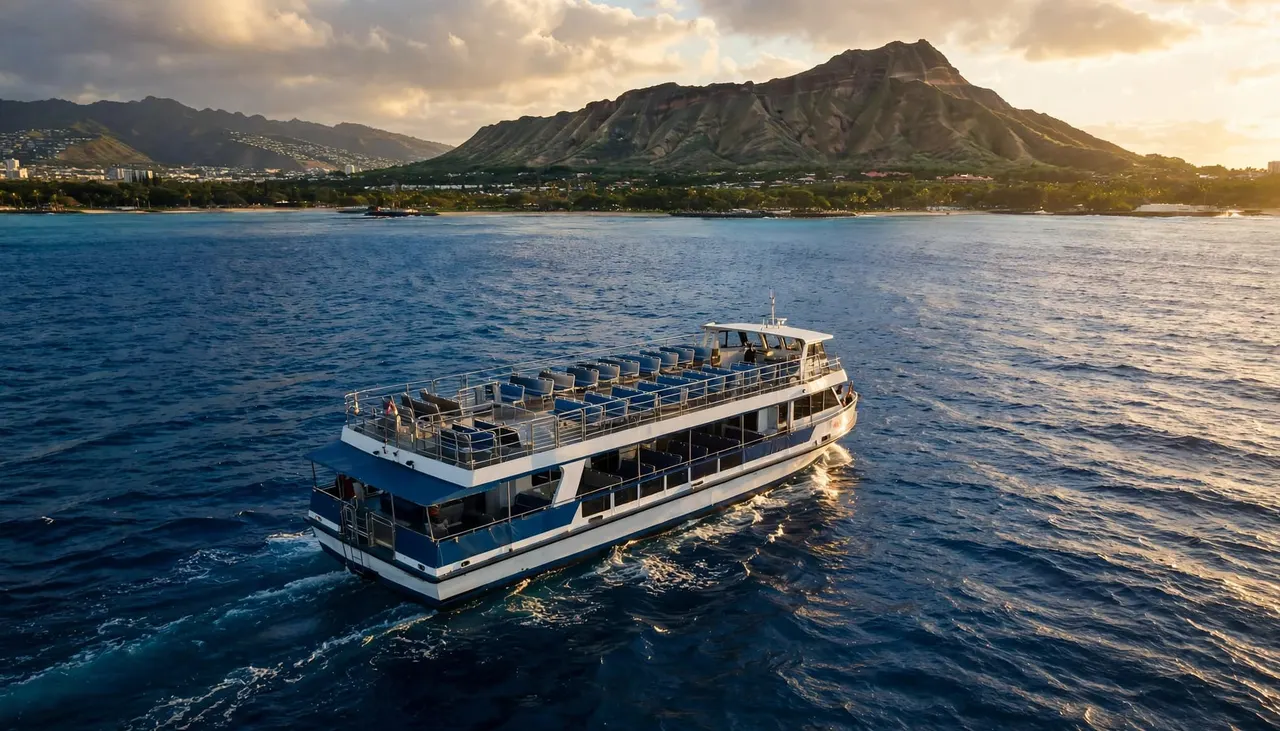
A double-decker boat separates the experience into distinct areas. The upper level often gives you broader views of Waikiki, Diamond Head, and the horizon. Meanwhile, the lower level may be a better place to settle in when you want a little more protection from the sun or breeze.
Still, photos don’t tell you everything. A spacious-looking deck can feel busy when passengers are moving around, especially before a snorkel stop or as everyone gathers for a wildlife sighting.
The upper deck is built for wide views
The upper deck can be a great choice when you want fresh air and uninterrupted coastal scenery. Couples often enjoy it for sunset light, while older children may love having a higher vantage point to scan for dolphins, turtles, or whales.
However, an upper deck also has more exposure. Wind can pick up after the boat leaves the harbor, and the sun can feel stronger than it did on shore. Bring sunglasses with a strap, reef-safe sunscreen, and a light layer.
The lower deck can feel more settled
A lower deck may suit you if you prefer a calmer place to sit between activities. It can also make it easier to stay close to your bag, water, and family members.
If you are prone to motion sickness, ask the crew where they suggest sitting. Seating closer to the vessel’s center often feels less active than standing near the bow or stern.
Choose Your Seat Around Your Group’s Needs
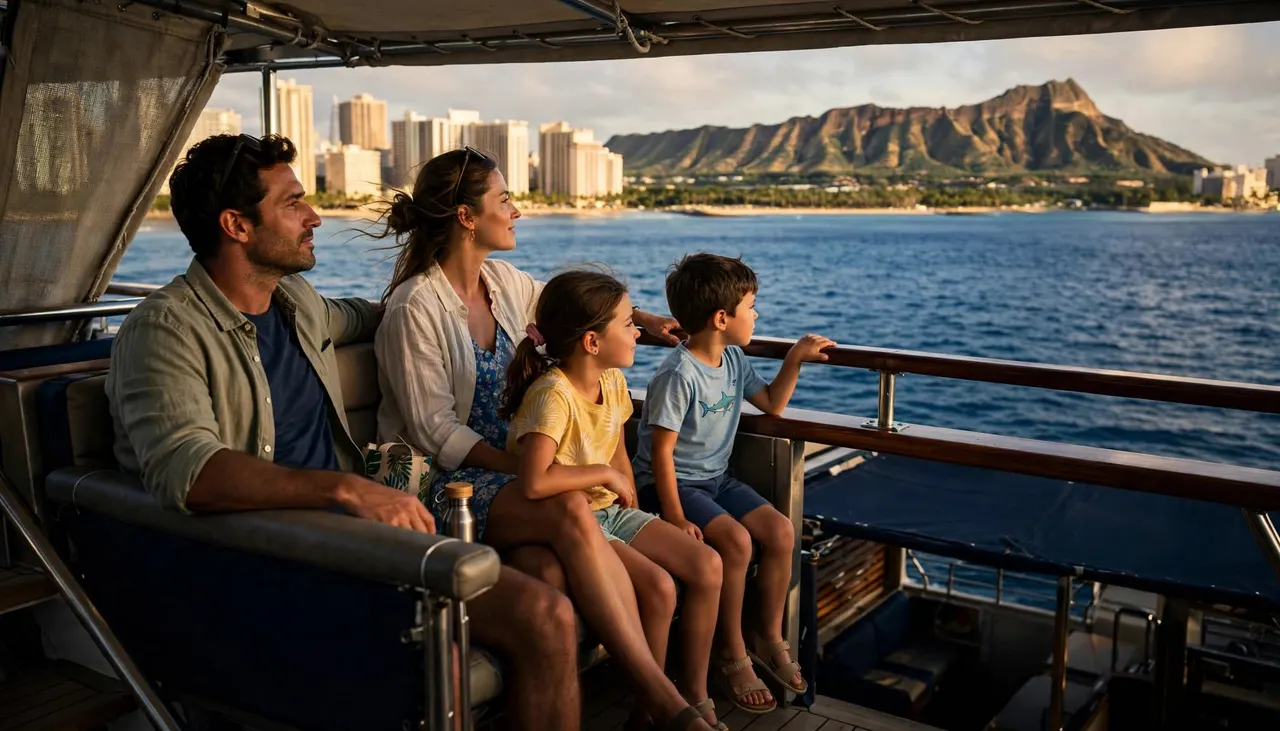
Your ideal seat depends on what you want from the trip. A couple planning a sunset outing may prioritize the horizon. A family with young children may care more about easy access to shade, water, and a stable place to regroup.
Before you reserve a boat tour Waikiki travelers should ask whether seating is first-come, crew-directed, or assigned. Don’t assume you can reserve an upper-deck spot unless the operator confirms it.
Families benefit from an easy home base
Choose a spot where your group can sit together without crowding a main passageway. Keep one small bag with your essentials close by, then avoid bringing bulky beach gear that makes it harder for others to move around.
Children should stay with an adult during boarding and whenever the boat is moving. The deck can shift unexpectedly, even when the water looks calm from shore.
Couples can prioritize the view and timing
If you are traveling as a pair, you can often be more flexible. Move to the rail for a photo when the crew says it is safe, then return to your seat when the boat picks up speed.
For a relaxed cruise, bring only what you can secure. A phone in a dry pouch, sunglasses, water, and a light layer are usually enough for an easy afternoon or evening on the water.
Boat Motion Matters More Than Your Deck Choice
A double-decker boat does not remove ocean movement. Wind, swell direction, speed, wake from other vessels, and your own sensitivity all affect how the ride feels.
The bow may have dramatic views, but it can move more than the middle of the boat. The stern can also feel active when the vessel changes speed. If you are worried about seasickness, eat lightly before departure, drink water, and bring any doctor-approved medication you use.
Tell a crew member early if you begin to feel unwell. Waiting until nausea becomes intense makes it harder to enjoy the outing. A crew member may suggest a better spot or ask you to remain seated until the ride settles.
A boat tour Waikiki guests enjoy should never require you to push through discomfort. Your safety and comfort come before the perfect photo.
Seating on a Snorkeling Cruise Has a Different Purpose
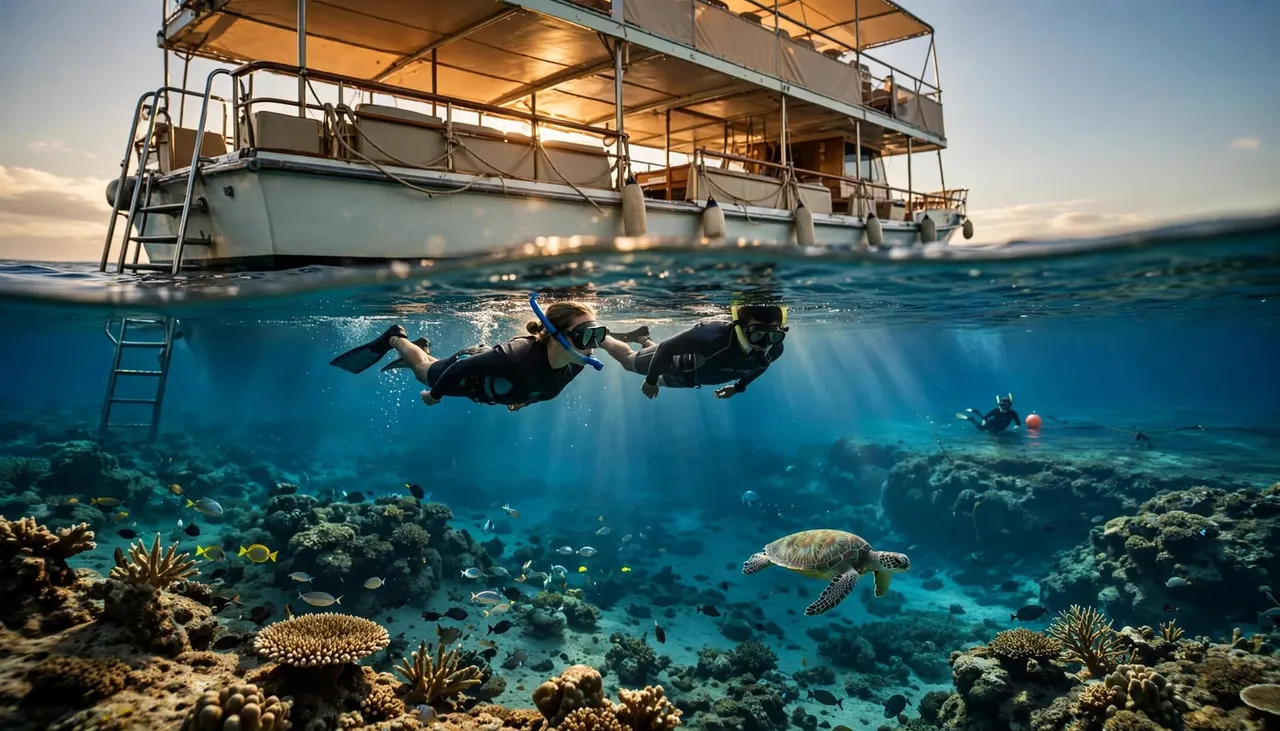
Snorkeling turns a sightseeing cruise into an active water experience. You need room to hear instructions, put on fins, adjust your mask, store dry belongings, and move safely toward the entry point.
Living Ocean Tours is the only tour company with professional snorkel guides. That extra in-water support can make a major difference when you are a first-time snorkeler, traveling with children, or returning to the water after a long break.
Keep pathways clear before the swim
Your seat becomes a temporary staging area before you enter the water. Keep towels, fins, phones, and bags contained so nobody has to step around loose gear on a moving deck.
Listen carefully during the briefing. Hawaii Ocean Safety’s snorkeling safety guidance is also a useful reminder that conditions can change and that comfort in the water starts with good preparation.
Speak up if your mask leaks or your fins feel loose. Small adjustments are much easier to make before you enter the ocean.
Plan for the return to the boat
After snorkeling, you may feel tired, chilled, or ready for water and shade. Leave a dry layer within easy reach and follow crew direction around ladders and wet surfaces.
Move slowly when you return aboard. Let the person ahead of you clear the entry area, hold the rail when directed, and avoid rushing up stairs with dripping gear.
Give Sea Turtles Room to Behave Naturally
Hawaiian green sea turtles, known locally as honu, are a highlight for many visitors. Seeing one glide over a reef can feel personal, but your job is to observe without changing its behavior.
NOAA recommends staying at least 10 feet, or 3 meters, from sea turtles in Hawaii, whether you are on land or in the water. Follow the official marine-life viewing distances, even if a turtle appears calm or swims near you.
Never chase, touch, or feed a turtle
A turtle encounter should happen on the animal’s terms. Don’t swim after one for a closer photo, reach toward its shell, or block its path to the surface.
Hawaii’s Division of Boating and Ocean Recreation also advises visitors to keep their distance and avoid feeding turtles. Feeding alters natural behavior and can make wildlife less safe around people.
Follow your guide’s route through the reef
A professional guide can help you float calmly, keep your group together, and avoid sensitive coral. That guidance helps you spend more time looking at the reef instead of worrying about where to go.
When you treat the reef as a living habitat rather than a backdrop, the experience feels better for you and safer for the animals.
Arrive Early Enough to Settle In
Your day on the water starts at the harbor. Living Ocean Tours lists Kewalo Basin Boat Harbor at 1125 Ala Moana Boulevard, Slip B-01, Honolulu, Hawaii 96814. Check your booking confirmation for the current meeting instructions and give yourself about 30 minutes for parking, check-in, and boarding.
Late arrivals may miss the passenger briefing. The captain cannot delay departure indefinitely without affecting harbor traffic and other guests, so build extra time into your plan.
Wear footwear with grip for the dock and boarding area. Once you are aboard, secure your bag, use railings when moving, and keep your attention on crew instructions rather than your phone.
For any boat tour Waikiki visitors book, arriving unhurried gives you a better chance to find a comfortable place before the boat leaves the dock.
Match the Seating Experience to Your Outing
Different ocean outings create different priorities. A snorkeling cruise needs practical space for swimmers. A sunset cruise rewards a clear view. Whale watching calls for patience, warm layers, and a place where you can comfortably scan the horizon.
Sunset seating is about the horizon
Living Ocean Tours offers a Waikiki Sunset Cruise for guests who want ocean views without getting in the water. The company is Oahu’s top-rated and most reviewed sunset cruise company, and its sunset outings include BYOB and cash-bar options.
For this type of trip, ask where you can best see the sunset without standing in a stairway or blocking other passengers. Bring a light jacket because the breeze can feel cool once the sun drops.
Whale watching rewards a patient seat
Humpback whales are generally seen in Hawaii from November through April, while NOAA’s boating guidance describes a broader November through May period. Both sources identify January through March as peak months.
The Hawaiian Islands Humpback Whale National Marine Sanctuary recommends giving whales space and watching responsibly. Choose a seat where you can stay comfortable, then move to a viewing area only when the crew says it is safe.
Questions to Ask Before You Book
A few direct questions can prevent surprises after you arrive. Ask before booking if a double-decker boat is important to your comfort or your group’s plans.
- Confirm whether the tour uses a double-decker vessel and whether seating is assigned, first-come, or directed by the crew.
- Ask about shade, stairs, restrooms, dry storage, water access, and the best options for guests with mobility concerns.
- Find out what you may bring aboard, including water, food, alcohol, and small bags.
- If motion sickness concerns you, ask where the crew recommends sitting and whether you can move between decks during the cruise.
- For snorkeling, ask how gear fitting, water entry, and returning to the boat work.
A boat tour Waikiki guests choose with clear expectations feels more relaxed from boarding through the ride back to shore.
FAQ About Double-Decker Boat Seating in Waikiki
Can you reserve an upper-deck seat?
You should ask the operator before booking. Some boats use open seating, while others may direct passengers based on weather, group needs, or the activity planned for the day.
Arriving early can help you settle in without rushing, but it does not guarantee a particular seat unless the company confirms that option.
Where should you sit if you get seasick?
Many guests feel better near the center of the boat, where motion may feel less pronounced than at the bow. Stay seated if the crew advises it, drink water, and tell a crew member at the first sign of nausea.
Fresh air may help some people, although you should move between decks only when conditions allow.
Is a double-decker boat good for first-time snorkelers?
It can be, especially when the boat has a clear flow for gear, briefings, and water entry. Your comfort depends more on crew support and safe procedures than on the number of decks.
Choose an outing with guides who can help you understand mask fit, fins, flotation, reef etiquette, and the return to the boat.
Choose Space That Lets You Enjoy the Ocean
A double-decker vessel can give you options for views, shade, and time together, but the right seat depends on the day you want. Ask practical questions, arrive early, and let the crew guide you as conditions change.
When you choose a boat tour Waikiki experience that fits your comfort level, you can focus on the reef, the coastline, and the open Pacific. The best ocean memories begin with feeling safe enough to enjoy them.


