
Boat Tour Waikiki: How Beam Affects Passenger Space
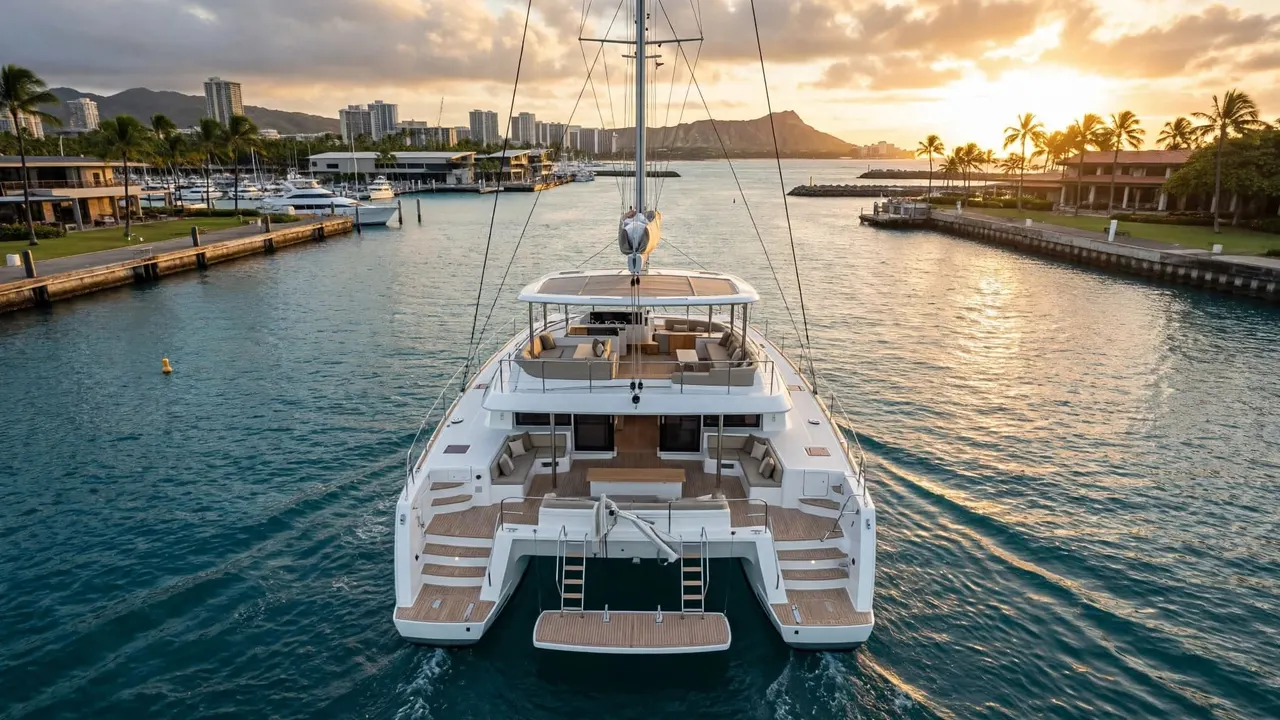
A great boat tour Waikiki experience gives you room to enjoy the view instead of worrying about where to stand, sit, or store your gear. The boat’s beam, meaning its width at the widest point, affects how comfortably you can move around once you leave the harbor.
Living Ocean Tours departs from Kewalo Basin Boat Harbor, close to Waikiki, with ocean outings for snorkelers, families, and couples. As Oahu’s top-rated and most reviewed sunset cruise company, it also stands apart as the only tour company with professional snorkel guides.
When you compare a boat tour Waikiki visitors can book, look beyond the deck photos. The width, seating plan, shade, and crew flow shape your time offshore.
Key Takeaways
- A boat’s beam influences available deck width, but the seating plan and passenger count determine how much room you will actually feel.
- Wider walkways, separated seating zones, and a clear swim platform make snorkeling days easier for families and first-time guests.
- A double-decker layout can give you open views and shade, although stairs and wet decks still require care.
- The right boat tour Waikiki choice depends on your plans. Snorkel trips need organized gear and water entry, while sunset and wildlife cruises need clear sightlines and comfortable seating.
- Ask about the assigned vessel, passenger capacity, restrooms, shade, storage, and accessibility before you reserve.
Boat Tour Waikiki: What Beam Tells You About Space
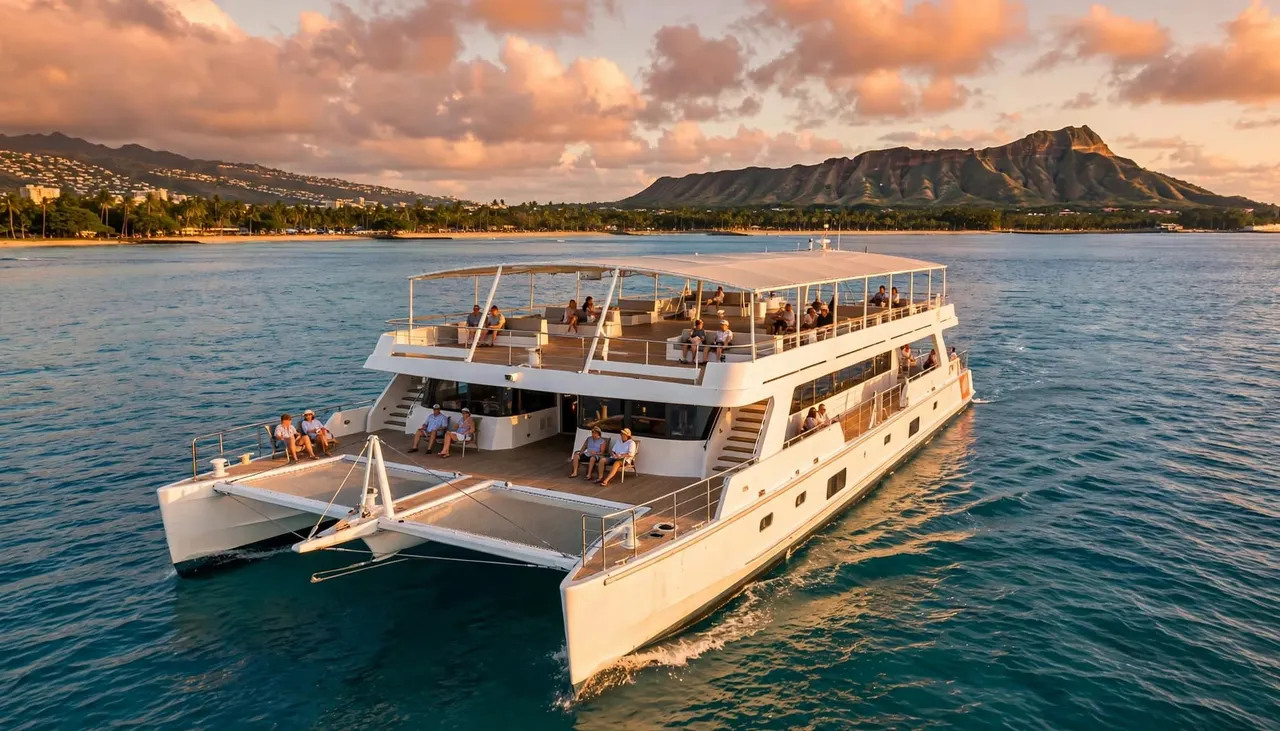
Beam is the measurement across a boat at its widest point. It matters because width gives designers more options for seating, walkways, railings, storage, and activity areas.
Still, beam alone doesn’t tell you whether a boat will feel roomy. A narrow boat with a modest passenger count may feel comfortable, while a wider boat can feel busy if every open area is packed with seats.
Usable deck space matters more than photos
When you look at tour images, notice whether people can pass each other without squeezing between chairs. Check if shaded seating sits apart from the main walking route.
On a snorkeling trip, you also need a place for bags, towels, masks, fins, and flotation gear. If those items spill into walkways, the deck feels smaller fast.
A wide deck can help create separate areas, but the operator’s layout decisions determine your actual comfort. Look for a clear path to the restroom, seating that doesn’t block the rail, and room to wait away from the swim ladder.
Space supports a calmer onboard routine
A well-planned deck gives your group a place to settle before departure. Children can sit with a parent, confident swimmers can prepare their gear, and anyone sensitive to motion can choose a lower, more central seat.
That space also helps the crew work safely. Deckhands need room to explain procedures, distribute gear, and guide guests around wet areas without rushing people past one another.
A broad deck feels most comfortable when it has clear zones for sitting, walking, storing gear, and entering the water.
Passenger Count Changes the Feel of the Cruise
Passenger capacity is a safety and staffing matter, yet it also affects your personal space. Two vessels with similar dimensions can feel completely different when one has more open seats per guest.
Federal passenger-vessel rules include staffing requirements. For example, 46 CFR Part 175 requires an additional deckhand when a vessel carries more than 50 passengers. That rule doesn’t measure comfort, so you should still ask how many people are expected on your departure.
Look past the maximum number
A maximum capacity is not always the number of guests you will have onboard. Ask the operator about the usual group size for your time and season.
You should also ask where people gather during the busiest moments. On a snorkel trip, that usually means the safety briefing, gear fitting, water entry, and return to the boat. On a sightseeing cruise, it can mean the moment everyone moves toward one side for Diamond Head, a whale, sunset colors, or fireworks.
A whale-watch example with clear details
Living Ocean Tours’ Waikiki whale watching tour lists a maximum of 49 passengers. Its double-decker boat includes a large open bow and wrap-around seating, which gives you more than one viewing option.
For any boat tour Waikiki travelers consider, ask whether the crew can suggest a comfortable seat after boarding. The bow often gives you a wide horizon, while seating closer to the center may feel steadier when the ocean has more movement.
Snorkel Cruises Need Room for Movement
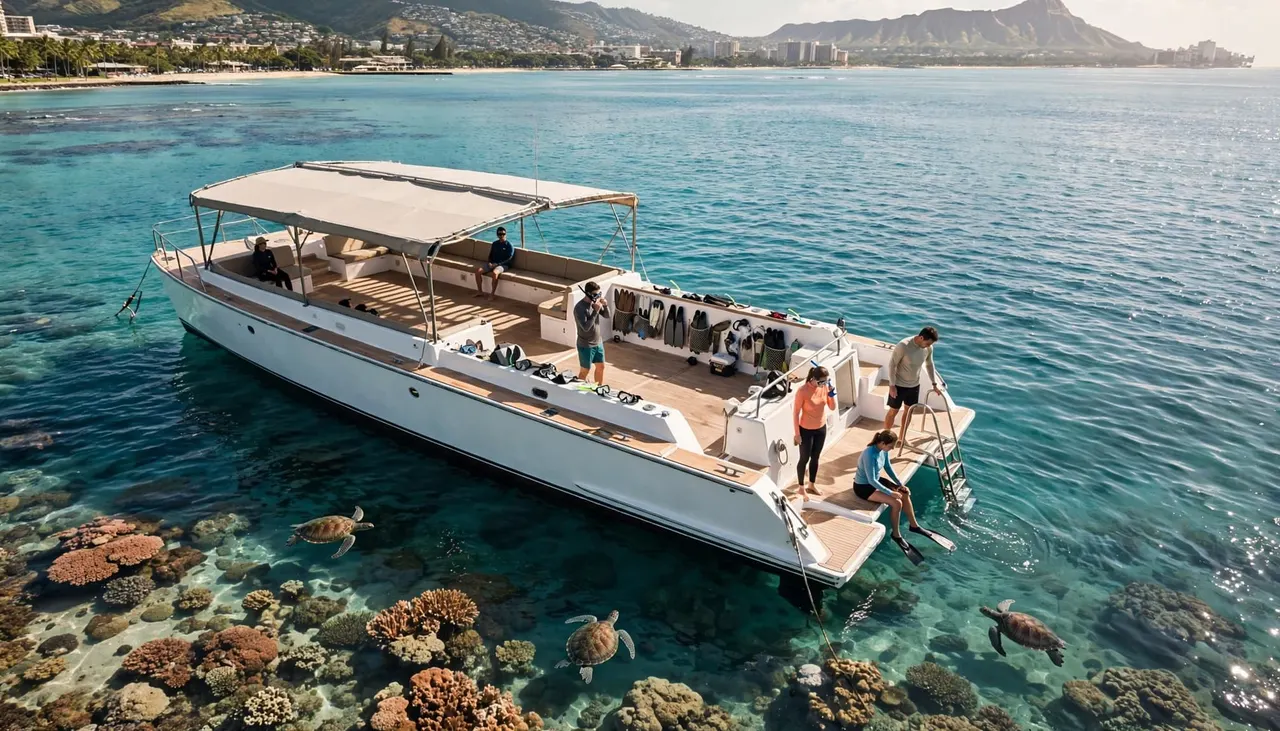
Snorkeling adds more moving parts than a sightseeing ride. You need a place to hear the briefing, get your gear fitted, enter the water, and climb back aboard after swimming.
A boat with practical deck zones lets you focus on the reef instead of balancing a mask, fins, towel, and dry bag in a crowded passageway.
Turtle Canyons benefits from an organized deck
The Turtle Canyon snorkeling tour lasts about two hours, has multiple daily departures, and welcomes guests ages 3 and older. You cruise along the Waikiki coast before snorkeling at Turtle Canyons.
Living Ocean Tours reports a 95% turtle-sighting success rate, although wild animals and ocean conditions always decide the day. Professional snorkel guides help you fit your equipment, understand the entry plan, and follow reef etiquette before you enter.
Keep your distance once you spot wildlife. NOAA Fisheries says you should never touch, chase, or feed sea turtles. Observing without contact protects the animals and gives everyone a better view.
CHECK AVAILABILITY for a guided Turtle Canyons outing.
Family activities need separate zones
The Deluxe Waikiki Snorkeling and Wildlife Cruise cruises toward Diamond Head before anchoring at a reef. It includes snorkeling plus a waterslide, trampoline, and floating lily pad.
Those activities are more enjoyable when swimmers, waiting guests, and people relaxing in the shade don’t need the same few feet of deck. A thoughtful layout gives your family space to take breaks, dry off, and return to the water at a comfortable pace.
CHECK AVAILABILITY for a family-focused Waikiki reef cruise.
Sightseeing Cruises Use Space Differently
You don’t need a swim platform for every ocean outing. However, seating, clear rails, and an easy route to the restroom still matter when you plan to stay dry.
Sunset cruising favors comfort and views
A Honolulu sunset cruise runs for 90 minutes along the Waikiki coast toward Diamond Head. Since you spend the full trip on deck, ask where shaded seats are located and whether you can move easily between the covered area and the rail.
Evening breezes can feel cool after a warm afternoon, so bring a light layer and keep it in dry storage until you need it.
CHECK AVAILABILITY for a Waikiki sunset on the water.
Whale watching calls for clear sightlines
Humpback season typically runs from January through March. Living Ocean Tours lists its whale-watch dates as January 2 through March 31, so check the current schedule before making plans.
Open bow space and wrap-around seating make it easier to scan different parts of the horizon. If you feel motion sick, tell a crew member early and ask for a seat closer to the vessel’s center.
CHECK AVAILABILITY for seasonal whale watching near Waikiki.
Fireworks viewing needs a safe path after dark
The Friday Night Waikiki Fireworks Cruise is a one-hour evening ride that departs at 7 p.m. A clear deck layout matters more after sunset, when wet steps and loose bags are harder to see.
Choose secure footwear, keep your belongings stored, and follow crew directions when guests move toward the best viewing side.
CHECK AVAILABILITY for Friday-night fireworks from the water.
Ask Better Questions Before You Book
A few direct questions will tell you more than a beautiful boat photo. Contact the operator before paying if you have children, mobility needs, motion concerns, or limited swimming experience.
Confirm the vessel and onboard features
Ask which boat is scheduled for your departure, then ask about seating, shade, dry storage, restrooms, and the route between decks. If you use a mobility scooter or need extra assistance, share its dimensions and whether you can transfer to a regular seat.
Boat accessibility differs by vessel and dock conditions. You should get the boarding and storage plan in writing before you reserve.
Ask how the boat handles movement
Beam is only one part of ride comfort. Hull form, weight distribution, speed, wind, swell, passenger movement, and the captain’s route all affect how a vessel moves.
The U.S. Coast Guard defines stability as a vessel’s tendency to remain upright or return upright after outside forces incline it. Review the Coast Guard’s stability definition, then ask practical questions about the boat you will actually board.
A stabilization system may reduce rolling motion, but it cannot make ocean swell disappear. Sit down when conditions change, use railings on wet steps, and let the crew guide you.
FAQ About Boat Beam and Waikiki Tours
Does a wider boat always feel more stable?
No single measurement can promise a smoother ride. A wider beam can give designers more room for deck zones and may contribute to a vessel’s overall design, but comfort depends on the whole boat and current sea conditions.
You should choose a tour with a qualified crew, clear passenger areas, and a vessel layout that fits your activity.
Where should you sit if you get seasick?
Many guests feel more comfortable near the center of the lower deck because that area may move less than the bow. Fresh air can help, but stay seated if the crew advises it.
Eat lightly before departure, drink water, and bring any doctor-approved motion-sickness medication. Tell a crew member as soon as you feel unwell.
Choose Space That Fits Your Day
The best boat tour Waikiki option gives you more than a scenic route. It gives you room to settle in, move safely, watch the water, and enjoy your chosen activity without feeling crowded.
For turtle snorkeling, family water play, sunset views, seasonal whales, and Friday fireworks, explore Waikiki snorkeling and wildlife cruises. Comfortable passenger space starts with the boat’s design, then comes alive through a crew that keeps every part of the deck organized.


