
Boat Tour Waikiki: Why Boats Use Fenders at the Dock
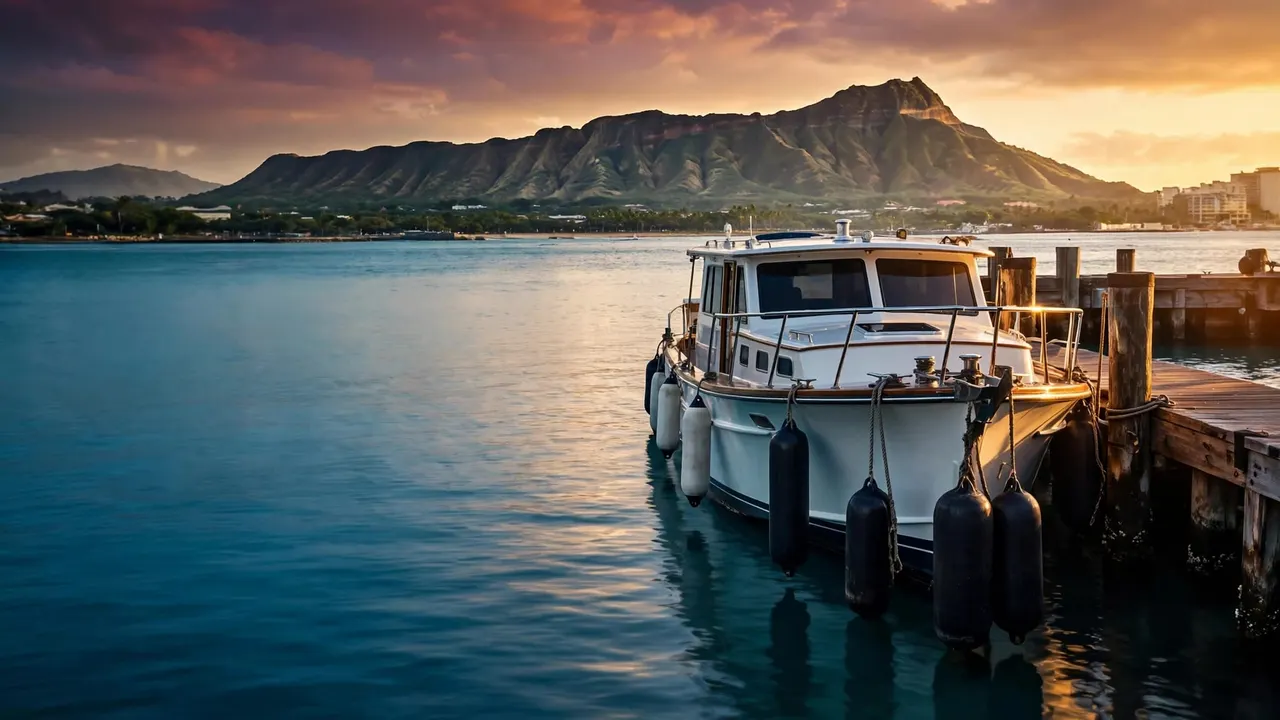
Before your boat tour Waikiki adventure begins, you may notice thick round or cylindrical cushions hanging along the vessel’s side. Those are boat fenders, and they do important work before you ever step aboard.
Living Ocean Tours welcomes you near Waikiki with guided ocean experiences built around comfort, clear crew support, and respect for Hawaii’s marine life. Fenders are part of the quiet dockside preparation that helps keep the boat, harbor, and boarding area protected.
Why Boats Use Fenders at the Dock
A boat doesn’t stay perfectly still once it reaches a dock. Wind, harbor wake, tide, and the movement of people onboard can shift the hull by a few inches. Fenders create a padded barrier between the boat and a hard dock, piling, or neighboring vessel.
Fenders prevent hard hull contact
Without fenders, even a gentle scrape can mark gelcoat, chip paint, or damage hardware along the side of a boat. A properly hung fender takes the first contact instead of the hull.
The fender compresses when the boat drifts toward the dock, then helps keep a protected gap between the two surfaces. That small buffer matters when a vessel is tied up for boarding, loading gear, or waiting for guests to return from an excursion.
BoatU.S. explains how fenders and dock lines help protect a boat, particularly when wakes create unexpected movement in a marina.
They also protect the dock
Fenders don’t only protect the boat. They reduce repeated impact against dock edges, pilings, and marina hardware. This helps preserve the boarding area that many vessels share throughout the day.
For you as a passenger, this protection supports a more orderly arrival and departure. The crew can focus on guiding guests, monitoring conditions, and preparing the boat instead of reacting to unnecessary bumps against the dock.
A fender is a cushion, not a brake. It reduces contact damage, while the captain and dock lines control the boat’s position.
Boat Tour Waikiki Fenders Work With Dock Lines
Fenders are only one part of docking. Lines hold the boat in place, while fenders protect the hull if the boat moves within that secured position.
Dock lines hold the vessel steady
A crew member secures lines from the boat to cleats or pilings on the dock. Bow lines, stern lines, and spring lines each help limit different types of movement.
The boat may still rise and fall slightly with tide or rock in harbor wake. That is normal. Fenders fill the space where the hull might otherwise touch the dock during those small movements.
If you see crew members checking a line after boarding begins, they are responding to changing conditions rather than performing a routine for show. A line can need adjustment as the boat’s weight changes or a passing vessel sends wake into the harbor.
Fenders need the right height
A fender only works when it sits where the contact is likely to happen. It should hang low enough to meet the dock, but not drag uselessly in the water.
Guidance from AER Docking Solutions on fender placement above the waterline recommends setting them so the fender, not the hull, makes first contact. The correct height can change with dock design, water level, boat shape, and the size of the fender.
On many recreational boats, fenders are placed near the bow, middle, and stern along the dockside hull. West Marine’s fender placement guidance describes this three-point approach for common dock situations.
Harbor Movement Can Change Quickly
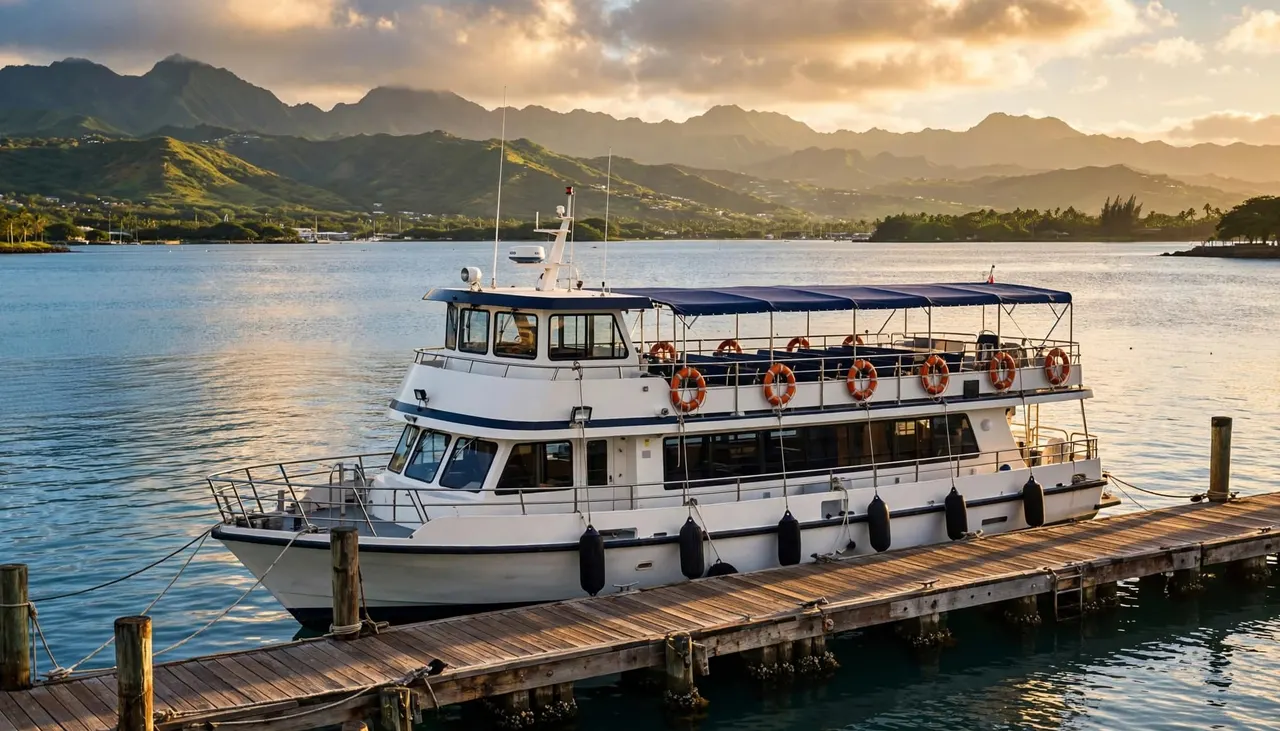
Waikiki can look calm from shore, but a working harbor has its own movement. Small waves may arrive from boat traffic, wind can press the hull toward the dock, and water levels change through the day.
Passing wakes can push a tied boat
A wake is the wave pattern left behind by a moving boat. Even a modest wake can travel into a harbor and make tied boats surge, sway, or lift against their lines.
Extra fenders help protect the hull when this happens, especially near the stern and midship areas where a dock may meet the boat. However, no number of fenders replaces attentive line handling.
Lippert’s overview of boat fenders and bumpers also stresses placing fenders where contact is most likely, just above the waterline.
Tide changes the boat-to-dock relationship
In Hawaii, tide changes are usually less dramatic than in some mainland harbors, but crews still account for changing water levels. A fender that sits correctly at one moment can become too high or too low later.
That is why you may see the crew re-tie a fender line before departure or after the boat returns. These quick adjustments help keep the fender between the hull and dock where it belongs.
What Fenders Mean for Your Boarding Experience
Fenders can look like simple black, white, or blue inflatable tubes. Yet they help create the protected dockside space you rely on when stepping between land and vessel.
Wait for the crew’s boarding direction
The crew chooses when to begin boarding because the boat may shift as passengers step onboard. Wait until you receive a clear signal, use the handrail if one is available, and keep your eyes on the step.
Wear sandals or shoes with grip for the walk through the harbor, then follow the crew’s footwear instructions. A secure swimsuit and a small bag that closes well also make boarding easier.
Avoid oversized hats, loose bags, and gear that can roll across a wet deck. You will move more comfortably when your hands are free and your belongings are stored safely.
Keep the boarding path clear
Fenders hang outside the boat, but the dock and deck still need your attention. Keep walkways open, don’t step over ropes, and give families with young children room to board at a steady pace.
If the boat moves while you are waiting, don’t jump across the gap. Let a crew member guide you. A few extra seconds at the dock are far better than a rushed step onto a moving vessel.
A Comfortable Start With Living Ocean Tours
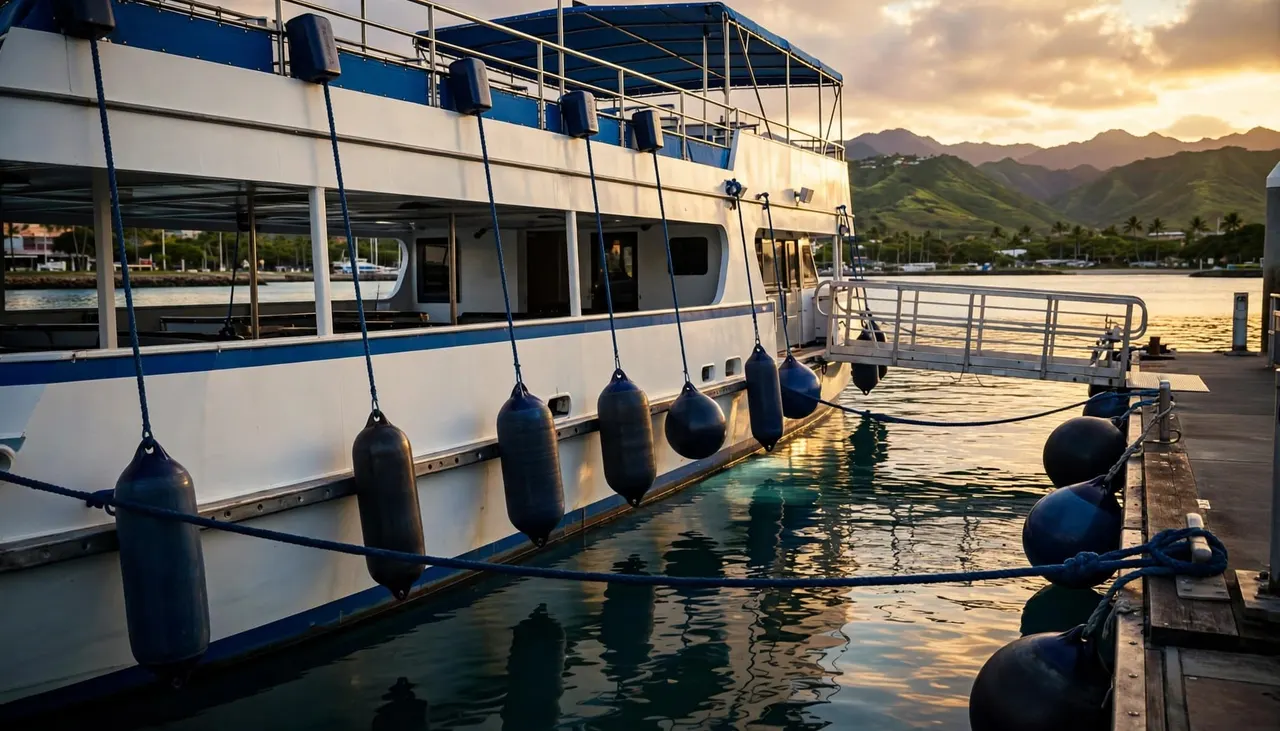
Living Ocean Tours operates from Kewalo Basin Boat Harbor, close to Waikiki. Its Coast Guard-inspected double-decker vessels offer shaded seating, onboard restrooms, dry storage, and sturdy ladders for water entry and exit.
The company is the only tour company with professional snorkel guides. That gives first-time snorkelers, families, and confident swimmers direct support with mask fit, fins, water entry, buoyancy, and reef etiquette.
Choose the trip that fits your day
You can browse Living Ocean Tours experiences for guided turtle snorkeling, family-friendly reef outings, sunset cruises, Friday-night fireworks, and seasonal whale watching.
For a turtle-focused snorkeling trip, the crew helps you prepare before entering the water and guides you around the reef with care. You can CHECK AVAILABILITY when a guided turtle snorkel is the right fit for your Waikiki plans.
Comfort supports better time on the water
The Coral Kai provides open-deck space for coastal views. The Lokahi adds a cash bar, a waterslide, and a SeaKeeper stabilization system that helps reduce boat roll.
Those vessel features do not replace safe conduct. You should still use railings, keep pathways open, secure loose belongings, and listen when the crew asks you to remain seated or shift to one side.
How You Can Help the Crew at the Dock
Safe boarding works best when everyone gives the crew room to work. You don’t need boating experience, but a few simple habits make a difference.
Arrive early and pack light
Living Ocean Tours lists Kewalo Basin Boat Harbor at 1125 Ala Moana Boulevard, Slip B-01, Honolulu, HI 96814. Check your booking email for the current check-in details and plan to arrive about 30 minutes early for parking and boarding.
Bring a water bottle if allowed, reef-safe sunscreen, sunglasses, a hat with a secure fit, and a light layer. Ocean breezes can feel cool after a sunny afternoon, especially once the boat is moving.
Follow instructions near ropes and ladders
Dock lines can be under tension, so never step on, lift, or move one unless a crew member directs you. Keep children close when crossing the dock, and don’t gather around the boarding gate.
Once offshore, respect the reef and wildlife. Watch Hawaiian green sea turtles without touching or chasing them, and never use coral as a handhold. Your care helps protect the same marine habitat you came to enjoy.
Fenders Cannot Fix Poor Mooring
Fenders are highly useful, but they have limits. They cannot make an improperly tied boat safe, stop severe weather, or replace a captain’s judgment.
Proper mooring always comes first
A boat needs secure lines, suitable cleats or pilings, and regular attention from its crew. Fenders work after those basics are in place.
BoatU.S. explains why fenders cannot replace proper mooring in severe weather. The same principle applies on an ordinary harbor day: protective equipment works best as part of a complete docking plan.
Crew checks are a good sign
You may see a captain or deckhand pause to inspect a line, adjust a fender, or delay boarding briefly. That attention helps protect guests and equipment.
A responsible crew will also change plans when wind, swell, visibility, or harbor traffic calls for it. You can enjoy the ride more when you let the people operating the boat make those decisions.
Frequently Asked Questions
Do boat fenders stay out while the boat is moving?
Usually, crew members bring fenders aboard after leaving the dock and deploy them again before returning. Hanging fenders are most useful during docking, rafting alongside another boat, or tying up at a pier.
Can a fender keep a boat from drifting away?
No. Dock lines secure the boat. A fender cushions contact between the hull and dock when the secured boat moves slightly because of wind, tide, or wake.
Why should you avoid stepping over dock lines?
Dock lines may tighten or shift as the boat moves. Stepping over them can cause a trip or put you too close to a line under tension. Walk around them and follow the crew’s direction.
The Small Details Protect the Big Day
Fenders may be one of the least glamorous parts of a boat tour Waikiki visitors notice, but they protect the hull, dock, and boarding area before the adventure begins.
When you arrive prepared, follow crew direction, and give marine life space, you can focus on the salt air, Waikiki coastline, and the time you came to spend on the water.


