
Boat Tour Waikiki: Port and Starboard Made Simple
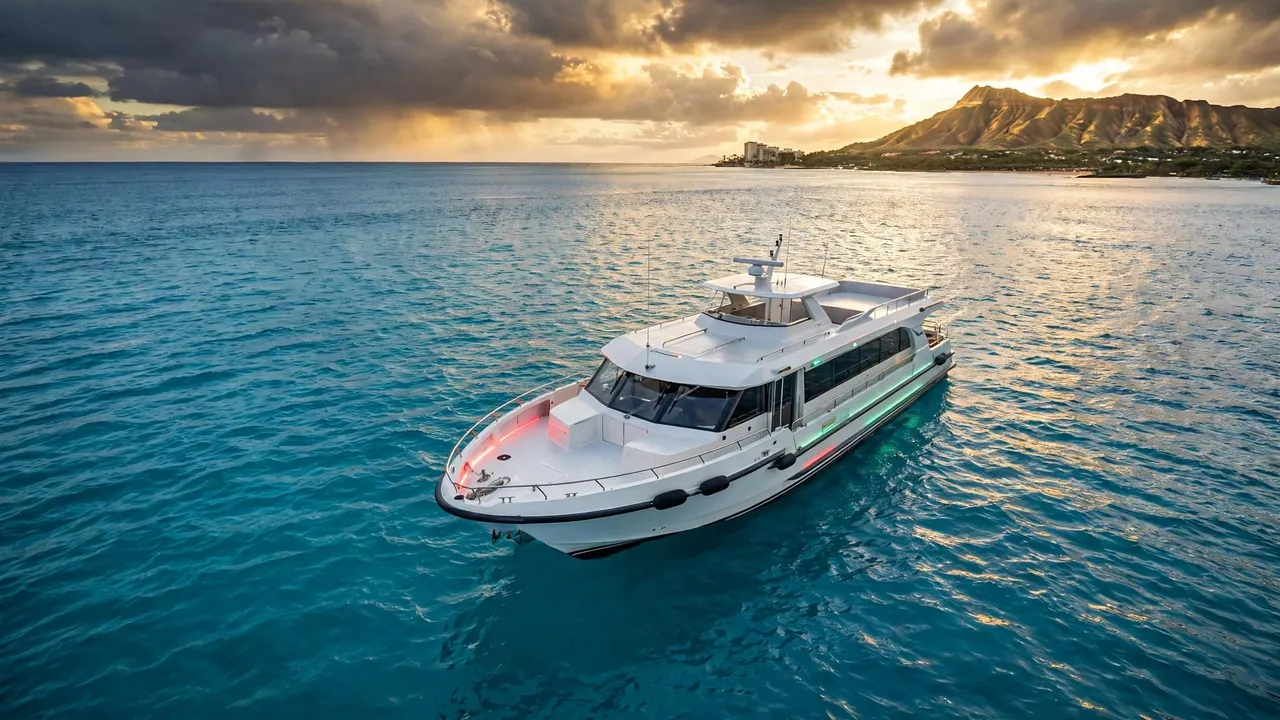
Living Ocean Tours welcomes you aboard close to Waikiki for a day that feels easy, even if boat language sounds unfamiliar. On a boat tour Waikiki visitors often hear “port side” or “starboard side” when the crew spots turtles, points out Diamond Head, or guides guests around the deck.
These words aren’t nautical trivia. They help you move safely, find the best view, and follow crew directions without hesitation. Once you know four basic terms, the ocean feels far more familiar.
Port and Starboard on a Boat Tour Waikiki
Every boat has a front, a back, and two sides. The important detail is that these names stay the same, even when the boat turns. That shared reference keeps directions clear for the captain, deckhands, and passengers.
Face the bow to find each side
The bow is the front of the boat. The stern is the back. Stand facing the bow, and your left side is port. Your right side is starboard.
It stays that simple. If the boat turns toward Diamond Head, port remains port. If it heads back toward Kewalo Basin Boat Harbor, starboard remains starboard.
| Boat term | What it means | Easy way to remember |
|---|---|---|
| Bow | Front of the boat | Where the boat moves forward |
| Stern | Back of the boat | Where you may find the swim ladder |
| Port | Left side facing forward | Port and left both have four letters |
| Starboard | Right side facing forward | The opposite side from port |
Red means port, green means starboard
At night, boats use colored navigation lights to show other vessels which direction they are traveling. A red sidelight marks port, while a green sidelight marks starboard, as explained in the U.S. Coast Guard Navigation Rules.
You don’t need to memorize lighting rules before a cruise. Still, knowing the red-and-green system makes sunset and fireworks cruises more interesting. Those lights help captains read boat traffic after dark.
Port and starboard refer to the vessel’s fixed sides, not the shore, the sunset, or the direction you happen to face.
Why Fixed Boat Sides Matter Offshore
A captain can’t safely rely on phrases such as “the left side over there.” Guests may be facing different directions. Some may sit on the upper deck, while others stand near the stern or prepare to snorkel.
Port and starboard give everyone one reliable frame of reference.
Listen for short crew instructions
During a Waikiki cruise, you may hear a deckhand say, “Please remain on the starboard side,” or, “The turtles are off port.” Those directions keep foot traffic organized and help guests share a sighting without gathering at one rail.
If you aren’t sure where to move, ask before stepping across the deck. A crew member can point you in the right direction and suggest a stable place to watch.
The captain and crew manage speed, course, swell, other boats, and changing conditions. Your job is simpler: stay aware, keep walkways clear, and follow directions the first time.
Shore landmarks can change position
Diamond Head, the Waikiki skyline, and the harbor entrance can appear on either side as your route changes. That is why landmarks aren’t a substitute for port and starboard.
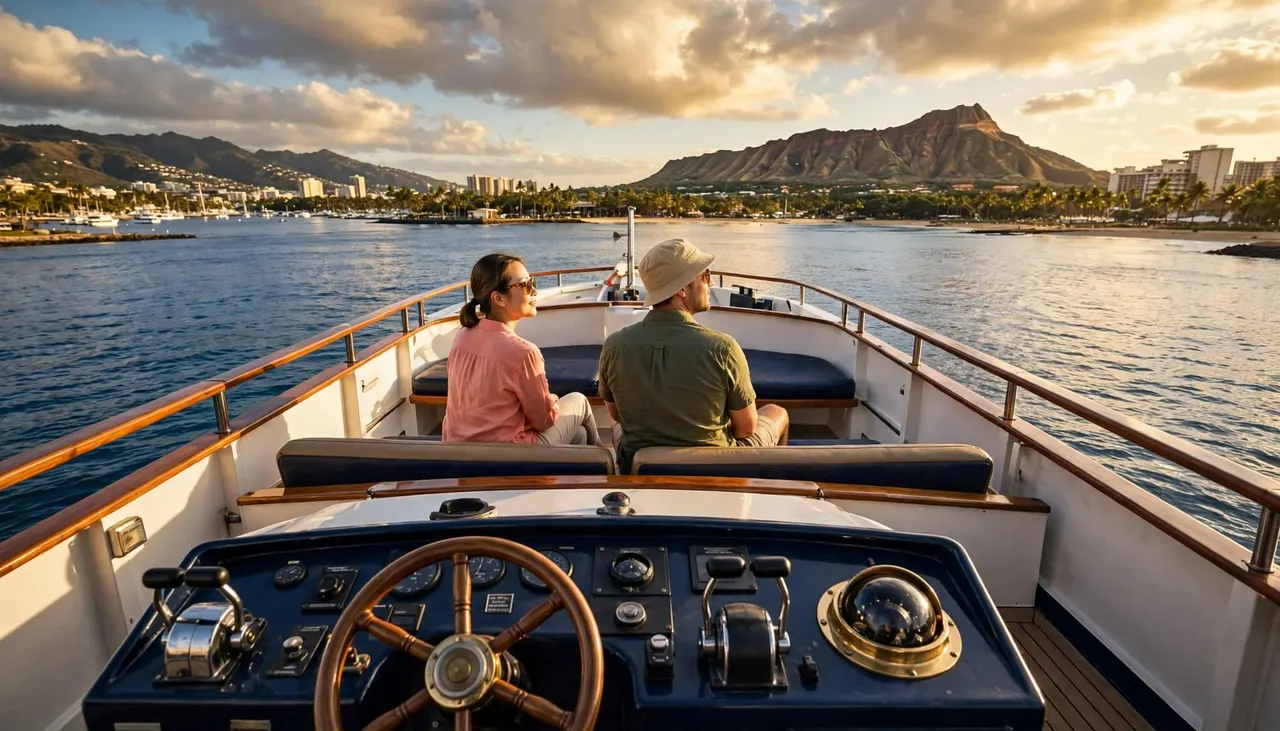
For example, Diamond Head may sit off the port side when your boat heads east. On the return trip, it could be on starboard. The boat’s sides never change, but the view does.
Where You Feel Most Comfortable on the Water
Ocean motion is part of every boat tour. Still, your seat choice and the crew’s decisions can make a real difference, especially if you are new to boating or prone to motion sickness.
The middle of the boat often moves less
The bow can rise and fall more sharply when the boat meets a swell. By contrast, the stern may feel more movement when the captain accelerates or changes course. Many guests feel most comfortable closer to the middle of the vessel, where motion is often less pronounced.
Tell a deckhand if you feel uneasy. They can suggest a seat, offer practical guidance, and let the captain know when conditions affect guest comfort.
Eat a light meal before departure, drink water, and keep your eyes on the horizon when possible. You should also stay seated when the crew asks, because sudden movement across a wet deck can throw off your balance.
Stabilizers and trim support a steadier ride
A skilled captain adjusts speed, heading, and boat trim to match the ocean. Trim tabs are plates near the stern that can help correct a side-to-side list or reduce excessive bow rise.
On the Lokahi, Living Ocean Tours also uses a SeaKeeper vessel stabilization system to reduce rolling motion. The Pacific never becomes motionless, yet a steadier platform makes it easier to walk carefully, take photos, and prepare for the water.
A proper life jacket also matters. The Coast Guard’s federal boating requirements guide explains why approved personal flotation devices are central to safe boating. Wear yours as directed, especially during water activities.
Port and Starboard During Snorkeling and Wildlife Viewing
Directional terms become especially useful when a crew spots wildlife. Rather than having guests rush around the boat, a deckhand can direct everyone toward the correct rail or ask a group to remain seated.
Watch sea turtles without crowding them
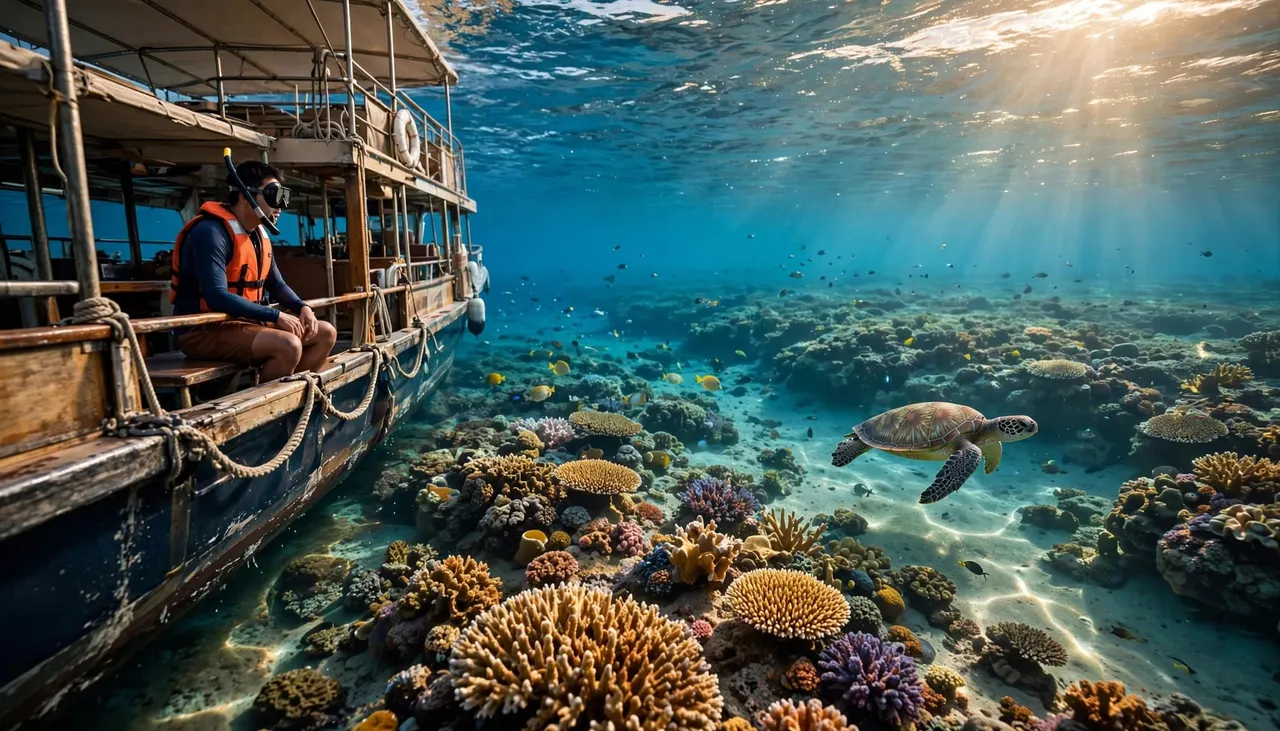
At Turtle Canyons, Hawaiian green sea turtles may surface near the boat or glide below swimmers. If the crew calls out a turtle on the port side, move only if they invite you to do so. Give families space, keep your footing, and avoid leaning too far over the rail.
Once you are in the water, the same patience matters. NOAA recommends staying at least 10 feet away from sea turtles, both in the water and on shore. Review NOAA’s Hawai’i marine wildlife viewing guidance before your trip.
Never touch, chase, feed, surround, or block a turtle. A distant encounter is still a memorable one, and it protects the animal’s ability to rest, feed, and move naturally.
Use the swim step as directed
The stern is often where you enter and exit the water. On a snorkel outing, wait until a deckhand calls your group forward. Keep masks, fins, and towels out of the walking path until it is your turn.
When you return, approach the ladder calmly and follow the deckhand’s instructions. Tired legs and moving water can make a ladder feel more challenging than expected. Heavy-duty ladders, fitted gear, and an attentive crew help you get back aboard with confidence.
Keep your fins clear of coral. Float horizontally, use gentle kicks, and never stand on the reef. The reef is alive, and your care helps protect the habitat that makes Waikiki snorkeling so special.
How to Respond When the Crew Gives Directions
Clear directions matter most when the boat is moving, weather changes, or guests are preparing to board. You don’t need to know every maritime command. You only need to stay calm and act promptly.
Keep rails, stairs, and walkways open
Move with intention, not in a rush. Hold a handrail where available, particularly on stairs between decks. Secure loose hats, bags, and water bottles when the crew requests it.
Parents should keep children nearby without blocking an aisle or crowding the rail. If waves pick up, the captain may ask everyone to sit down or relocate to a different area of the boat.
You can help by avoiding sudden trips from port to starboard. Groups shifting at once can affect comfort and make it harder for deckhands to move safely.
During an urgent situation, follow the captain
If the captain or deckhand gives a safety instruction, stop what you are doing and listen. Remain seated or stand where the crew directs. Don’t request an immediate stop for snorkeling or press for an early return while the captain is managing conditions.
Harbor entrances can become hazardous during unusual events because strong currents can move quickly through narrow channels. The crew watches conditions you may not see from the deck, including swell direction, boat traffic, wind, and changing weather.
After sunset, dim your phone screen and avoid flash photography near the helm. Bright light can interfere with night vision and distract guests walking on wet decks.
Sail With Living Ocean Tours Near Waikiki
Living Ocean Tours operates Coast Guard-inspected, custom-built double-decker vessels from Kewalo Basin Boat Harbor, minutes from Waikiki Beach. You can choose Honolulu ocean tours for guided snorkeling, wildlife viewing, sunset time on the water, seasonal whale watching, and Friday-night fireworks.
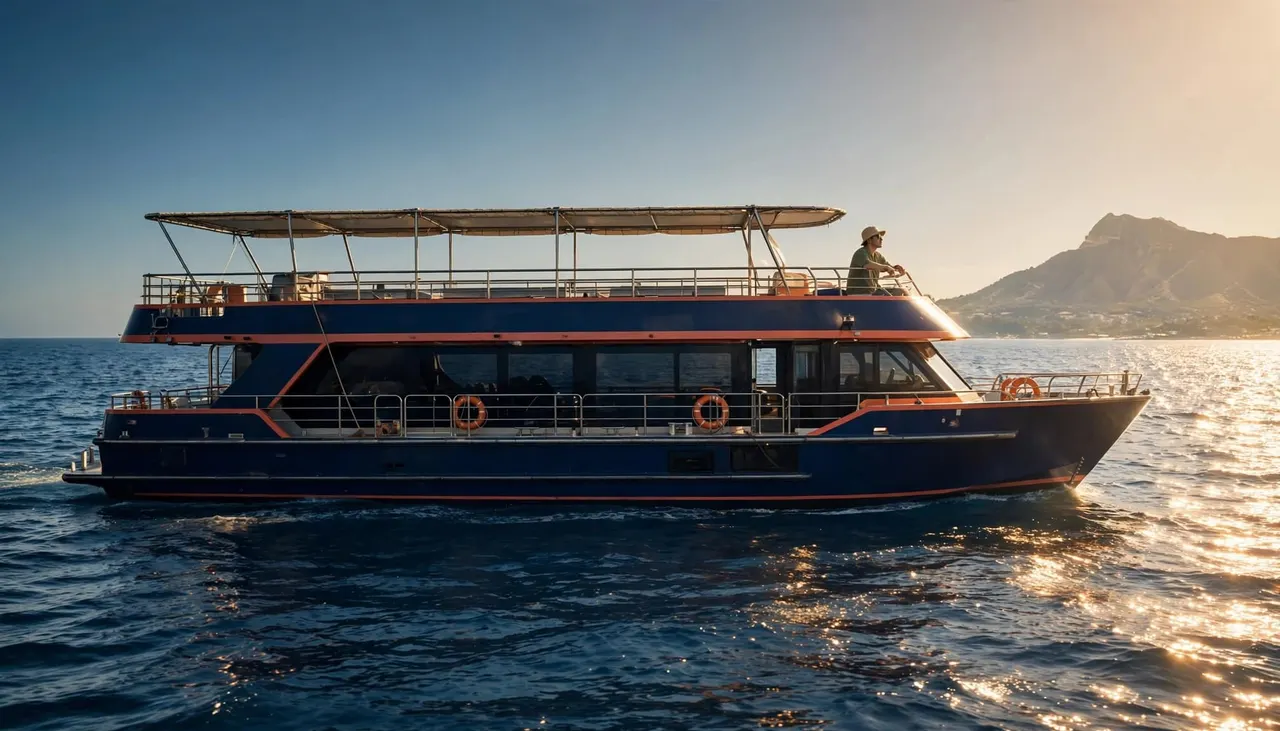
The Coral Kai provides open-deck space for sunny Waikiki views. The Lokahi adds shaded seating, onboard restrooms, dry storage, a cash bar, and SeaKeeper stabilization. Both boats have sturdy ladders that support safe water entry and exit.
Living Ocean Tours is the only tour company with professional snorkel guides. That gives first-time snorkelers and water-loving families direct help with mask fit, fins, buoyancy, reef etiquette, and safe entry before they reach the water.
For a focused turtle experience, you can book a Turtle Canyons snorkel outing and CHECK AVAILABILITY before your preferred departure fills.
A Quick Pre-Departure Routine
A little preparation lets you focus on the water instead of searching through your bag after departure.
Pack for sun, spray, and movement
Wear reef-safe sunscreen before boarding, and bring a hat, sunglasses, drinking water, and a light layer for the ride back. Use a dry pouch for your phone, cards, and keys.
For snorkeling, listen as your guide checks your mask and fin fit. A leaking mask or loose fin can make your first minutes in the ocean frustrating. Speak up before you enter the water, because small adjustments on the boat are easier than fixing gear offshore.
Choose a respectful ocean mindset
Your boat tour Waikiki experience becomes better when wildlife gets room to behave naturally. Keep a respectful distance, follow the guide’s route, and leave shells, coral, and marine life where they belong.
The BoatUS rules of the road guide offers a useful look at how captains read lights and vessel movement. You don’t have to captain the boat, but understanding the basics helps you appreciate the work happening at the helm.
Your Waikiki Boat Tour Starts With Simple Directions
Port and starboard give you a shared language for enjoying the water safely. Face the bow, remember port is left and starboard is right, then let the crew handle the details.
On your next boat tour Waikiki, stay aware of your footing, respect the reef and wildlife, and listen for clear crew guidance. Those small habits leave more room for the views, the ocean air, and the moments you came to Oahu to experience.


