
Boat Tour Waikiki: Prescription Medication Safety Onboard
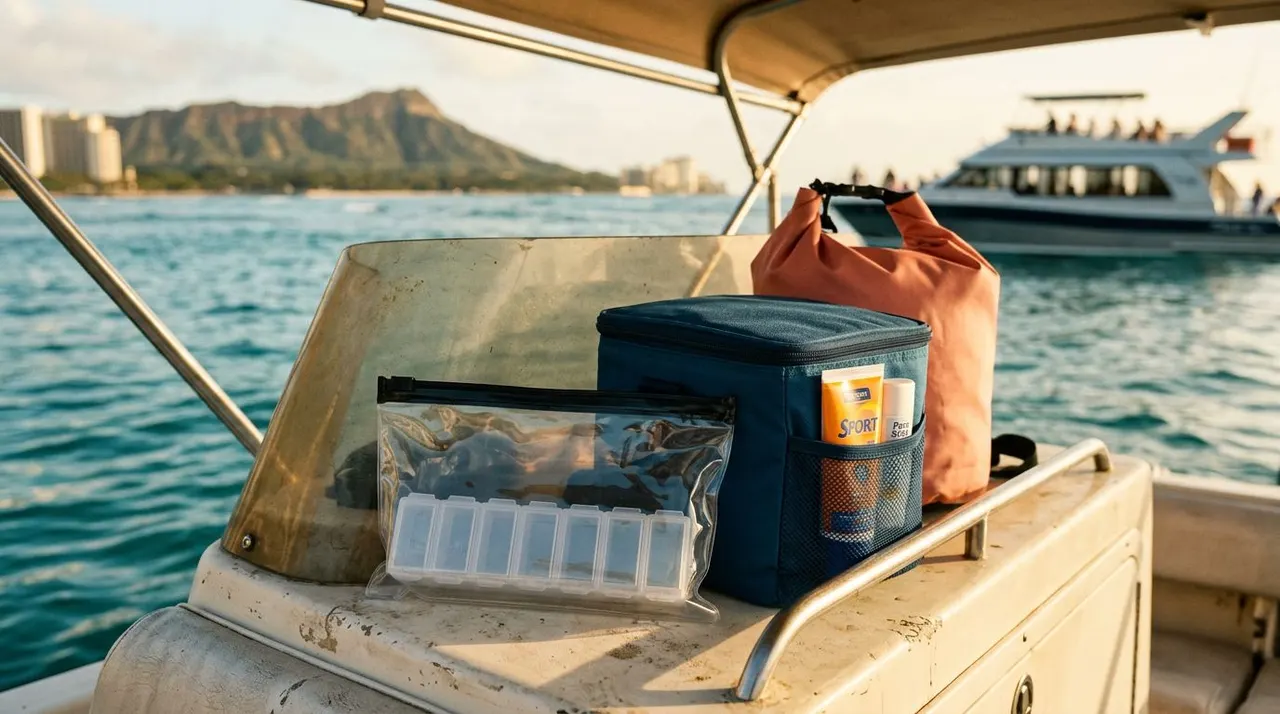
Planning a boat tour Waikiki visitors choose for snorkeling or sunset views? Your prescription medication deserves the same attention as sunscreen and swimwear.
A short ride can still involve heat, salt spray, changing balance, and limited access to a pharmacy. Pack essential doses where you can reach them, protect them from Hawaii’s heat, and tell the crew about anything that affects boarding or time in the water. The right plan keeps your attention on the Pacific instead of a loose pill bottle at the bottom of a wet bag.
What to Know Before a boat tour Waikiki Departure
Your boat tour Waikiki plan should start with medication access before you reach the dock. A few minutes of preparation can prevent missed doses, damaged prescriptions, or unexpected problems during the excursion.
Open-water conditions change your routine
A Waikiki boat tour may include a ride across open water, a snorkeling stop, time on an exposed deck, or movement between levels. Sun, humidity, spray, and boat motion can affect both you and your medication.
Keep essential prescriptions in a small waterproof pouch inside your personal bag. You should be able to reach that bag without opening a storage compartment or asking another passenger to move gear. Avoid placing medication under towels, inside checked luggage, or in a beach bag that could sit in direct sunlight.
Some medicines also affect balance, alertness, blood pressure, or hydration. If your prescription has any of those effects, mention it to your prescriber and the tour operator before departure.
Keep time-sensitive prescriptions with you
If you take medicine at a strict time, set an alarm before boarding. Keep the dose accessible throughout the trip, especially if the tour includes snorkeling or a longer ride.
Bring enough medication for the excursion plus a small backup supply in case a dose is lost or damaged. A photo of the prescription label, your pharmacy’s phone number, and your prescriber’s contact information can help if you need advice while traveling.
A time-sensitive prescription belongs in your personal dry pouch, not in a shared gear bag or a vehicle parked in the sun.
Never double a missed dose unless your prescriber or pharmacist tells you to do so. If vomiting prevents you from keeping medicine down, contact a medical professional for instructions and notify the crew.
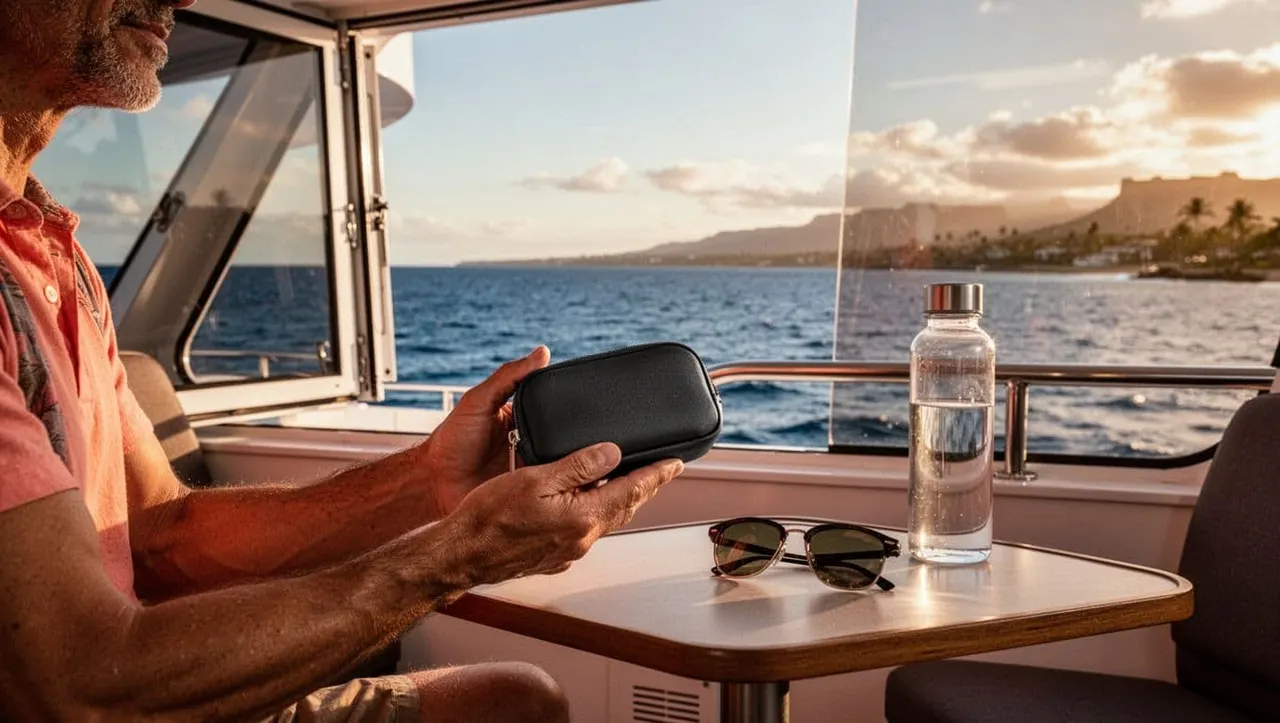
Pack Prescription Medication for a Waikiki Boat Tour
Your prescription should remain identifiable, dry, and stored according to its label. Those basics matter more than the size of the boat or the length of the itinerary.
Use the original labeled container
Keep prescription medicine in its original pharmacy container whenever possible. The label identifies the medication, dose, patient, and instructions if you need help. Loose pills in an unmarked plastic bag can create confusion during an emergency.
You can also bring a current medication list. Include prescription drugs, over-the-counter products, allergies, and important medical conditions. Store a digital copy on your phone, but carry a paper copy if your phone could get wet or lose power.
MedlinePlus medicine storage guidance also advises keeping medicine in its original container and avoiding places that become excessively hot, such as a vehicle glove compartment.
Protect medicine from heat and water
A sunny boat deck can become much warmer than the surrounding air. Do not leave medication on a seat, in an open backpack, or beside a window. Salt water can damage packaging and labels even when the pills remain inside.
Follow the storage instructions printed on the bottle or package. If the medicine requires refrigeration, ask your pharmacist how to transport it during the tour. An insulated container with an appropriate cold pack may work, but medicine should not sit directly against frozen material unless the product instructions allow it.
Insulin, biologic medicines, liquid prescriptions, and some injectable treatments need extra planning. Ask your pharmacist how long your specific medicine can remain outside its normal storage range. Never guess after the medication has been exposed to heat.
Keep medications in a dry pouch inside a shaded personal bag. A cooler used for food may not provide the correct temperature, and ice melt can soak the packaging.
Plan Motion Sickness Medication Before Boarding
Motion sickness medicine works best as prevention. Waiting until you feel sick can make it harder to keep a tablet down or move safely around the boat.
Test the medicine before your trip
The CDC Yellow Book motion sickness guidance recommends considering a trial dose before departure because side effects differ between travelers. Ask your clinician or pharmacist which option fits your health history and itinerary.
Common options include meclizine and dimenhydrinate for shorter exposure. A scopolamine patch is another prescription option for some travelers, particularly when exposure lasts longer. Each medicine has different timing and side effects, so follow professional instructions rather than copying someone else’s routine.
A trial at home can show whether the medication causes drowsiness, blurred vision, dry mouth, or other unwanted effects. Parents should get age-specific advice before giving motion sickness medicine to a child. Never share your prescription with another passenger.
Account for drowsiness and reduced balance
Sedating medicine can affect your ability to climb steps, use a ladder, follow water-entry instructions, or respond quickly to the crew. Avoid alcohol and do not combine sedating products unless your clinician or pharmacist has reviewed the combination.
Tell the crew if a medicine could make you sleepy or unsteady. You may need to remain in a shaded seat, limit movement between decks, or skip swimming for the day. Looking toward the horizon, drinking water, and choosing a seat with less movement may also help, but these steps do not replace medical advice.
If you take other medicines that cause drowsiness, ask about possible overlap before adding an over-the-counter motion sickness product. The same caution applies to sleeping aids, antihistamines, and some anxiety medicines.
Tell the Operator What You May Need
You don’t need to share your complete medical history with every passenger. However, the check-in team and crew need practical information that could affect your safety.
Ask questions at check-in
Before the boat leaves, ask where you can keep an essential prescription dry and accessible. Confirm whether the boat has shaded seating, restrooms, and a clear process for contacting the crew during the ride.
You should also ask about boarding steps, upper-deck access, snorkeling ladders, and the expected time on the water. These details help you decide whether to bring a support person or remain aboard during a water activity.
Tour crews aren’t a substitute for your doctor or pharmacist. They may be able to help with communication, first aid, and emergency procedures, but they generally can’t choose your dose or change your prescription instructions.
Plan for snorkeling and water entry
If you carry an emergency medicine, such as an epinephrine auto-injector or rescue inhaler, ask how to keep it accessible without exposing it to heat or water. Don’t leave it buried under snorkel gear.
Tell the crew before entering the water if you feel dizzy, unusually sleepy, short of breath, or unwell. You can stay aboard while others snorkel. A memorable ocean trip doesn’t require you to ignore symptoms.
The U.S. Coast Guard’s life jacket guidance emphasizes that you should be able to put on an approved wearable PFD in a reasonable amount of time during an emergency. Listen to the crew’s instructions, keep walkways clear, and use handrails when moving around the boat.
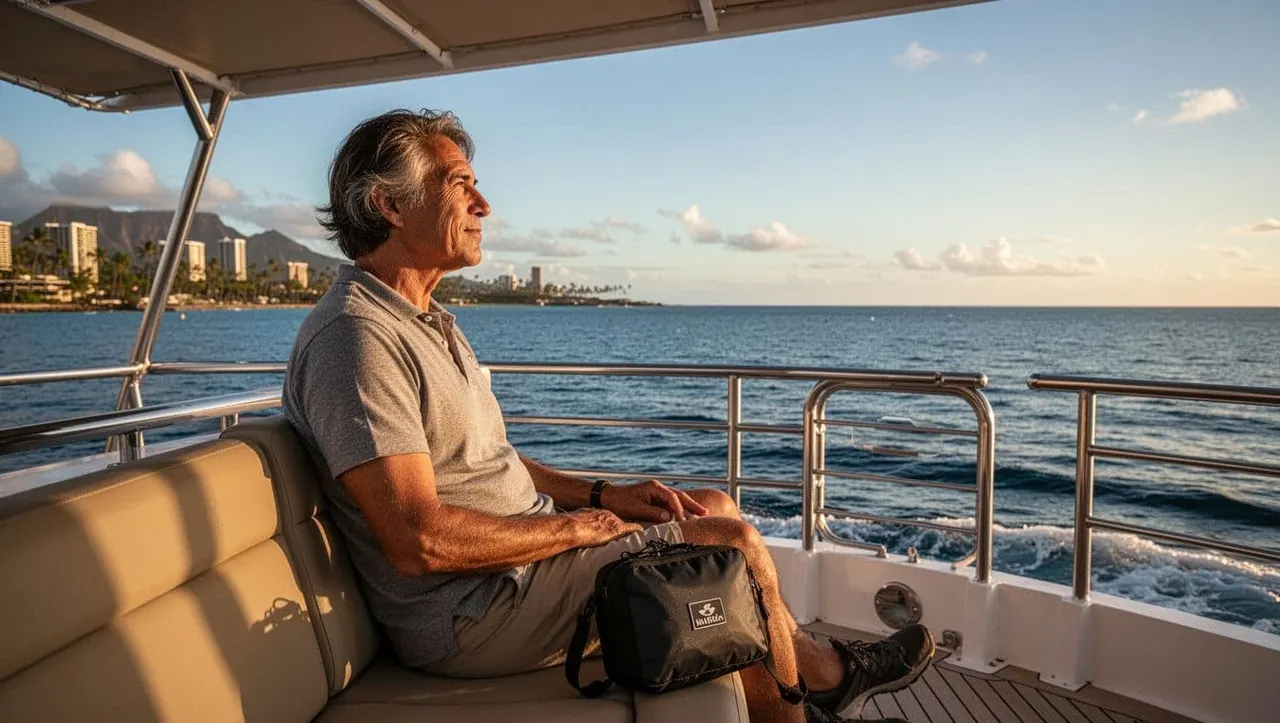
Why Living Ocean Tours Fits Practical Planning
Living Ocean Tours departs from Kewalo Basin Boat Harbor, only minutes from Waikiki Beach in Honolulu. The company offers guided snorkeling, wildlife cruises, sunset cruises, Friday night fireworks cruises, seasonal whale watching, and private charters along the Waikiki coastline.
The fleet includes the Coast Guard-inspected Coral Kai and Lokahi. Both boats provide shaded seating, onboard restrooms, dry storage, and heavy-duty ladders for water entry. The Lokahi also has a SeaKeeper stabilization system that can make the ride steadier, although no boat can remove every effect of ocean movement.
Living Ocean Tours is the only tour company with professional snorkel guides. That matters when you need clear guidance about boarding, water entry, staying hydrated, or remaining aboard if medication side effects appear.
You can review the current Living Ocean Tours lineup and choose an itinerary that matches your comfort level. A snorkeling trip may suit you if you feel well and can move safely. A sunset or sightseeing cruise may be a better fit if swimming is uncertain.
The company’s guides also ask guests to observe marine life without touching it. That approach protects Hawaiian green sea turtles, coral reefs, and the wider ocean environment while giving you a relaxed way to enjoy the coast.
When your medication plan is ready and you know which activity fits your needs, you can check current tour availability.
Your Pre-Boarding Medication Checklist
Use this short list before leaving your hotel:
- Keep each prescription in its original labeled container and place it in a waterproof personal pouch.
- Check the label for heat, light, moisture, and refrigeration requirements.
- Ask your pharmacist about transporting temperature-sensitive medicine during an ocean excursion.
- Test any motion sickness medicine at home before taking it on the boat.
- Set alarms for time-sensitive doses and bring a small backup supply.
- Tell the crew about medicine that may affect alertness, balance, breathing, allergies, or water activity.
- Carry emergency contacts and a current medication list in a dry location.
Enjoy Your Waikiki Boat Trip With a Clear Plan
Prescription medication shouldn’t keep you from enjoying Waikiki’s coastline. It does require thoughtful packing, temperature control, advance motion sickness planning, and honest communication with the crew.
Keep essential medicine close, follow professional instructions, and choose activities that match how you feel that day. With those steps handled before boarding, you can focus on clear water, open horizons, and a comfortable Pacific adventure.


