
Boat Tour Waikiki: 7 Questions to Ask Before Booking
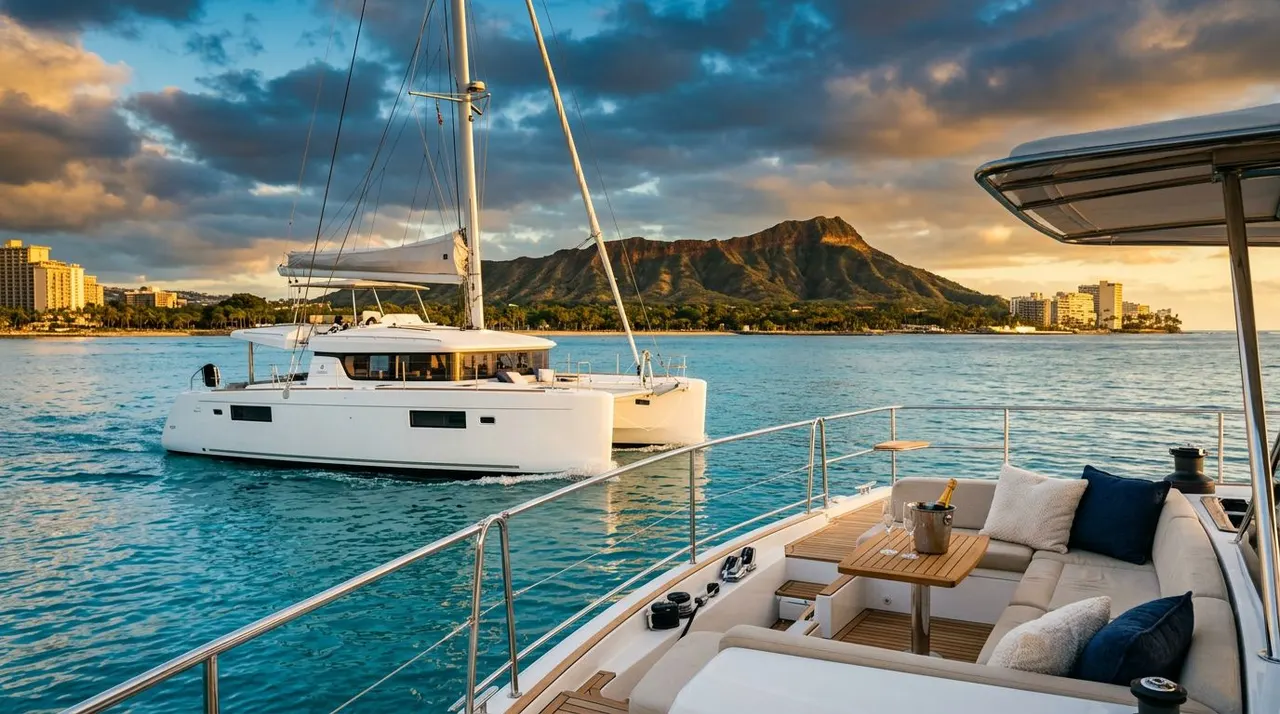
Your ocean day can begin with calm water, helpful guides, and a view of Diamond Head, or with a rushed check-in and an uncomfortable boat. The questions you ask before booking often decide which experience you get.
When you search for a boat tour Waikiki families can enjoy, look beyond the photos. Check the departure point, wildlife practices, crew experience, boat amenities, weather policy, and what your price includes. These seven questions will help you choose with confidence.
How to choose a boat tour Waikiki visitors can enjoy
A boat tour should fit your schedule, comfort level, and reason for going on the water. A couple looking for sunset views needs a different itinerary than a family hoping to snorkel with sea turtles.
Match the outing to your plans
Start by deciding what you want to remember. Do you want to swim above a coral reef, watch marine life from the deck, see the coastline at sunset, or combine snorkeling with water activities?
A shorter snorkeling trip may suit you if you have other plans in Honolulu. A longer cruise may offer more time to relax, sightsee, and enjoy the boat. Families should also check age guidelines, water access, and shaded seating before reserving.
Look at the operator, not only the itinerary
A reliable operator explains where you board, what you bring, how the crew handles changing conditions, and which activities are included. Living Ocean Tours operates from Kewalo Basin Boat Harbor, just minutes from Waikiki Beach.
You can compare Waikiki snorkeling and boat tours before choosing the trip that best matches your day.
1. Where exactly does the boat leave?
The departure location affects your entire morning or afternoon. Ask for the harbor name, check-in area, arrival time, and estimated travel time from your hotel.
Confirm the harbor and check-in details
Living Ocean Tours leaves from Kewalo Basin Boat Harbor in Honolulu. The harbor is close to Waikiki, but you still need enough time to reach the correct pier and complete check-in.
Ask whether you need to arrive 15, 30, or 45 minutes before departure. Confirm the meeting point in writing, especially if you have a rental car, a rideshare reservation, or children in your group.
You should also ask what happens if you arrive late. Boats follow departure schedules, and a crew may not be able to hold the vessel for guests who miss check-in.
Check what you need to bring
Most operators provide key equipment for snorkeling, but you should confirm the details. Ask whether masks, snorkels, fins, flotation gear, and towels are included. Also find out whether you should bring reef-safe sunscreen, a swimsuit, a change of clothes, medication, or cash.
Kewalo Basin is a working harbor, so wear footwear that you can walk in comfortably. Keep your booking confirmation accessible on your phone, but protect it from water during the trip.
2. What will you actually do once you’re aboard?
A boat tour can mean snorkeling, coastal sightseeing, wildlife viewing, swimming, or an evening cruise. Read the full itinerary instead of relying on a broad title.
Separate snorkeling from sightseeing
If you want to enter the water, confirm how much time the boat spends at the snorkel location. Ask whether the crew provides an orientation and whether beginners can receive one-on-one help.
Some guests want to spend most of the trip swimming. Others prefer to stay on deck and enjoy the scenery. A good operator should explain how the itinerary balances both interests.
Living Ocean Tours offers guided snorkeling at Turtle Canyons, along with wildlife cruises and scenic outings. Its crew provides equipment and instructions, so you don’t need previous snorkeling experience to participate.
Ask about the route and pace
The Waikiki coastline looks different from the water. You may see Diamond Head, the shoreline, coral reef areas, and changing views of Honolulu. However, the route can depend on conditions, wildlife activity, and the purpose of your booking.
Ask whether the tour visits one location or several. Find out if the boat returns directly to the harbor or spends time cruising after the water activity. These details help you plan meals, transportation, and afternoon reservations.
A well-written itinerary should tell you what is planned without promising wildlife behavior that no crew can control.
3. How does the operator handle marine life?
Wildlife encounters should be exciting without putting animals under pressure. Before booking, ask how the crew approaches turtles, whales, dolphins, and reef fish.
Check the viewing distance
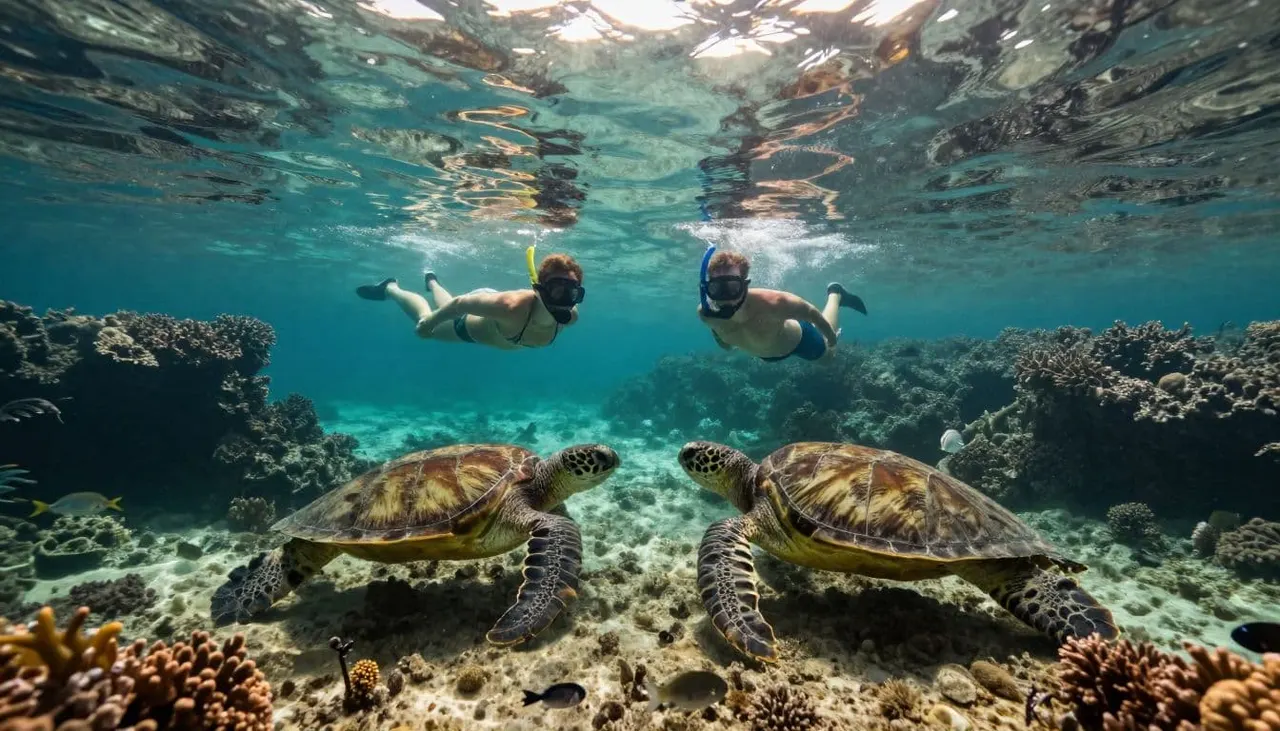
Living Ocean Tours reports a 95% success rate for spotting Hawaiian green sea turtles at Turtle Canyons, a natural underwater cleaning station. The crew’s job is to guide you toward the habitat while allowing animals to move freely.
NOAA’s Hawaii wildlife guidance recommends staying at least 10 feet, or 3 meters, from sea turtles in Hawaii. You should never swim toward a turtle, block its path, or follow it when it moves away.
Look for clear conservation instructions
Ask whether the guides explain how to observe wildlife before you enter the water. The answer should include simple rules: keep your distance, don’t touch animals, don’t feed them, and avoid standing on coral.
NOAA’s marine life viewing guidelines also outline responsible conduct around marine animals. These practices protect wildlife and give you a calmer encounter.
The best turtle encounter is one where the animal keeps its normal behavior. Your distance gives the turtle room to rest, swim, and use the reef.
4. Who teaches and supervises you in the water?
Your guide can make the difference between feeling nervous and enjoying your first few minutes in the ocean. Ask who leads the snorkel briefing and how the crew supports guests who need help.
Choose professional instruction
Living Ocean Tours is the only tour company with professional snorkel guides. Its guides explain equipment use, water entry, breathing, reef etiquette, and how to remain comfortable while floating.
That guidance matters if you haven’t snorkeled before. It also helps experienced swimmers avoid careless habits around coral and wildlife.
Ask how many guides supervise the water and whether a crew member remains available for guests who prefer to stay near the boat. Clear answers show that the operator has considered more than the strongest swimmers in the group.
Ask about children and nervous swimmers
Living Ocean Tours welcomes guests ages 3 and older, with experiences designed for families, beginners, couples, and confident swimmers. Still, ask how your child will enter the water and whether flotation support is available.
You should also share relevant concerns before boarding. Tell the crew if someone in your group feels anxious, has limited swimming experience, or needs extra time with a mask. Professional guides can offer better support when they know what you need.
Don’t wait until you’re already in the water to mention a concern. A short conversation during check-in can make the outing more comfortable for everyone.
5. What makes the boat comfortable at sea?
Boat design affects your comfort during the ride, especially if you are sensitive to motion. Ask about stabilization, seating, shade, restrooms, storage, and water access.
Ask about stability and seating
Living Ocean Tours operates custom-built, Coast Guard-inspected double-decker vessels called the Coral Kai and the Lokahi. The Coral Kai has broad open-deck space for guests who want sun and wide coastal views.
The Lokahi includes a SeaKeeper stabilization system that reduces side-to-side rolling. It also has shaded areas, a cash bar, and an upper-deck water slide.
No vessel can remove every movement from the ocean. However, a stabilization system and thoughtful seating can make the ride easier for guests who worry about seasickness.
Check how you enter and exit the water
Both boats have onboard restrooms, dry storage, shaded seating, and sturdy ladders for water entry. Ask whether you can use the ladder comfortably and whether a crew member assists guests as they climb back aboard.
You should also ask where wet gear goes after snorkeling. Dry storage keeps phones, passports, and clothing away from splashes. Shaded seating gives you a place to cool down between activities.
6. What happens if ocean conditions change?
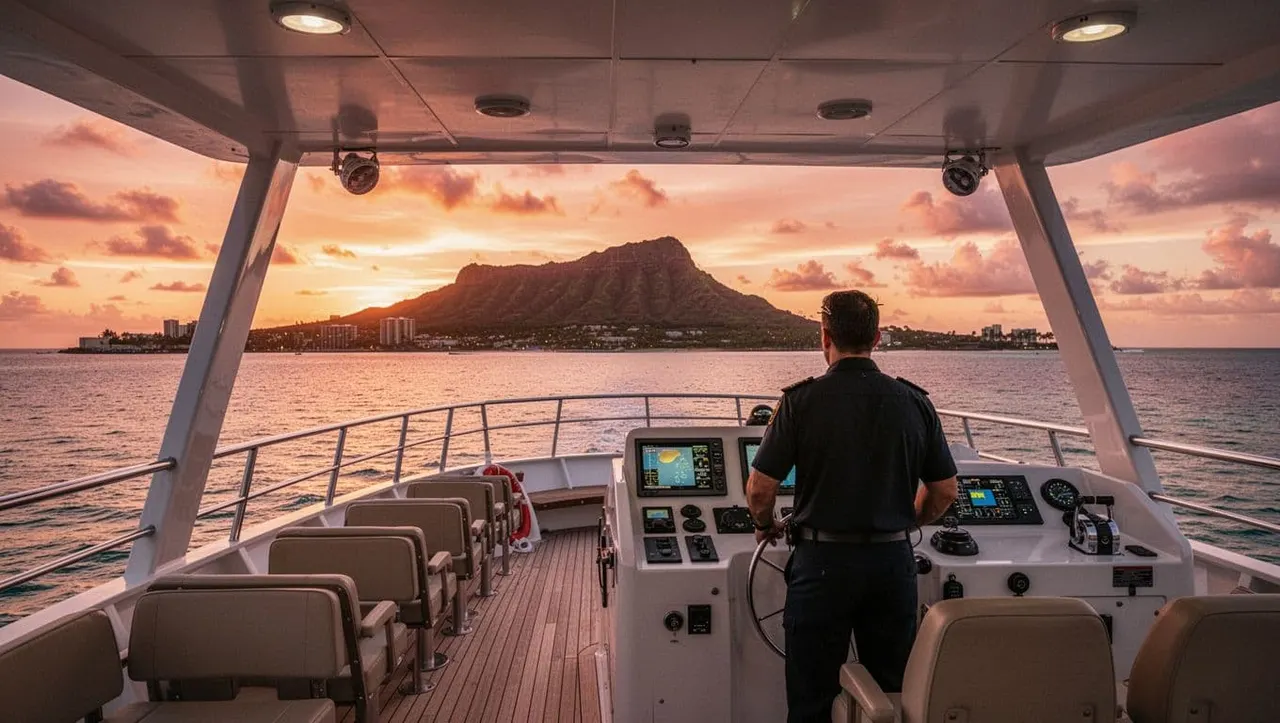
Hawaii’s ocean can change during the day. Wind, swell, visibility, rain, and currents may affect the route or whether guests enter the water.
Read the weather and cancellation policy
Ask when the operator makes a weather decision and whether you receive a refund, rescheduling option, or alternate itinerary. A responsible crew may change the route or cancel a water activity when conditions make it unsafe.
Before your trip, review the National Weather Service coastal forecast for Hawaii. You should still follow the operator’s final decision because the crew evaluates conditions at the harbor and on the route.
The Go Hawaii safety tips also provide useful guidance for visitors planning ocean activities.
Plan for comfort, not certainty
If you are prone to seasickness, ask where you can sit, when you should take your usual medication, and whether the boat has a stabilized area. Follow medication directions from your doctor or pharmacist.
Eat a light meal before departure and drink water. Avoid arriving dehydrated after a long flight or a day in the sun. Sunglasses, a hat, and a light cover-up can also help during a bright, windy ride.
A clear weather policy protects your vacation budget and gives the crew room to make safe decisions at sea.
7. What is included in the price?
The lowest advertised fare isn’t always the lowest final cost. Ask what your booking includes and which extras require payment.
Confirm equipment and onboard features
For a snorkeling trip, ask whether the price includes masks, snorkels, fins, flotation equipment, and instruction. Confirm whether you can use the boat’s water slide, trampoline, or floating lily pad when you book a deluxe cruise.
Living Ocean Tours’ Deluxe Waikiki Snorkeling and Wildlife Cruise visits a less-crowded reef and includes a boat-mounted water slide, water trampoline, and floating lily pad. The Lokahi also has a cash bar, so ask what payment methods the boat accepts.
For a sunset cruise, confirm whether the trip is BYOB or includes a cash-bar option. Food, beverages, transportation, photos, and gratuities may vary by tour.
Read the booking terms before paying
Check the cancellation deadline, rescheduling rules, age requirements, accessibility information, and conditions that may change the itinerary. If you book several weeks ahead, save the policy with your confirmation.
Also ask whether the displayed price includes taxes or booking fees. A clear operator will show the final cost before payment.
If the answer to a basic pricing question is difficult to find, contact the company before reserving. You should know what you’re buying before your card is charged.
Which Living Ocean Tours experience fits your plans?
Living Ocean Tours offers several ways to spend time along the Waikiki coast. Your answers to the seven questions can point you toward the right option.
Turtle Canyon Snorkel Excursion
Choose the Turtle Canyon Snorkel Excursion if your priority is seeing Hawaiian green sea turtles in their natural reef habitat. Professional snorkel guides provide instruction and help you observe the animals without touching or chasing them.
The company reports a 95% success rate for turtle sightings at the cleaning station, although wildlife remains wild and sightings can never be guaranteed. You can CHECK AVAILABILITY before setting your schedule.
Deluxe Waikiki Snorkeling and Wildlife Cruise
The deluxe cruise suits families and couples who want snorkeling plus more time for fun aboard the boat. After visiting a reef with fewer crowds, you can enjoy the water slide, trampoline, and floating lily pad.
This option works well when some guests want active water time while others prefer to relax on deck. Review the deluxe snorkeling cruise details, then CHECK AVAILABILITY.
Waikiki Sunset Cruise
A sunset cruise gives you a slower way to see the coast. You can watch the light change over the Pacific, enjoy the deck, and choose a BYOB or cash-bar format based on the available outing.
It fits couples seeking a relaxed evening and families who want ocean views without snorkeling. Check the Waikiki sunset cruise information, then CHECK AVAILABILITY.
Whale watching and Friday fireworks cruises
Humpback whale watching tours are seasonal, with Living Ocean Tours offering trips from January through March. You can CHECK AVAILABILITY when your travel dates fall within the season.
On Friday nights, the fireworks cruise offers a special view of Waikiki after dark. Reserve your place with CHECK AVAILABILITY, then confirm the departure time and viewing plan.
Conclusion
The right boat tour starts with clear answers. Ask where you board, what the itinerary includes, how the crew protects wildlife, who guides you in the water, and what happens when conditions change.
Living Ocean Tours combines professional snorkel guides, comfortable double-decker boats, and marine experiences for beginners, families, couples, and ocean lovers. When your plans match the boat, route, and activity, your time on the Waikiki coast feels easier from the moment you arrive.


