
How to Choose a Boat Tour Vessel for Your First Trip
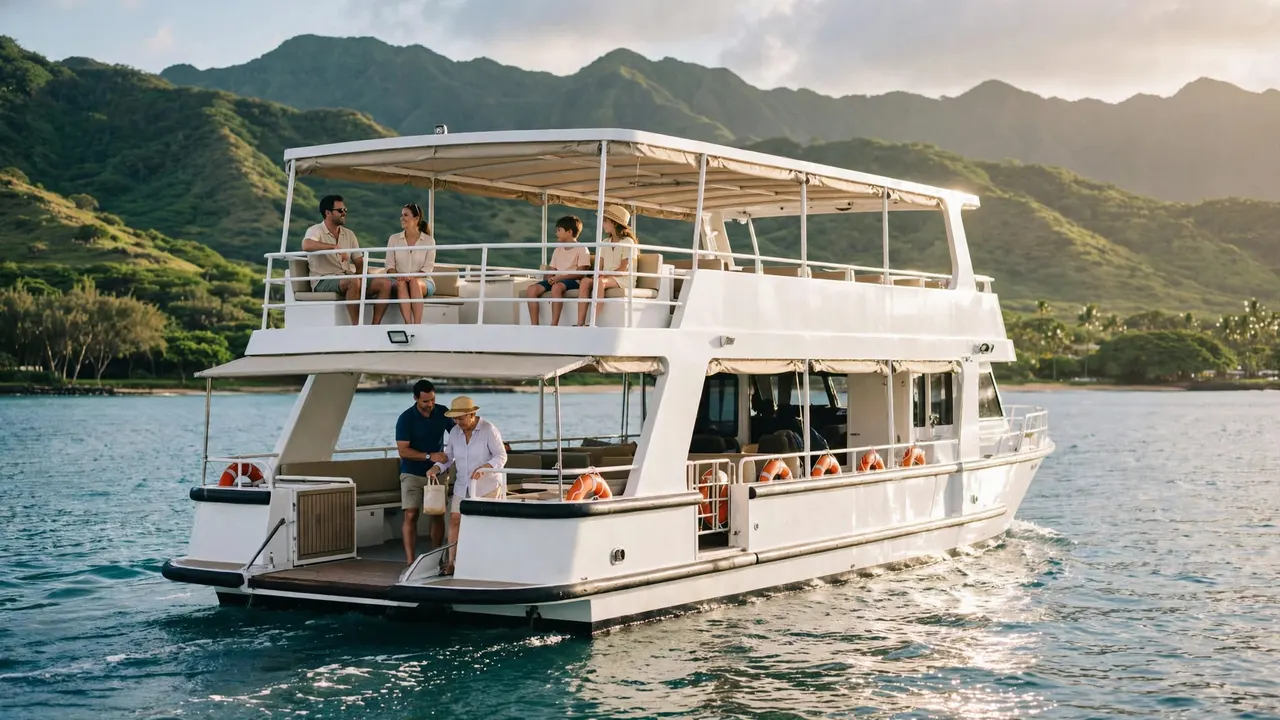
Choose a boat tour vessel around your planned activity, comfort needs, and ability to move aboard. A beautiful boat can catch your attention, but the layout and crew support determine how well the outing fits your group.
With our family-friendly Living Ocean Tours outings, you can explore Oahu aboard double-decker vessels. Your best starting point is how you want to spend your time, whether that means snorkeling or enjoying the coastline without getting wet.
Start with the experience you want, then compare the details that make it comfortable.
Key Takeaways for First-Time Passengers
- Choose your boat tour vessel for its usable layout and planned activities, rather than its appearance or size alone.
- Treat boarding, onboard movement, and returning from the water as separate parts of your decision.
- Keep safety authorization, passenger comfort, and swimming support separate when comparing options.
Your group doesn’t need identical interests to enjoy the same outing. However, the vessel should accommodate everyone’s essential needs, including anyone who prefers to stay dry.
Understand What Different Vessel Types Offer
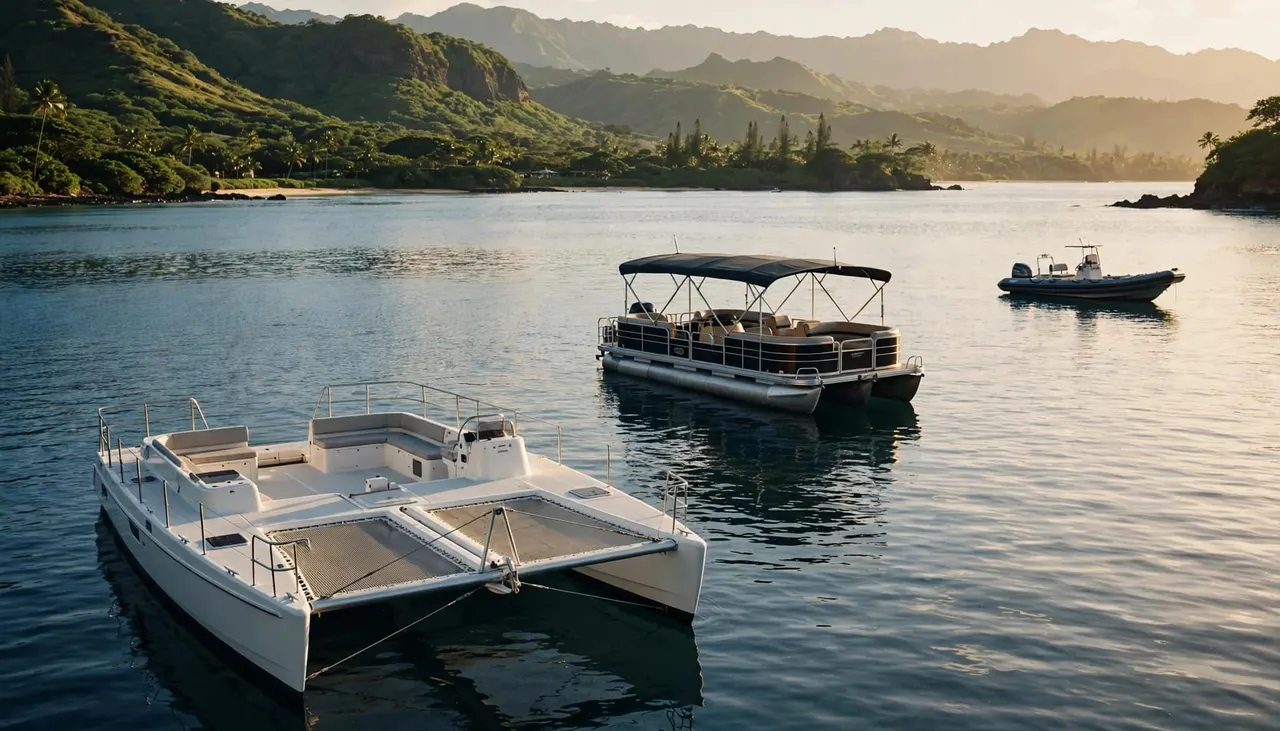
Boat descriptions often mix hull design, propulsion, and deck layout. Understanding those differences makes comparisons much clearer.
Separate Hull Design From the Experience
A catamaran has two hulls; a monohull has one. Either design can support a passenger outing, and a catamaran may operate under sail or engine power.
Because these terms describe different characteristics, “catamaran” and “boat tour” aren’t opposing choices. You can take a boat tour aboard a catamaran.
Instead, focus on what the trip involves. Sailing appeals when you want the sailing experience itself. A powered excursion may suit an itinerary organized around a swimming destination or coastal route. Neither label tells you the seating arrangement, passenger count, or boarding process.
Compare Open, Covered, and Multilevel Layouts
An open deck gives you direct exposure to the breeze and surroundings. Covered areas provide a different experience, particularly when you want time out of direct sun.
Meanwhile, a multilevel design creates separate spaces aboard. It also introduces stairs between decks.
A double-decker layout doesn’t automatically mean you must spend the trip upstairs. Your enjoyment depends on the usable spaces available to you. For your first outing, prioritize a layout that supports your preferred activity without requiring movements you’re uncomfortable making.
Choose a Boat Tour Vessel Around Your Activity
A sightseeing trip and a snorkeling excursion place different demands on the same boat. Start with what you’ll do during the outing, rather than choosing a vessel first.
For Snorkeling, Prioritize the Return Aboard
Getting into the ocean is only half the process. You’ll also return to the boat after swimming, potentially with less energy than when you started.
Water-entry arrangements, space for equipment, and clear crew instructions matter more than a dramatic upper-deck photograph. Swimming ability also deserves separate attention: a flotation aid doesn’t replace swimming skills or crew guidance.
At Living Ocean Tours, you’re choosing the only tour company with professional snorkel guides. That guidance matters when you’re learning how your equipment works and becoming comfortable with an unfamiliar ocean environment.
For Sightseeing, Prioritize Views You Can Enjoy Seated
If your goal is coastal scenery, choose around the way you’ll experience the view. Constantly changing decks shouldn’t be necessary for you to enjoy the outing.
Comfortable sightlines matter when you’re traveling with children or someone who prefers to remain seated. Photography adds another consideration: a clear view is useful, but you still need to follow crew directions about moving around.
For wildlife encounters, keep your expectations respectful. Observe animals without touching them, and let the captain manage the vessel’s position.
Put Comfort Ahead of a Bigger Boat
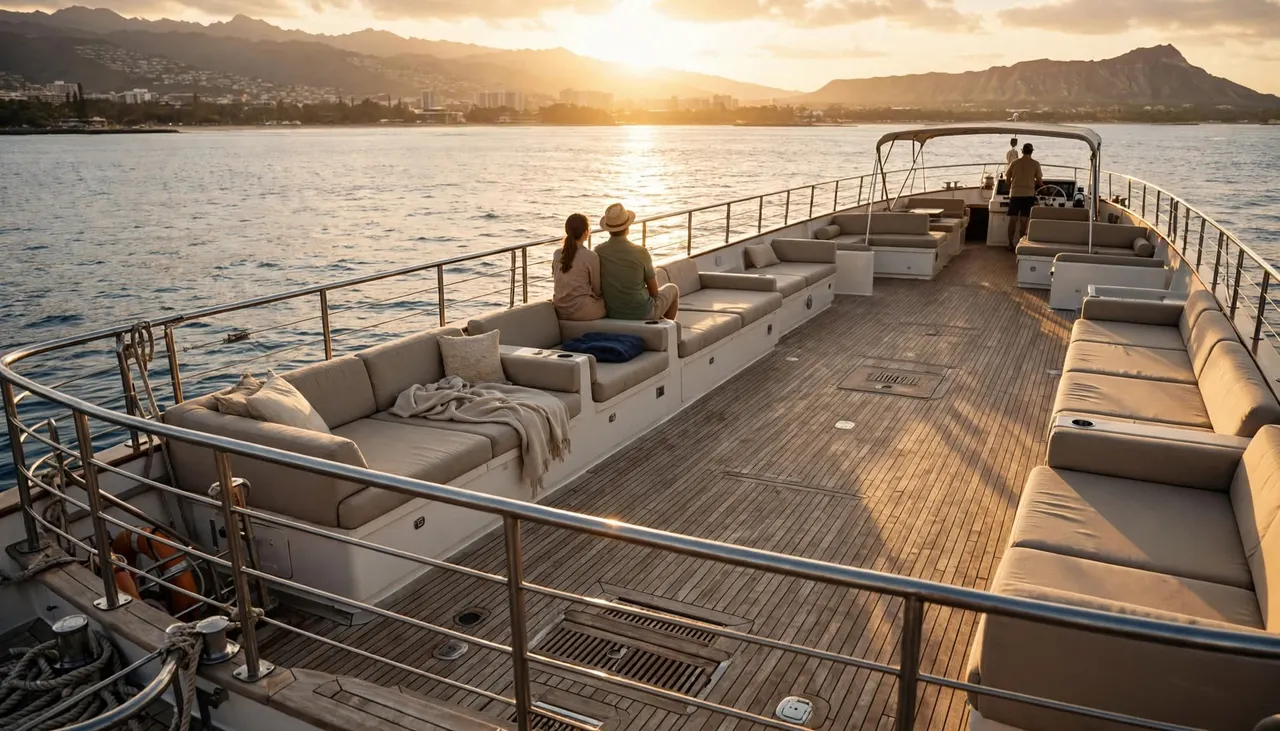
Size is an incomplete shortcut for comfort. Your position aboard, the layout, and ocean conditions all affect how the ride feels.
Understand Motion Without Expecting a Motion-Free Ride
According to NOAA’s explanation of seasickness, conflicting motion signals involving your inner ear can cause nausea. Even an enjoyable outing can become uncomfortable when you’re sensitive to movement.
A boat tour vessel can meet safety requirements and still move enough to make you seasick. Likewise, calm water inside the harbor doesn’t describe conditions along the whole route.
Prepare before boarding if you’ve experienced motion sickness before. Stay hydrated, and follow a clinician’s or pharmacist’s advice about medication. If you begin feeling unwell aboard, tell the crew early.
Distinguish Passenger Capacity From Personal Space
The maximum authorized passenger count and the number of guests normally booked aren’t necessarily the same. Neither number, by itself, describes the space available around your seat.
Consider how you want to spend the trip. Families may value sitting together, while couples may care more about an uninterrupted coastal view. Someone who tires easily may prioritize staying seated throughout the outing.
An authorized passenger count tells you a limit. It doesn’t tell you how much shade, personal space, or swimming support you’ll receive.
That distinction helps you compare experiences without assuming that a larger vessel automatically delivers greater comfort.
Make Boarding and Participation Part of Your Choice
Your boat tour vessel needs to fit the movements you’ll make throughout the trip. Boarding successfully doesn’t answer every question about access once you’re underway.
Consider Each Transition Separately
The dock-to-deck transfer, movement through the boat, and disembarking are different tasks. For a swimming excursion, returning from the water adds another.
A double-decker vessel may provide several places to spend time while still requiring stairs to reach particular areas. Similarly, a swim ladder doesn’t establish wheelchair access or remove every mobility barrier.
Describe your mobility needs in practical terms when booking. For example, distinguish between difficulty with stairs and difficulty stepping across a gap. These details communicate more than a broad request for an “accessible boat.”
Separate Age Eligibility From Swimming Readiness
A minimum age doesn’t tell you whether a child can participate comfortably in every activity. Swimming confidence, listening skills, and tolerance for an unfamiliar setting matter too.
For children and beginners, correctly sized life jackets and clear instructions are important. However, neither replaces adult supervision or the crew’s participation rules.
Be direct about limited swimming ability before reserving. If someone wants an ocean outing without entering the water, treat that preference as part of the trip choice. Nobody needs to feel pressured to swim because other passengers are excited about snorkeling.
Understand Safety Without Confusing It With Comfort
Safety documentation matters because passenger operations have requirements beyond a boat’s appearance. A polished deck or attractive photograph doesn’t establish authorization for passenger service.
The Coast Guard’s passenger-for-hire inspection guidance explains that vessels carrying more than six passengers for hire on federal waterways typically have a Coast Guard inspection decal. Requirements vary with the operation, so that threshold isn’t a universal rule for every charter arrangement.
You also shouldn’t interpret inspection status as an accessibility rating or a promise about ride comfort. Those are separate considerations.
Once aboard, your role is straightforward: listen to the briefing, keep passageways clear, and follow directions for the vessel you’re actually riding. The BoatUS Foundation’s discussion of operator and passenger responsibilities reinforces that passengers also have a role in a safe outing.
Learn where the crew wants you to sit and store belongings. If noise obscures an instruction, request a repeat before moving. Also, don’t assume every boat carries identical medical equipment, oxygen, or medications. Let crew members direct the response if someone becomes ill or injured.
Compare the Whole Experience Before You Reserve
A useful comparison includes the activity, crew support, layout, and time aboard. A lower advertised fare doesn’t tell you whether the outing suits your group, just as a larger boat doesn’t answer every comfort question.
Likewise, fleet descriptions aren’t promises that every vessel has identical features. A replacement boat may support the same destination while offering a different onboard arrangement. Keep any agreed change in writing so your expectations remain clear.
With our Honolulu boat and snorkeling tours, you can compare family-friendly ocean experiences aboard double-decker vessels. You can choose an outing around your group’s interests without making everyone participate in the same way.
Before reserving, decide which needs are essential and which preferences are flexible. That distinction makes choosing a boat tour vessel simpler. For example, difficulty using stairs is a participation issue; a preference for an upper-deck photograph is optional.
When you’re ready to choose your ocean experience, browse the available departures below.
Choose the Boat That Fits Your Day
The right boat tour vessel supports the experience you want without overlooking the movements and comfort needs involved. Focus on usable space and appropriate support, rather than judging the trip by the boat’s size.
Choose around your group’s essential needs, prepare for ocean motion, and follow the crew’s guidance aboard. With those priorities settled, you can give your attention to Oahu’s coastline and the time you’re sharing on the water.


