
Boat Tour Sunglasses: Are Polarized Lenses Better?
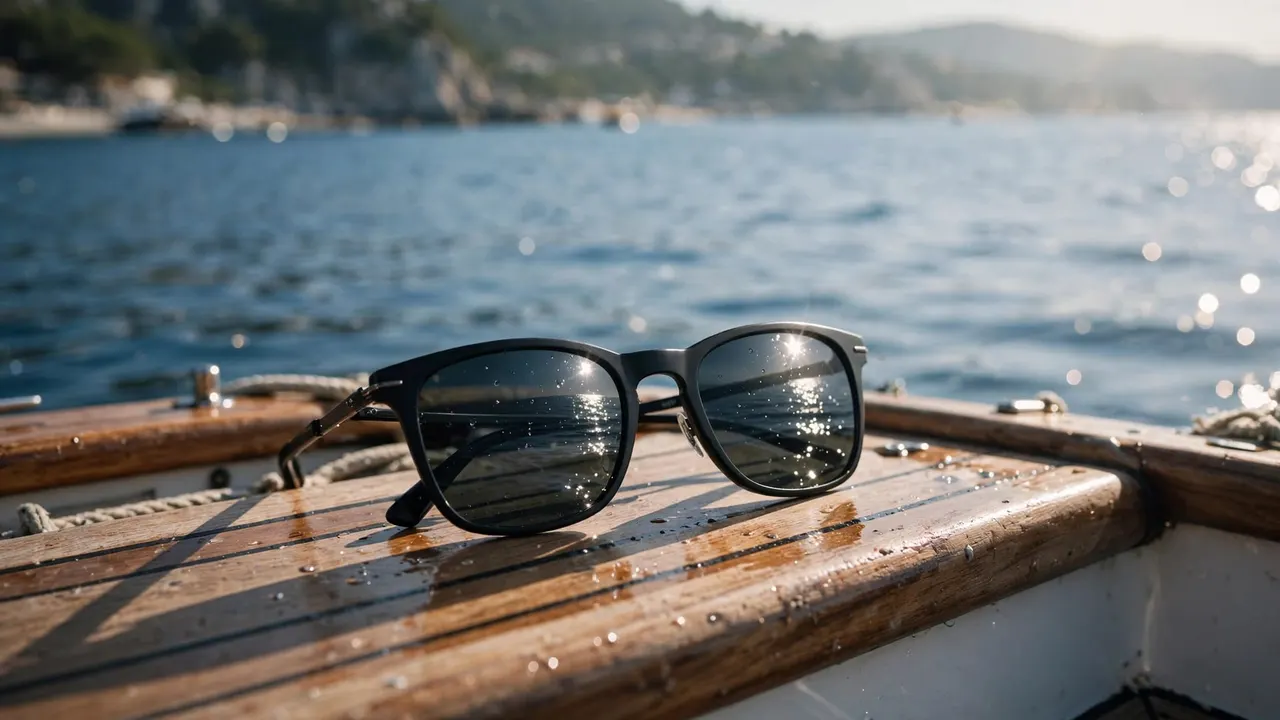
Yes, polarized lenses are usually the better choice for boat tour sunglasses because they reduce glare reflected off the water. However, polarization doesn’t provide UV protection on its own.
For your Living Ocean Tours outing, a comfortable pair can make bright coastal scenery easier to enjoy without constant squinting. Start with what polarization changes, then choose the fit you’ll want to wear throughout the ride.
Key Takeaways
- Choose boat tour sunglasses with both polarization and UV-blocking protection, since these features do different jobs.
- Prioritize a secure, comfortable fit and add a retainer strap for wind and boat movement.
- Keep sunglasses aboard while snorkeling, and use a properly fitted mask underwater.
- Expect less reflected glare, rather than magnification, clearer water, or guaranteed wildlife sightings.
Why Polarized Boat Tour Sunglasses Help Coastal Views
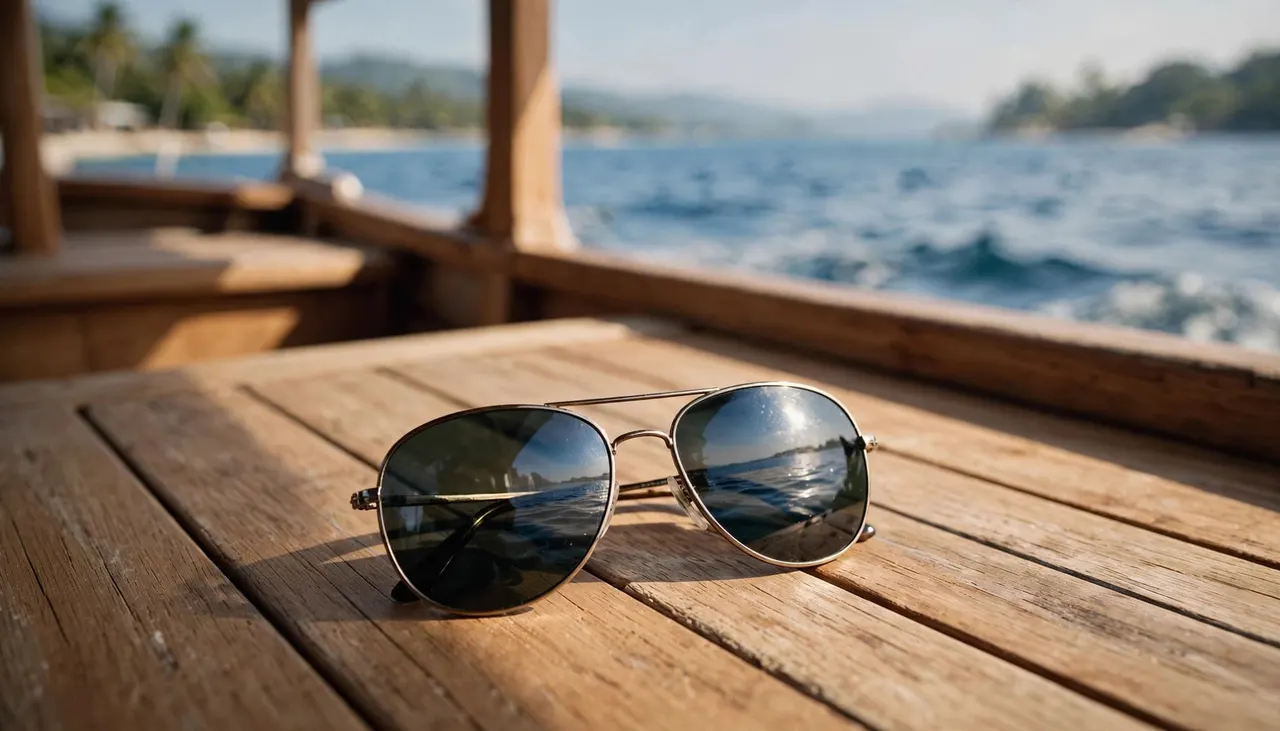
Less reflected glare across the water
Sunlight bouncing off the ocean can create a bright wash across your view. Because the boat moves, that reflection also changes as you turn toward different parts of the coastline.
Polarized lenses filter much of this reflected glare. The American Academy of Ophthalmology includes this benefit in its guidance on recommended types of sunglasses.
For you, the practical advantage is less reflected brightness competing with the scenery. You can spend more attention on the shoreline instead of repeatedly looking away from dazzling patches of water.
The effect varies with your viewing direction and the angle of the sunlight. You shouldn’t expect every sparkling reflection to disappear.
Better viewing comfort, with realistic limits
Polarization doesn’t magnify Diamond Head or bring a distant coastline closer. It also doesn’t remove haze, change ocean conditions, or make the water itself clearer.
That distinction matters when you’re comparing sunglasses with binoculars or a camera zoom. Each tool solves a different problem.
For a relaxed coastal outing, glare reduction is often the feature you’ll appreciate most. You still need an unobstructed view, clean lenses, and a comfortable place to watch the scenery.
UV Protection Is a Separate Purchase Decision
A polarized label tells you about glare reduction. It doesn’t tell you whether the glasses protect your eyes against ultraviolet radiation.
The American Academy of Ophthalmology makes this distinction in its advice on choosing sunglasses for sun protection. Choose sunglasses labeled for UVA and UVB protection as well as polarization.
Don’t judge protection by how dark the lenses look. Likewise, a mirrored finish is a surface treatment, not proof of UV protection.
If you’re choosing between two pairs, make UV-blocking protection your first requirement. Then compare polarization, comfort, and coverage.
Larger frames or a modest wraparound shape can reduce light entering around the edges. However, they still need to sit comfortably without pressing against your cheeks or temples.
A secure hat adds useful shade, but it doesn’t replace sunglasses. Light reaches your face from several directions aboard a boat, including reflections around you.
For children, choose eye protection with the same care you give your own. A pair that constantly slides down is unlikely to stay in place throughout the ride.
Choose a Fit You Can Forget About
Look for stability without pressure
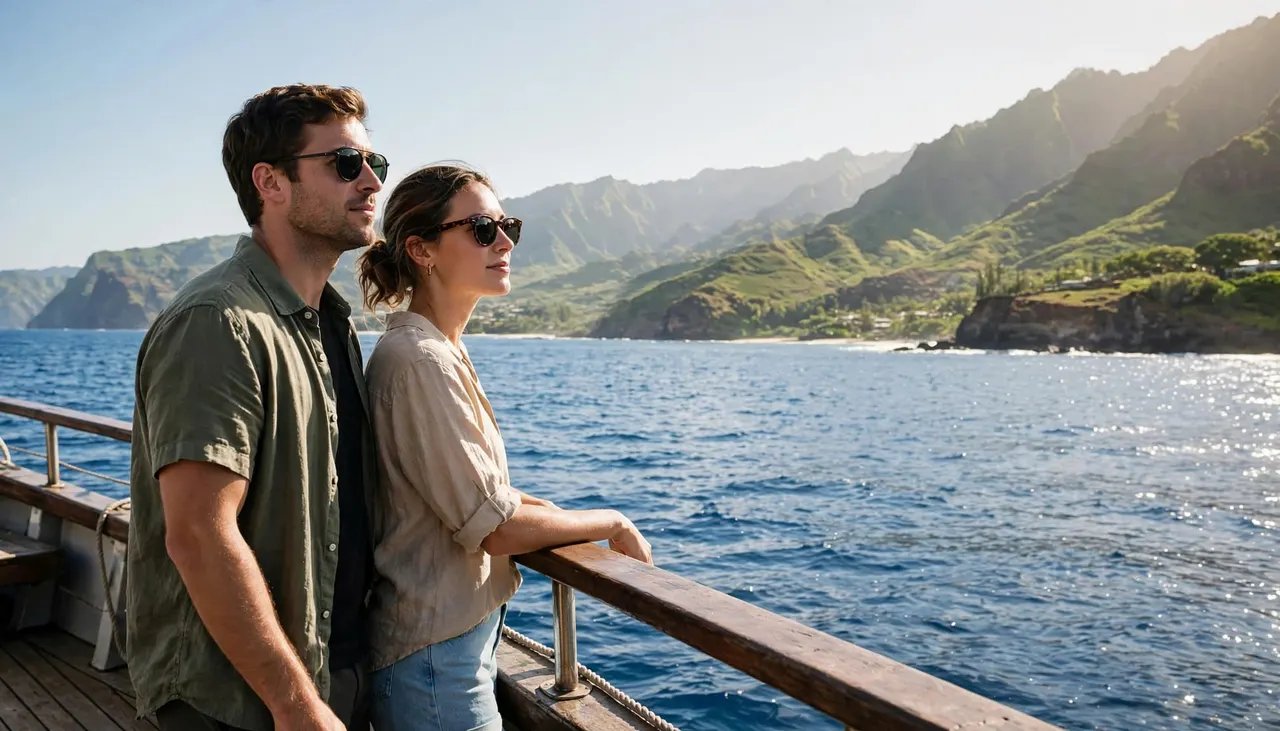
Your boat tour sunglasses should stay in place when you look down, turn your head, or lean forward slightly. If they slide while you’re standing still, movement and perspiration won’t improve the fit.
Pay attention to the bridge and the area behind your ears. Pressure that feels minor at the dock can become distracting during a longer stretch aboard.
Also consider how the frames work with your hat. Wide temples and a snug hat can compete for space, especially around your ears.
For families, comfort matters more than choosing an adult-looking style for a child. Frames should suit the wearer’s face rather than rely on an overtightened strap.
Add a retainer before boarding
A retainer strap helps keep your glasses close when the breeze rises or you remove them briefly. Attach it before boarding, while you have both hands free.
However, a strap doesn’t make sunglasses suitable for swimming. Put them in a protective case before entering the water.
Choose a pair you’d feel comfortable using around salt spray. Expensive frames offer little practical value if you’re too worried about them to enjoy the ride.
Prescription wearers can use polarized prescription sunglasses. The same priorities apply: UV protection, secure fit, and comfort.
Plan for Screens, Salt Spray, and Changing Light
Your phone screen may look different
Polarized lenses can make some electronic screens appear dim, patchy, or dark at certain angles. This depends on the display and how you hold it.
If your phone becomes hard to read, rotate it slightly. When that doesn’t help, stop moving and briefly lift your sunglasses while holding the phone securely.
Don’t keep walking around the deck while adjusting your screen or eyewear. Settle into a stable position before taking a photograph.
Your sunglasses also won’t change the glare recorded by your phone’s camera. What you see through the lenses and what the camera captures are separate views.
Keep lenses clean as the afternoon changes
Salt spray leaves a film that can soften your view. Rinse away salt and grit with fresh water before cleaning lenses with a suitable microfiber cloth.
Avoid rubbing dry lenses with a sandy towel or shirt. Keep your cleaning cloth inside the case so it doesn’t collect debris.
As daylight fades, dark lenses may become less comfortable for seeing deck edges and shaded areas. Put them away when they stop helping.
Ordinary sunglasses, including polarized pairs, aren’t safe equipment for looking directly at the sun.
Enjoy the surrounding sky and coastline without staring at the solar disk.
Sunglasses Stay Aboard When You Snorkel
Boat tour sunglasses help during the ride, but they don’t solve underwater vision problems. Once you enter the water, a comfortable snorkel mask and an unobstructed view become your priorities.
Regular eyeglasses can interfere with a standard mask’s seal. If you need vision correction, discuss your mask needs with our crew rather than trying to fit glasses underneath.
Before entering, keep hair away from the mask skirt and ask for help with persistent leaks. Follow your guide’s directions for managing fog instead of continuing with a clouded view.
We’re the only tour company with professional snorkel guides, so you have support with equipment fit and preparation. Let your guide know if you’re new to snorkeling or uncomfortable with your setup.
Meanwhile, keep sunglasses secured aboard rather than dangling from your swimsuit. Observe marine life without touching animals or coral, and give turtles space even when you’re eager for a closer look.
Pack Light for Your Waikiki Boat Ride
Your eyewear setup doesn’t need to fill a beach bag. Bring your sunglasses, a retainer, a protective case, and a clean lens cloth.
Then add clothing that suits the outing. A dry layer is useful after snorkeling because wind can feel cool against damp skin.
At Living Ocean Tours, our departures leave Kewalo Basin Boat Harbor in Honolulu. You can choose among our Honolulu ocean tours according to whether you want time in the water or an outing spent aboard.
Our boats have shaded seating and dry storage, so you have places to take a break and secure belongings. Still, keep your eyewear accessible for the bright stretches of the ride.
Once your bag is ready, choose an outing that fits your family’s plans and comfort level.
Frequently Asked Questions
Are nonpolarized sunglasses still useful on a boat?
Yes, sunglasses with UV protection still help protect your eyes even without polarization. However, they may leave more reflected glare in your view. If you’re buying a pair mainly for bright days on the ocean, polarization is a useful additional feature.
Do you need sunglasses before sunset?
Yes, low sunlight can create strong reflections across the water before daylight fades. Keep sunglasses handy for the bright part of an evening departure. Later, put them away if they make the deck or surrounding scenery harder to see.
Can polarized sunglasses prevent seasickness?
Don’t rely on them as a seasickness treatment. Their role is glare reduction, not motion-sickness prevention. If you begin feeling unwell, tell our crew early and follow their guidance. You shouldn’t push through discomfort because your sunglasses make the view feel easier on your eyes.
Is an expensive pair necessary?
You don’t need a luxury brand to choose useful boat eyewear. Prioritize UV protection, polarization, and a secure fit over styling extras. A comfortable pair with a retainer and protective case is more practical than costly glasses you keep removing or worrying about.
Choose for the Ride, Not Just the Look
The right boat tour sunglasses combine glare reduction, UV protection, and a fit that stays comfortable in the breeze. Polarized lenses are a useful choice for coastal viewing, provided you understand what they can and can’t change.
Keep them clean, secure them aboard, and switch to properly fitted snorkeling equipment when you enter the water. With those basics covered, you can give more attention to Oahu’s coastline and less to managing your glasses.


