
Boat Tour Seating: Choose Bow, Stern, or Center
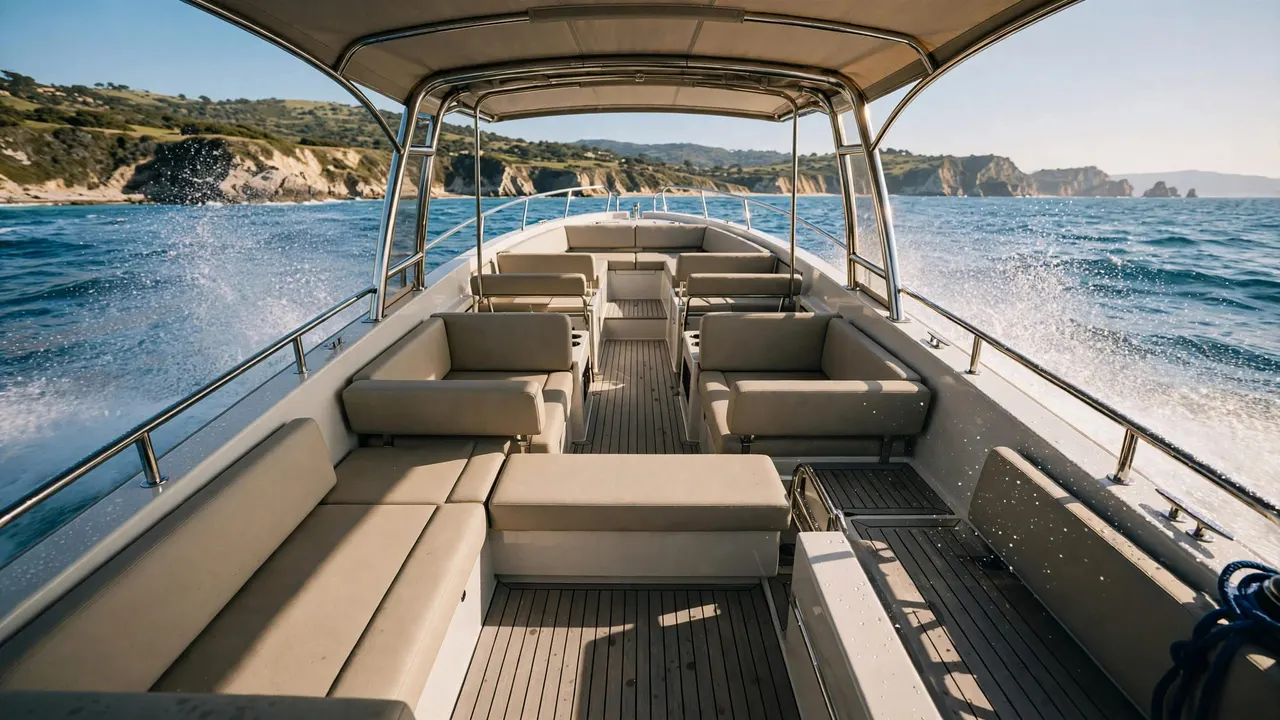
Before you board with Living Ocean Tours, that front-row ocean view can be tempting. But your boat tour seating choice should also account for motion sensitivity, shade, and how your family wants to spend the ride.
You’ll enjoy the coastline more when you choose comfort first and leave room to adjust. Start with the differences between the bow, stern, and center, then ask the crew what works best for today’s conditions.
Boat tour seating: key takeaways
Your starting point is simple: the bow is the front, the stern is the back, and the center is midship. Each position offers a different experience, but none guarantees the best ride on every boat.
Use this comparison to narrow your preference before boarding.
| Seating area | Why you might choose it | What to consider |
|---|---|---|
| Bow | Forward-facing ocean views and an open-air feel | Exposure to wind, spray, and rising-and-falling motion |
| Center | A practical starting point if motion concerns you | Shade, sightlines, and access depend on the vessel |
| Stern | Rear-facing views of the wake and coastline | Engine noise, traffic around boarding areas, and possible exhaust |
The takeaway is to choose for your needs, rather than follow everyone toward the front.
If you want photographs, start by checking sightlines. When you’re traveling with children, consider shade and an easy place to regroup. If you get seasick, ask the crew for a suitable location before departure.
Also, separate your cruising seat from your viewing spot. You may be able to enjoy both during the outing, provided the crew permits movement.
Choose the bow for forward-facing views
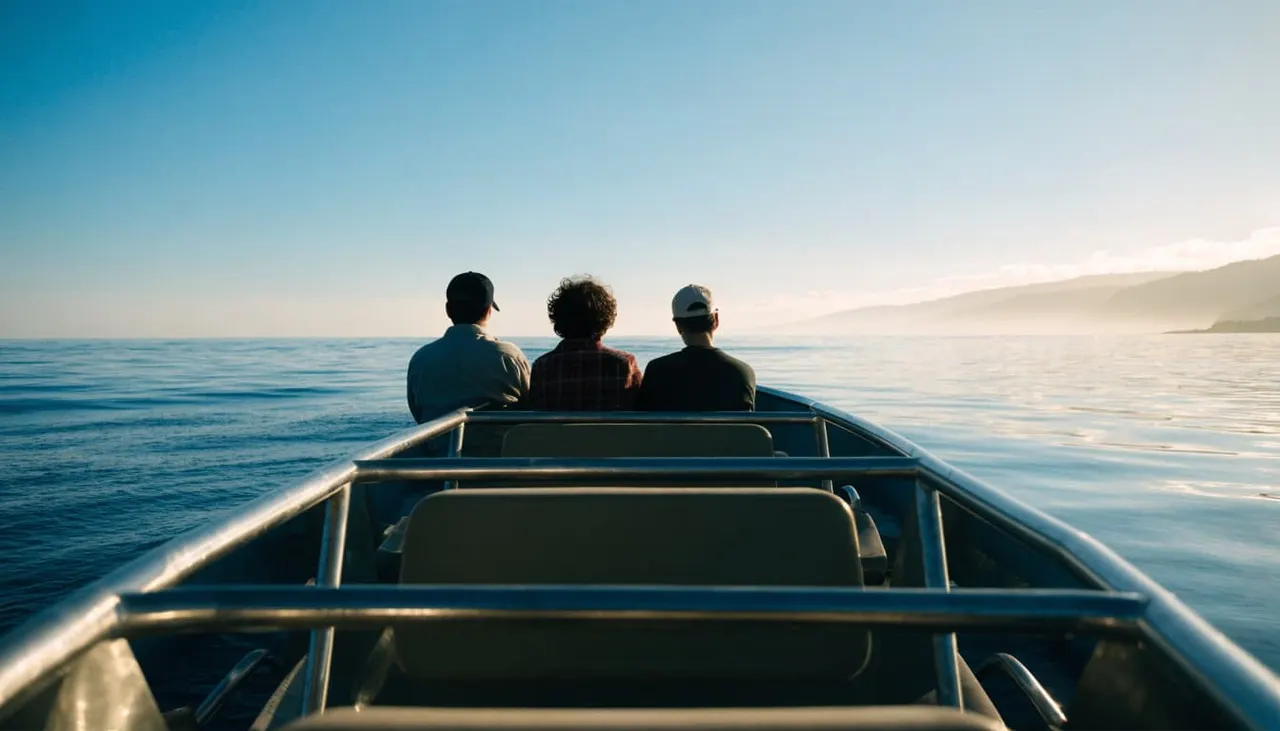
Enjoy the view ahead
At the bow, you look toward the water the boat is approaching. That perspective can make the crossing feel especially engaging, with the coastline unfolding beside you.
For couples who enjoy ocean air, a forward seating area can be appealing when conditions are comfortable. However, check whether a railing, canopy, or other passengers block the view before settling in.
Keep your camera secured and your hands available for support. You don’t need to lean beyond a railing to capture the Pacific, Waikiki’s waterfront, or Diamond Head when your route brings them into view.
Account for exposure and movement
The front can feel more active when the boat meets waves because the bow rises and falls. Wind and spray also vary with speed, weather, and the vessel’s design.
Therefore, a bow seat deserves extra thought if you’re sensitive to motion or traveling with a child who dislikes getting splashed. Ask whether that area is appropriate for the crossing.
A seat that works well inside the harbor may feel different offshore. Get the crew’s advice before committing to the bow.
If you’re asked to stay seated, save your photo plans for a calmer moment. Your comfort matters throughout the trip.
Consider the center when comfort comes first
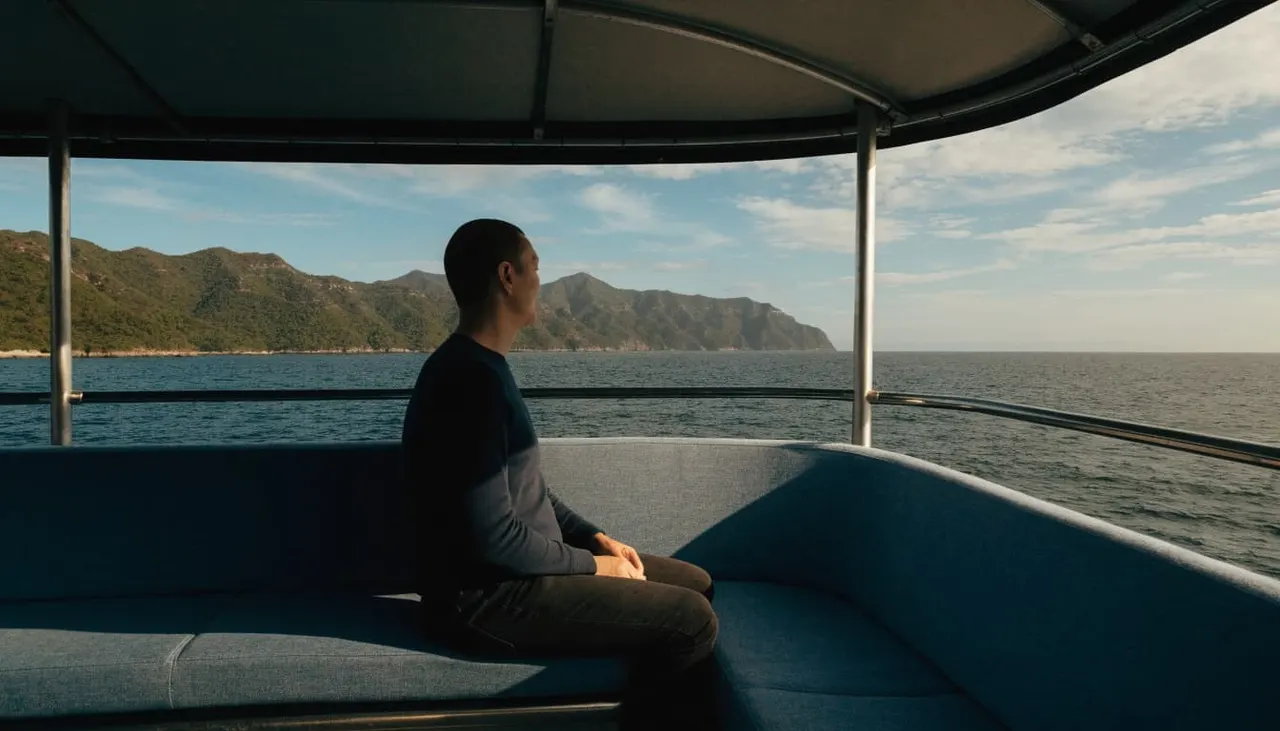
Ask about a lower, central position
A lower-deck seat near midship may feel more comfortable if you dislike boat motion. It’s a useful place to discuss with the crew, rather than a universal prescription.
The boat’s design, wave direction, speed, and your own sensitivity affect what you feel. A central location also doesn’t automatically give you shade, a backrest, or an unobstructed view.
When choosing boat tour seating, explain what matters most. Tell the crew if you’re concerned about nausea, need to avoid stairs, or want to remain near your children. Those details help them recommend an appropriate spot.
Keep the horizon in sight
A central seat works better for motion-sensitive guests when it also offers a view outside. Looking toward the horizon may help, although it doesn’t work for everyone.
Alaska Sea Grant’s seasickness guide explains that horizon viewing helps some people, but isn’t a complete solution. You should still prepare before departure and speak up if symptoms begin.
Put away your phone during the crossing, especially if reading or scrolling makes you uneasy. Instead, face outward and give yourself time to settle. If the view is blocked, ask whether another approved seat would suit you better.
Choose the stern for wake views
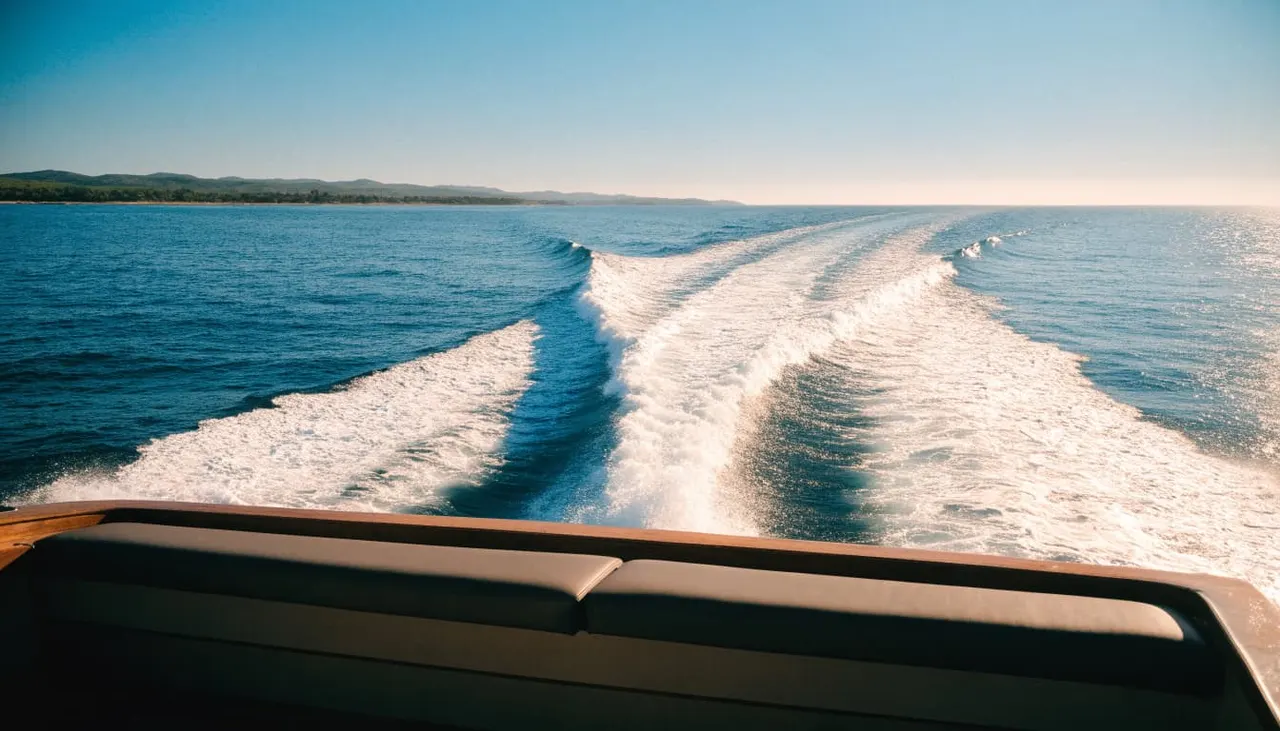
Watch the scenery behind you
The stern offers a different perspective: the boat’s wake stretches away while the scenery you passed remains behind you. For ocean lovers, that moving ribbon of foam can be part of the appeal.
You may also find rear-facing photographs easier when the light favors that direction. Still, check your actual view before choosing a seat. Boat structures and nearby passengers can affect sightlines.
Don’t assume the rear will always be calmer than the front. Your experience depends on the vessel, conditions, and where the available passenger seats are located.
Check noise and shared access
Depending on the boat, stern seating may be closer to engines, boarding gates, or water-entry areas. Ask where passengers should sit and which spaces need to remain clear.
If you notice exhaust odors or distracting noise, let a crew member know. A different seat may be available, but you shouldn’t move into restricted areas to find one.
On a snorkeling outing, rear deck space can become busy as guests prepare to enter or leave the water. Store your belongings where directed, rather than beside a ladder. You can enjoy the wake without occupying a working area the crew needs.
Match the deck to your group’s needs
Boat tour seating involves height as well as position. Before choosing an upper or lower deck, consider how often you’ll need to move and how much sun you want.
Balance views with shade
An upper deck may offer broader sightlines, but it can also expose you to more wind and sun. Meanwhile, a shaded area can provide a welcome break after a morning at the beach.
For families, a comfortable place to sit together may matter more than the highest viewpoint. Ask about shade, restroom access, and whether your group can stay on one deck.
Don’t assume that arriving early guarantees a particular seat. Confirm whether seating is open, assigned, or directed by the crew according to conditions.
Ask about the boat, not just its size
A double-decker layout doesn’t tell you how every seat will feel. Vessel design and the day’s sea conditions both matter.
Equipment can make a difference too. For example, Seakeeper’s gyro stabilization technology addresses rolling motion. That product information doesn’t establish which equipment your scheduled tour vessel carries.
Ask the operator about the actual boat and any comfort features relevant to your needs. Avoid treating a stabilization claim as a promise that you won’t feel movement or become seasick. You still need sensible preparation and crew guidance.
Prepare for motion before you board
Your boat tour seating choice is only one part of managing motion sickness. Prepare before leaving your hotel, especially if you’ve felt nauseated on boats before.
Eat lightly and drink water. If you use motion-sickness medication, follow its label and your clinician’s or pharmacist’s advice. For children, confirm an age-appropriate option rather than sharing an adult’s medicine.
NOAA’s seasickness guidance recommends maintaining fluid intake and notes that fresh air on deck can help. However, follow the crew’s directions about where you may sit or move.
Once aboard, avoid spending the crossing reviewing photographs or watching videos. Looking down at a screen can make symptoms worse for some passengers.
Tell a crew member promptly if you feel nauseated, sweaty, dizzy, or lightheaded. They can assess whether a different seat or another adjustment is appropriate.
If you’re already unsteady, ask for assistance before changing decks. Hold railings, keep your phone tucked away, and wait when the crew tells you to remain seated.
Before snorkeling, let your guide know if you still feel unwell. Don’t rush into the water because the rest of your group is ready. Taking time to discuss how you feel is part of enjoying the outing safely.
Plan your seat with Living Ocean Tours
With Living Ocean Tours, you can explore family-friendly Oahu ocean tours aboard double-decker vessels departing near Waikiki. Before booking, match the outing to your group’s interests and discuss any seating or boarding needs.
For snorkeling, Living Ocean Tours describes itself as the only tour company with professional snorkel guides. Ask how guide support, gear preparation, and water entry work so you know what to expect.
Your boat tour seating questions should be equally practical. Explain whether you need back support, prefer to avoid stairs, or want to stay together throughout the crossing. Confirm the arrangements instead of assuming every seat offers the same features.
Once aboard, listen to the briefing before getting absorbed in the scenery. Locate the areas the crew identifies for seating, storage, and movement.
For wildlife encounters, carry that same considerate approach into the water: observe animals without touching them. You’ll enjoy a more relaxed outing when your expectations are clear and you follow the crew’s lead.
Frequently asked questions about seating
Can you change seats during the tour?
Ask the crew first. Movement may be permitted during calmer portions of the outing, while turns, waves, or other activity may require you to remain seated.
If you want to change decks, wait for permission and use the railings. Keep bags out of walkways, and don’t cross the boat alone if you feel dizzy. A preferred view isn’t worth losing your balance.
Which side gives you the best coastline view?
That depends on the route and direction of travel. A landmark visible on one side outbound may appear on the other side during the return.
Port means the boat’s left side when you’re facing forward; starboard means its right. Ask the crew where the scenery will appear rather than choosing solely by side. A seat with a comfortable posture and clear sightline may be more useful than chasing every angle.
Choose a seat you can enjoy throughout the ride
Your ideal boat tour seating balances the view you want with the comfort you need. Start with your preferences, then let the crew’s knowledge of the vessel and conditions guide your choice.
The bow, stern, and center each offer something worth enjoying. Choose a comfortable starting point, and keep your plans flexible when the ocean calls for a change.


