
Boat Tour Safety Gear Explained for First-Time Waikiki Visitors
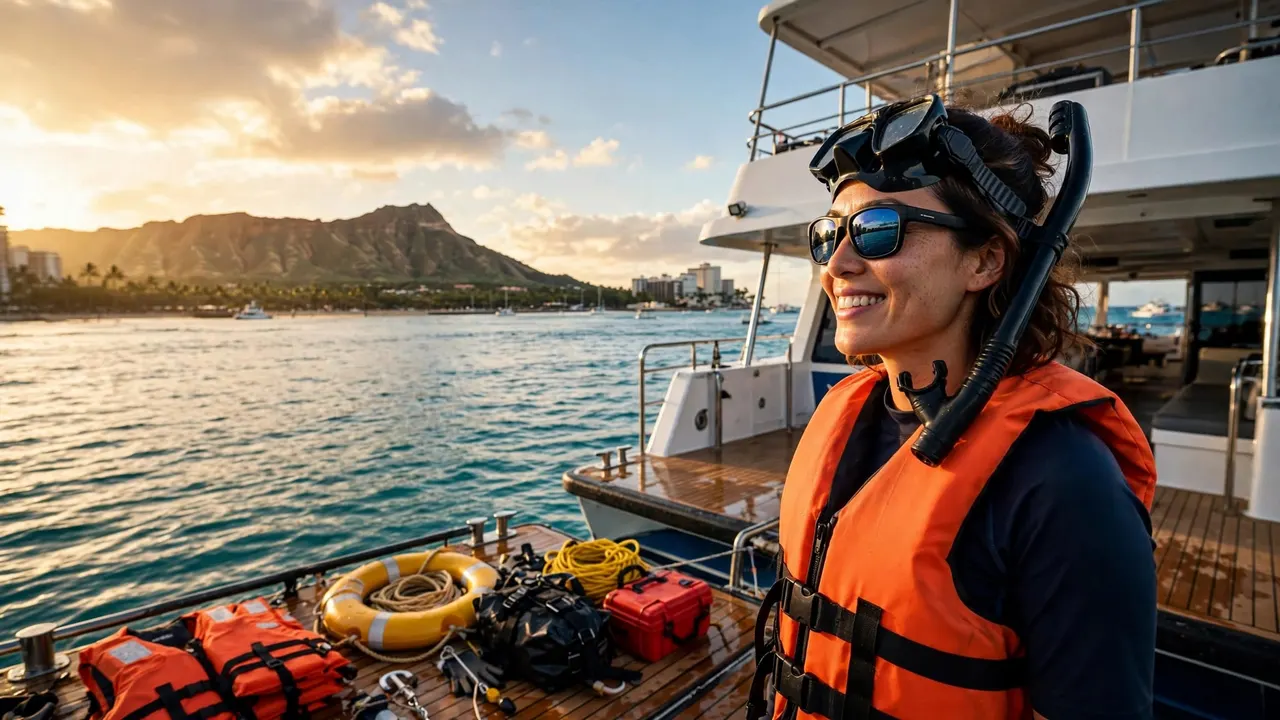
Your first ride off Waikiki should feel exciting, not confusing. The right boat tour safety gear helps you handle sun, spray, boat movement, and snorkeling with more confidence.
You don’t need boating experience to enjoy the Pacific. However, you do need to listen closely, pack lightly, and let the crew guide your decisions once you leave the harbor.
Start With a Safety-Focused Waikiki Crew
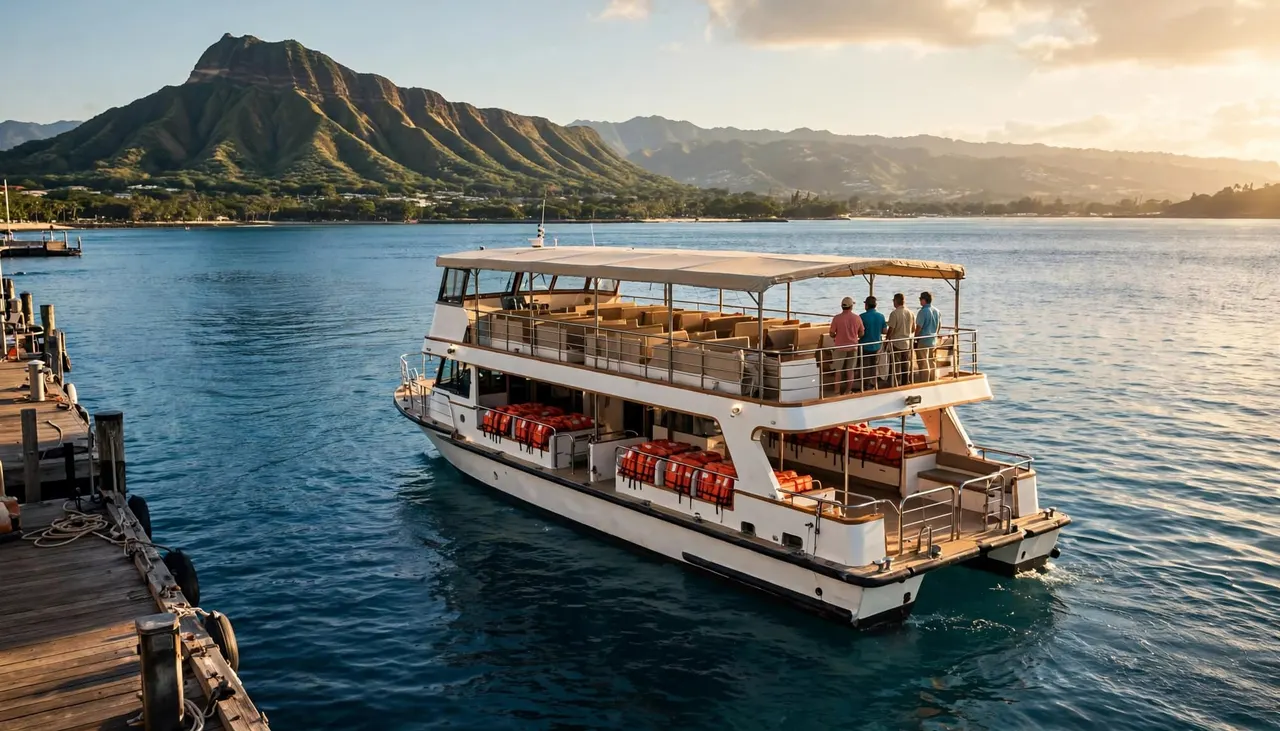
Living Ocean Tours operates family-friendly Honolulu ocean tours from Kewalo Basin Boat Harbor, minutes from Waikiki. Its Coast Guard-inspected double-decker vessels, the Coral Kai and Lokahi, have shaded seating, onboard restrooms, dry storage, and sturdy water-entry ladders.
The Lokahi also uses a SeaKeeper stabilization system that reduces side-to-side rolling. Living Ocean Tours is the only tour company with professional snorkel guides, so you can ask for help with gear fit, flotation, and water entry before you step off the swim platform.
Boat Tour Safety Gear Begins With Life Jackets
A life jacket, also called a personal flotation device or PFD, is the most important item among all boat tour safety gear. Before departure, notice where the crew stores them and ask questions before the boat moves.
Know the child life-jacket rules
Hawaii’s Division of Boating and Ocean Recreation says children age 12 and younger must wear a PFD aboard a vessel operating or anchored offshore. The Hawaii life-vest rule for children applies even when the boat isn’t moving.
Federal guidance uses slightly different language. The U.S. Coast Guard says children under 13 must wear a properly sized, approved wearable life jacket while a vessel is underway, unless they are below deck or in an enclosed cabin. Ask the crew how they want children fitted and seated.
Understand wearable and throwable PFDs
Federal requirements call for one USCG-approved wearable PFD per person aboard. Recreational boats longer than 16 feet also need a Type IV throwable device, such as a ring buoy or cushion.
You won’t need to identify every PFD type. Still, the Coast Guard’s PFD selection guide explains that Type I jackets suit open water where help could take longer to arrive.
In an emergency, follow crew direction before searching for belongings or moving across the deck. Your fastest safe action may be to stay seated until instructed otherwise.
Check Fit Before You Leave the Dock
Look for a secure, readable jacket
A PFD should have a readable approval label, intact straps, working buckles, and no tears or punctures. The Hawaii Department of Health’s PFD guidance recommends checking those basics before use.
When you put one on, fasten every buckle and tighten the straps. Tell a crew member if the jacket rides up toward your chin or feels too loose across your shoulders.
Wait for emergency instructions
During a normal snorkeling briefing, the crew may direct you to wear flotation. If an unexpected situation occurs, don’t rush to grab a jacket unless the crew has already told you to do so.
The captain may need passengers to remain seated, move away from stairs, or keep a pathway clear. Stay calm, listen for the instructions, and ask where your life jacket is during the pre-departure briefing.
Bring Personal Gear That Supports Your Comfort
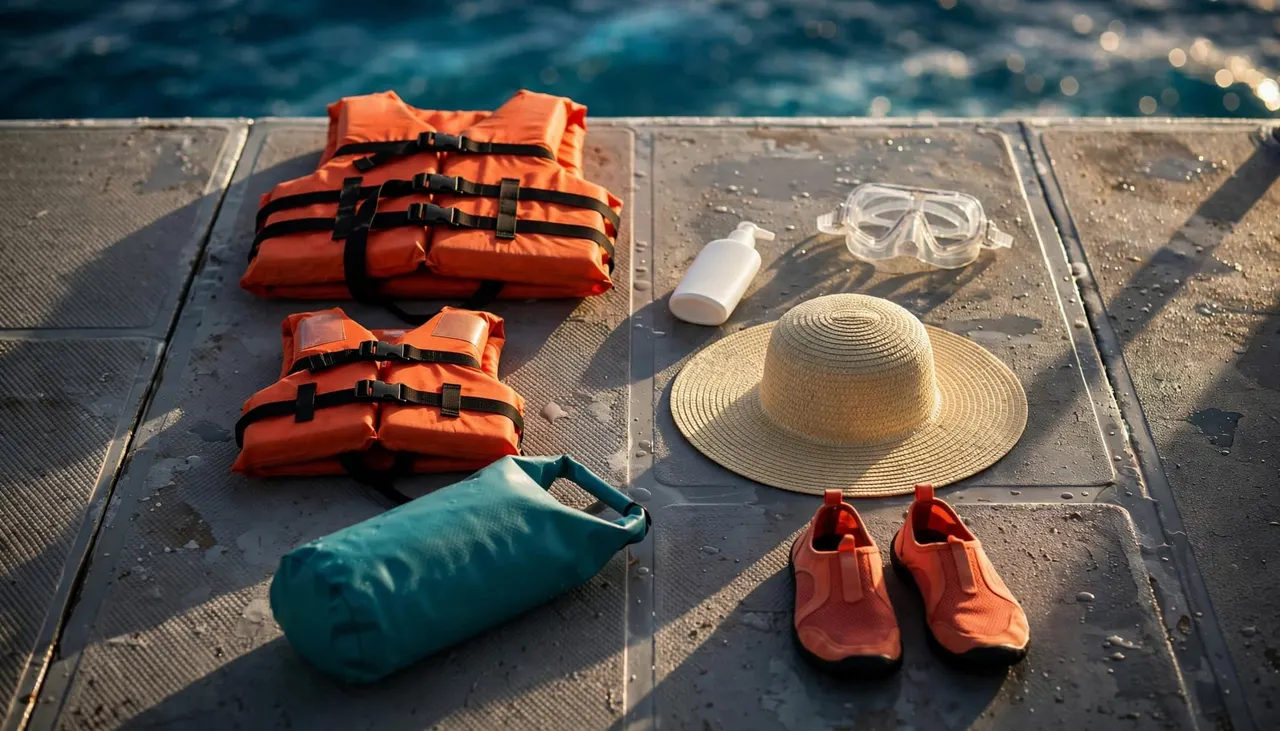
Personal boat tour safety gear isn’t complicated. A small bag, reef-safe sunscreen, sunglasses, a secure hat, water, and a light layer make the ride easier when wind or spray picks up.
Pack for movement, sun, and spray
Wear footwear with grip for the dock, then follow the crew’s instructions about shoes aboard. Keep your phone, room key, cards, and camera in dry storage or a waterproof pouch.
Choose a swimsuit that lets you climb a ladder comfortably. For snorkeling, ask a guide to check your mask seal and fin fit before you enter the water. A five-minute adjustment on deck can prevent a frustrating start in the ocean.
Prepare for motion sickness early
Even confident travelers can feel queasy on the water. Eat a light meal beforehand, drink water, and sit near the boat’s center when possible. Looking toward the horizon can also help.
For the Turtle Canyon snorkeling tour, Living Ocean Tours offers seasickness bands and Dramamine at the dock. Tell a crew member early if you feel dizzy, chilled, or unsteady.
Keep Decks, Ladders, and Railings Clear
Store loose items where the crew directs
A wet deck changes how you move. Put bags, towels, fins, bottles, and snorkel gear in assigned storage instead of leaving them near stairs or rails.
Hold a rail while the boat is moving. Don’t stand at the bow, climb between decks, or gather near a ladder unless the crew says the area is clear. Those habits protect you and make room for families, deckhands, and swimmers returning from the water.
Use the swim ladder one person at a time
Snorkelers often feel tired after floating, kicking, and watching wildlife. Take your time on the ladder, keep both hands available, and let the crew manage the flow.
You can also protect Hawaii’s reef by observing rather than touching. Give turtles, fish, coral, and seabirds room to behave naturally. Never chase, feed, touch, or crowd marine life.
Match Safety Gear to Your Waikiki Tour
Turtle Canyons and the deluxe snorkel cruise
The Turtle Canyons trip visits a natural cleaning station where Hawaiian green sea turtles are often seen. Living Ocean Tours reports a 95% turtle-sighting rate, although wild animals and ocean conditions always vary. Professional snorkel guides can help you with mask fit, buoyancy, and a calm return to the boat.
For a turtle-focused outing, CHECK AVAILABILITY.
The Deluxe Waikiki Snorkeling and Wildlife Cruise provides snorkeling gear, flotation devices, and drinking water. Its waterslide, trampoline, and floating lily pad suit families with mixed confidence levels, but everyone still needs to follow the crew’s rules around the swim area.
For a family reef day, CHECK AVAILABILITY.
Sunset, fireworks, and whale-viewing trips
A Honolulu sunset cruise calls for different boat tour safety gear. Bring a light jacket, secure your hat and sunglasses, and use railings as the vessel moves after dark.
For an evening on the water, CHECK AVAILABILITY.
Humpbacks may arrive as early as September, but the DLNR whale-watching FAQ identifies January and February as the peak period. NOAA describes the broader Hawaii whale season as November through May, with peak abundance from January through March.
A Waikiki whale watching tour is a good time to bring sunscreen, sunglasses, a light layer, and a camera with zoom. Keep children beside you and let the crew direct safe viewing positions.
For seasonal departures, CHECK AVAILABILITY.
Key Takeaways
- Know where life jackets are stored before the boat leaves the dock.
- Wear a properly fitted PFD whenever the crew instructs you to do so.
- Keep bags, bottles, towels, and fins away from stairs, ladders, and railings.
- Pack reef-safe sunscreen, water, a light layer, and dry storage for valuables.
- Tell a crew member early if you feel seasick, anxious, cold, or unsteady.
- Give wildlife and coral space, because respectful viewing protects Hawaii’s marine environment.
Frequently Asked Questions
Should you bring your own life jacket?
Most established operators carry required flotation equipment. Still, you can bring a personal USCG-approved PFD if it fits you or your child better. Contact the operator ahead of time if you have questions about its use aboard.
What should you do if you miss the safety briefing?
Ask a crew member to repeat the instructions before you move around the vessel. Don’t guess about life jacket locations, restroom access, seating, water entry, or which stairway to use.
Can you take your belongings during an evacuation?
Take only what the crew directs you to take. Your phone, sandals, and beach bag matter far less than clear walkways and a quick response to the captain’s instructions.
A Safe Waikiki Ride Leaves Room for Wonder
The best boat tour safety gear supports a simple goal: helping you focus on the reef, the coastline, and the people sharing the ride with you. Arrive early, secure your belongings, listen to the crew, and speak up before a small comfort issue becomes a bigger problem.
With preparedness and respect for the ocean, your first Waikiki boat tour can feel relaxed from the harbor to the open Pacific.


