
Boat tour route change: What happens mid-trip?
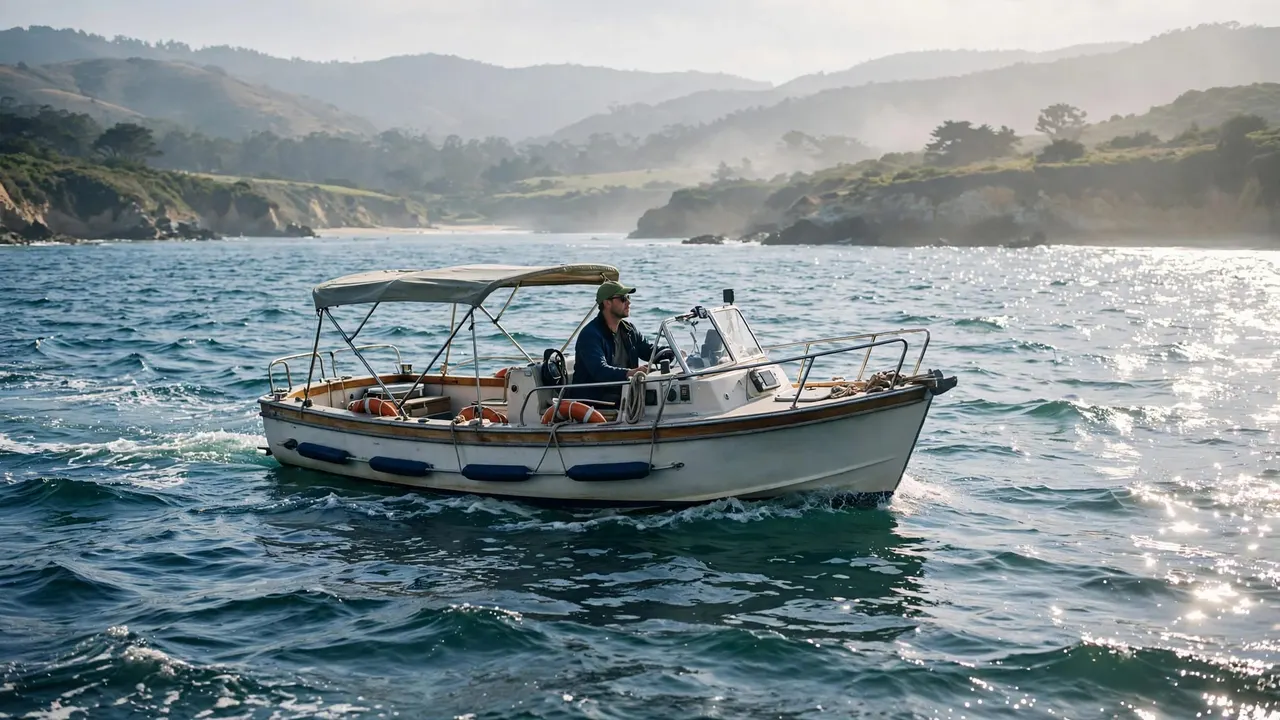
A boat tour route change means your captain has adjusted the planned course, stop, or timing in response to conditions on the water. You might visit a different area, spend less time at a stop, or return to the harbor earlier than expected.
At Living Ocean Tours, we want you to feel comfortable when plans shift. A change doesn’t automatically mean an emergency. It often reflects a safety decision that helps the crew respond to the ocean as it is that day.
Why a boat tour route change happens
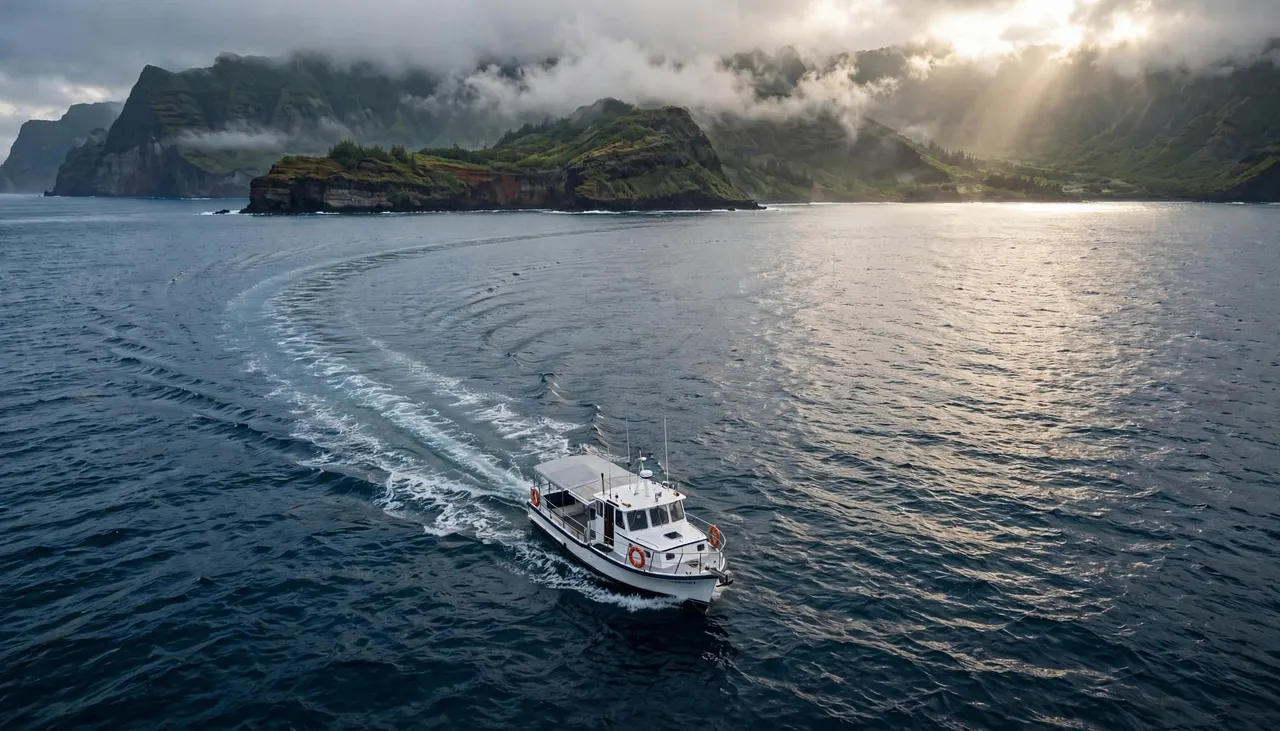
Your captain may leave the harbor with a destination in mind and encounter different conditions along the way. A sheltered departure point can feel calm even when the water beyond it is choppy.
Wind, swell, and visibility
Wind can make a ride rougher or affect how easily guests enter and exit the water. Swell can also make a planned stop less comfortable, even when the sky looks clear. At a snorkel site, stirred-up sediment may reduce underwater visibility.
A captain may respond by changing direction, slowing down, or selecting another area. NOAA’s marine weather warning guidance describes advisories for winds and sea conditions that may be hazardous to small craft. The actual decision also depends on the vessel and conditions encountered during the outing.
Traffic and activity at sea
Other boats, paddlers, and vessels can affect the path your captain takes. A busy area may call for a slower approach or a different direction of travel.
Wildlife can also influence how a crew proceeds. Animals move freely, so an encounter may happen away from the original plan. Your crew should give wildlife room and avoid turning a sighting into a chase.
How the captain makes the call
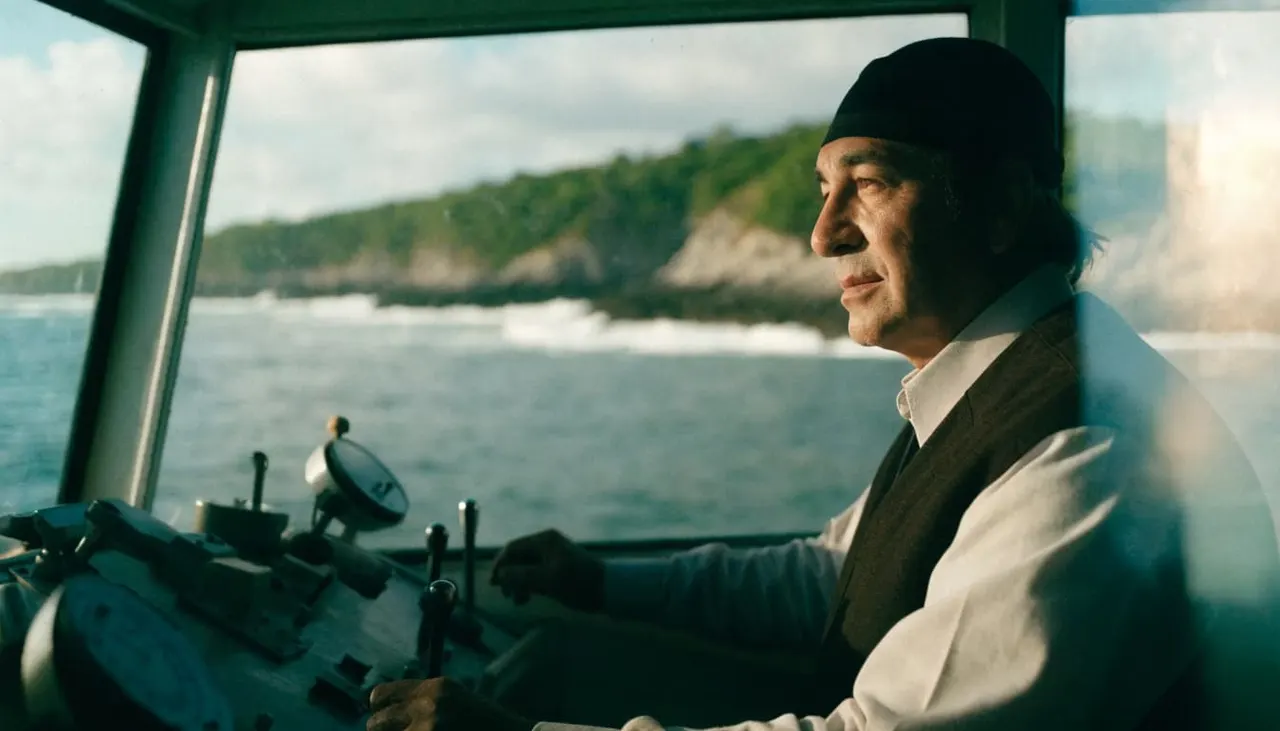
The captain considers the conditions around the boat, the planned activity, and the people aboard. A boat tour route change can be a small adjustment or a larger change to the day’s plan.
The new course
You may notice the boat turn, reduce speed, or move toward a more sheltered area. Sometimes the crew may change the order of activities or decide that a water stop isn’t suitable.
The choice depends on what the captain sees at that moment. A route that works for one departure may not suit another trip later in the day. Likewise, a comfortable ride doesn’t guarantee that the water is suitable for snorkeling.
The update to guests
Your crew may explain the adjustment over the boat’s speaker or speak with guests directly. Listen for practical details, such as whether you need to remain seated or whether the planned stop has changed.
If you miss an announcement, ask a crew member to repeat it when they’re available. You don’t need to interpret every turn yourself. Focus on the instructions that apply to you and your group.
What you should do while the boat changes course
Your response can help the crew make the adjustment without extra distractions. Put your camera down when an instruction requires your attention, and keep bags out of walkways.
Stay seated when asked
A turn, a rough patch, or a change in speed can make it harder to balance. If the crew asks you to sit, stay in your seat until you’re told it’s safe to move.
When you do get up, use a railing and take your time. Ask for help if you feel unsteady, especially before using stairs or crossing an open deck. Your preferred photo spot can wait until the boat is ready for movement.
Keep your group informed
Families can choose one adult to coordinate questions, while making sure everyone understands the crew’s directions. Give each child a named adult during boarding and movement around the boat. If another adult takes over, say so clearly.
A crew-approved meeting place can help your group stay together without blocking a passage. If someone in your party needs face-to-face instructions or a demonstration, let the crew know. You can ask for a repeat whenever an announcement is hard to hear over wind or conversation.
How a route change affects snorkeling
A boat tour route change may alter where or when you snorkel. The crew may choose another suitable area, shorten the water activity, or keep guests aboard if the conditions don’t support a safe entry.
That decision can be disappointing if you came ready to swim. However, the ride to a reef and the conditions at the ladder are separate considerations. A site needs to work for getting into the water and returning to the boat.
Enter the water only when directed
Wait for the crew’s instructions before putting on your gear or approaching the entry area. Pay attention to the location of the ladder, the guide, and the boundaries for swimming.
If you don’t understand a signal or instruction, remain aboard until a crew member clarifies it. You can also tell the crew about swimming concerns before the stop. A little extra guidance can make the experience more comfortable for a first-time snorkeler.
Staying aboard is an option
You don’t have to enter the water because everyone else does. If the ride has left you tired or uneasy, let the crew know you’d rather stay on board.
On our snorkeling trips, we provide flotation support and guidance for guests who want help in the water. Depending on conditions and wildlife activity, you may also enjoy views of the coast or marine life from the boat.
What happens to wildlife viewing?
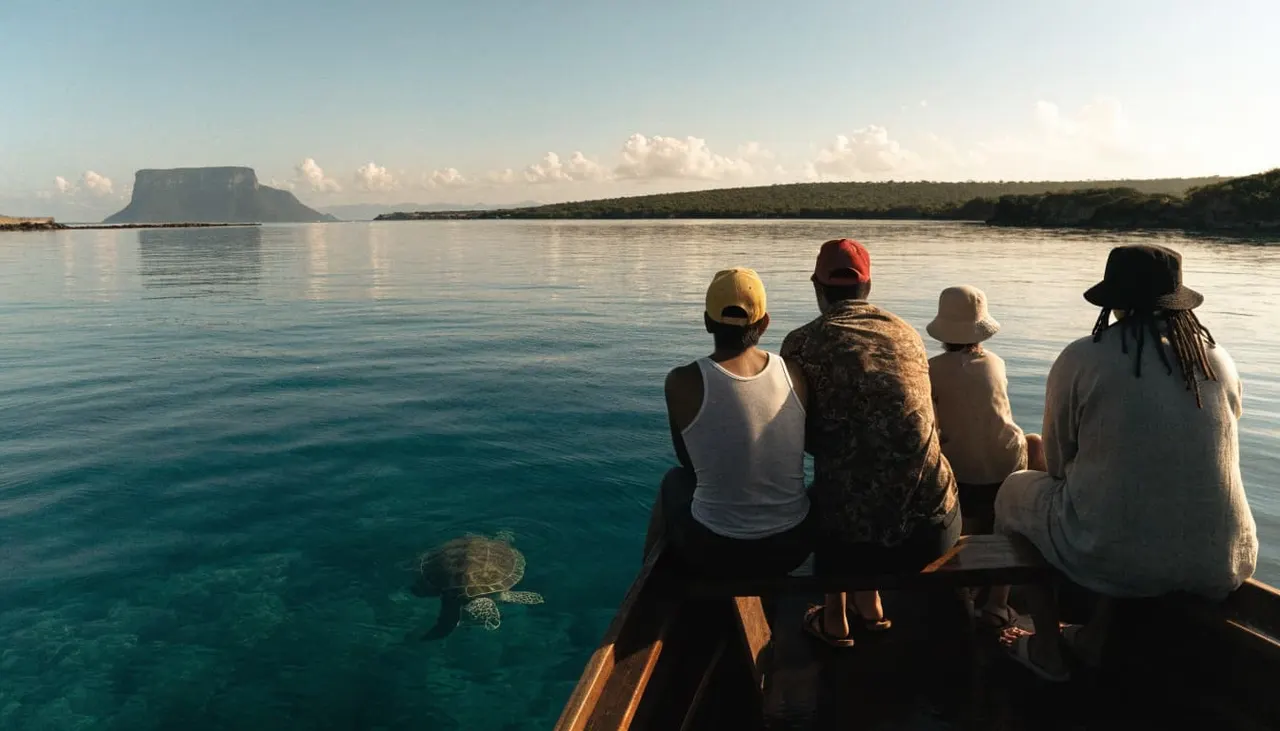
A different course doesn’t rule out a memorable wildlife encounter. It does mean the scenery and animals you see may differ from what you expected. Sea turtles and other marine animals move on their own schedules, so sightings are never guaranteed.
Give animals space whether you’re swimming or watching from the deck. NOAA recommends staying at least 10 feet away from sea turtles in Hawaii, both in the water and on land. Its marine wildlife viewing guidelines also explain how to observe animals without disturbing them.
If a turtle approaches you, stay calm and give it room to pass. Don’t touch, feed, or follow it. Your guide can help you enjoy the sighting while respecting the animal’s space.
How a boat tour route change affects timing
A route adjustment doesn’t always mean the tour will end early. Your captain may take a different path and continue the outing, or the crew may change the length of an activity to account for conditions.
Returning earlier or later
If the weather worsens or a guest needs assistance, the captain may decide to head back. In other circumstances, the return may take longer because the boat needs to slow down or take another course.
Leave some room in your schedule after an ocean outing, especially if you’re traveling with children or arranging transportation. That extra time can make an unexpected adjustment less stressful.
Changes and booking terms
A changed route, a shortened trip, and a canceled departure are different situations. Your booking terms determine what options apply, so keep your reservation and receipt accessible.
A different stop or a missed wildlife sighting doesn’t automatically mean a refund or replacement trip. If you purchased through a booking platform, keep that confirmation with your tour details. It identifies where you made the reservation if you need help afterward.
Planning your outing with Living Ocean Tours
Our tours depart from Kewalo Basin Boat Harbor in Honolulu, near Waikiki. We welcome first-time snorkelers and experienced swimmers, and our professional snorkel guides help guests feel more comfortable in the water.
Our Turtle Canyon Snorkel Tour is a two-hour outing with approximately one hour of snorkeling time under the usual plan. Conditions can affect that plan, so your crew will give you the day’s instructions aboard.
You can CHECK AVAILABILITY for the Turtle Canyon trip when you’re ready to plan your visit.
For other ways to enjoy the Waikiki coast, you can explore our available ocean outings below.
Frequently asked questions about route changes
Does a changed route mean something is wrong?
A boat tour route change doesn’t automatically mean there’s an emergency. Your captain may be responding to wind, swell, traffic, or conditions at a planned stop. Listen to the crew’s update and follow any directions about seating or movement.
What should you do if you feel seasick?
Tell a crew member early, rather than waiting until you feel worse. A seat with a view of the horizon may help you feel more comfortable. Ask the crew for assistance if you’re dizzy or unsteady, and avoid moving around alone.
For advice about motion-sickness medication before a future trip, speak with a health professional.
Can you still enjoy the tour if you don’t snorkel?
Yes. You can stay aboard and enjoy the coastal views while other guests swim, provided the crew has approved the stop. Tell a crew member if you’re staying on the boat so they know your plans.
Key takeaways for a smoother trip
- A route change can affect the destination, speed, timing, or planned water activity.
- Follow crew instructions first, especially when you’re asked to sit or keep a passage clear.
- Tell the crew about discomfort or communication needs as soon as you can.
- Give wildlife space and keep your reservation details accessible.
Enjoy the ocean with a flexible plan
A boat tour route change can alter your day, but it doesn’t have to take away from it. The coastline, open water, and chance to observe marine life can still make the outing special.
Give your crew room to make the call and ask for clarification when you need it. With a flexible plan, you can spend less time worrying about the original route and more time enjoying the water.


