
Boat Tour Planning for Guests With Limited English
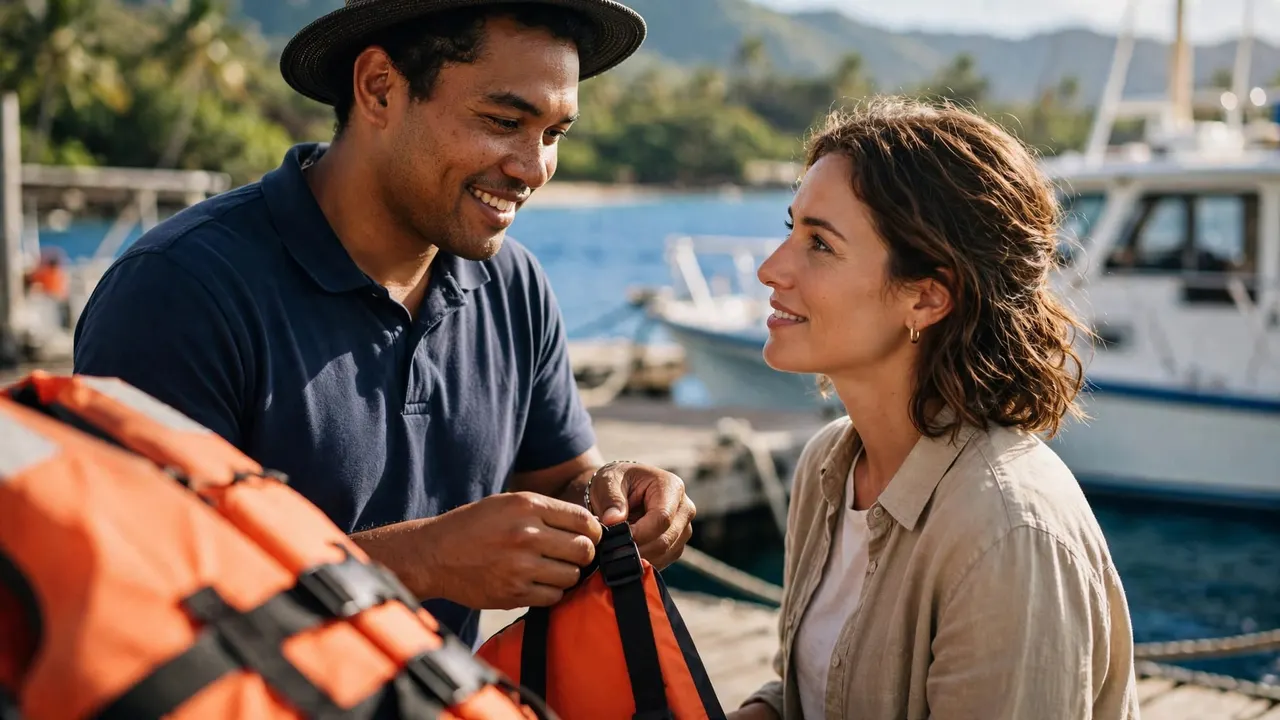
Wind and engine noise can make a simple boat announcement difficult to understand. For your Living Ocean Tours outing, boat tour planning starts with knowing how you’ll receive instructions and request help.
You don’t need fluent English to enjoy Hawaii’s ocean scenery, but you do need a clear communication plan. Confirm the support available before booking, then ask questions while you’re still at the dock. Start with the moments that matter most: boarding, safety instructions, and entering the water.
Start boat tour planning with language support
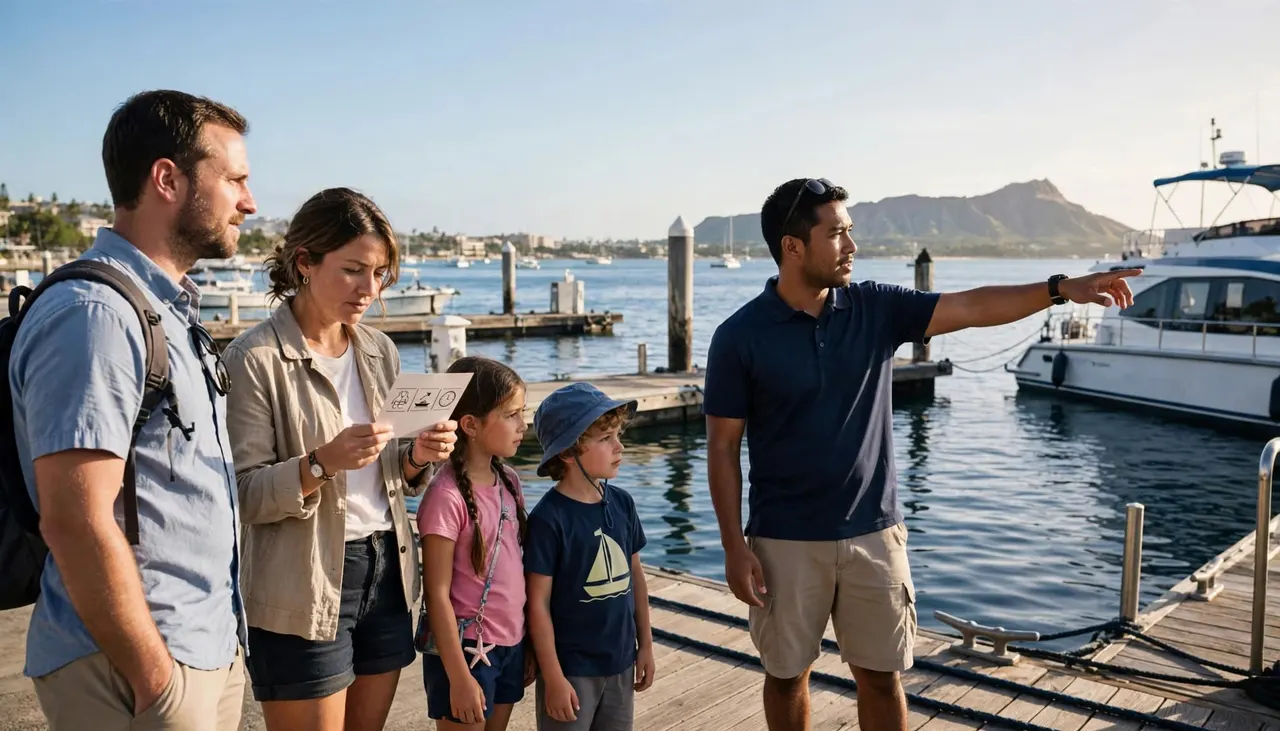
A useful booking conversation explains what helps you understand. Asking whether a tour is “accessible” won’t necessarily answer your language questions.
Ask about your particular departure
Tell the operator your preferred language and whether you understand written English better than spoken English. Then ask how the crew delivers safety information and communicates changes aboard.
Don’t assume a multilingual website means a crew member speaks your language. Likewise, translated booking information doesn’t confirm that an interpreter will be aboard.
Ask whether face-to-face explanations, demonstrations, or written clarification are available on your departure. If you need an interpreter, confirm whether that arrangement is possible before paying.
Prepare a short message before contacting the team
Keep your request direct: “I speak limited English. Can you demonstrate the safety instructions and show me how to ask for help?”
Also mention whether your companions need the same support. One fluent traveler doesn’t automatically understand or relay every announcement.
For boat tour planning, separate language needs from swimming ability. Tell the operator if you’re a beginner, aren’t comfortable in open water, or need help using a ladder. Those details require their own answers.
Choose an outing that fits your group’s confidence
Living Ocean Tours is a family-owned Honolulu company offering snorkeling and sightseeing experiences. Its professional snorkel guides are an important consideration when you’re comparing support in the water.
Before choosing, ask how guides help guests understand equipment, water entry, and return procedures. Professional guidance doesn’t automatically mean instruction is available in your preferred language, so confirm that separately.
If your family wants to snorkel, everyone entering the water should understand the briefing and meet the participation requirements. However, if you prefer coastal views without swimming, ask about an outing focused on sightseeing.
Recent reviews can help you assess the guest experience. Look for comments about patient explanations, beginner support, and how crew members respond to questions.
Before booking with Living Ocean Tours, get answers about communication support, swimming requirements, and cancellation terms. Then choose the experience that matches your group’s comfort rather than the one with the busiest activity schedule.
Leave time to review the confirmation together afterward. Your departure details should be clear to everyone attending, not only the person who purchased the tickets.
Make check-in easy before leaving your hotel
Good boat tour planning also prevents confusion on shore. Your confirmation should answer where to meet, when to arrive, and what to bring.
Save the details you need offline
Save your confirmation, meeting-point instructions, and the operator’s contact information before leaving your hotel. A screenshot is useful if your connection drops or your roaming plan doesn’t work.
Check whether the listed time is check-in or departure. Those are different stages, and arriving at departure time may leave you without time for boarding or the briefing.
If you’re taking a rideshare, use the meeting location in your confirmation. A harbor name alone may not identify the correct boarding area.
Use translation tools before the rush
Google Translate can help you prepare short questions, although availability and accuracy vary by language. Where supported, download your language for offline use before heading out.
Translate one instruction at a time. Long paragraphs can hide a missed detail, especially when they combine timing, equipment, and safety directions.
Keep a written backup for essential requests, such as needing help or feeling unwell. At check-in, show your message and ask whom you should approach aboard.
Turn the safety briefing into clear actions
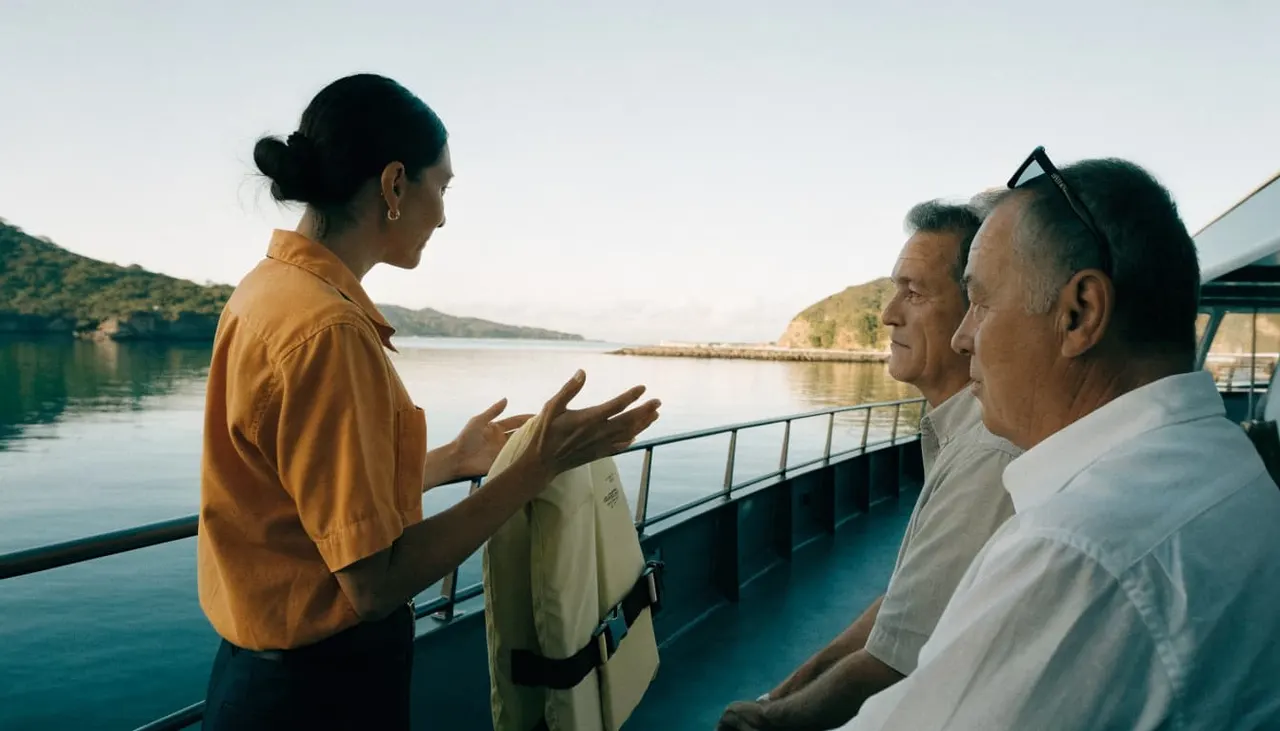
Safety communication deserves a place in your boat tour planning, even if you’ve taken boat trips before. Each vessel has its own layout and procedures.
Ask the crew to show you
Before departure, identify life jacket storage, restrooms, stairs, and the crew members you can approach. Ask where to sit and which passages must remain clear.
Request a demonstration if you don’t understand how a life jacket fits. If you’re traveling with children, ask about correctly sized equipment and the rules for their participation.
The U.S. Coast Guard’s recreational boating guide provides general safety context. Recreational boating rules aren’t identical to inspected passenger-vessel requirements, so follow your crew’s instructions for the boat you’re aboard.
Confirm understanding instead of nodding
Polite agreement can conceal confusion. Rather than saying “yes” automatically, point to the location or repeat the action you understood.
For example, say, “I stay seated here until you tell me to move.” The crew can then correct a misunderstanding before it matters.
Ask how you’ll receive instructions if wind or engines make an announcement hard to follow. Choose crew-approved seating with a useful view of the person speaking.
A translated booking confirmation doesn’t replace understanding the safety briefing for your actual departure.
Prepare snorkeling signals before entering the water
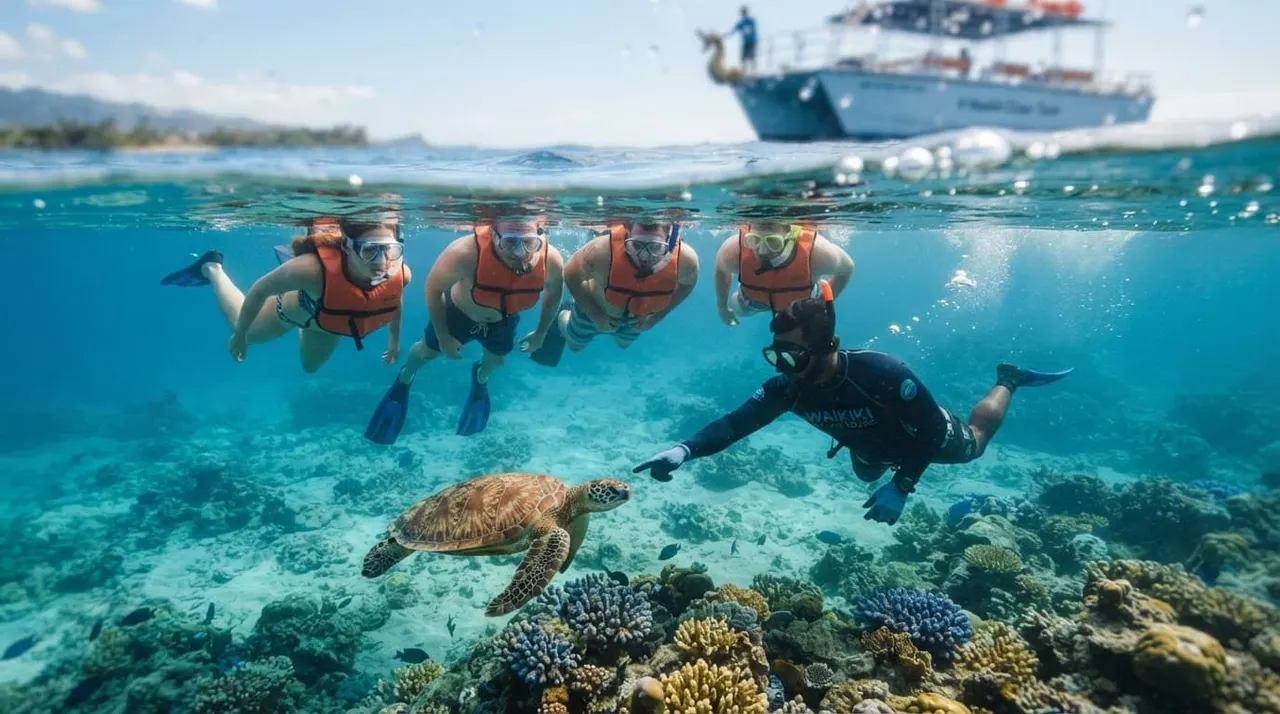
Once your face is in the water, conversation becomes harder for everyone. Agree on the crew’s signals before you put on your mask.
Practice the signals and equipment steps
Ask the guide to demonstrate how to signal that you’re comfortable, need assistance, or want to return aboard. Follow that crew’s system rather than gestures you remember from another trip.
Next, have your mask seal and fin fit checked. Watch the demonstration for entering the water, approaching the ladder, and removing equipment.
Don’t enter because another guest has started swimming. Wait for your own instructions and tell the guide if you’re unsure, tired, or nervous. You shouldn’t have to guess your next step at the ladder.
Confirm your buddy and wildlife boundaries
Choose a buddy, but remember that a companion doesn’t replace guide supervision. Confirm where you may swim and how to stay within the designated area.
Also learn the wildlife rules before an encounter. NOAA’s marine-life viewing guidelines discourage touching, feeding, or attempting to interact with wild marine animals.
Keep your phone aboard rather than relying on translation while swimming. Your communication plan in the water should use agreed signals and direct access to the guide.
If you can’t understand an essential instruction, remain aboard until the crew clarifies it.
Keep your family connected when plans change
Leave room in your boat tour planning for changing conditions. Wind, swell, or vessel traffic can affect what the captain asks passengers to do.
Choose one adult to coordinate your party’s questions and updates. However, that person shouldn’t become the only guest who understands where to sit or how to request assistance.
For children, name the adult responsible during boarding and movement around the boat. If you switch responsibilities, confirm the handoff directly. Avoid an arrangement where everyone assumes someone else is watching.
Agree on a crew-approved meeting spot that doesn’t block walkways or require unnecessary stair use. Tell companions before leaving that area, and notify the crew if someone steps away after check-in.
Report dizziness, breathing difficulty, unusual confusion, or other concerning symptoms promptly. If you feel unsteady, don’t cross the deck or use stairs alone.
Ask for an instruction to be repeated before acting. Meanwhile, keep bags and loose belongings away from stairs, ladders, and access to safety equipment.
Protect the wildlife you came to see
Clear instructions help you enjoy wildlife without crowding it. Before snorkeling, ask the guide to demonstrate the space you should leave around animals and coral.
Observe turtles without touching, chasing, or blocking their path. Leave room for them to surface and move away. Likewise, keep your fins and body away from the reef.
For viewing sea turtles from a boat, NOAA’s boat-based marine-life viewing guidance recommends remaining at least 50 yards away. That advice applies to boat-based viewing, not a universal snorkeling-distance rule.
In the water, follow the guide’s instructions and the viewing guidance appropriate to your location. Don’t swim closer because another guest does, and never feed wildlife to attract it.
A sighting can also happen while the boat is moving. Stay where directed rather than rushing to another deck for a photo.
Ask for wildlife rules in a form you understand before the excitement starts. You’ll be better prepared to enjoy the encounter while giving the animal space.
Key Takeaways
Your communication plan should cover the whole outing, especially transitions between activities.
- Confirm language support for your specific departure before booking.
- Save meeting-point details and prepare short translated requests.
- Ask for demonstrations, then repeat the action you understand.
- Learn snorkeling signals and return procedures before entering the water.
- Assign children to a named adult and report discomfort early.
Keep a backup communication method that doesn’t depend on a phone. In the water, agreed signals and attention to your guide matter more than an app.
Enjoy the ocean with a clear communication plan
Thoughtful boat tour planning gives you fewer instructions to guess at and more confidence when activities begin. Confirm the available support, watch demonstrations, and ask for clarification before acting.
Your strongest preparation is shared understanding between you, your companions, and the crew. With that in place, you can spend more of your outing enjoying Hawaii’s coastline and marine life instead of trying to decode the next announcement.


