
Boat Tour Payment Methods: What to Settle Before Sailing
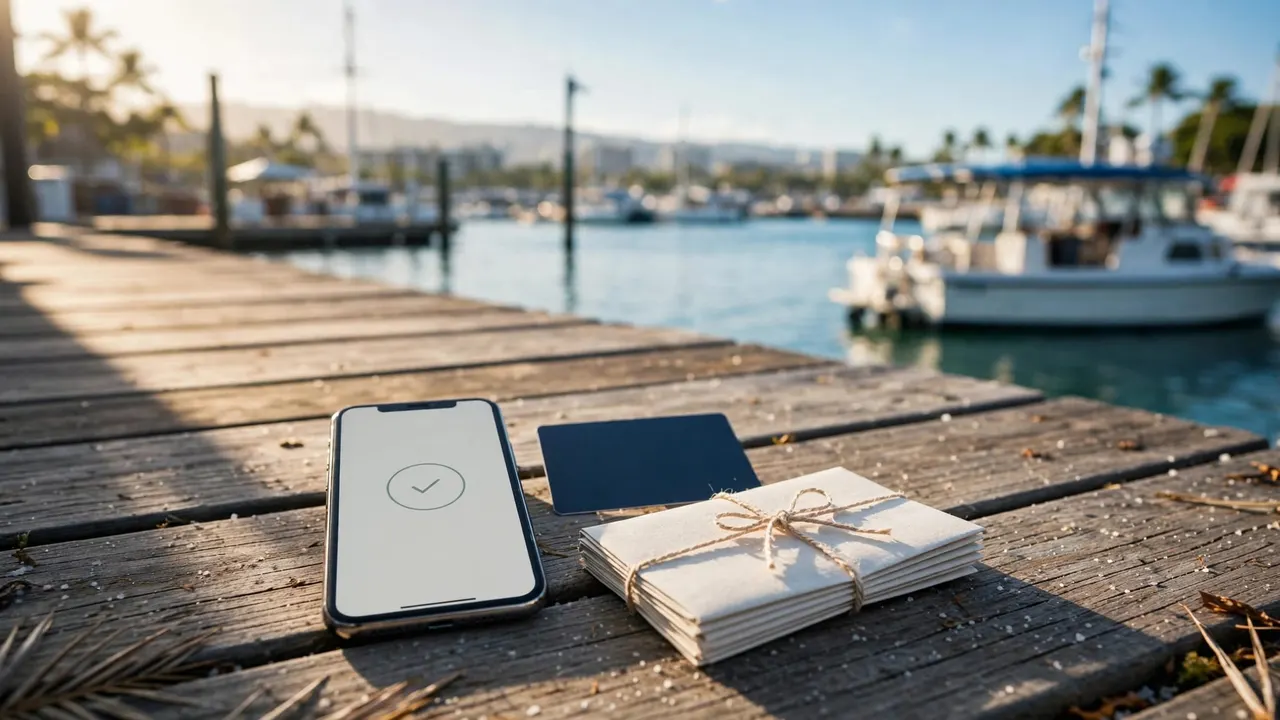
A payment receipt won’t help much at the harbor if you can’t find your reservation or boarding instructions. Understanding boat tour payment methods means keeping three things separate: how you paid, what you booked, and what you need to board.
At Living Ocean Tours, we want you arriving at Kewalo Basin Boat Harbor ready for the water, with your payment records already organized.
Start with the options offered at checkout, then keep your receipt and reservation together before departure day.
How boat tour payment methods work at checkout
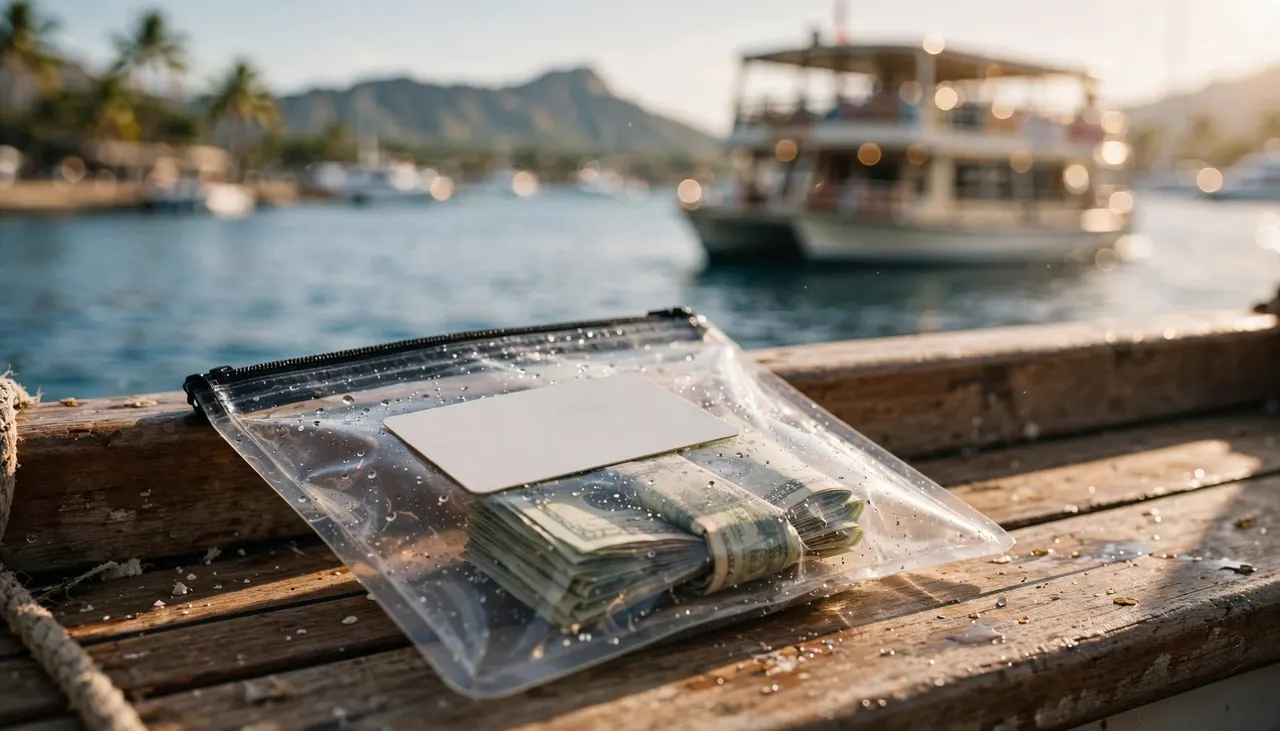
Your usable payment options are the ones available for the transaction you’re completing. A familiar payment logo elsewhere on a website doesn’t establish an option for every purchase.
Also, paying for your reservation and paying for something during your outing are separate transactions. Keep those expenses separate in your travel budget.
Credit and debit cards draw on different funds
A credit card uses your available credit. A debit card generally draws money from your linked bank account. Therefore, choose a card whose available funds comfortably cover the purchase without interfering with other vacation expenses.
The FTC’s comparison of payment card types explains these differences, including prepaid cards. For a family booking, the distinction matters because one purchaser may cover several tickets at once.
Use accurate billing information and a card you can continue managing during your trip. Keep access to your banking app so you can recognize the transaction later.
Digital wallets and cash have different roles
Apple Pay and Google Pay can simplify payment where they’re offered. However, carrying a phone with a digital wallet doesn’t mean every checkout supports it.
Cash doesn’t create an online reservation. Likewise, a completed online purchase doesn’t establish which payment options are available aboard a boat.
Keep any cash you carry dry and separate from your boarding documents. That way, retrieving spending money won’t mean unpacking your entire travel bag.
Paying online versus arriving at the dock

Online payment gives you a transaction record before you leave your hotel. However, that record and your reservation confirmation perform different jobs.
A bank notification shows activity on your account. Your reservation identifies the outing, passengers, and scheduled departure.
Finish the reservation before planning around it
Complete the booking process through its confirmation screen. Then save the resulting reservation email, rather than stopping when your banking app reports a charge.
If an email doesn’t appear immediately, search your inbox and spam folder using the business or booking platform name. Avoid purchasing replacement tickets while the first transaction remains unresolved.
Payment authorization, processing, and a completed reservation aren’t interchangeable. A pending card entry alone doesn’t supply a reservation number or boarding instructions.
For couples coordinating dinner afterward, the confirmed departure details provide a dependable starting point for the rest of the evening.
Keep payment tasks away from boarding
Don’t build your arrival plan around an unestablished dockside payment option. Instead, use your completed booking record as the basis for your trip.
Before leaving, download any ticket, voucher, or QR code included with your reservation. Charge your phone and keep the file accessible without mobile service.
Boarding time is better spent organizing children, listening to the crew, and moving safely along the dock. Payment paperwork belongs in your hotel room, where you have time and a dry surface.
Keep your receipt and reservation together
Boat tour payment methods affect how money moves. Your booking documents explain which experience that money purchased.
Store the receipt and confirmation in one folder on your phone. If you booked through a marketplace, retain its receipt and purchase terms alongside the operator’s arrival instructions.
Your receipt identifies the transaction
A useful payment record includes the amount charged, transaction date, and seller information. Keep it with your reservation number so you can connect the financial record to the correct outing.
The seller that collected your money may differ from the company operating the boat. As a result, a marketplace purchase can produce separate messages about payment and arrival.
Our guide to saving boat tour booking emails covers the documents worth keeping together. Retain the original messages as well as screenshots, because screenshots may omit attachments or longer instructions.
Your confirmation identifies the passengers and departure
Your reservation should connect your name with the tour date, departure time, and passenger count. Similar-looking listings can describe different activities, so keep the experience name visible too.
Also, distinguish check-in time from departure time. Arriving when the boat is scheduled to leave can leave no time for boarding.
A card receipt records a payment. It doesn’t replace a reservation number, boarding document, or meeting-point instruction.
Save the exact meeting location rather than relying on a general harbor map pin. Share those details with everyone attending, even if only one person purchased the tickets.
Divide group payments without duplicate bookings
A shared ocean outing gets easier when everyone understands who books and who reimburses. Set that arrangement before money changes hands.
For boat tour payment methods, distinguish the payment made to the seller from transfers between friends. A Venmo reimbursement to your booking lead doesn’t create a separate tour reservation.
Choose one booking lead when one person pays
Assign one person to hold the confirmation and maintain the passenger list. That person needs enough available funds for the purchase, plus a clear reimbursement arrangement.
Record the actual receipt total and each traveler’s share in your group chat. Equal splits work when everyone purchased the same ticket and receives the same experience.
Set a reimbursement deadline before departure day. Otherwise, your booking lead may spend the morning chasing transfers instead of getting ready.
Our guide to splitting boat tour costs offers a practical way to keep the arrangement visible to everyone.
Keep separate household purchases separate
When households book independently, each purchaser should retain their own receipt and confirmation. The group coordinator can collect reservation numbers and departure details without collecting everyone’s banking information.
Match the tour name, date, and time across the reservations. Similar departure options can easily lead two families to book different outings.
Keep a short record of who has purchased and who hasn’t. This prevents someone from buying tickets for a household that already completed its reservation.
If one booking changes, preserve the updated confirmation with that household’s original record. Other reservations remain distinct unless an approved update says otherwise.
Protect your payment information while traveling
The FTC’s guidance on authorized billing states that businesses must take steps to keep charges authorized. You can also reduce avoidable exposure by keeping payment details out of group conversations.
Never send a photo of the front and back of your card to another traveler. Instead, share the amount owed and the reservation information they need.
For boat tour payment methods involving a wallet app, protect your phone with a passcode or biometric lock. Keep account recovery details available without storing passwords in an unprotected note.
Use the booking page you intended to visit, rather than an unexpected payment request in a message. Also, avoid sharing one-time banking security codes with anyone asking to complete a purchase for you.
Before boarding, place your wallet and phone in protected storage. Carry only the payment items you need for the outing, and avoid leaving valuables visible in a parked vehicle.
Finally, preserve receipts without exposing full card details. Your reservation number and transaction record are useful for organizing your trip; your complete card number isn’t necessary in a shared group chat.
Handle confusing charges with a clear record
If a charge looks unfamiliar, compare it with your saved receipt before treating it as a second purchase. A booking platform or payment business may appear in transaction details rather than the tour name you remember.
Also, distinguish pending entries from posted charges. Keep the booking email, receipt, and account record together so you can describe what happened accurately.
The FTC’s credit-card billing dispute guidance explains the process for handling credit-card billing errors. That process differs from changing a reservation or transferring money between friends.
When seeking help with a transaction, provide the purchase date, amount, seller name, and reservation number. Don’t send complete card details in ordinary email.
A second booking isn’t a correction to the first booking. Likewise, a reimbursement from another traveler doesn’t erase your original card transaction.
Keep any written response with the original receipt. A complete record saves you from rebuilding the timeline while you’re traveling and makes it easier to separate booking questions from banking questions.
Arrive ready for your Living Ocean Tours outing
With us at Living Ocean Tours, your ocean adventure begins at Kewalo Basin Boat Harbor near Waikiki. Keep your reservation, payment receipt, and arrival instructions accessible before you head toward the water.
When choosing your experience, consider the support included alongside the fare. We’re the only tour company with professional snorkel guides, giving you guidance for your time in the water. Our approach also centers on respecting marine life: observe wildlife without touching it.
Organized payment records leave you free to focus on that experience. Boat tour payment methods are easier to manage when your purchase and boarding documents stay together.
Choose your outing when your group has settled on its departure plans. After booking, share the confirmation with everyone attending and keep each passenger’s details organized.
Key Takeaways Before Departure
- Use the payment options offered for your purchase, without assuming the same options apply aboard the boat.
- Save your receipt, reservation number, passenger details, and boarding instructions together.
- Keep group reimbursements separate from ticket purchases, and record who has completed each transaction.
- Download your documents before leaving your hotel so a weak connection doesn’t interrupt arrival.
The most useful preparation connects each payment to the right reservation and each reservation to the people boarding.
Leave the Payment Paperwork on Shore
Your receipt, confirmation, and boarding instructions each have a different purpose. Keeping them together prevents a successful payment from becoming a confusing arrival.
Settle shared expenses early and protect your payment information. Then arrive with your documents accessible and your attention on the crew.
Good preparation leaves you with less paperwork at the dock and more time to enjoy your ocean outing.


