
Boat Tour Operator Credentials: Questions to Ask
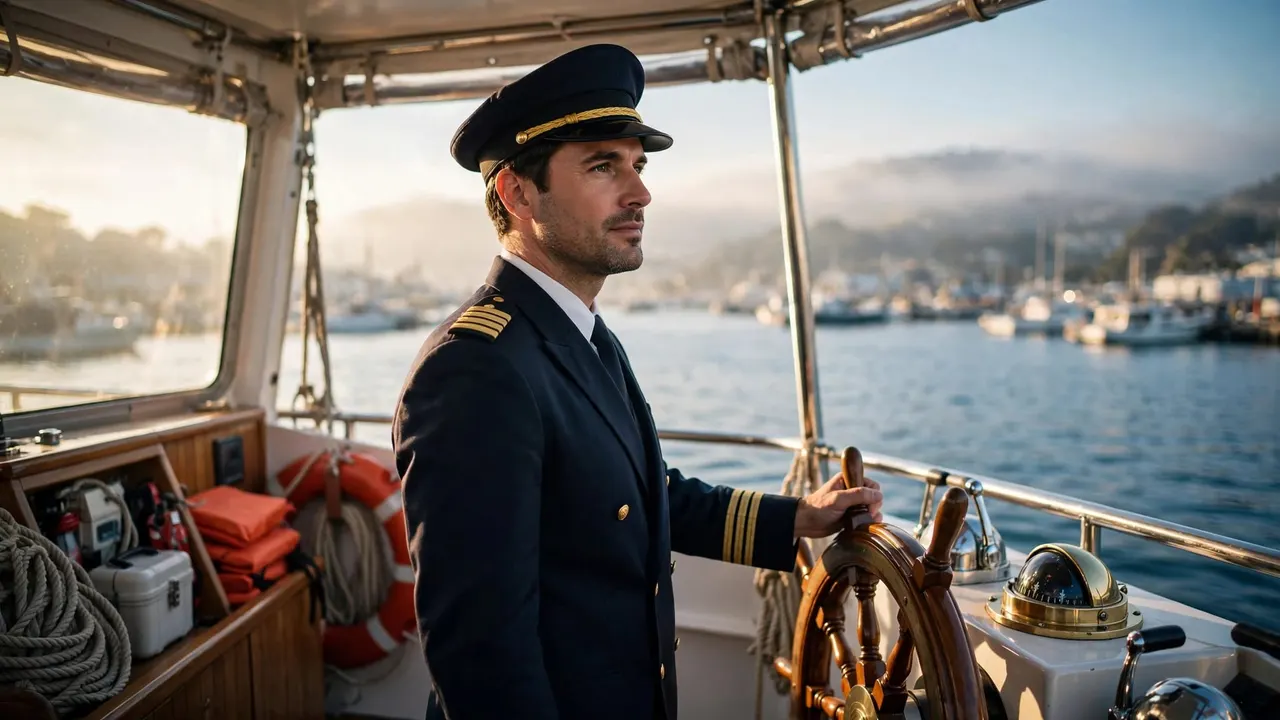
The most useful boat tour operator credentials tell you who is qualified to run the vessel, whether the boat is inspected, and who will support you during the activity. At Living Ocean Tours, we want you to feel comfortable asking about each part of your trip.
A beautiful boat and friendly reviews can help you choose, but they don’t tell you everything about the crew or safety plan. These questions can help you compare companies with more confidence.
Which Credential Does the Captain Hold?
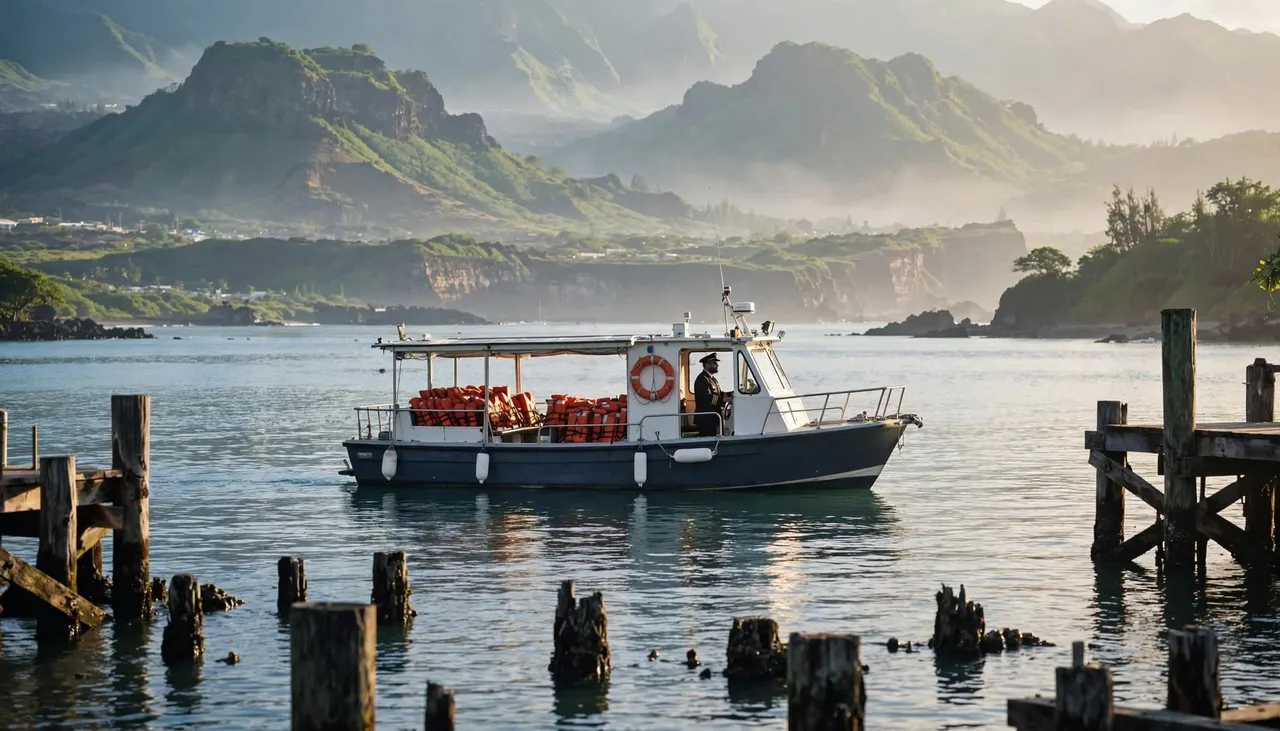
A captain’s credential is one part of the picture. The qualification needs to match the vessel and the type of passenger operation. When you compare boat tour operator credentials, consider the captain’s endorsement alongside the boat’s inspection status.
What do OUPV and Master mean?
An Operator of Uninspected Passenger Vessels endorsement, often called an OUPV, is appropriate for certain uninspected boats carrying six or fewer passengers for hire. You might encounter it on a small private charter.
A Master endorsement is appropriate for operating many Coast Guard-inspected small passenger vessels that carry more than six passengers. The U.S. Coast Guard’s charter boat captain guidance describes both endorsements and the types of operations they cover.
Does the credential tell you the passenger limit?
A captain’s endorsement and a vessel’s passenger capacity are separate matters. The endorsement identifies the mariner’s qualifications, while the boat’s documentation sets limits for that vessel.
That distinction matters when a company operates more than one boat. A description of the captain’s experience is useful, but it doesn’t tell you how many guests the vessel may carry.
Is the Boat Inspected for Its Operation?
The boat itself has credentials, too. An inspected passenger vessel has a Certificate of Inspection, often shortened to COI. It provides information about the vessel and its authorized operation.
What does a Certificate of Inspection cover?
A COI identifies the vessel’s authorized passenger capacity and required safety equipment. For a larger group outing, it gives you a more useful basis for comparison than a statement that the boat is “safe” or “approved.”
Federal requirements depend on the type of operation. An uninspected vessel can be appropriate for certain small passenger trips, so its status alone doesn’t tell you whether a charter is lawful.
How does inspection differ from daily preparation?
Inspection and daily readiness are related, but they aren’t the same thing. Inspection addresses regulatory requirements, while the crew still needs to prepare for the conditions and passengers on each departure.
The Coast Guard’s commercial vessel compliance resources cover small passenger vessel inspections. For your comparison, look for a clear distinction between the vessel’s inspection and the crew’s plans for the day.
Who Will Guide You During the Activity?
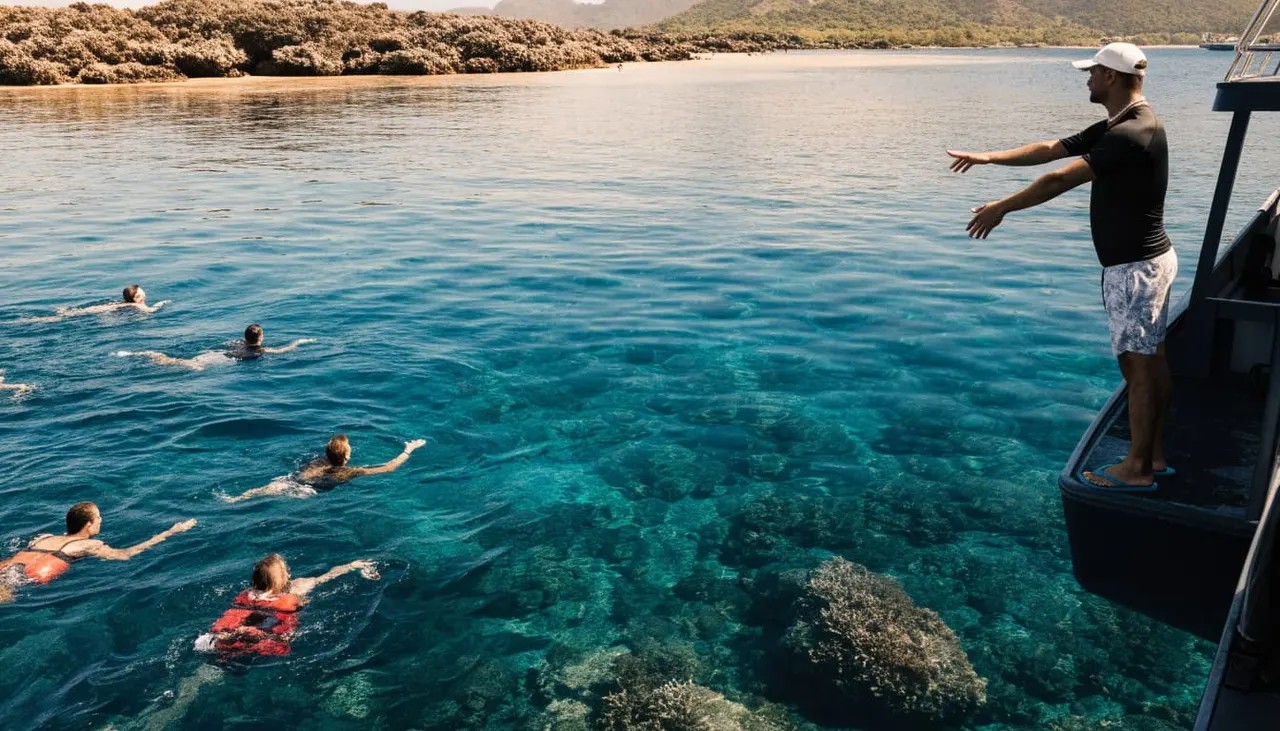
A captain’s marine credential doesn’t tell you whether a snorkel guide will be in the water with you. If swimming is central to your outing, compare the support provided during the activity as well as the qualifications at the helm.
What does a snorkel guide do?
A useful answer describes where guides are stationed, how they communicate, and how you can get their attention. Guidance with mask fit and the entry and return procedures can make a difference when you’re new to snorkeling.
At Living Ocean Tours, we describe ourselves as the only Oahu tour company with professional snorkel guides. You can speak with our crew about your experience and any concerns before entering the water.
How is beginner support different from supervision?
Guidance helps you understand the activity, but it doesn’t remove ocean hazards or replace an adult’s attention to a child. For a family outing, a clear explanation of swimming boundaries and how your group returns to the boat is valuable.
If you prefer to remain aboard, the onboard experience matters too. Seating, shade, and access to the restroom can shape the day for a mixed group of swimmers and non-swimmers.
What Happens If Someone Needs Help?
Boat tour operator credentials are more meaningful when a company can explain how its crew responds to a problem. You don’t need a technical emergency manual, but you should understand how to alert someone and follow directions.
What does the safety briefing cover?
Before departure, listen for the location of life jackets, exits, and the crew members you can approach. Each boat has its own layout, so experience on another vessel won’t tell you where everything is.
The briefing is also a good time to understand how to move between decks. If wind or engine noise makes an instruction hard to hear, ask a crew member to repeat it.
How does the crew coordinate a response?
A clear safety plan identifies who takes charge, how crew members communicate, and how they contact emergency services when needed. For a snorkel trip, it should also explain how a swimmer signals for assistance.
Your role is to alert the crew promptly if you feel unwell or see someone having difficulty. Then follow their directions and keep pathways clear. If you have a health condition that may affect snorkeling, speak with your medical provider about your plans.
How Does the Crew Handle Changing Conditions?
A credentialed captain still has to make decisions based on the day. Wind, swell, visibility, and boat traffic can affect both the ride and time in the water.
When comparing operators, look for a practical explanation of who decides whether conditions are suitable and what happens if they change. A responsible plan may involve adjusting an itinerary or ending a water activity. No company can promise calm seas on every departure.
Weather decisions also affect your comfort. If you’re prone to motion sickness, speak with a pharmacist about suitable prevention before your trip. A shaded place to sit and access to a restroom may matter as much to your group as the view.
What Wildlife Practices Does the Company Follow?
A crew’s approach to marine life is part of the experience you’re buying. Look for guidance that puts the animal’s space and behavior ahead of a close photo.
For snorkeling, that means observing turtles and other wildlife without touching, feeding, or chasing them. Keep clear of coral, too. The crew can explain how to enjoy the reef while leaving animals free to move.
Wildlife sightings aren’t guaranteed. Visibility and animal movement change, so a responsible operator should describe the opportunity without promising an encounter. A strong viewing trip gives you time to enjoy the ocean even when a particular animal stays out of sight.
Does the Trip Fit Everyone in Your Group?
A credentialed operation still needs to suit the people coming aboard. A couple planning to swim for the full outing may value different features than a family with young children or a guest with limited mobility.
Can you enter and exit comfortably?
For a snorkel trip, consider the route into the water and the climb back aboard. A ladder may move with the boat, and returning can feel harder when you’re tired.
A useful company description explains the entry setup and the support available. Share a mobility concern with the crew before departure so they understand what assistance you may need. If you don’t plan to swim, seating and access around the vessel deserve equal attention.
Can you follow the instructions?
Wind and conversation can make a briefing difficult to hear. Face-to-face directions, a demonstration, or a repeated instruction may help you understand what to do.
Keep your belongings out of walkways and use handrails when moving around the boat. If you feel dizzy or unsteady, tell a crew member rather than trying to cross the deck alone. Your comfort is part of the trip, and early communication gives the crew more time to help.
How Do You Compare the Full Value?
Price matters, but the lowest fare doesn’t explain what support comes with the trip. Compare the activity, crew guidance, vessel layout, and time aboard alongside the advertised price.
Reviews can add a guest perspective on communication and hospitality. Read for details that matter to your group, such as how a beginner felt during the briefing or how the crew responded when conditions changed. Reviews complement boat tour operator credentials; they don’t replace them.
Also consider the company’s policies for weather-related changes and cancellations. A clear explanation helps you understand what happens if the planned outing can’t go ahead, without confusing a booking policy with a promise of perfect conditions.
Explore Our Oahu Ocean Tours
Our Oahu snorkeling and ocean tours depart from Kewalo Basin Boat Harbor in Honolulu. Our Coast Guard-inspected double-decker vessels have shaded seating, onboard restrooms, dry storage, and ladders for water entry.
You can choose an outing around your group’s interests and speak with our crew about the support you need. We welcome beginners and encourage every guest to enjoy Hawaii’s marine life respectfully.
Key Takeaways for Comparing Companies
Keep the captain, vessel, and activity support separate when you compare boat tour operator credentials. Each answers a different question about your trip.
A helpful company can also explain its safety briefing, response plan, and approach to changing conditions. For snorkeling, look for guidance that fits your swimming experience and protects marine life.
Frequently Asked Questions
Does every paid boat tour need an inspected vessel?
No. Certain small passenger operations can use an uninspected vessel with an appropriately credentialed captain. Larger inspected passenger vessels have a Certificate of Inspection. The right comparison depends on the boat and the operation, rather than a single label.
Does a captain’s credential cover snorkel guiding?
A captain’s credential describes the mariner’s qualifications to operate a vessel. It doesn’t, by itself, describe who will guide swimmers or what assistance they’ll receive in the water. Those details deserve their own place in your comparison.
Can beginners enjoy a guided ocean tour?
Beginners can enjoy a guided outing when the activity and support suit their comfort in the water. Tell the crew about your experience, listen to the briefing, and speak up if you need help with equipment or instructions.
Choose a Crew You Feel Comfortable With
The best comparison starts with clear answers about the captain, boat, and crew support. Together, they give you a fuller picture than a photo or rating alone.
When your outing fits your group’s abilities and expectations, you can spend less time wondering what comes next and more time enjoying the ocean.


