
boat tour lost and found: What to Do After You Disembark
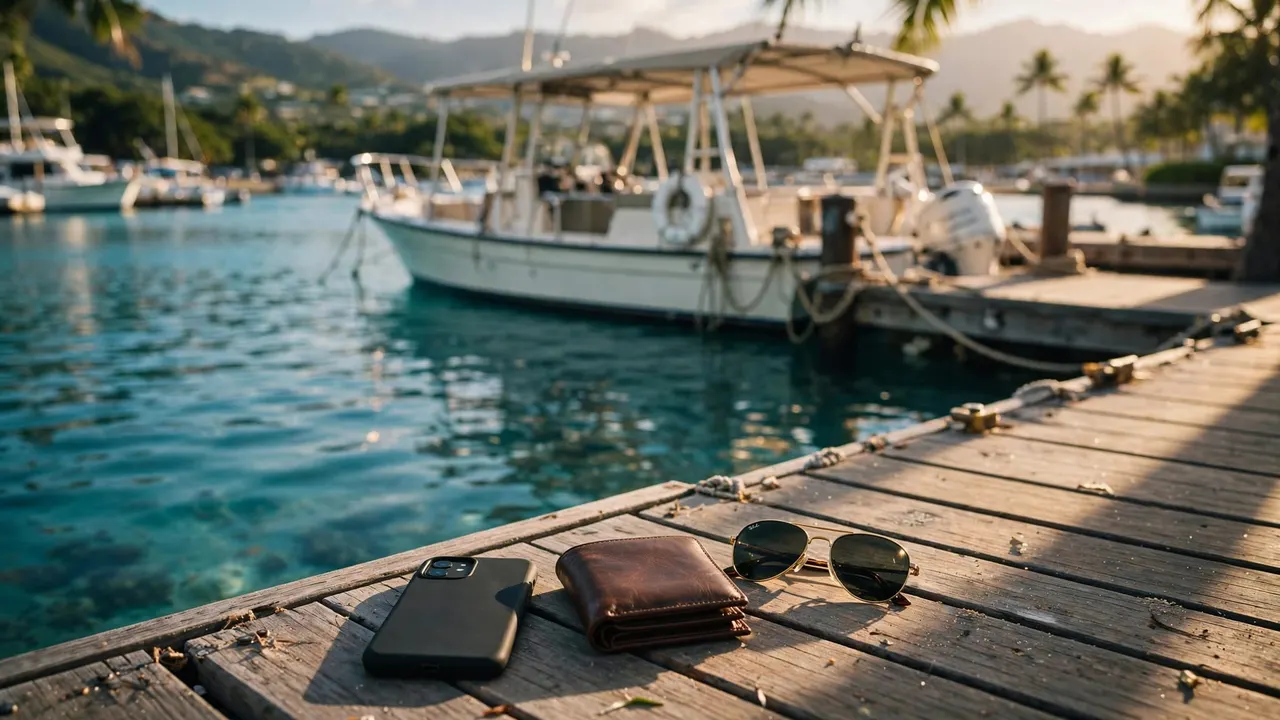
You reach for your phone at the dock, and the pocket is empty. If you’ve just sailed with Living Ocean Tours, contact its crew or office before heading back to Waikiki.
A useful boat tour lost and found report starts with where you last saw the item, your departure time, and a clear description. While someone checks the vessel, you can protect missing cards or devices without taking unnecessary risks.
Start by matching your last known location to the right contact.
Key Takeaways
- Contact your operator for belongings left aboard or at its check-in area; ask the harbor office about shared spaces.
- Include your sailing date, departure time, item description, and a reliable way to reach you.
- Protect missing phones, payment cards, and room keys immediately, then confirm pickup arrangements before returning to the harbor.
Start Your Boat Tour Lost and Found Inquiry With the Operator
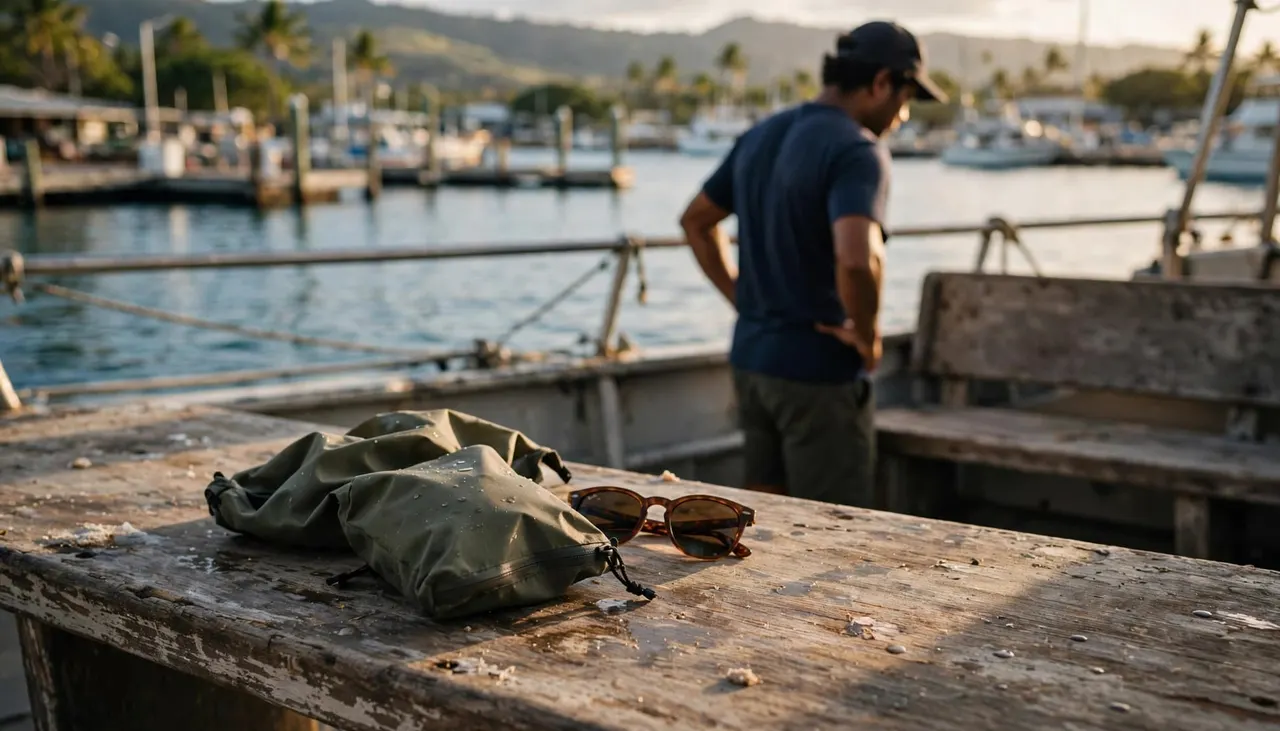
Contact the team whose boat you sailed on
If you’re still beside the boarding area, tell a crew member what you’ve lost. Otherwise, use the contact details in your reservation confirmation. Give your departure time because the same operator may run several trips that day.
For Living Ocean Tours, which departs from Kewalo Basin Boat Harbor, you can call (808) 436-3483 or email info@livingoceantours.com. Its tour and guest information lists the office at 1125 Ala Moana Boulevard, Slip B-01, Honolulu.
Ask where to direct your report. Don’t assume the person answering can immediately leave other duties to inspect the boat.
Separate boat belongings from shared-space losses
For an item left near parking, a public walkway, or another shared harbor area, ask the harbor office where to direct your inquiry. Don’t assume it holds everything found aboard individual vessels.
If you aren’t sure, contact both the operator and harbor office. Explain which places you’ve already checked so you don’t send people through the same search twice.
For a possible rideshare loss, use the app’s trip record and lost-item process to contact your driver. Your boat operator can’t search that vehicle.
Give the Crew Details They Can Actually Use
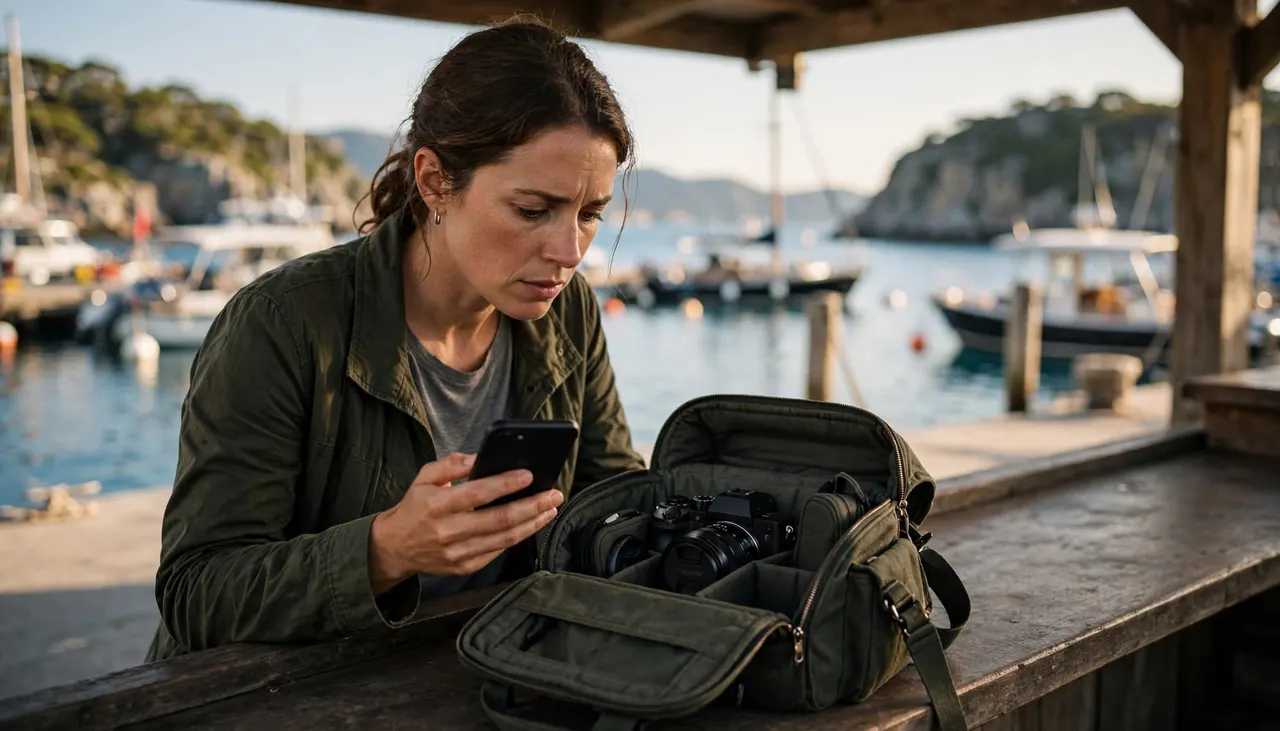
Describe the item beyond its color
For a boat tour lost and found inquiry, “black sunglasses” rarely gives enough detail. Include the brand, frame shape, case, or a distinctive scratch if you know them.
For a phone, describe its model, case, and attached strap. For a bag, mention its approximate size, zipper color, and an identifying feature inside. A photograph from earlier in your vacation can help, especially if it shows the item clearly.
Also explain where you last used it. The shaded bench, upper deck, restroom, or dry-storage area gives staff a better starting point than “somewhere onboard.”
Identify your sailing and keep private details private
Include the reservation name, tour date, departure time, and vessel name if you remember it. If you don’t know the boat’s name, say so rather than guessing.
Give a working email address and an alternate phone number if your own phone is missing. Mention when you’re leaving Oahu because that affects which return options are practical.
Keep account passwords, phone passcodes, and full payment-card numbers out of your message. Staff can ask you to describe an item without needing access to your accounts. Retain one identifying detail you can supply if ownership needs verification.
Protect Sensitive Belongings While the Search Continues
Lock a missing phone before chasing its location
If your iPhone or iPad is missing, Apple’s instructions for marking a device as lost explain how Find My helps protect your information. With permission, borrow a companion’s device to access your account.
Share a useful location with the operator, but treat it as a lead. It doesn’t establish which seat, compartment, or nearby boat holds the device.
A phone’s location pin doesn’t give you permission to enter a restricted dock or board a vessel.
If recovery stalls, follow your carrier’s and account provider’s security instructions. Don’t share a verification code with someone who claims they need it to return your phone.
Act on missing cards, keys, and medication
Use your bank’s app or support line to lock or report missing payment cards. Then review recent transactions while the property search continues.
Tell your hotel if your room key is missing, especially if it was together with information identifying your room. Ask staff about replacement access rather than waiting until you return late that evening.
If you discover misuse of your personal information, USAGov’s identity-theft guidance explains reporting options through the FTC. A missing wallet alone doesn’t establish identity theft.
For medication, contact your pharmacist or prescriber about replacement arrangements. If the loss creates an urgent medical problem, seek immediate medical help rather than waiting for a search result.
Confirm Pickup Before Returning to Kewalo Basin
A possible match is encouraging, but confirm the item and collection arrangements before making another harbor trip. Ask who has it, where you’ll meet, and when someone will be available.
Keep your boat tour lost and found correspondence in one email thread when possible. That preserves the description and avoids conflicting instructions across several messages.
When staff say they’ve found something, ask how they’ll verify ownership. A photograph or description of a distinctive feature can help, but follow their process. Don’t send sensitive documents unless they’re genuinely required through an appropriate channel.
If you’re collecting at the dock, wait where staff direct you. Even a boat tied alongside may be preparing for departure or restricting access during cleaning.
For visitors leaving Oahu, ask whether mailing is available. Shipping isn’t guaranteed, and neither are storage periods or recovery timelines. Confirm packaging, costs, tracking, and the return address before agreeing to an arrangement.
If staff haven’t found anything yet, ask when a follow-up would be useful. Repeated calls during boarding won’t make a search happen faster.
Save the report date and any instructions you receive. If you need documentation for an insurance claim, ask what the operator can provide without assuming the loss qualifies for reimbursement.
If the Item Went Overboard, Keep the Search Safe
An item left on a bench needs a different response from something dropped into the ocean. Tell the crew where and when it went overboard, but don’t attempt your own retrieval.
Never lean outside a rail, climb down beside a vessel, or enter harbor water to recover belongings. The U.S. Coast Guard’s boating safety resources offer broader guidance for safe time on the water; your crew’s instructions govern movement aboard its boat.
Don’t expect the vessel to turn around for personal property. The captain must consider conditions, nearby traffic, and everyone aboard.
Once ashore, explain clearly that the item entered the water. That prevents an unnecessary search through seats or storage.
Some belongings won’t be recoverable. Avoid asking a companion to swim after them, and keep any search well away from wildlife. Observing marine life without touching it remains important, even when you’re frustrated.
Make Your Next Departure Easier to Manage
A boat tour lost and found problem is easier to prevent when your essentials have one regular place. Choose a small zipped pouch for your phone, cards, room key, and necessary medication.
Before leaving your seat, check the storage area you used. Then look again at the dock, where you may set something down while helping a child or arranging transportation.
For families, put children’s loose belongings in one bag and assign an adult to manage it. Keep stairs and safety equipment clear rather than spreading towels across unused seats.
Living Ocean Tours provides onboard dry storage, but ask the crew where your bag belongs. For snorkeling, the company describes itself as the only tour company with professional snorkel guides. Bring gear questions to that team rather than making rushed replacements.
For another outing, read your confirmation before leaving Waikiki. Living Ocean Tours asks you to check in 30 minutes before departure, with extra time for parking.
When you’re ready to plan your next ocean day, check available departures.
Frequently Asked Questions
How long will the operator keep a found item?
Ask the operator directly. There’s no confirmed holding period here, and you shouldn’t assume every company follows the same policy.
If you’re flying home soon, explain your departure date in your first message. Then ask what collection or return arrangements are available. Keep the response so you have the agreed instructions handy.
Can someone else collect your belongings?
Ask before sending a friend, family member, or courier. The operator may need your authorization and a way to confirm the collector’s identity.
Give the person’s name only after staff confirm that third-party collection is acceptable. Also make sure your collector knows the meeting place and time. An unannounced visit can create another delay, particularly when crews are boarding passengers.
Leave the Harbor With a Clear Recovery Plan
Your boat tour lost and found report gives staff the strongest starting point when it identifies the sailing, item, and last known location. Protect sensitive belongings while they check, then arrange any return before traveling back to the dock.
You don’t need to solve everything beside the gangway. A clear next step lets you leave safely without abandoning the search, and one secure bag can make your next ocean outing easier.


