
Boat Tour Lightning Safety: What to Do During a Storm
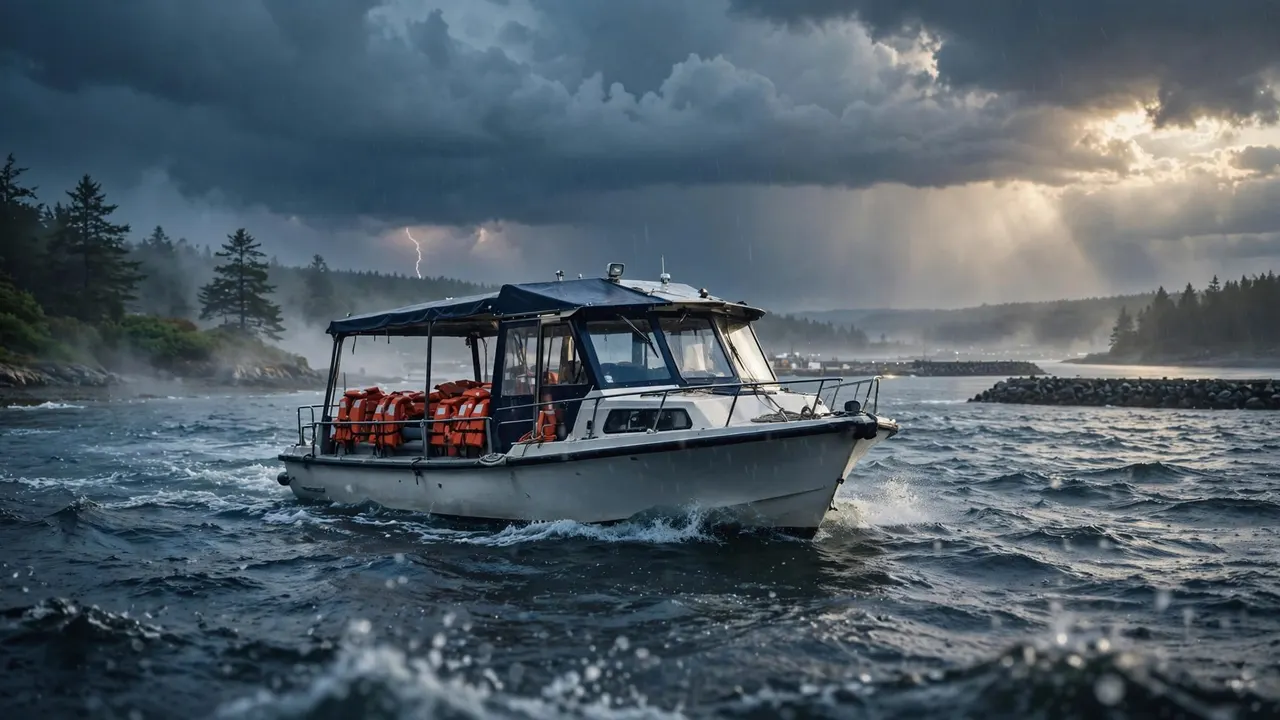
For boat tour lightning safety, act as soon as you hear thunder or see lightning: stop water activities, alert the crew, and follow directions. Don’t wait for heavy rain before taking the storm seriously.
At Living Ocean Tours, we want you to feel ready to respond calmly when conditions change. Your priorities are getting out of the water, staying where the crew directs, and keeping access routes clear. Start by recognizing when sightseeing needs to pause.
Key Takeaways for Stormy Conditions
- Tell a crew member immediately if you notice lightning or hear thunder, especially while others are swimming.
- Return from snorkeling through the crew-directed route without stopping for photographs or another wildlife sighting.
- Move to the position the crew assigns, avoid unnecessary contact with metal and electrical equipment, and keep children close.
- After reaching shore, enter substantial enclosed shelter and wait at least 30 minutes after the last thunder before resuming outdoor activity.
A storm response works best when passengers listen together. Put conversations and cameras aside so everyone can hear the next instruction.
Recognize When a Storm Changes the Plan
Thunder Is Your Signal to Act
If you hear thunder, lightning is close enough to pose a threat. You don’t need to see a bolt hit the water, and rain doesn’t need to reach your boat first.
The National Weather Service’s boating thunderstorm guidance advises boaters to head toward port or safe shelter promptly. As a passenger, report what you noticed and listen for instructions rather than trying to decide the vessel’s route.
Tell the crew where you saw the flash or heard thunder. Then give them room to assess conditions.
Watch for More Than Rain
Thunderstorms can also bring sudden wind shifts, rougher water, and reduced visibility. A calm view toward Waikiki doesn’t describe everything happening offshore.
However, dark clouds alone don’t tell you how the captain should maneuver. Harbor traffic, swell, wind, and the boat’s position all affect that decision.
Keep your attention on passenger instructions. A request to sit down or clear a stairway matters immediately, even when the reason isn’t visible from your seat.
Your Boat Tour Lightning Safety Priorities Aboard

Use the Protection Available
If the vessel has an enclosed cabin, follow the crew’s directions about moving inside. A cabin offers some protection, but you should still avoid unnecessary contact with metal surfaces and electrical equipment.
Don’t gather beside the helm or reach for switches, wiring, or communications equipment. Let the captain manage the radio and other vessel systems.
A fabric canopy or open-sided shade area isn’t reliable lightning shelter. It may keep rain off your shoulders without providing the protection of a substantial enclosed space.
Also, don’t assume that a vessel’s inspection status means every passenger area provides equal protection during lightning.
Stay Low and Limit Movement
On a boat without an enclosed cabin, remain as low as practical in the location the crew assigns. Keep your arms and legs inside the vessel and stay away from unnecessary contact with metal.
Don’t crowd the highest deck for a better look at the storm. Likewise, avoid shifting across the boat with your whole group.
Wet steps and sudden motion create additional hazards. If you need help relocating, tell a crew member before attempting stairs.
Keep bags beside your assigned seat or in designated storage. Don’t cross the deck to retrieve a towel, drink, or phone unless the crew says movement is appropriate.
A shaded seat can improve comfort without making that location lightning-safe. Follow the crew’s positioning instructions rather than choosing shelter by appearance.
If You’re Snorkeling When Thunder Starts
For snorkelers, boat tour lightning safety means ending the swim promptly when a storm threatens. Don’t finish watching a turtle, swim toward a new sighting, or wait for nearby swimmers to make the first move.
Use the return signal and route explained during your briefing. Keep your buddy in sight while moving toward the designated reboarding point.
If you need assistance, signal immediately. Tell the guide about fatigue, breathing difficulty, a frightened child, or equipment trouble rather than trying to solve everything while swimming.
At the ladder, follow the crew’s sequence. Crowding another swimmer or rushing onto moving steps can cause a fall and delay everyone’s return.
Once aboard, move away from the ladder when directed so the next person can exit. Let the crew complete its passenger count without distractions.
Flotation supports you in the water; it doesn’t protect you from lightning. Don’t remain in the ocean because you’re wearing a life jacket or using a flotation aid.
Help the Crew Manage Passengers and Emergencies
Keep Your Group Together Without Blocking Access
Assign one adult responsibility for each child rather than assuming someone else is watching. Keep children close to their supervising adult and discourage running between seats.
During instructions, pause conversations and put your phone away. If wind or engine noise obscures the message, ask for a short repeat before moving.
Also, tell the crew if someone needs mobility assistance or can’t manage stairs safely. Clear information helps them direct your group without adding congestion around ladders, gates, or the helm.
Don’t move to another area without telling the crew when passengers are being accounted for.
Report Medical Problems Immediately
Tell a crew member promptly about chest pain, breathing trouble, fainting, or unusual confusion. If someone feels unsteady, don’t send them across the deck alone.
If lightning injures someone, alert the crew immediately. A person struck by lightning doesn’t retain an electrical charge, so touching them doesn’t expose you to a stored charge.
However, the surrounding storm can still threaten rescuers. Follow emergency directions and keep access clear.
If you’re able and assistance is needed, provide CPR for someone unresponsive and not breathing normally. Use an AED if available and follow its prompts. Don’t delay help while trying to film or reconnect your phone.
Reach Shore Safely and Wait Before Going Back Outside
Reaching the dock doesn’t end the lightning risk. Disembark in the crew’s order, keep children beside an adult, and leave dock lines and boarding equipment alone.
Once ashore, move away from the water and toward a substantial enclosed building. A fully enclosed, hard-topped vehicle is another shelter option.
Don’t stop beneath an isolated tree, at an open pavilion, or under a beach umbrella. These locations don’t provide dependable lightning protection.
The National Weather Service’s lightning shelter guidance recommends remaining sheltered for at least 30 minutes after the last thunder. Each new thunderclap restarts that waiting period.
A break in the rain doesn’t establish that the storm has passed. Similarly, sunshine over one part of the coast doesn’t rule out lightning nearby.
Don’t turn the return walk into a beach stop or wait beside the harbor for photographs. Get under appropriate shelter first.
For your group, the immediate destination should be shelter, not the next activity on your vacation schedule. Keep transportation and dinner plans secondary until everyone is safely indoors.
Prepare for Your Outing From Waikiki
Good boat tour lightning safety starts before departure. Read the marine forecast rather than relying only on a beach weather icon. The BoatUS Foundation’s weather planning guidance explains the value of marine weather information for boating.
Pack one manageable bag, keep essential medication accessible, and protect your phone from spray. However, belongings come second if the crew tells you to move.
During the briefing, learn the life jacket locations, seating instructions, and water-return signals. Request a demonstration if a signal isn’t clear. This preparation is especially helpful when wind makes spoken instructions harder to hear.
We operate from Kewalo Basin Boat Harbor in Honolulu. At Living Ocean Tours, we’re the only tour company with professional snorkel guides. You can ask our guides to explain the swimming boundaries and return procedure before entering the water.
That support helps beginners understand the plan, while the captain manages vessel movement and weather decisions. Keep your schedule flexible enough to accommodate changes without pressuring the crew to continue an activity.
Frequently Asked Questions
Should You Jump Overboard if Lightning Is Nearby?
No. Jumping into the ocean exposes you to additional danger and separates you from the crew’s response. Stay aboard unless the captain or crew explicitly directs otherwise.
Don’t try to swim toward shore independently, even if land looks close. Distance, current, waves, and visibility can make that decision dangerous. Instead, remain in the position assigned and report any immediate concern clearly.
Does Boat Tour Lightning Safety Change After Dark?
The lightning precautions remain the same, but reduced visibility makes calm movement and clear communication even more important.
Dim your phone screen, avoid flash photography near the helm, and ask before using an external light. Bright lights can interfere with the crew’s view of nearby vessels and harbor markers. Keep personal items out of aisles, and request assistance rather than crossing a dark, wet deck alone.
Put the Next Safe Step First
Boat tour lightning safety depends on prompt action and clear communication. Stop water activities, follow the crew’s positioning instructions, and keep passenger access routes open.
Once ashore, reach appropriate shelter and respect the waiting period after thunder. Your next safe step matters more than a photograph, a missed swim, or an unchanged itinerary.
Preparation gives your family a straightforward plan when the weather interrupts an ocean adventure.


