
Boat Tour Etiquette for Photographing Fellow Passengers
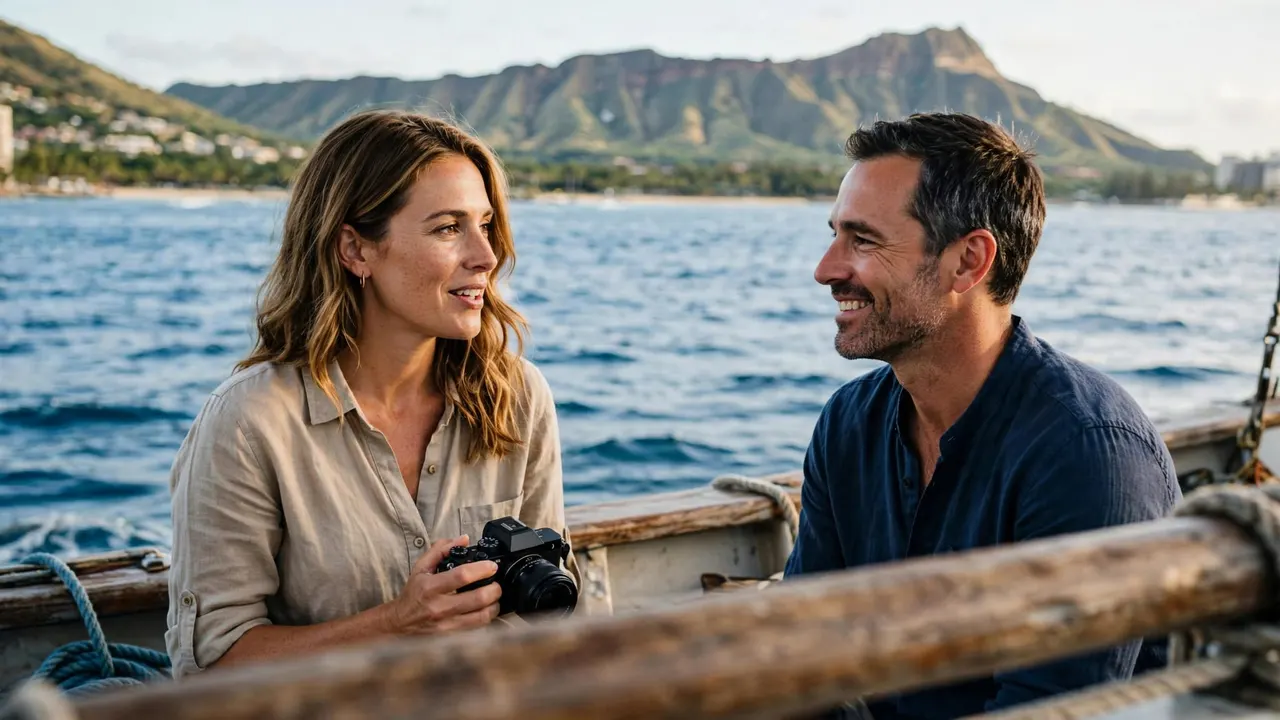
Your favorite vacation photo shouldn’t become someone else’s uncomfortable moment. On a Living Ocean Tours outing, thoughtful boat tour etiquette helps you capture ocean memories while respecting the people sharing your adventure.
A quick permission check protects personal privacy without interrupting the fun. Start with how you ask, then give the same care to where you stand and what you share afterward.
Boat tour etiquette starts with permission
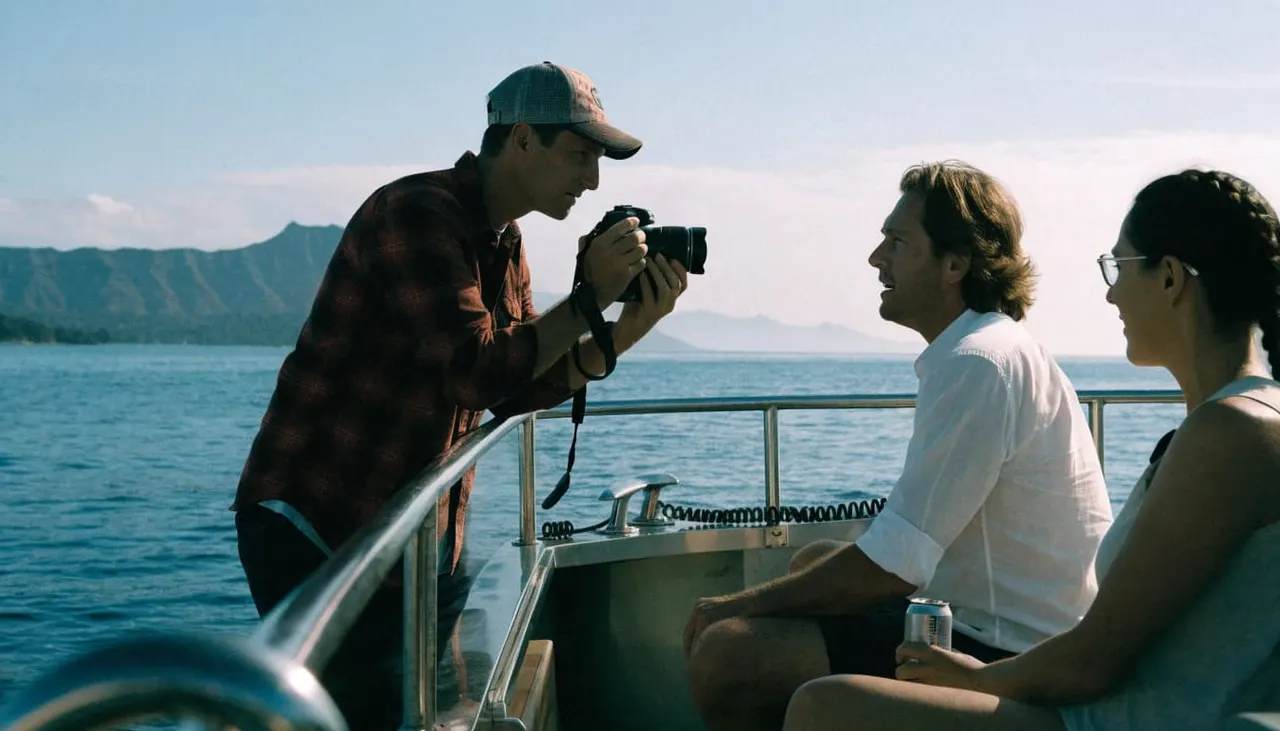
When another passenger becomes your main subject, ask before raising your camera. Being friendly on board doesn’t mean someone wants a portrait.
Make your request clear and easy to decline
Try, “Would you mind being in a photo with Diamond Head behind you?” Explain whether you’re photographing the scenery, your group, or that person.
Keep the request brief and leave room for an honest answer. If someone hesitates, turns away, or looks uncomfortable, choose another composition. A cheerful reaction to your camera isn’t a clear yes.
The NPPA’s photography ethics code emphasizes treating subjects with respect and dignity. You can apply that standard by giving fellow passengers control over whether they become the focus of your pictures.
Separate taking a photo from posting it
Permission to take a picture doesn’t automatically cover Instagram, TikTok, or a public travel review. Ask about sharing separately, preferably before the photo.
For example, say, “This would be for our family album. Is that okay?” If you hope to post it, say so plainly.
Keep that agreement intact when you get home. Someone may happily pose while still wanting their vacation kept private. Also, avoid adding names, hotel details, or travel dates without permission. Those details can reveal more than the person agreed to share.
Give children and uncomfortable passengers extra privacy
Good boat tour etiquette includes noticing when someone needs space rather than attention. Children, nervous swimmers, and guests who feel unwell deserve particular care.
Ask a parent, then pay attention to the child
Before photographing another family’s child as your subject, ask the parent or guardian. Then watch whether the child seems comfortable, too.
A parent’s approval shouldn’t become pressure to smile, move seats, or stand near a rail. Keep the photo optional and stay out of the family’s way.
If you’re filming your own children, check the background for other young passengers. You can often adjust your angle rather than include them prominently. Avoid recording names spoken during introductions, and don’t identify another child’s school, hometown, or social account in a caption.
Leave vulnerable moments out of your camera roll
Put the camera away when someone is seasick, frightened, adjusting swimwear, or receiving assistance. Those moments call for privacy, even if you’re documenting the whole trip.
Similarly, don’t turn a beginner’s mask struggle into entertainment. Offer space, or alert a crew member if help is needed.
If someone asks you to stop filming, stop promptly. You don’t need to debate whether the deck is shared space. When requested, delete the identifiable image you took. A simple apology and a different camera angle let everyone return to enjoying the water.
Share the rail without taking over the deck
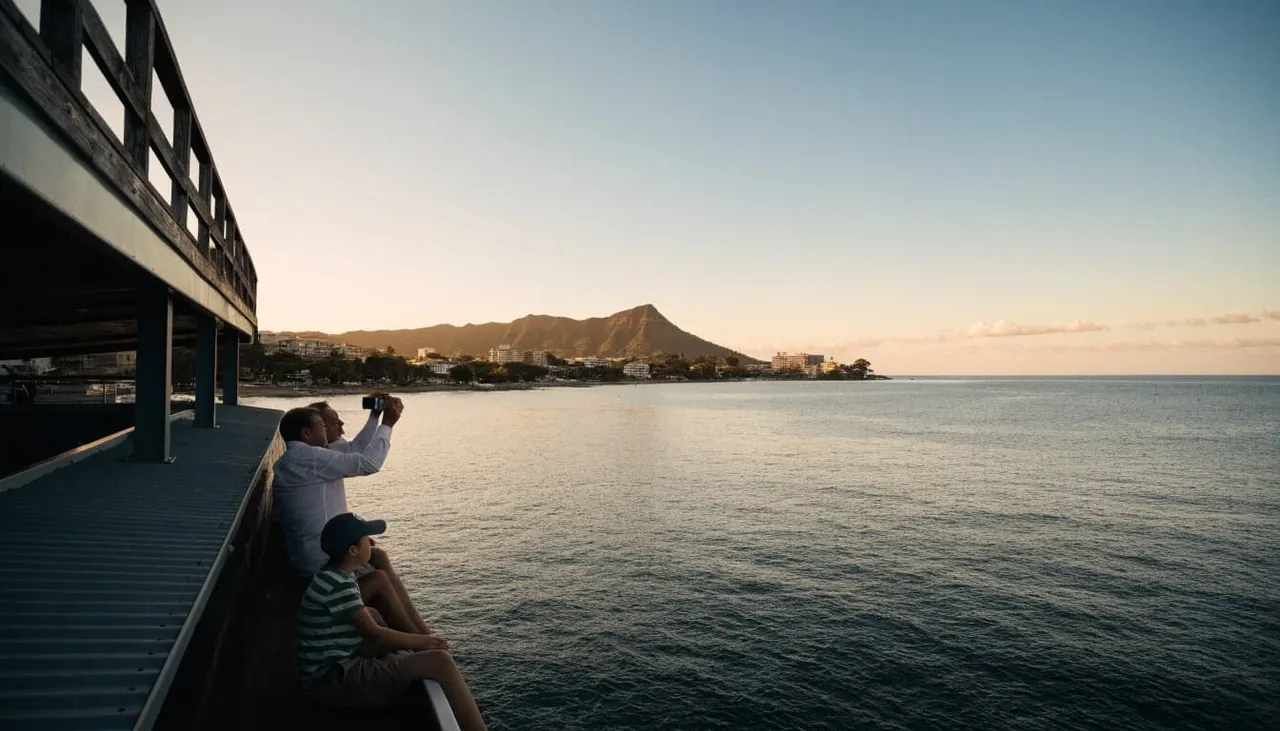
A clear view of Waikiki or Diamond Head is worth sharing. Your photo session should leave room for everyone else’s experience.
Take your pictures, then make space
Use an open viewing spot briefly, then step back when others are waiting. Don’t ask passengers to abandon comfortable seats so your group can arrange a long shoot.
Before backing up for a wider frame, look behind you. A child, bag, or stair opening may sit outside your viewfinder.
Keep towels and camera cases off unused seats during a busy departure. Follow crew directions about dry storage instead. Leaving a route open to shaded seating, restrooms, and ladders makes the deck easier for families and guests who need extra time to move.
Choose steady footing over a dramatic angle
Prepare your phone or camera while seated, then move only when the crew permits it. Keep one hand available for a railing while walking.
Once you’re settled, plant your feet and take a few frames. Don’t climb, lean outside the rail, or hold your device over someone else’s head.
Ask before bringing a tripod or extending a selfie stick. Either can take up shared space or surprise nearby passengers. As daylight fades, dim your screen and avoid flash near the helm. Crew instructions take priority over any shot, including the one you’ve been waiting for.
Photograph snorkelers without crowding the reef
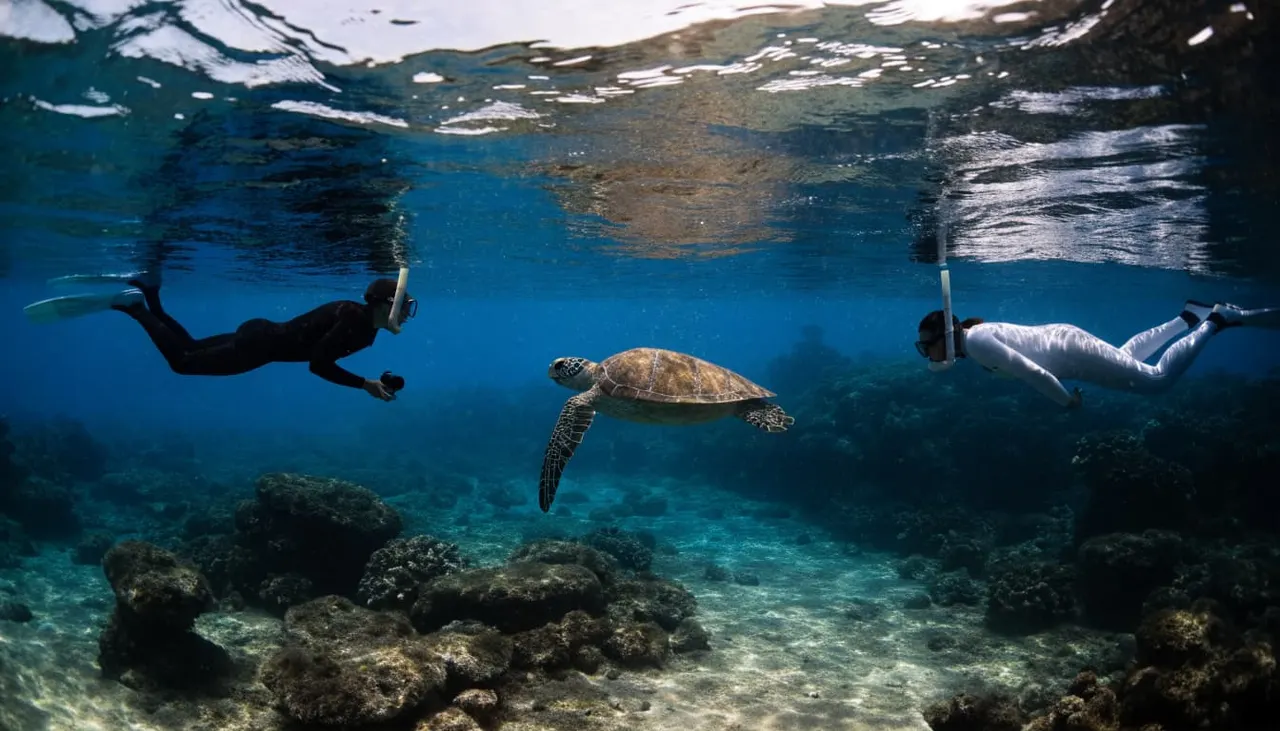
Underwater photography needs the same permission as a deck portrait. Because talking is harder through snorkel gear, discuss pictures with your companions before entering the water.
Agree on whether they want close-ups, group shots, or no photos. Then stay within the crew’s swimming instructions rather than drifting away to arrange a frame. A waterproof camera shouldn’t distract you from your buddy or the boat.
For sea turtles in Hawaii, NOAA recommends at least 10 feet (3 meters) of viewing distance, both ashore and in the water. Follow its marine wildlife viewing distances and any additional crew directions.
Keep wildlife encounters unposed. Don’t ask a passenger to chase a turtle into view, block its path, or touch coral for balance. You can include open water and reef scenery without forcing a closer encounter.
If an animal approaches, resist reaching toward it. NOAA’s guidance on sharing the sea with wildlife advises against attempted interaction even when animals come closer.
Boat tour etiquette also means giving returning swimmers room at the ladder. Finish your photo elsewhere rather than making someone wait to climb aboard.
Ask again before sharing passenger photos
A considerate photo exchange can become a lovely part of your trip. However, sharing deserves a separate conversation once everyone is dry and settled.
Check the whole frame before uploading
Review faces in the background, not just the smiling people in front. Another passenger might appear while changing a shirt, caring for a child, or resting.
Crop an incidental passenger out when possible. If cropping doesn’t work, choose a different image or blur identifying details before public posting.
Also, check videos for private conversations and children’s names. Muting the audio may solve a problem that a visual edit can’t. Good boat tour etiquette continues after you leave the harbor, because a public post can reach people far beyond your vacation group.
Offer photos without creating an obligation
If you captured a picture someone requested, offer to send it. Let them choose a comfortable way to receive it.
Don’t insist on a social-media follow or collect contact details they don’t want to share. You can use a device-to-device transfer when both people agree, or let them photograph your screen as a simple preview.
Send only the agreed images. Then avoid adding that passenger to a group chat or tagging them automatically. If they later ask you to remove a post, respond promptly rather than defending the picture’s popularity.
Enjoy a considerate outing with Living Ocean Tours
You can put these habits into practice with Living Ocean Tours, a family-owned company departing from Kewalo Basin Boat Harbor near Waikiki.
Its double-decker vessels, Coral Kai and Lokahi, offer shaded seating, onboard restrooms, and dry storage. Those features give your group places to rest between photos without spreading belongings across shared seating.
Living Ocean Tours describes itself as the only tour company with professional snorkel guides. Before swimming, ask your guide about camera use, group boundaries, and how to get assistance. Beginners should share any concerns rather than trying to manage gear and photography at once.
You can compare Honolulu ocean tours and cruises to find an outing that matches your group’s comfort. Before booking, explain any mobility needs and ask about boarding, stairs, and water entry.
Then arrive with your device charged and your belongings packed securely. You’ll spend less time sorting equipment and more time enjoying the coastline.
Key Takeaways for Respectful Passenger Photography
- Ask before making another passenger your subject, and get separate permission before posting their image publicly.
- Share viewing spots and keep camera gear away from stairs, ladders, and unused seats.
- Put photography aside when someone needs assistance, the crew gives instructions, or wildlife needs space.
These habits let you bring home memorable pictures without asking fellow passengers to sacrifice their comfort.
FAQ About Photographing Fellow Passengers
What if someone appears accidentally in my scenic photo?
An incidental background appearance is different from deliberately photographing someone as your subject. Still, review the image before sharing it publicly.
If a passenger is clearly identifiable or caught in an uncomfortable moment, crop them out or choose another frame. When you’re taking the picture, a small change in angle often solves the issue.
If someone notices your camera and objects, acknowledge their concern. Aim toward the coastline instead, rather than continuing to include them while arguing about where you’re allowed to photograph.
Can you ask another passenger or crew member to photograph your group?
Yes, as long as the request is brief, optional, and well timed. Ask a passenger who isn’t moving between decks or occupied with their own family.
Have your camera ready so they don’t need to search through settings. Also, keep the exchange away from stairs and boarding gates.
You can ask a crew member when they’re available, but don’t interrupt safety duties or assume photography comes with the ticket. If they decline, accept it and wait for another suitable opportunity.
Bring Home Photos Everyone Feels Good About
Your favorite ocean picture should recall a good experience for everyone in the frame. Practicing boat tour etiquette means asking clearly and respecting the answer.
Give people space, follow the crew, and treat permission to share as a separate choice. You’ll return with memories worth keeping while leaving fellow passengers free to enjoy their own adventure.


