
Boat Tour Etiquette for Calls and Speaker Audio
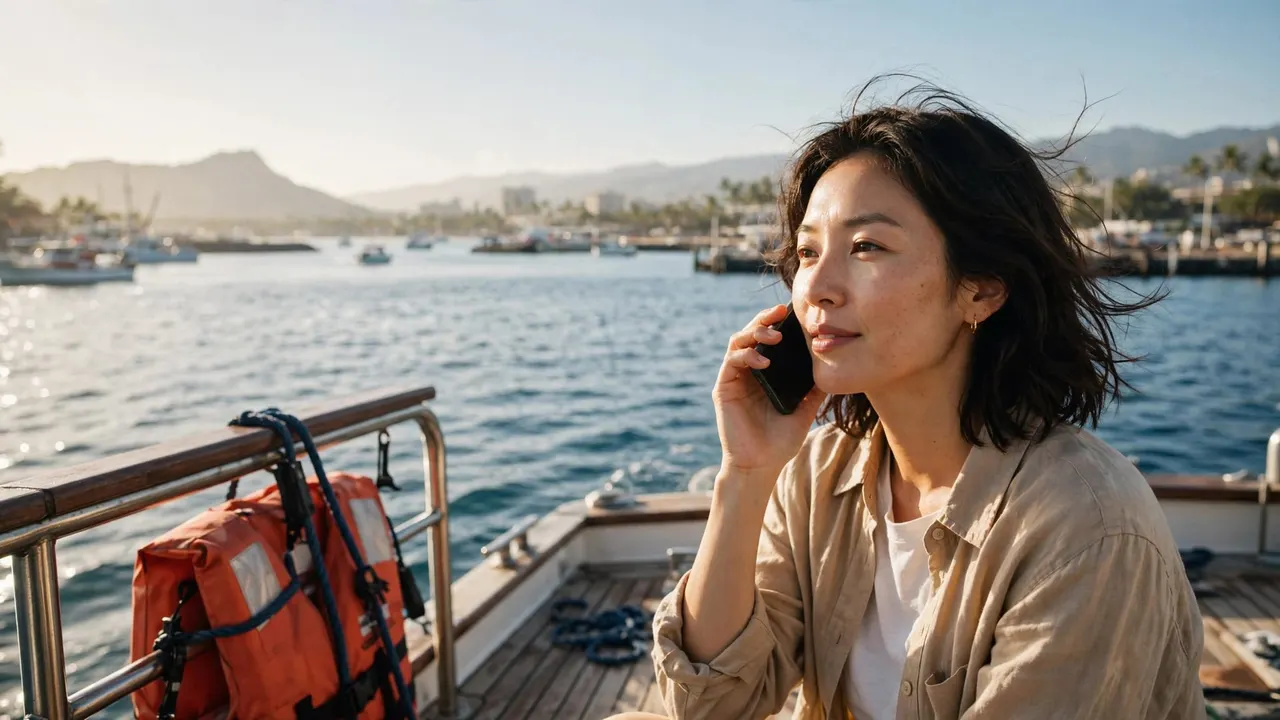
Your phone call can become everyone else’s soundtrack when you’re sharing a boat deck. Good boat tour etiquette lets you stay reachable without interrupting the crew or another guest’s ocean escape.
On a Living Ocean Tours departure from Honolulu’s Kewalo Basin Boat Harbor, silent mode is a useful starting point. Wind and engines already compete with conversation, so your devices shouldn’t add another layer.
Start by deciding what needs your attention before you leave the dock.
Key Takeaways
- Silence notifications before boarding, and pause entertainment whenever the crew speaks.
- Take necessary calls briefly, without speakerphone, from a crew-approved spot.
- Keep music, videos, and games private rather than broadcasting them across the deck.
- Ask before including other passengers in a video call or posting footage that identifies them.
Set Your Phone Up Before Boarding
A little preparation keeps you connected without repeatedly pulling your attention away from the water. Make your adjustments while you’re on land, where you can handle your phone without balancing against boat movement.
Silence the Sounds You Forget About
Check more than your ringtone. Message alerts, camera sounds, games, and social-media clips can interrupt a quiet moment even when you aren’t expecting a call. Lower media volume separately, since silent mode doesn’t necessarily silence playback.
Use Focus or Do Not Disturb if those settings suit your needs. If you must remain reachable for an important contact, review your exceptions beforehand. Also, avoid repeatedly testing your ringtone aboard. A quick check at the dock saves everyone a string of notification sounds later.
Give Your Group a Simple Plan
Tell family or colleagues when you’ll be unavailable and when you expect to respond. Download anything you need beforehand, including your booking confirmation or communication tools, rather than depending on service offshore.
For families, prepare children’s entertainment with the sound off. Explain that cartoons and games stay paused during instructions. Then agree on who supervises each child while another adult answers an essential message. Your phone shouldn’t create a gap where everyone assumes someone else is watching.
Practice Boat Tour Etiquette When Taking a Call
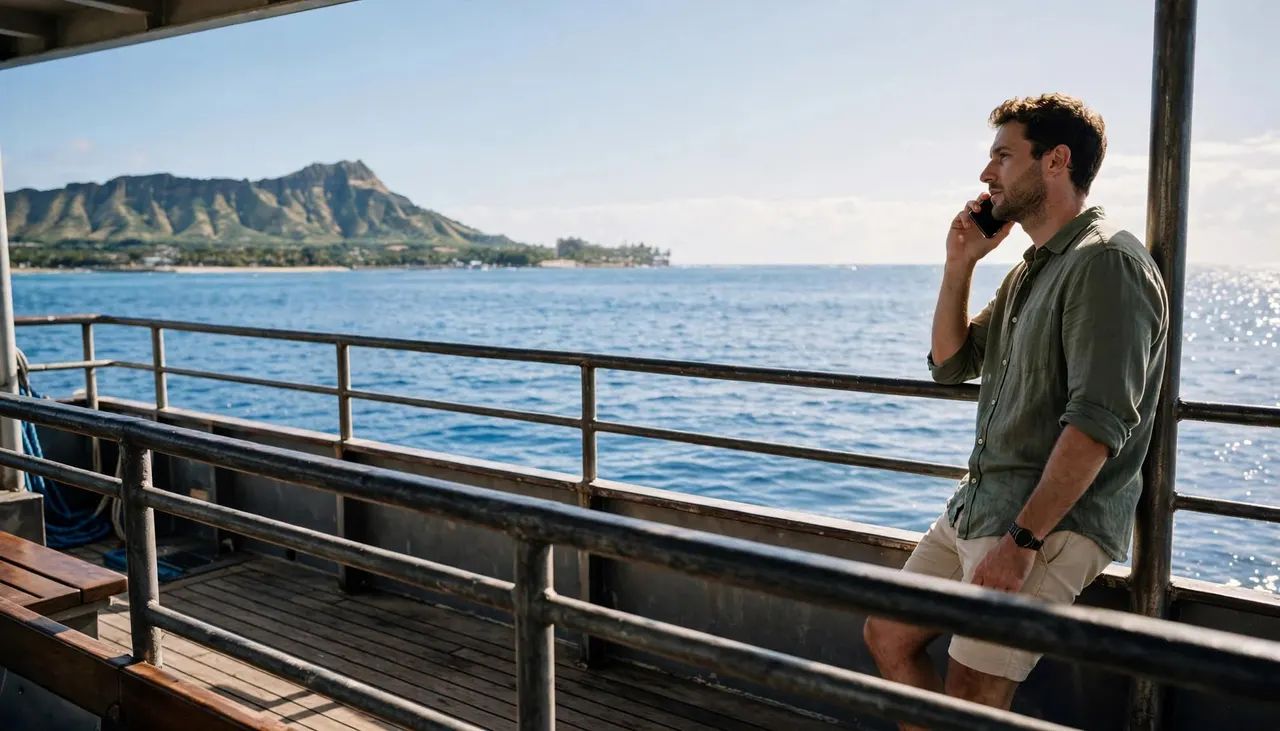
Sometimes you need to answer. The considerate approach is to reduce the interruption without creating a movement hazard or missing instructions.
Ask Where You Can Step Aside
Before leaving your seat, check whether the crew wants passengers to remain seated. If movement is permitted, ask where a brief call would disturb fewer people without blocking stairs, gates, ladders, or the helm.
A seemingly empty corner may still be a crew work area. Likewise, don’t move between decks while concentrating on a conversation. Put the phone away for the walk, use the handrail, and keep a hand available. If there’s no suitable place, tell the caller you’ll return the call after the trip.
Keep Your Voice Low and the Call Short
Hold the phone normally and leave speakerphone off. Explain that you’re aboard a boat, handle the essential point, and finish. Business meetings, detailed family updates, and casual catch-ups are better saved for shore.
Because wind can make you raise your voice without noticing, pay attention to nearby guests. If they can follow your conversation, lower your voice or end the call. Poor reception is another reason to stop rather than repeat yourself louder.
For an urgent health or safety concern, alert a crew member immediately. Don’t let a private call delay getting onboard assistance.
Keep Speaker Audio Out of Shared Spaces
Personal audio reaches people who didn’t choose it. On a shared departure, boat tour etiquette means keeping your playlist, videos, and voice messages to yourself.
Leave Personal Speakers Packed
Don’t assume an open-air deck makes your music unobtrusive. Nearby passengers still hear it, and competing playlists make conversation harder. If the operator provides music, let the crew manage the shared sound.
Ask about personal-speaker rules rather than treating your group’s enthusiasm as permission. Even several friends agreeing to a playlist doesn’t speak for everyone aboard. The same courtesy applies to short clips, recorded messages, and video calls. Play them privately when conditions permit, or save them until you’re ashore.
Keep Headphones Secondary to Awareness
Headphones can keep entertainment private, but they shouldn’t prevent you from hearing directions. Pause playback and remove entertainment headphones for briefings, boarding, water entry, and any announcement. When moving around the vessel, keep your attention on your footing and the crew.
Also, pause entertainment when wildlife appears so you can follow viewing instructions. NOAA’s marine-life viewing guidance emphasizes giving animals space during boat-based encounters. Watch from the position the crew approves rather than moving suddenly to get a better angle.
Give Crew Instructions Your Full Attention
Being quiet helps, but listening requires your attention too. Put the screen away when the crew explains what you need to do.
Hear the Briefing Before You Need It
Listen for seating directions, life-jacket locations, restroom access, storage areas, and safe movement between decks. On snorkeling outings, pay particular attention to water-entry procedures, help signals, and returning to the ladder.
Your experience on another boat doesn’t replace instructions for this vessel. If an announcement comes during a call, tell the caller you need to stop. Then listen before continuing. Following boat tour etiquette includes making space for safety information, even when you’re waiting for an exciting sighting or trying to finish a conversation.
Ask for Communication Support Early
Wind and engine noise can make speech difficult to follow. If you miss a direction, ask for a repeat before acting. A face-to-face explanation, demonstration, or written clarification may help, depending on what’s available.
Tell the crew if your phone or another device supports hearing, translation, or communication. Those uses deserve a practical plan rather than assumptions about entertainment. Confirm essential actions directly, such as where to sit or when to approach the ladder. Before snorkeling, learn the guide’s signals instead of depending on a phone once you’re in the water.
Film the View Without Broadcasting the Deck
A video call brings someone else aboard through your camera and microphone. Keep it brief, avoid speakerphone, and point the camera toward scenery rather than fellow passengers.
Ask before including someone clearly in the frame. Permission to appear during a live call doesn’t automatically mean permission to share a recording afterward. Respect either answer without pressing for an explanation.
For wildlife footage, use your camera’s zoom instead of asking the captain or guide to move closer. NOAA’s wildlife viewing distances call for at least 100 yards from large whales. Follow applicable guidance and the crew’s directions throughout the encounter.
After dark, dim your screen and avoid flash near the helm. Ask before using an external light. Respectful boat tour etiquette also means putting the camera away promptly when you’re told to sit or hold a rail.
Handle Other Guests’ Audio Politely
If another passenger’s audio is distracting, start with a calm request when it feels comfortable: “Would you mind turning that down? I’m having trouble hearing the guide.”
Keep the request about the sound or missed information. Don’t criticize the person’s parenting, music taste, or reason for calling. A straightforward request gives them an easy way to respond without embarrassment.
If the interruption continues, ask a crew member for help. Let the crew address onboard rules and decide how to handle the situation. Avoid arguments, filming the passenger, or turning your own music up in response.
If audio prevents you from hearing a safety instruction, tell the crew promptly rather than waiting for the noise to stop.
If someone asks you to lower your audio, pause it first. You can clarify afterward.
Prepare for Your Living Ocean Tours Departure
For Living Ocean Tours boat tours, check-in is 30 minutes before departure. Allow additional time for parking so you can settle in, silence devices, and ask questions without rushing.
The company offers family-friendly ocean excursions from Kewalo Basin Boat Harbor, near Waikiki. Living Ocean Tours describes itself as the only tour company with professional snorkel guides. If you’re new to snorkeling, ask those guides to clarify equipment use, help signals, and reboarding before entering the water.
Bring a small, secure bag and ask where to store your phone. Onboard dry storage doesn’t replace protection appropriate for your device. Snorkeling equipment and complimentary ice water are provided, and you can bring a reusable water bottle.
You can also ask about communication or access needs before reserving. Confirm the support available for your particular departure rather than relying on a general description.
Frequently Asked Questions About Onboard Audio
Can You Answer Your Phone During a Boat Tour?
Ask about the operator’s rules. When calls are permitted, keep necessary conversations brief and avoid speakerphone. Don’t answer during a safety briefing or when doing so would interfere with following directions, supervising a child, or moving safely.
Are Earbuds Always Acceptable?
Earbuds keep audio private, but you still need to hear announcements. Pause entertainment whenever the crew speaks. If a device supports hearing or communication, explain your needs early and agree on how you’ll receive important instructions.
Can You Play Music on a Private Charter?
Ask the operator before booking or boarding. A private group may have different audio options, but the crew still controls safety announcements and vessel operations. Confirm whether you may bring a speaker and who manages volume.
Should You Put Your Phone on Airplane Mode?
That depends on your communication needs. Silent notifications and muted media are often enough for courtesy. If you expect an essential call, prepare your settings beforehand and remember that cellular service can vary offshore.
Enjoy the Ocean Without Taking Over the Soundtrack
Good boat tour etiquette keeps your phone useful while leaving other guests free to enjoy the water. Quiet devices, brief necessary calls, and full attention to the crew make shared time aboard more comfortable.
Set your phone before boarding and keep entertainment private. You’ll still have photos and stories to share, without making your conversation the soundtrack to someone else’s trip.


