
How a Boat Tour Crew Resets Between Trips
The boat looks ready when you step aboard, but that calm deck may have been busy minutes earlier. A boat tour crew has to clear the last trip, prepare for the next one, and decide whether conditions still support the plan.
At Living Ocean Tours, guests head out from Kewalo Basin Boat Harbor near Waikiki for snorkeling and other ocean outings. The turnaround at the dock matters because each departure starts with a new group, new conditions, and a fresh set of questions. Here’s what that work can involve before you arrive.
The boat tour crew starts at the dock
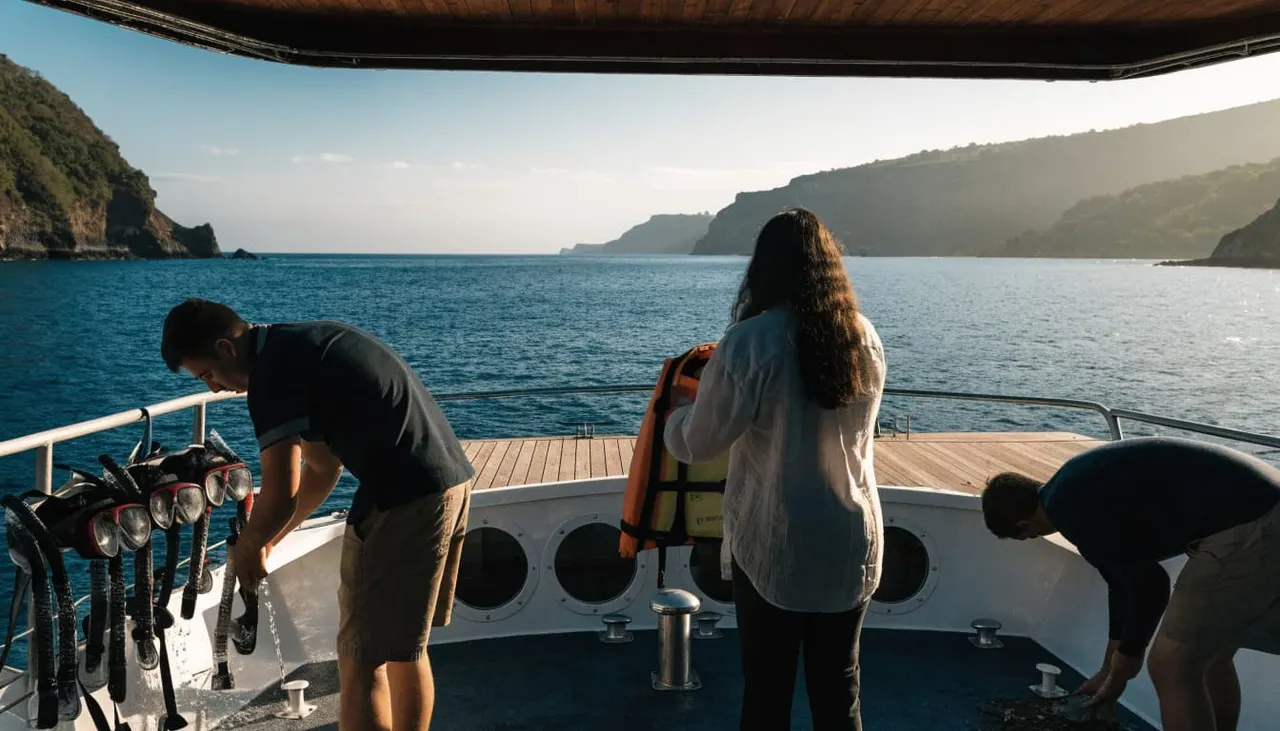
A turnaround begins while the previous trip is still ending. The vessel needs to come alongside safely, guests need room to leave, and the boarding area must stay clear. At a working harbor, another boat or a line of waiting passengers can add pressure. The crew still has to take each step in order.
Help the last guests ashore
You might be eager to check your photos as soon as the boat ties up. First, listen for the crew’s directions. They may need you to remain seated until the vessel is secure or wait while someone uses the gangway.
If you’re traveling with children or need help stepping off, say so. A careful exit gives the crew space to account for guests and begin work on the boat without people crossing the deck unexpectedly.
Clear the spaces the next group will use
Once passengers have left, a typical reset turns to seating, walkways, railings, and shared surfaces. Wet towels, forgotten belongings, and loose gear need attention before new guests board. Restrooms and waste bins may also need servicing.
The important distinction is between looking tidy and being ready for passengers. A clear deck helps you find a seat, move toward a shaded area, and hear instructions without stepping around equipment.
Snorkel gear takes more than a quick rinse
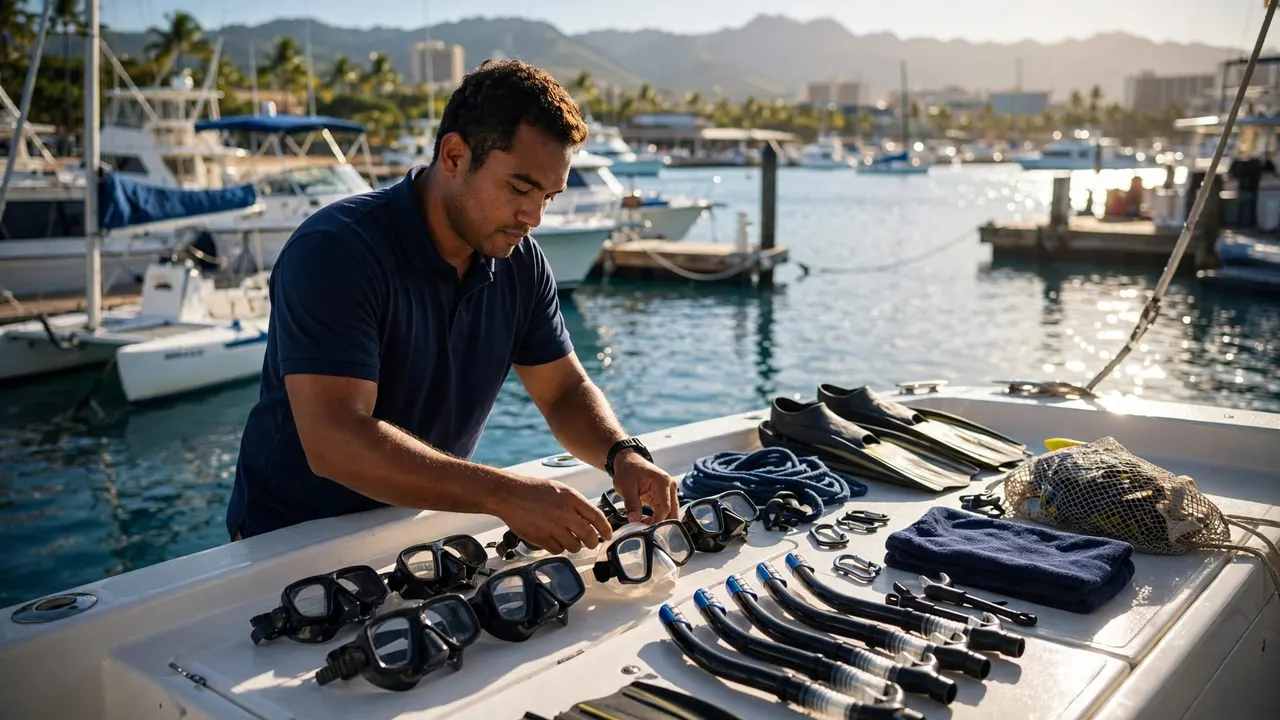
A sightseeing departure and a snorkeling departure place different demands on the crew. After time in the water, masks, fins, flotation equipment, and swim-access areas all need attention. You may see gear being sorted at the dock rather than set straight back out for the next group.
Sort used equipment before setting up fresh gear
Used gear should stay separate from equipment prepared for incoming guests. That makes it easier to spot a damaged strap, a poorly fitting fin, or a piece that needs more cleaning. The exact cleaning procedure depends on the operator and equipment, so a rinse alone shouldn’t be treated as proof that gear is ready.
If you bring your own mask, you can still ask for help checking its fit. A small leak can distract you throughout a swim, while a few minutes of adjustment before entry can save frustration offshore.
Reset the way in and out of the water
The swim ladder and nearby deck see heavy use on a snorkel outing. Before another group enters the water, crews need a clear area where guests can wait, move, and return aboard. Flotation gear must be accessible without piling it across a walkway.
This is especially helpful when you’re new to snorkeling. You can focus on one instruction at a time instead of guessing where to stand with fins on or how to approach the ladder when you’re tired.
Safety readiness gets its own check
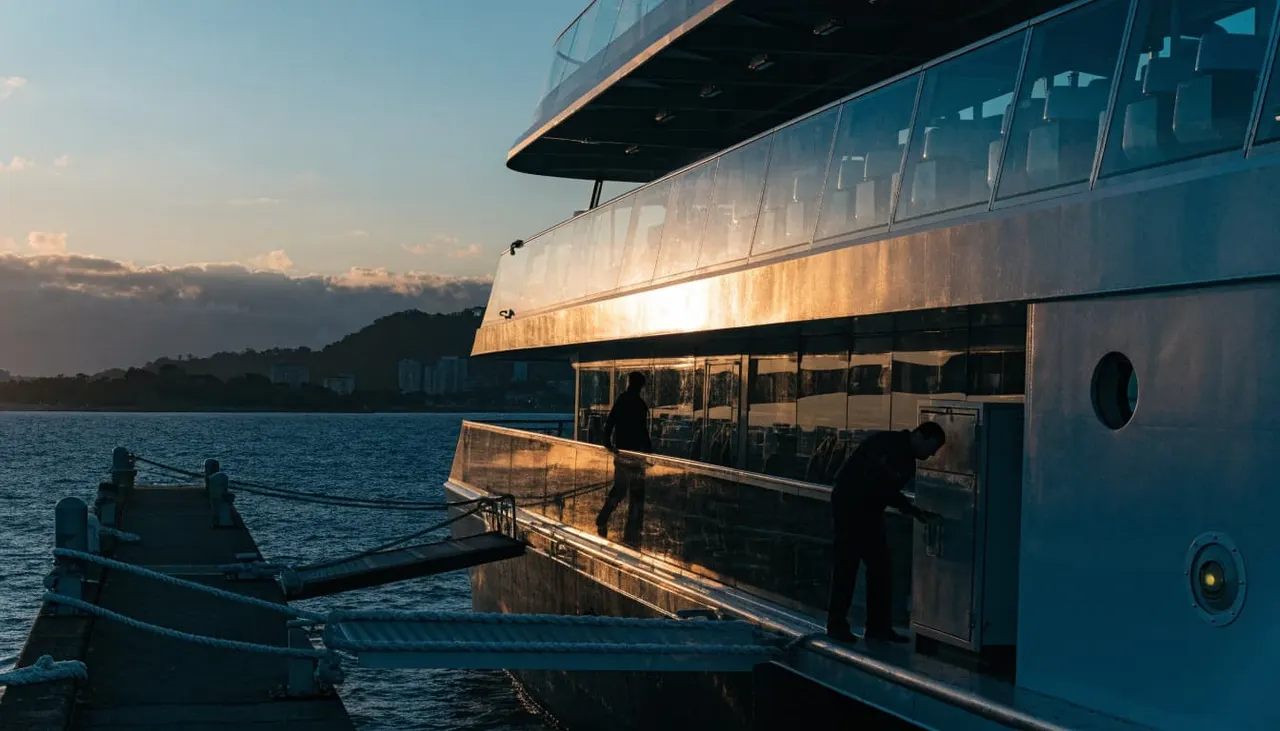
Cleaning is visible. Safety preparation often isn’t. Before any passenger vessel leaves, its captain and crew need to be satisfied that the boat, equipment, and people are ready for the trip ahead. A boat tour crew cannot substitute a fast cleanup for that decision.
Check what guests might never notice
A crew’s predeparture attention can include clear exits, secure equipment, communication, and the condition of passenger areas. Needs vary by vessel and trip. The U.S. Coast Guard’s small passenger vessel checklist shows the breadth of questions that may arise in a marine inspection; it isn’t a published turnaround routine for Living Ocean Tours.
Fire readiness deserves attention beyond the galley or engine space. The Coast Guard’s small passenger vessel fire safety guidance addresses emergency preparedness. As a guest, you help by listening to the safety briefing and leaving crew work areas clear.
Give the captain time to make the call
A scheduled departure is a plan, not permission to ignore a problem. If equipment needs attention or the weather has changed, the captain may delay boarding, adjust the outing, or decide not to depart.
That can feel disappointing when you’ve built your day around the trip. Still, a few extra minutes at the dock are better than taking an unresolved concern offshore. Follow the crew’s instructions rather than stepping aboard before they invite you.
The next trip may need a different setup
A boat can finish one outing in sunshine and face different wind, swell, or visibility on the next. Crews must look ahead rather than assuming the previous trip’s route will work again. Your departure may also have a different purpose and a different mix of guests.
Recheck the water, not just the clock
For snorkeling, the water-entry plan depends on conditions at the site, not how inviting it looked from shore. Wind and current affect where swimmers can comfortably remain together and return to the vessel. If conditions don’t suit the planned activity, the captain’s judgment takes priority over the itinerary.
For a trip spent aboard, sea conditions still affect comfort and movement around the decks. If you’re prone to motion sickness, prepare before departure and tell the crew early if you begin to feel unwell.
Match the preparation to the passengers
A family with first-time snorkelers may need more time with gear and flotation than experienced swimmers. Someone with limited mobility may need a calmer boarding sequence. The crew can address those needs more effectively when you raise them before the boat leaves.
You don’t need to arrive knowing every nautical term. You do need to share information that affects your comfort or ability to follow directions. That includes uncertainty about swimming, difficulty using a ladder, or a question about where to sit.
A fresh briefing connects the reset to your trip
The previous guests may have heard their instructions an hour ago. You haven’t. A good handoff treats the next group as new passengers rather than assuming everyone already knows the boat.
Start with the vessel
Before departure, pay attention to where the crew asks you to sit, which areas must remain clear, and how to move between decks. Stow loose items so they don’t slide or blow away. If you’re traveling with a child, establish where you’ll sit together before the boat gets underway.
On a snorkeling outing, listen again when the crew explains water entry and return. Even confident swimmers benefit from knowing where the boat wants them to approach. If a direction isn’t clear, ask while everyone is still aboard.
Set wildlife expectations before an encounter
A turtle sighting is exciting precisely because the animal is wild. The crew’s guidance should leave room for it to swim, surface, and move away. NOAA recommends staying at least 10 feet from sea turtles in Hawai’i, both in the water and on land.
For you, the simple rule is to observe without touching or chasing. A guide may change your position or ask you to pause, even when that means a less dramatic photo. Respecting that direction protects the animal and keeps the group organized.
What this looks like with Living Ocean Tours
Living Ocean Tours departs from Kewalo Basin Boat Harbor, minutes from Waikiki. You can compare its Honolulu ocean tours to see how a swim-focused outing differs from time spent enjoying the coast aboard. The company’s double-decker vessels, Coral Kai and Lokahi, offer shaded seating, onboard restrooms, dry storage, and sturdy ladders.
The company describes itself as the only tour company with professional snorkel guides. For you, the practical value is direct help with gear, water entry, and respectful wildlife viewing. The Lokahi also has SeaKeeper stabilization to reduce boat roll, although conditions and the captain’s decisions still shape every outing.
The precise steps and timing of any company turnaround aren’t published here. What you can expect to see is a crew responsible for preparing the vessel and welcoming the next group, while you follow its current boarding and safety directions.
What you can do while the crew resets
The best way to help a boat tour crew is straightforward: give them room to work. Stay in the designated waiting area, keep the gangway clear, and board when invited. If you’re returning from a trip, check your seat and dry storage for belongings before you leave.
Before your own departure, use the waiting time well. Have your reservation handy, secure anything that might blow away, and decide what questions you want to ask. If snorkeling is on your plans, mention concerns about mask fit or swimming before you’re standing at the ladder.
An orderly turnaround may look unhurried from the dock. That’s a good reason not to rush it. You want the next trip to begin with clear instructions and a crew focused on the people aboard.
Key takeaways
- A turnaround covers passenger movement, shared spaces, equipment, and readiness for a new trip.
- Snorkel gear and water-access areas need attention that a deck-only outing may not require.
- The captain reassesses conditions; the previous trip doesn’t guarantee the next one will follow the same plan.
- You can help by boarding when directed, sharing your needs early, and giving wildlife room.
Common questions about time between boat trips
Does a quick turnaround mean the crew skipped a safety check?
You can’t judge that from the clock alone. The work required depends on the vessel, the trip, and what happened on the previous outing. If you have a safety concern, ask the crew before boarding rather than relying on how long the boat was at the dock.
Should you board while the crew cleans or handles gear?
Wait for an invitation. Even if you can see an open seat, the crew may need the walkway or boarding area for equipment and final preparations. Their direction gives you a safer, less crowded start.
Can the next trip change after you arrive?
Yes. Weather, sea conditions, or a vessel concern can affect a planned departure. Keep your booking details accessible and listen for an update from the operator. An earlier group’s experience may differ from yours on the same day.
Your next trip begins before you board
The calm deck you step onto takes work. Between trips, crews make room for new passengers, prepare equipment, assess conditions, and get ready to explain the plan again.
Give that work a little space, then bring your questions aboard. A well-prepared departure gives you more freedom to enjoy the water once the harbor falls behind you.


