
Boat Tour Coast Views: Why the Shoreline Seems to Shift

The coast appears to shift during a boat turn because your viewing direction and position are changing. The shoreline stays put while your boat tour coast view moves across your field of vision.
At Living Ocean Tours, you can watch this effect along the Waikiki shoreline as the boat changes course. A distant landmark may seem to slide past a nearby building, or a familiar stretch of shore may appear on a different side of the vessel.
Once you know what to look for, the changing view becomes part of the fun.
Why the Coast Seems to Move When Your Boat Turns
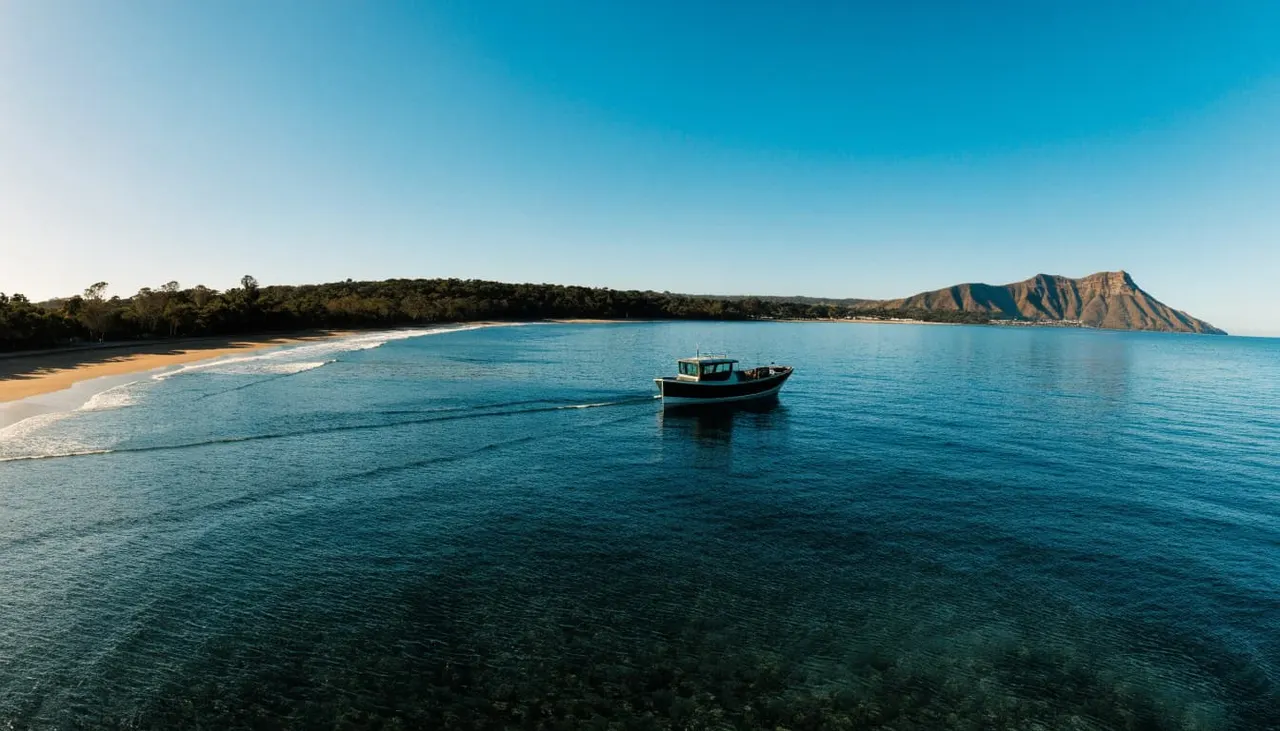
Your boat tour coast view changes for two related reasons: the vessel rotates, and it travels to a new position. Each change affects what you see, although they don’t work in quite the same way.
The boat changes the direction you face
Suppose you’re seated facing the bow while the boat turns to the right. If you keep facing forward with the boat, the shoreline appears to move toward your left across your field of view.
The same thing happens with buildings, clouds, and other distant features. They haven’t all started moving. Your view has rotated with the vessel.
You can turn your head to keep looking at one landmark. In that case, the landmark may stay near the center of your vision while the bow and railing move relative to it.
Your position changes too
A moving boat also travels through the turn. As you follow its curved path, you see the shoreline from a succession of different locations.
That change in position can alter how features line up. A beachfront building may appear beside a ridge at one moment and overlap it later. The change in alignment is called parallax.
How Parallax Changes Your View of the Shore
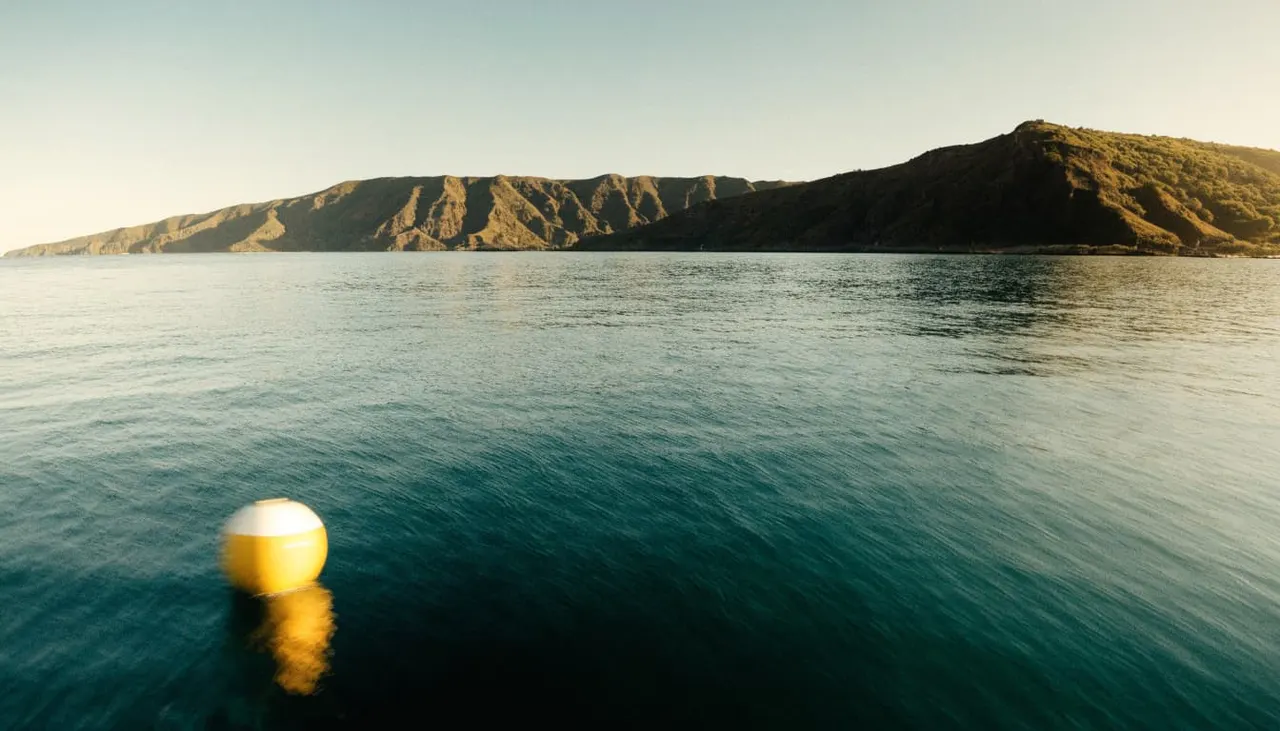
Parallax is the apparent change in an object’s direction when you view it from different positions. You can see it easily on a boat because the water, shoreline, and distant mountains give you objects at different distances.
Nearby features can shift faster
Look at a nearby buoy with a distant ridge behind it. As the boat moves sideways relative to them, the buoy may appear to pass quickly across the ridge. The more distant land usually changes position more slowly in your view.
The direction and size of the shift depend on your path and the objects’ positions. If you’re moving almost directly toward a landmark, for example, it may show little sideways movement.
Britannica’s explanation of parallax describes the same apparent displacement in optics. You don’t need to measure an angle to notice it. Watching a foreground object against a distant background is enough.
The coast has its own layers
Your boat tour coast view may include water, beachfront buildings, and ridges behind them. Those layers sit at different distances from you, so they don’t always appear to move together.
As the boat travels, a hotel may overlap a different part of the ridge. A headland can gradually hide one section of beach while revealing another. The changing view tells you something about your position, even though it doesn’t give you an exact distance.
A turn often combines parallax with rotation. The whole scene can sweep across your view as the boat changes heading, while its individual features also change alignment as you travel.
The Boat and the Shore Use Different Reference Points
A boat tour coast view can feel confusing when you switch between directions on the vessel and directions on land. A fixed point on shore helps you separate the two.
Port and starboard stay with the boat
When you’re facing the bow, port is the left side of the boat and starboard is the right. Those names stay with the vessel throughout a trip.
The scenery beside each side doesn’t stay fixed. A landmark you see off port during one part of a cruise could appear off starboard after the boat changes direction.
If the crew points out a sighting, use their direction as a starting point. Then look beyond the rail and give yourself a moment to find it.
A landmark stays in one place on land
Diamond Head is a useful reference for a trip off Waikiki because its outline is easy to recognize. Its position on Oahu doesn’t change when your boat turns, but its position relative to your seat does.
You might see more open water between the boat and the landmark as you travel offshore. On another heading, buildings may sit in front of part of the slope. Both views can be accurate.
What You’ll Notice Along Waikiki
The south shore of Oahu offers several layers to watch at once. Waikiki’s beachfront buildings form a foreground against the higher land beyond them. Diamond Head gives you a recognizable point near the eastern end of the Waikiki shoreline.
Our trips depart from Kewalo Basin Boat Harbor in Honolulu. NOAA’s U.S. Coast Pilot places Kewalo Basin 3.5 miles northwest of Diamond Head Light. That separation gives you a sense of the coastline’s scale, although your view depends on the boat’s course and conditions.
Try watching a single building against the ridge behind it. As your position changes, notice whether another building begins to overlap the same part of the background. Then look farther out at the horizon, which provides a more distant reference.
You don’t need to identify every hotel or headland to enjoy the view. The relationship between the layers is often easier to notice than the name of each feature.
Waves and Light Add Movement to the Scene
Your boat tour coast view can change even when the vessel holds a steady heading. Waves, sunlight, and visibility all affect what reaches your eyes.
Pitch and roll change your angle
Pitch is the boat’s forward-and-back rocking motion. Roll is its side-to-side motion. Either can change your viewing angle as the hull responds to the water.
During a roll, the horizon may appear to tilt relative to the deck or your camera frame. The horizon itself isn’t tipping with the boat. If you’re looking through a phone, the frame can make that change more noticeable.
Nearby waves also rise and fall between you and shore. They can briefly hide a small portion of a distant vessel or change how much foreground water you see.
Glare and haze change what stands out
Sunlight reflects off the water differently as your viewing angle changes. A bright patch may appear to travel across the surface, while a shoreline that was clear moments earlier becomes more silhouetted.
Haze can soften distant buildings and ridges. Polarized sunglasses may reduce reflected glare at some angles, but they won’t remove haze or reveal details hidden by distance.
These visual changes don’t tell you how deep the water is or where a reef begins. Enjoy the colors and patterns without treating them as a map of the seafloor.
Stay Comfortable While the View Changes
A changing view is normal on the water, but your comfort matters more than keeping a landmark in sight. Settle into a place where you can watch without needing to move around constantly.
Give yourself a steady place to sit
If you’re sensitive to motion, a seat near the middle of the boat may feel more comfortable than a position near the bow. Look toward the horizon when you can, and take a break from your phone if the screen makes you feel uneasy.
Motion sickness can involve a mismatch between sensory signals or between expected and actual movement. Research on sensory conflict and motion sickness discusses this theory, though it doesn’t identify the cause of any one person’s symptoms.
Tell a crew member early if you feel unwell. Our crew can help you find a suitable place to sit and offer guidance.
Follow the crew during maneuvers
You may notice a change in engine sound, a gentle turn, or a short wait as the captain responds to conditions and other vessels. Those changes don’t automatically mean something is wrong.
Stay seated when the crew asks you to. When you’re permitted to move, use a railing and keep stairs and walkways clear. If you spot a swimmer or object that you believe the crew hasn’t seen, point it out calmly to a crew member.
Photograph the Coast Without Chasing the View
Your boat tour coast view can produce several different compositions without requiring you to cross the deck. Let the boat’s movement bring the scenery into a comfortable sightline.
Use the horizon as your guide
If your phone or camera has gridlines, use them to help keep the distant waterline level. The railing may slope in the frame as the boat rolls, so it isn’t always a reliable guide.
Leave some room around Diamond Head or other landmarks. If you straighten the photograph later, you’ll have space to crop without losing the subject. Taking a few separate frames also gives you options when the boat moves.
Include a layer of foreground
Nearby water, a section of wake, or a small part of the boat can add depth to a shoreline photograph. A wider frame can show the relationship between the coast and the Pacific instead of isolating one building.
Keep your equipment secure, and don’t rush toward the rail for a shot. Put the screen down between photographs so you can enjoy the changing scene with your group.
Watch the Waikiki Coast With Our Crew
A boat tour gives you time to notice how Waikiki’s shoreline changes as your perspective changes. Our Honolulu ocean tours include snorkeling trips and cruises, with departures from Kewalo Basin Boat Harbor.
If you’re new to snorkeling, our professional snorkel guides can help you feel more comfortable in the water. Wildlife sightings are never guaranteed, so enjoy animals respectfully when you see them. Observe without touching or chasing them.
Enjoy the View as Your Perspective Changes
When the coast seems to slide during a turn, you’re seeing the effect of a changing direction and a changing position. Nearby objects can shift against distant landmarks, while the shoreline itself remains in place.
Choose a comfortable spot and let the crew handle the course. You can enjoy each new view without needing to chase it around the boat.


