
How to Read a Boat Tour Cancellation Policy Before Booking
Your ocean day can depend on one sentence you skimmed at checkout. A boat tour cancellation policy tells you when you can change plans, who handles your refund, and what happens if the captain calls off the trip.
If you’re planning a snorkel outing with Living Ocean Tours near Waikiki, check the terms for your exact reservation before you pay. Start with the seller, then read the deadline and weather rules.
Start with the seller named on your receipt
A tour operator may run the boat without being the company that charged your card. That distinction matters when you need to cancel. Find the seller’s name on the checkout page and confirmation email before you assume the operator can issue a refund.
Direct bookings
When you book directly with an operator, its current terms usually provide your starting point. Look for a policy on the tour page, then compare it with the terms shown at checkout. Save the confirmation, since it identifies the departure and the instructions tied to your purchase.
Living Ocean Tours departs from Kewalo Basin Boat Harbor, minutes from Waikiki. It describes itself as the only tour company with professional snorkel guides, an appealing detail if you’re new to the water. Even so, guide support and cancellation terms answer different questions, so check both before booking.
Third-party bookings
If you pay through a reseller, its refund process may control your purchase. Keep the platform’s receipt and the operator’s tour confirmation. They may contain different instructions, and you could need both if plans change.
Before choosing a seller, compare the total price and cancellation wording on each checkout page. A familiar tour name doesn’t mean the same refund deadline follows you across booking channels.
Find the deadline in the boat tour cancellation policy
“Free cancellation” is useful only when you know its cutoff. Read the sentence after that phrase. It should tell you how far ahead to act and what happens if you miss the window.
Translate the cutoff into your own schedule
Check whether notice is due a set number of hours before departure, a number of business days ahead, or by a stated local time. If the wording uses “24 hours,” count back from your sailing, not from midnight on the previous day.
Also check the time zone. Your phone may still show your home time when you land in Honolulu. If a deadline reads ambiguously, ask the seller to confirm the exact cutoff for your reservation in writing.
Some Turtle Canyon snorkel planning information mentions a full refund or credit with at least 24 hours’ notice. Don’t apply that statement to every tour or sales channel. The terms shown for your specific booking take priority when you plan a cancellation.
Check how you must give notice
A policy may direct you to a booking portal, an email address, or the seller’s support team. Find out whether a phone call counts and whether you must receive confirmation. If you send an email near the deadline, keep its timestamp and any reply.
Don’t assume booking a second date cancels the first one. Request the change explicitly, and keep both confirmations until the original reservation shows the approved update.
Separate a refund from a credit or date change
Three offers can sound equally helpful until your vacation has one day left. A refund returns money through the applicable payment process. A credit leaves value for future use. Rescheduling moves your place to another departure, if space is available.
Read the conditions attached to each option
For a credit, look for an expiration date, transfer rules, and any difference in price for the replacement trip. For rescheduling, check whether the original cancellation deadline still applies and whether you can change dates more than once.
Your boat tour cancellation policy should also say what happens to fees or add-ons. If it doesn’t, ask for the total amount you’d receive back. That answer is more useful than a general promise of “flexibility.”
A free date change helps only if another sailing has room while you’re still on Oahu.
Don’t assume a universal grace period
Booking online doesn’t automatically give you three days to cancel a tour. The FTC’s Cooling-Off Rule guidance describes a limited rule for certain sales, not a blanket refund promise for online boat reservations. Rely on the terms attached to your purchase instead.
Read weather terms as a separate set of rules
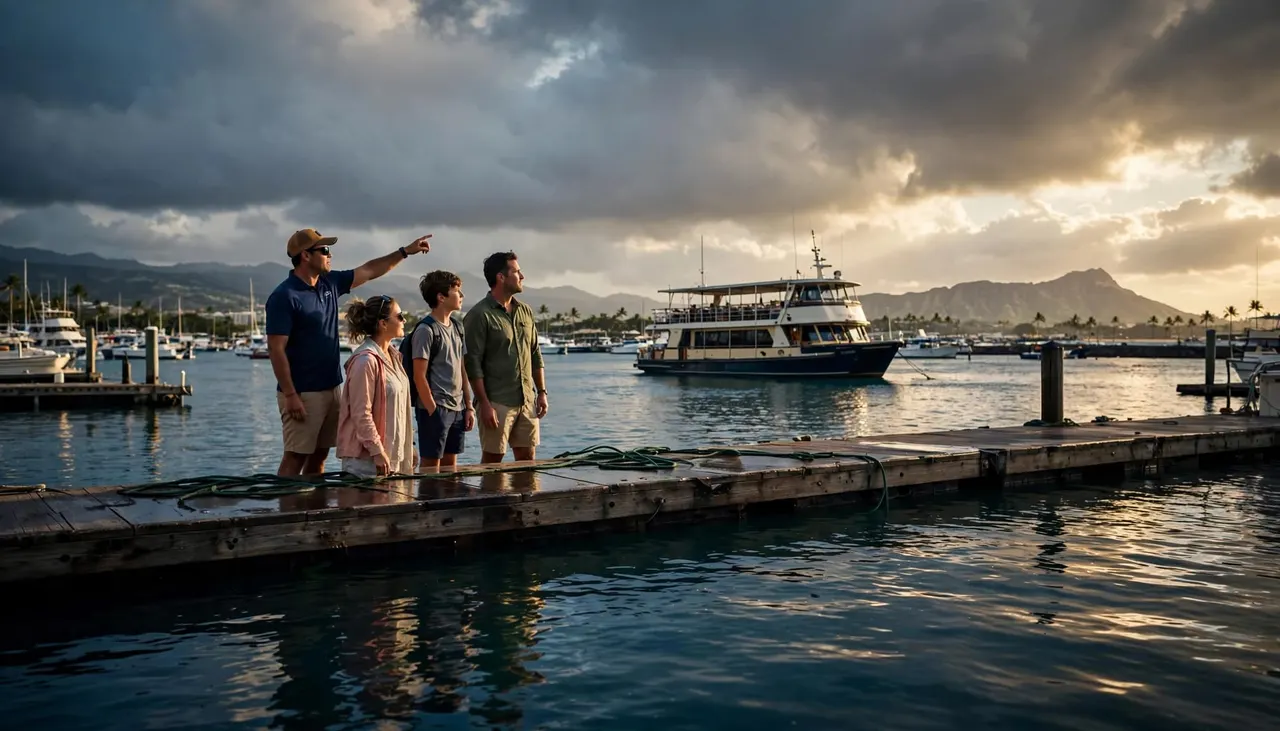
A sunny view from Waikiki doesn’t settle conditions offshore. Wind, swell, visibility, and safe water entry can affect a trip. You can check National Weather Service marine forecasts for context, but the operator makes the decision about its departure.
Find out who calls off the trip
For Living Ocean Tours’ Turtle Canyon Snorkel Excursion, the published terms say the company may cancel for unsafe conditions or heavy rain. It says guests receive notice by email and text. If you booked directly, you can choose a full refund or rescheduling, subject to availability.
For a reseller booking, the same tour page directs you to the platform where you purchased the ticket for refund requests. That difference is a strong reason to save your original receipt.
If Turtle Canyon fits your plans, CHECK AVAILABILITY after you’ve reviewed the terms shown for your date.
Distinguish a cancellation from a changed trip
A captain may delay departure or adjust a route without canceling the outing. Likewise, choosing to stay at your hotel because rain is forecast isn’t the same as the operator calling off the tour.
Ask what happens if a snorkel stop changes, a cruise returns early, or the trip cannot depart at all. Then decide whether the policy fits your priorities. If getting into the water is the main reason you’re booking, a route-only change may matter more to you than it would to a sightseeing guest.
Check the missed-boat rules before planning your arrival
Cancellation deadlines cover notice given before a trip. They don’t necessarily protect you if you reach the dock after boarding closes. A boat may still depart on time because the crew must complete check-in and the safety briefing.
Use your tour’s check-in instruction
Living Ocean Tours’ tour planning FAQs advise check-in 30 minutes before departure. Other tour materials show different arrival guidance, so use the instruction in your current confirmation for the sailing you booked.
Leave time for a rideshare pickup, parking, finding the correct slip, and completing any required waiver. If you’re traveling with children or a larger group, get everyone to the boarding area together. Your departure time is when the boat is scheduled to leave, not when you should first arrive at the harbor.
Treat a no-show differently from a cancellation
Published Living Ocean Tours terms say late arrivals and no-shows may forfeit their tickets without a refund. If you’re running late, contact the operator promptly. Have your confirmation number, tour name, departure time, and party size ready.
You can ask whether a later sailing has space or a future date is possible. Neither option is guaranteed. Don’t try to catch a vessel that’s already leaving the dock; wait for instructions from the shore team.
Compare the policy with your actual travel plans
A reasonable boat tour cancellation policy can still be a poor fit for your schedule. Before paying, consider how much room you have to move the trip and whether every guest can make the stated check-in time.
Leave a usable backup day
If ocean conditions could change your plans, book early enough in your stay to allow another available date. Rescheduling depends on capacity, so a backup day isn’t a promise of a seat. It does give you a better option to request than your departure day from Oahu.
This matters for seasonal trips and outings with limited departure times. It also matters if your group would find it difficult to reorganize around a new sailing.
Keep the booking details together
Save a copy of the checkout terms and confirmation where you can find them offline. Record the seller, tour name, date, time, guest count, and confirmation number. If anyone in your party booked separately, gather their details before asking for a group change.
When you contact support, give two or three dates that could work. Ask for written confirmation of any approved refund, credit, or replacement sailing before rearranging the rest of your day.
Key Takeaways
- Check who charged you before deciding where to request a refund.
- Convert the cancellation cutoff into Honolulu local time and save the terms shown at checkout.
- Read guest cancellations, operator weather cancellations, and missed departures as separate situations.
- If you need another sailing, ask early and wait for written confirmation before changing your plans.
Frequently Asked Questions
Does bad weather automatically mean I get a refund?
No. The operator decides whether its trip can run safely, and the outcome depends on your booking terms. Weather cancellations can carry different options from a guest’s decision not to go. Check how you’ll receive updates, especially if you won’t have reliable mobile service while traveling.
Can I dispute a charge if a refund isn’t processed?
First, contact the seller named on your receipt and keep a record of your request. If you paid by credit card and believe there’s a billing problem, the FTC’s guide to disputing credit card charges explains the process and applicable deadlines. A dispute isn’t a substitute for checking the policy before you buy.
Can I leave a tour early and get money back?
Don’t assume the cancellation window applies after you’ve boarded. If you feel ill or unsafe, tell the crew right away; your wellbeing comes first. Then ask the seller what its terms allow for any unused part of the trip.
Conclusion
The sentence you skim at checkout can shape your whole ocean day. Read the seller, deadline, and weather terms together, then compare them with your real travel schedule.
Once those details are clear, you can book with a sound plan for both the sailing you want and the changes you might need.


