
Boat Tour Amenities That Fit Your Waikiki Plans
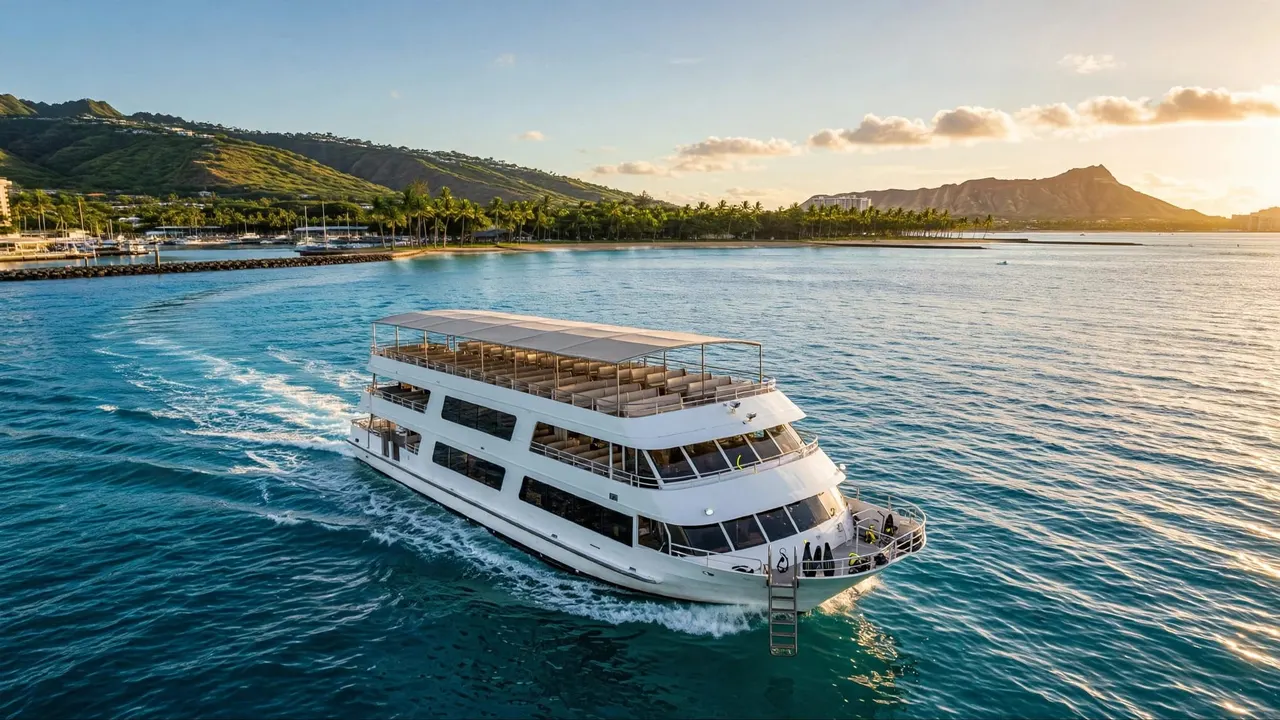
A beautiful route won’t make up for a boat where you can’t find shade, settle into a seat, or get comfortable entering the water. The right boat tour amenities depend on what you’re planning to do once you leave the harbor.
Living Ocean Tours offers family-friendly outings from Kewalo Basin Boat Harbor, near Waikiki. If you’re choosing between snorkeling and a relaxed coastal ride, start with the experience your group wants most. Then check whether the boat supports it.
How to compare boat tour amenities before booking
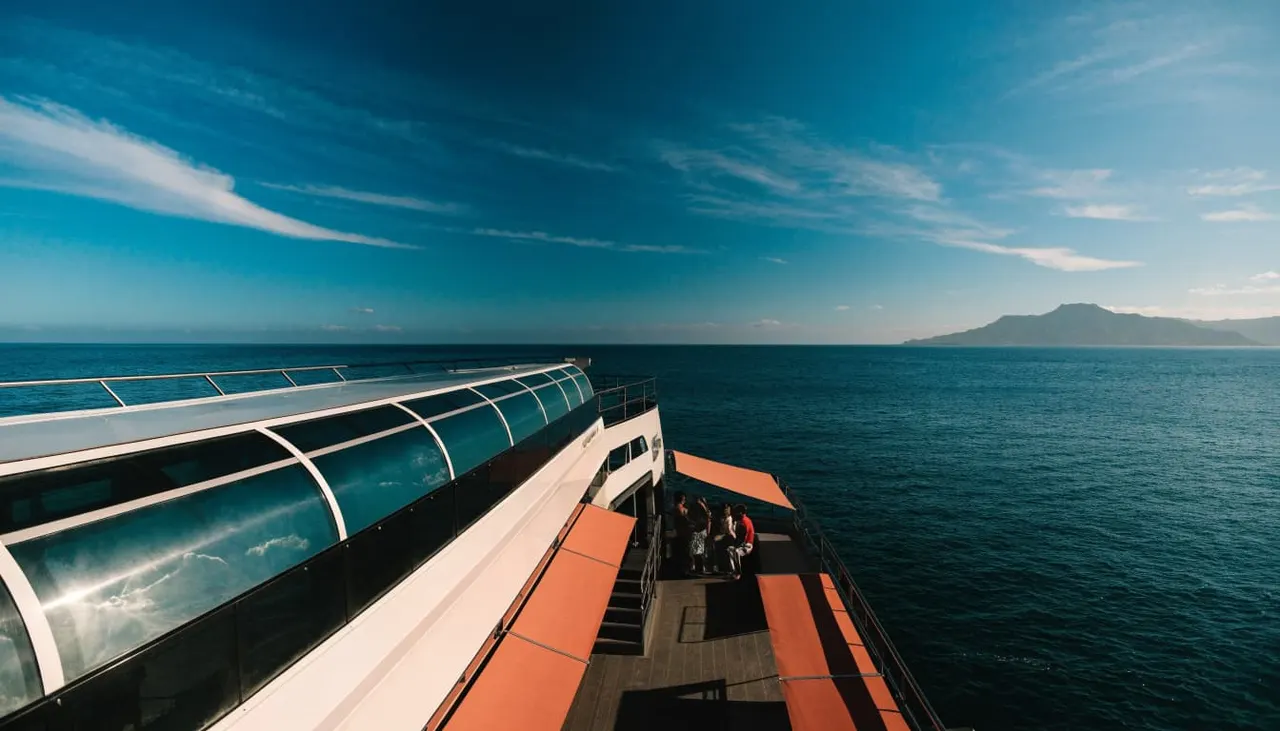
Living Ocean Tours runs Coast Guard-inspected double-decker vessels, the Coral Kai and Lokahi. Both have shaded seating, restrooms, dry storage, and sturdy ladders for water access. Those features matter in different ways depending on your trip.
Pick your main activity first
If you’re eager to snorkel, in-water guidance and an easy return to the boat may matter more than an upper-deck view. On a sunset outing, you’ll likely care more about seating, sightlines, and the evening breeze. Families often need a mix: space for an active child and somewhere comfortable to rest.
You can compare the Honolulu ocean tours by choosing one priority for everyone in your group. A trip feels easier when you aren’t asking a sightseeing cruise to deliver a swim day, or a reef excursion to feel like a quiet evening ride.
Check the assigned boat
A tour photo may show a feature that isn’t available on every departure. The Coral Kai offers broad open-deck space. The Lokahi has a SeaKeeper stabilization system designed to reduce boat roll, plus a cash bar and upper-deck waterslide. Ask which vessel is scheduled if one of those details will shape your choice.
You can also look at guest reviews for clues about crew support, boarding, and comfort. Pay attention to comments about the type of trip you’re considering.
When you’re ready to compare dates across Living Ocean Tours outings, you can check the current departures.
Choose seating that suits your group
The best view isn’t always the best seat for the whole ride. Think about sun exposure, stairs, and how often someone in your group may need a break.
Balance open-air views with shade
An upper deck gives you a broad look at the Waikiki coastline and Diamond Head. A shaded seat may feel better after you’ve been in the sun all morning, especially if you’re traveling with children. Before booking, ask whether shade is available to everyone or limited to part of the deck.
Also ask how seating works. If your group needs to sit together or stay close to a restroom, don’t assume you’ll be able to choose a particular spot. Once aboard, follow the crew’s directions about moving between levels.
Plan for motion, not perfect calm
The Lokahi’s SeaKeeper system can reduce side-to-side roll, but no boat removes all ocean movement. If you’re prone to motion sickness, ask about the assigned vessel and expected conditions. Let the crew know how you feel before departure so they can advise you on seating.
A steady hand on the railing matters when you move around a boat, even on a calm day. Keep bags in dry storage rather than in walkways, and save deck changes for times when the crew says it’s safe.
Look beyond snorkel gear for in-water support
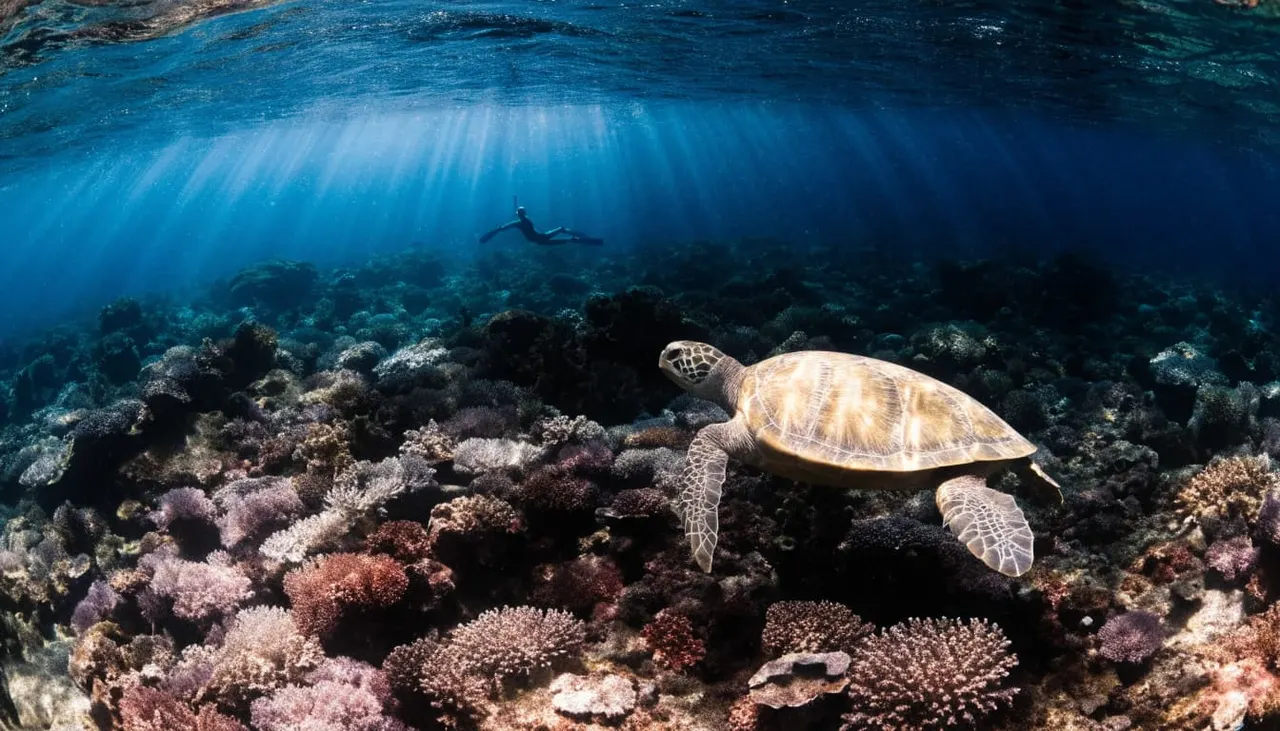
For a snorkel tour, the most useful boat tour amenities help you before and after the swim. You need room to prepare, a clear way into the water, and a ladder you can use when you’re tired.
Choose guidance for a turtle-focused swim
Living Ocean Tours is the only tour company with professional snorkel guides. They can help you check your mask and fins, understand the entry procedure, and stay oriented at the reef. That direct support is especially useful if you’ve never snorkeled from a boat.
The two-hour Turtle Canyons trip is listed from $79 for guests ages 3 and up. Living Ocean Tours reports a 95% turtle-sighting rate, although wildlife sightings can never be guaranteed. Follow your guide’s route and give turtles room to move. NOAA’s marine life viewing guidance recommends staying at least 10 feet from sea turtles in Hawaiʻi, on land and in the water.
If guided turtle snorkeling fits your plans, CHECK AVAILABILITY for your travel dates.
Make room for different energy levels
The Deluxe Waikiki Snorkeling and Wildlife Cruise is a 2.5-hour option for groups that want more than reef time. Its water-play features include a boat-mounted slide, water trampoline, and floating lily pad.
That variety can work well when some people want to swim and others want to relax aboard. Before booking, check the current activity rules and ask how the crew manages water entry and supervision. If that sounds like your family’s kind of afternoon, CHECK AVAILABILITY.
Match scenic cruises to the view you want
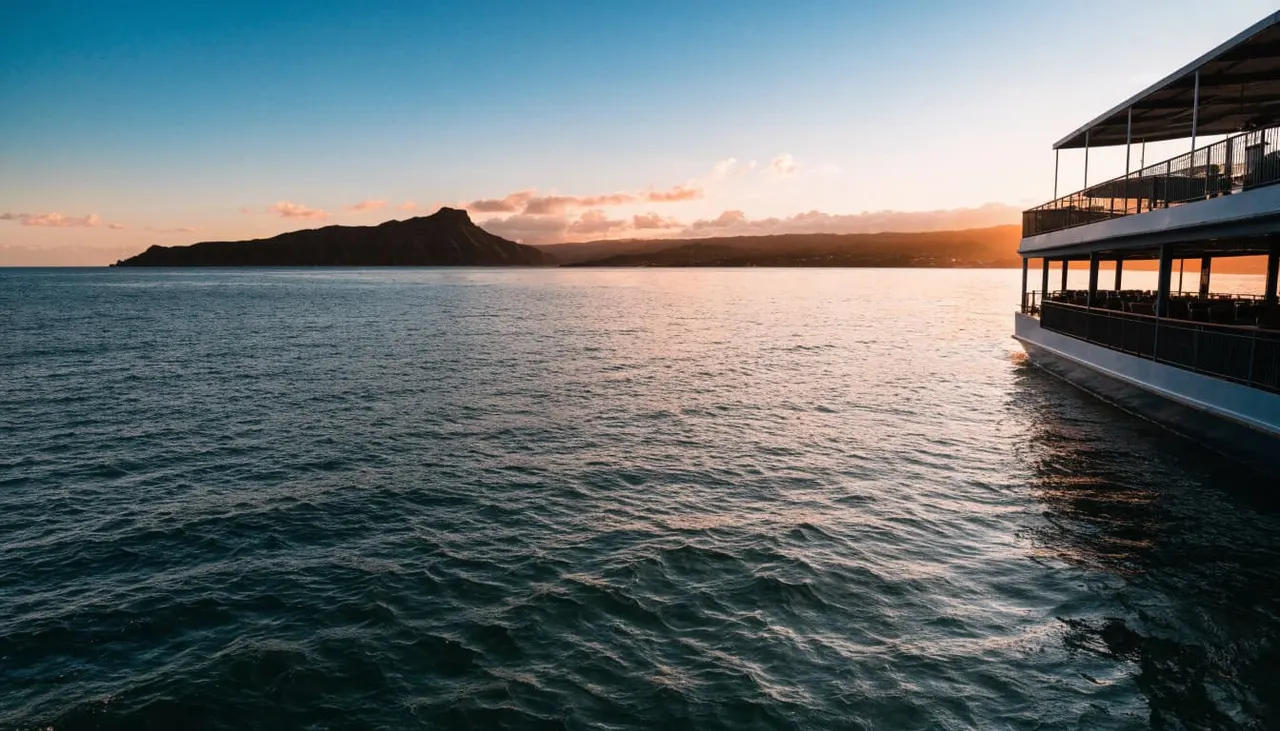
You don’t need to swim to enjoy time off Waikiki. On a view-first trip, comfortable seating and space along the rail become more important than ladders or water-play equipment.
Settle in for sunset
Living Ocean Tours’ Waikiki Sunset Cruise welcomes guests ages 3 and up. Its double-decker layout lets you choose between open-air views and shaded seating. Guests 21 and over can bring beverages on eligible BYOB departures; ask about the drink policy for the date you choose.
A sunset ride can suit a couple after a beach day or a family that wants an ocean outing without wet gear. Bring a light layer for the trip back, when the breeze can feel cooler. You can CHECK AVAILABILITY once you’ve chosen an evening.
Give wildlife viewing some patience
On a whale-watching trip, you may spend much of the ride scanning open water. Ask about viewing space, seating, shade, and refreshments rather than judging the trip by a promised sighting. Wildlife moves on its own schedule.
Timing matters, too. NOAA’s Hawaiʻi whale-watching boating guide says humpbacks generally visit from November through May, with usual peak abundance from January through March. An operator’s actual tour schedule may cover a shorter period, so check available dates before building your day around a whale watch.
Ask safety and access questions early
Good boat tour amenities won’t help if boarding or moving aboard is difficult for someone in your group. A short conversation before you pay can prevent an uncomfortable surprise at the harbor.
Be direct about mobility and swimming
Tell the operator if someone uses a mobility aid, finds stairs difficult, or needs help stepping aboard. Ask about the dock-to-boat transfer, deck access, and the distance to the restroom. A sturdy swim ladder is helpful for many guests, but it doesn’t replace an individual access plan.
For snorkeling, be candid about swimming ability. Ask what flotation support is available and whether someone can enjoy the trip from the boat without entering the water. Families should also confirm current age and participation rules for each activity, rather than assuming every child can use every feature.
Know the crew’s safety plan
Ask when you’ll receive the safety briefing and how the crew handles a guest who feels unwell. Find out where flotation equipment is kept and which instructions apply while the boat is underway. The U.S. Coast Guard’s life jacket guidance covers recreational vessels; for a commercial tour, follow your operator’s instructions and ask about the equipment provided aboard.
If you feel dizzy, cold, or exhausted while snorkeling, tell a guide and return to the boat. Staying near enough to hear directions makes that choice easier. You can enjoy the reef without pushing past your comfort level.
Check the details that affect your total cost
A ticket price tells you what it costs to board, but it may not tell you what to pack or buy later. Compare what’s included on the departure you’re considering.
Confirm gear, drinks, and storage
For a snorkel outing, ask whether masks, fins, and flotation equipment are included. Check whether you should bring a towel and how much dry storage is available for your bag. If a mask doesn’t fit comfortably, say so before the entry line forms; it’s easier to adjust gear on deck than in the water.
For a scenic trip, check the beverage policy rather than assuming drinks are included. BYOB, a cash bar, and provided refreshments are different arrangements. Knowing which one applies helps you pack lightly and avoid an unnecessary purchase at the harbor.
Read the schedule as carefully as the price
Compare the full trip duration with the time you’ll spend doing your main activity. A two-hour snorkel outing includes travel and preparation as well as water time. On an evening cruise, confirm the departure time for your date because sunset changes through the year.
Also read the weather and cancellation terms before you commit. Ocean conditions may change the route or make water activities unsuitable. If snorkeling is a highlight of your vacation, leave some flexibility in your plans for a possible schedule change.
Make your final choice before you head to the harbor
Once you’ve narrowed your options, check that the practical details fit the least flexible person in your group. A confident swimmer may be happy anywhere aboard. A young child, a nervous beginner, or someone prone to motion sickness may need more planning.
Use these questions to make your last comparison:
- Can everyone board, sit comfortably, and reach the restroom if needed?
- Does the departure include the guidance, gear, or viewing space you care about most?
- Do you know the assigned vessel, current price, drink policy, and check-in time?
- Have you packed for the activity, with sun protection, water, and a dry layer where appropriate?
Living Ocean Tours departs from Kewalo Basin Boat Harbor, not directly from Waikiki Beach. Allow time to reach the harbor, find your meeting point, and hear the crew’s briefing. Arriving with the right gear and an unhurried group gives you more time to enjoy the coast.
Choose comfort that supports your day
The right boat tour amenities make your chosen experience easier to enjoy. For snorkeling, put guidance and water access first. For a scenic ride, look closely at seating, shade, and sightlines.
That beautiful route still matters. When the boat also fits your group, you can spend less time solving small problems and more time taking in Waikiki from the water.


