
Boat Tour Accessibility for Guests With Hearing Loss
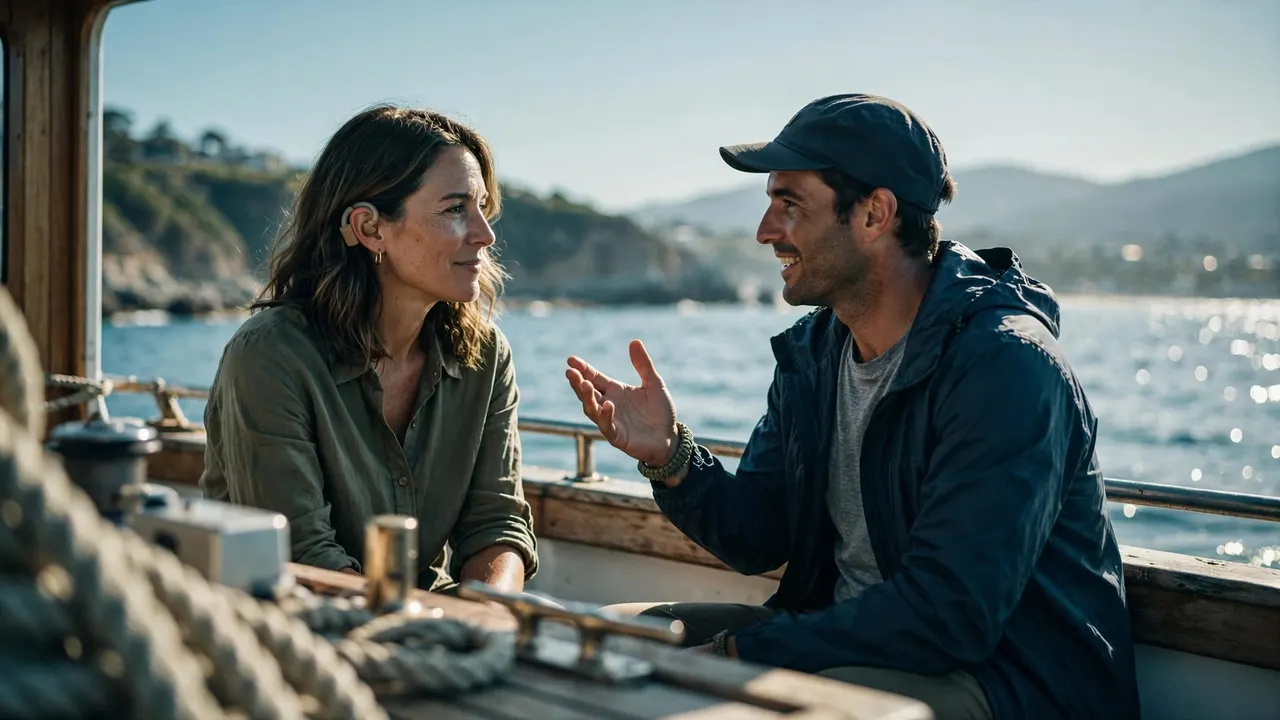
Wind, engines, and excited passengers can make a boat announcement harder to follow than a conversation on shore. For your Living Ocean Tours outing, boat tour accessibility starts with a clear communication plan before departure.
You shouldn’t have to guess where to sit, how to request help, or what a guide means. A few direct conversations can make your ocean adventure more comfortable, whether you’re traveling with your partner or bringing the family.
Start by explaining what helps you understand, then confirm how that will work aboard.
Discuss Boat Tour Accessibility Before Booking
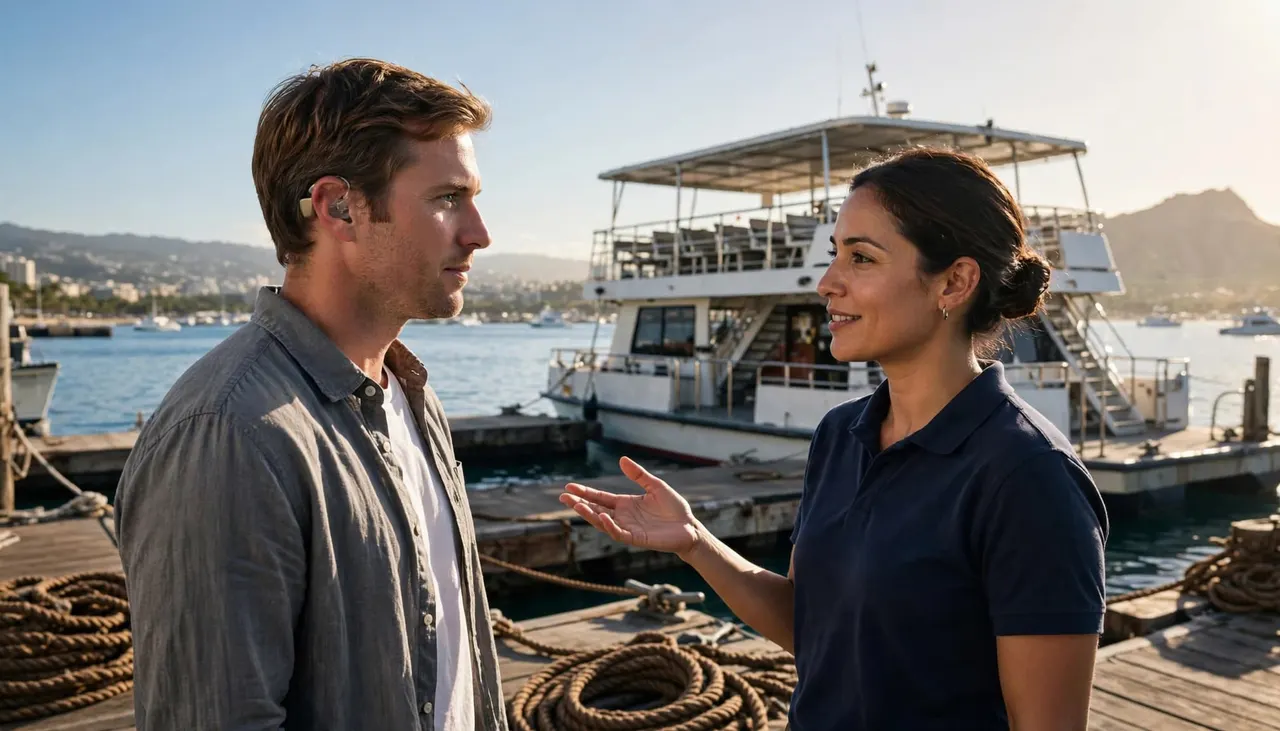
A general question about accessibility may produce a general answer. Instead, explain whether you prefer written information, face-to-face speech, sign language, or a combination.
Ask how the safety briefing is delivered and how crew members communicate changes during the trip. Also confirm whether requested communication support is available on your particular departure. Don’t assume every boat has captioning, assistive listening equipment, or a signing crew member.
When comparing Living Ocean Tours’ ocean adventures, you can ask these questions before choosing an experience. You’ll depart from Kewalo Basin Boat Harbor near Waikiki. The company’s Coast Guard-inspected double-decker vessels include shaded seating, restrooms, and dry storage.
Those amenities support comfort, but your communication arrangements still need a separate conversation. For snorkeling, ask Living Ocean Tours’ professional snorkel guides how they demonstrate instructions and get guests’ attention in the water.
If you use telecommunications relay services, the U.S. Department of Transportation’s passenger vessel guidance identifies 7-1-1 as an access number.
You don’t need to share your full medical history. Describe the support you need, confirm the answer, and book once the arrangements fit your group.
Make the Safety Briefing a Two-Way Conversation
Arrive with enough time to speak with a crew member before departure. Your booking message is useful, but a brief introduction helps the onboard team connect that request with you.
Explain What Clear Speech Means for You
Try a direct request: “Please face me when speaking, and show me any important directions I miss.” If you use speechreading, ask the speaker to keep their face visible rather than turning toward equipment while explaining it.
The National Institute on Deafness and Other Communication Disorders recommends speaking clearly without shouting. Louder speech alone doesn’t solve background noise or a blocked view of someone’s face.
If an instruction remains unclear, ask for different wording or a demonstration. Repeating the same sentence louder may leave you with the same gap.
Confirm the Actions That Matter
Before the boat moves, ask the crew to point out life jacket storage, relevant exits, stairs, and areas that must stay clear. Have them explain how you’ll receive an urgent instruction if you miss the loudspeaker.
Then repeat essential directions back in your own words. For example, confirm which stairway you should use or where you should remain during a maneuver.
This gives the crew a chance to correct a misunderstanding before it affects your movement. Your companion can listen too, but you should receive the instructions directly whenever possible.
Choose Seating for Sightlines and Conversation
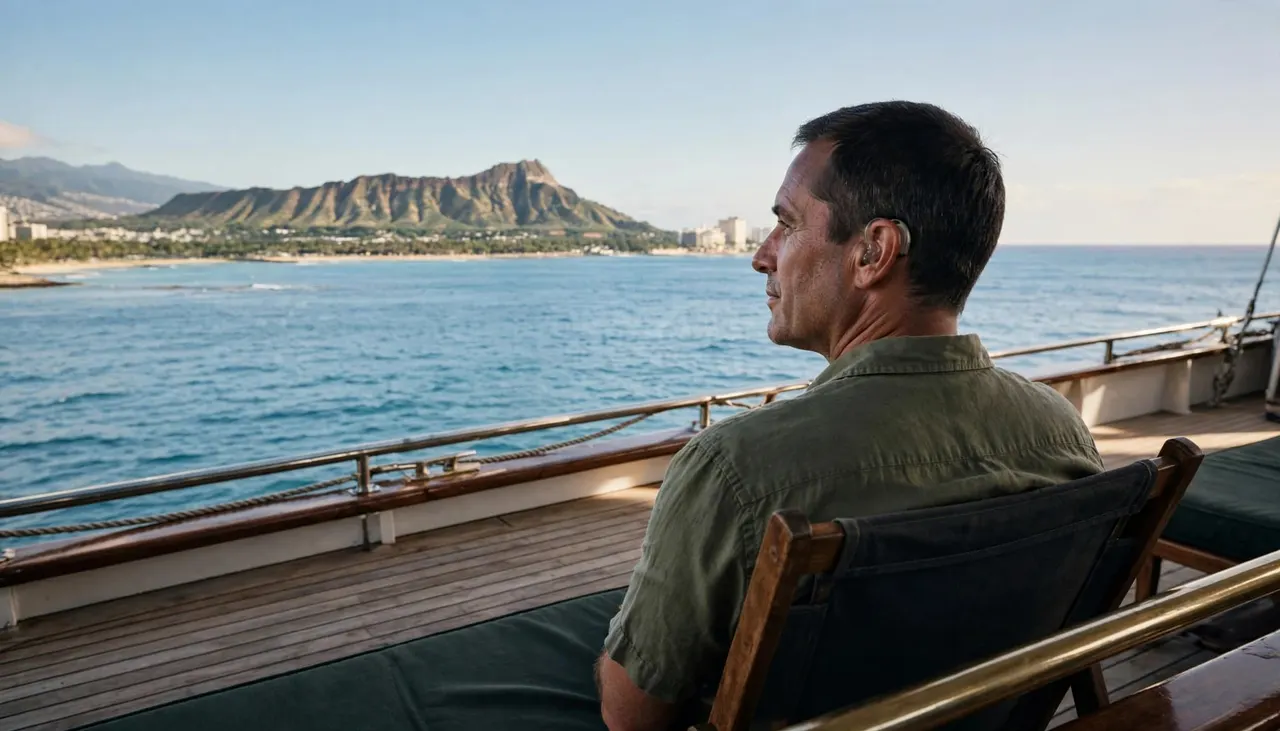
The seat with the widest ocean view may not offer the clearest communication. Ask a deckhand which available location gives you a useful view of crew members without blocking a walkway.
Engine noise, wind, music, and nearby conversations can compete with speech. Because conditions change underway, a spot that seems quiet at the dock may feel different offshore.
If you hear better on one side, tell the crew when discussing seating. You can also ask your partner to sit where conversation feels easiest. However, follow crew directions about passenger placement and movement.
A clear view of the speaker matters if you use visual information to understand speech. Bright sun behind someone’s face, a broad hat brim, or passengers standing between you can interfere.
Keep sunglasses handy for glare, but explain if you need an unobstructed view during a conversation. Ask for clarification while you’re seated rather than walking across a moving deck to catch an announcement.
After sunset, seeing faces can become harder. Ask how the crew will communicate directly when lighting is low. Don’t add a bright flashlight or use flash photography near the helm without permission.
Keep bags and loose gear stored securely so neither you nor the crew must step around them during an important update.
Build a Communication Backup Beyond Hearing Aids
Boat tour accessibility works better when you have more than one way to receive essential information. Decide what your backup will be before wind or spray makes conversation difficult.
Ask About Equipment You Already Use
If you use a remote microphone or another assistive listening device, ask whether your setup can work during the briefing. Bring necessary accessories only if you can protect and use them according to their instructions.
NIDCD explains that assistive listening devices can help amplify wanted sounds when background noise interferes.
That doesn’t mean equipment is supplied aboard. Confirm availability and compatibility before relying on it. Also explain whether you need someone to face you even while using your device.
Prepare a Simple Written Option
Save your communication preferences on your phone so you can show them without repeating your explanation. A short note can say that you need face-to-face instructions or written confirmation of important changes.
Speech-to-text tools may help with a quiet conversation, but wind and engine noise can produce errors. Verify safety information with the crew rather than trusting an uncertain transcript.
Keep your phone protected from spray and don’t read it while using stairs. If you prefer a waterproof note card, bring one yourself and agree on how you’ll use it.
For device care, save your manufacturer’s water-exposure instructions beforehand. Ask your hearing-care professional about your exact model rather than assuming a moisture-resistant device is suitable for swimming.
Agree on Visual Signals Before Snorkeling
A snorkeling trip adds another communication challenge: you may be looking underwater when a guide needs your attention. If your hearing devices won’t be in use, your plan needs to work without spoken instructions.
Confirm the Guide’s Established Signals
Before entry, ask the guide to demonstrate signals for being okay, needing help, and wanting to return. Use the crew’s established signals rather than inventing a competing set.
Also ask how the guide will attract your attention. Have them point out the swim boundary, return route, and reboarding ladder while you’re still on deck.
A signal agreed on during the briefing is useful only if you and the guide can recognize it in the water.
Practice the important signals back to the guide. Then confirm what to do if you lose sight of the group or don’t understand a direction.
Ask about secure storage if your devices will stay aboard. Dry storage is an amenity, but you still need a protective case and a storage plan appropriate for your equipment.
Keep Your Buddy Within Sight
Explain to your buddy that swimming ahead can leave you without an easy communication link. Stay within clear sight of each other and look up regularly to locate the guide and boat.
If you become separated, follow the procedure explained during your briefing. Don’t choose a distant vessel or swim toward shore on your own.
Signal early when you’re tired or uncomfortable. Also keep wildlife viewing within the guide’s boundaries. Observe turtles and reef life without touching, chasing, or crowding them.
Your boat tour accessibility plan should support both communication and responsible ocean enjoyment.
Respond Clearly When You Miss an Announcement
Missing a sentence doesn’t require an apology. Tell a crew member what you need clarified before changing seats, approaching a ladder, or entering the water.
A useful request is, “I missed the direction about where to sit. Please show me.” Naming the missing action helps the crew give you an answer quickly.
Ask your companion to alert you when a briefing or update begins. However, important instructions should still come from the crew, especially if conditions change.
Agree beforehand on an attention cue that feels comfortable to you. That might be a wave within your sightline or another method you approve. Don’t assume everyone welcomes a touch on the shoulder.
If you’re traveling with a child who has hearing loss, explain the family’s communication preferences privately. Confirm how the crew will get the child’s attention without separating them from their adult.
During an urgent situation, focus on the crew member giving directions and ask for immediate clarification if needed. Keep walkways open and remain where directed.
You don’t need to decode harbor horns or make navigation decisions. Let the captain manage vessel traffic while you watch for passenger instructions.
Likewise, report discomfort early. Tell a deckhand if you’re dizzy, unsteady, or struggling to follow communication. Avoid climbing stairs or crossing the deck alone when you feel unwell.
Key Takeaways for Boat Tour Accessibility
Your communication plan should cover the moments when conditions change, not only the conversation at check-in.
- Confirm requested support before booking, including how you’ll receive safety instructions.
- Ask for face-to-face speech, demonstrations, or written clarification according to your needs.
- Choose crew-approved seating with useful sightlines and keep movement areas clear.
- Agree on snorkeling signals and a buddy plan before entering the water.
- Check your device instructions and prepare a backup communication method.
These arrangements help your partner or family support you without becoming your only source of information.
Enjoy the Ocean With a Clear Communication Plan
Boat tour accessibility starts with knowing how you’ll receive information when wind, distance, or water changes your usual routine. Confirm your needs before booking, then review the plan with the crew aboard.
Keep essential instructions clear, use agreed signals, and ask again whenever something doesn’t make sense. Those small conversations let you spend more attention on Waikiki’s coastline and the ocean experience you came to enjoy.
Choose a trip whose confirmed communication arrangements fit you and your group.


