
Boat Tour Accessibility: The Dock-to-Deck Transfer
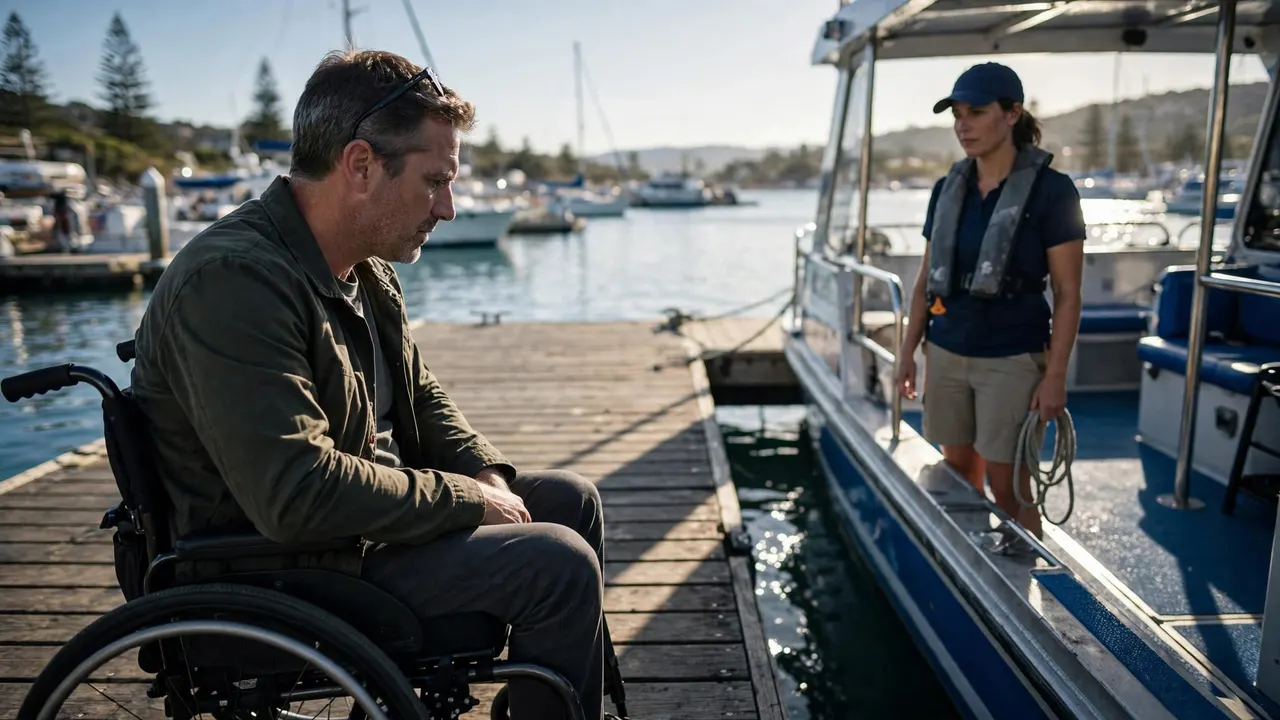
Boat tour accessibility depends on whether you can safely cross between the dock and deck and use the spaces aboard. At Living Ocean Tours, we want you to understand that route before choosing your ocean adventure.
Shaded seating and friendly guidance can improve your day, but neither establishes step-free boarding. Start with your transfer needs, then consider the rest of the trip.
Make Boat Tour Accessibility About the Boarding Route
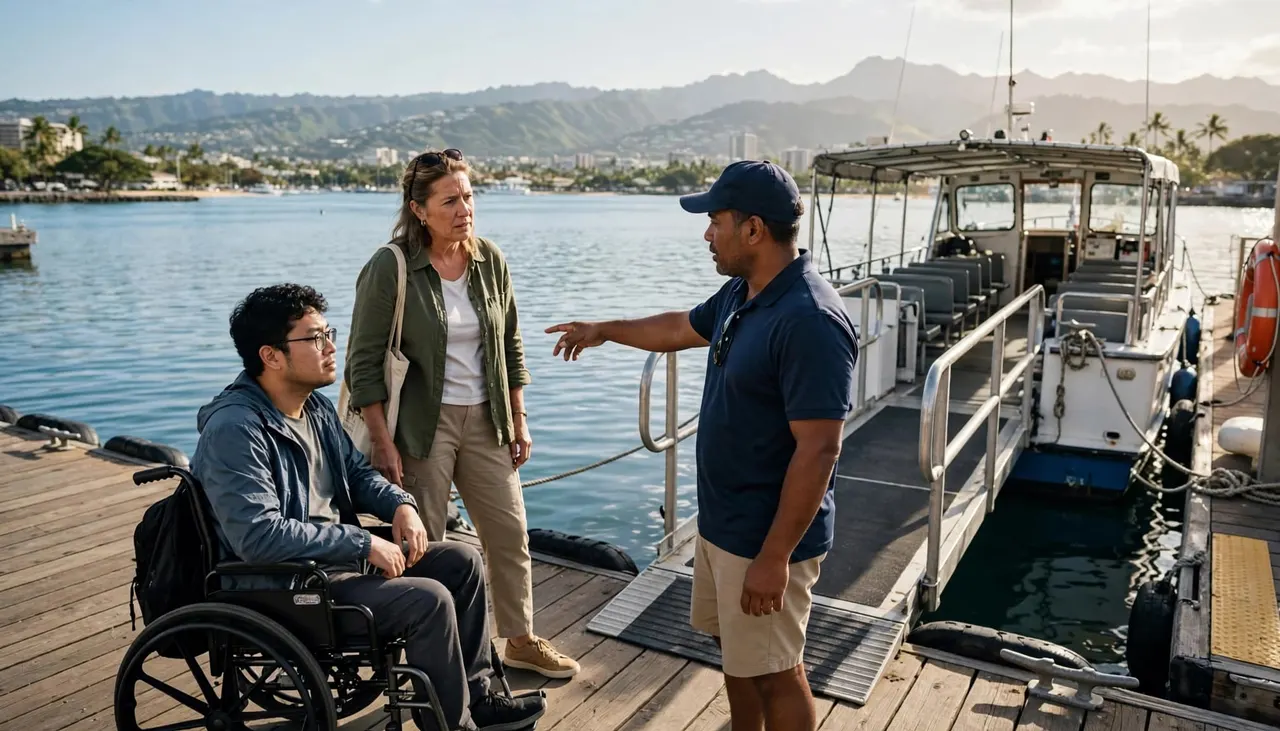
A broad question about accessibility can miss the transition that matters most: getting aboard. Discuss the full route rather than relying on a general description of the boat.
Separate shore access from boat access
A manageable harbor walkway doesn’t establish that your wheelchair, scooter, or walker can reach the passenger deck. Boarding may involve different surfaces and transitions than the approach through the marina.
The U.S. Access Board’s recreational boating facilities guide addresses facilities such as accessible routes and boat slips. It doesn’t establish access onto a particular passenger vessel.
For your planning, treat the shore route, boarding transition, and onboard spaces as separate parts of the journey.
Describe what you can safely do
Explain whether you can stand briefly, step across a gap, climb a step, or transfer to another seat. Also mention whether those movements require support.
Practical descriptions give the conversation a useful starting point. You might say, “I can walk short distances with my walker, but I can’t manage stairs.”
You don’t need to provide your entire medical history. Focus on the movements, equipment, and assistance that affect your participation.
Understand What Makes Boarding Different
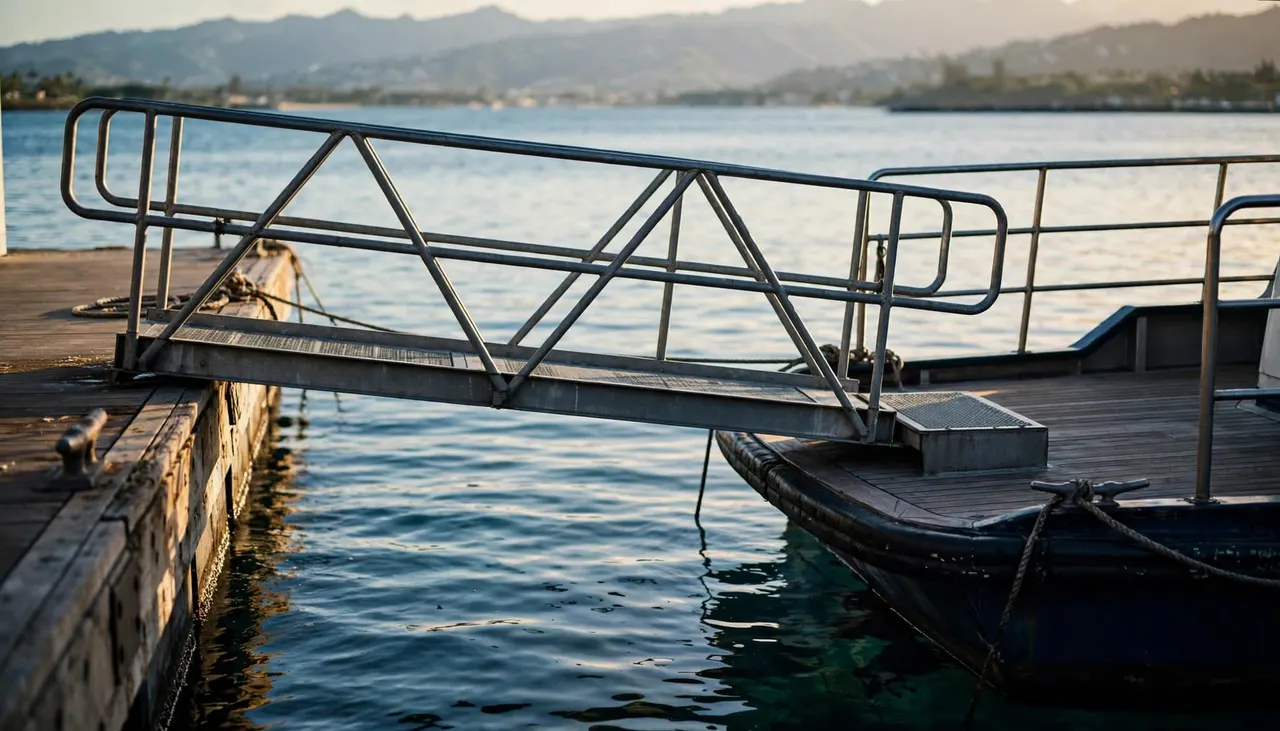
The connection between shore and boat can change as the vessel moves. A route that looks straightforward in a photograph may feel different at boarding time.
Account for gaps and changing angles
Tide, passing wakes, and vessel movement can affect the dock-to-boat transition. The boarding surface, its angle, and any threshold all matter when you use a mobility aid.
Ask the crew to describe the boarding sequence, including where you’ll pause and which handholds are available. A reassuring answer should explain the actual movement required.
Avoid stepping forward while you’re uncertain about an instruction. Wait for the crew’s signal, and never jump across a gap or improvise a transfer.
Include the return ashore
Your access plan needs to cover disembarking as well as boarding. After time offshore, fatigue, wet clothing, or motion sickness may affect your balance.
Describe whether you need extra time or a companion nearby at either end of the trip. The return shouldn’t depend on having more strength than you usually have.
Also discuss what happens if conditions make the planned transition unsuitable. Boarding pressure shouldn’t push you into a movement you can’t safely complete.
Plan for Your Mobility Device and Transfer Assistance
For boat tour accessibility, your ability to board and your device’s ability to travel aboard are separate questions. Address both before committing to an excursion.
Explain the device’s requirements
Provide your wheelchair or scooter’s make, model, dimensions, and weight. Mention whether it folds or separates into smaller pieces, and identify the battery type when relevant.
Those details matter beyond the boarding entrance. Turning space, storage, and keeping passages clear also affect whether an arrangement works.
Don’t assume a dry-storage area can accommodate a mobility device. Likewise, a folding walker and a powered scooter have different handling needs. Discuss where your equipment would remain and whether you could reach it when needed.
Define what help means
“Assistance” can mean verbal direction, a steadying hand, or moving equipment. Those actions aren’t interchangeable, so describe the support you need in plain language.
Don’t build your plan around crew members lifting you or your device. Any handling arrangement needs a clear understanding before anyone moves.
The DOJ’s ADA Title III regulations address access to covered public-accommodation services, including relevant vessel operations. However, a general legal label doesn’t describe your individual transfer.
A plan that gets you onto the deck but leaves your mobility aid unavailable hasn’t addressed the whole journey.
Look Beyond the First Seat on Deck
Boarding successfully is only part of boat tour accessibility. You also need a usable route to the places you’ll rely on during the excursion.
Follow the route to the restroom
An onboard restroom is a convenience, but its presence doesn’t establish accessible use. The route, doorway, threshold, and space inside can affect whether it meets your needs.
Explain whether you need your mobility aid inside or room for a companion to assist. Include any difficulty standing or balancing when the boat moves.
A short distance can still involve an unsuitable transition. Therefore, focus on the route itself rather than accepting “the bathroom is nearby” as a complete answer.
Choose seating around your needs
Our double-decker vessels, Coral Kai and Lokahi, offer shaded seating, onboard restrooms, dry storage, and sturdy water-entry ladders. These amenities support comfort without establishing step-free access.
For your seating plan, discuss whether you need back support, space beside a companion, or a route that avoids stairs. Useful sightlines to the crew also help when announcements are difficult to hear.
Once aboard, follow directions about movement and seating. Keep bags away from passages so your belongings don’t create another obstacle.
Treat Snorkeling as a Separate Transfer
Getting onto a boat doesn’t establish that you can enter the ocean and return aboard. For a snorkeling outing, the return deserves as much attention as the entry.
Our public snorkeling listings state that the activity is not wheelchair accessible. That’s an important starting point when considering boat tour accessibility, even if you can transfer independently.
We’re the only tour company with professional snorkel guides. Their in-water guidance supports your snorkeling experience, but it doesn’t replace a suitable boarding or ladder-access plan.
A sturdy ladder can help many swimmers, yet climbing it after swimming requires effort. Discuss difficulty bearing weight, reaching handholds, or climbing before choosing an in-water activity.
Also describe your swimming ability honestly. Ask about flotation support and whether enjoying the excursion from the boat fits the activity’s participation requirements.
If you enter the water, respect Hawaii’s marine life by observing without touching. Give yourself enough energy for the return to the deck.
Keep Accessibility Guidance in Its Proper Scope
Accessibility information is most useful when you know what it covers. Marina design, passenger-vessel design, and an operator’s boarding arrangements aren’t the same thing.
For example, a statement about an accessible boat slip describes shore-side facilities. It doesn’t tell you whether a passenger can cross onto the boat or reach its restroom.
The federal passenger-vessel accessibility rulemaking addresses a different setting than recreational boating facilities. You shouldn’t treat proposed guidance as proof of equipment or access aboard a specific excursion vessel.
For your decision, focus on the route you’ll use and the movements it requires. Clear descriptions are more useful than an unexplained “accessible” label.
Likewise, don’t use a comfortable deck layout as a substitute for understanding boarding. Your plan needs to work at the entrance, throughout the spaces you need, and on the return ashore.
Arrive Ready at Kewalo Basin Boat Harbor
We depart from Kewalo Basin Boat Harbor at 1125 Ala Moana Boulevard, Slip B-01, near Waikiki. Saving the slip number helps you head toward the meeting point instead of only the harbor entrance.
Our Honolulu ocean tours page states that check-in is 30 minutes before your scheduled departure. Allow additional time for parking and reaching the dock. Guests who arrive late and miss the boat aren’t eligible for a refund.
Pack essentials in one manageable bag, with medication within easy reach. Whenever practical, leave your hands free for railings and balance.
At boarding, give the crew your attention and keep children beside an adult. If wind or engine noise makes instructions unclear, request face-to-face direction before moving.
Choose an excursion around your access needs, then explore available departures.
Key Takeaways
Your boat tour accessibility plan should address the transitions that determine whether the outing fits your needs.
- Describe the movements you can safely complete, along with any mobility device and assistance requirements.
- Separate boarding, onboard movement, restroom use, and water entry rather than treating them as one question.
- Include disembarking and the return from swimming, when fatigue may change what feels manageable.
A useful plan explains how you’ll participate without depending on improvised help at the dock.
Frequently Asked Questions
Does Coast Guard inspection mean a boat is wheelchair accessible?
No. Inspection status and wheelchair access answer different questions. Our boats and crews undergo U.S. Coast Guard inspection, but that doesn’t establish step-free boarding or wheelchair-accessible spaces. Use the stated activity limitations and the required movements to decide whether an excursion fits your needs.
Is a swim ladder enough if you have limited mobility?
A ladder doesn’t establish accessible water entry or exit. You still need to manage the handholds, steps, and climb back aboard. Consider your strength after swimming, not only before entering. In-water guidance also doesn’t replace your ability to complete the required return to the deck.
Choose a Trip With a Workable Transfer Plan
Boat tour accessibility starts with a dock-to-deck transition you can safely manage. Comfort aboard matters once you have a workable route to the spaces and activities you’ll use.
Describe your practical access needs before choosing your excursion. A clear plan for boarding and returning ashore lets you focus on the ocean without an avoidable surprise at the dock.


