

When you search for best snorkeling oahu, you’re usually chasing one thing, a reef that feels alive. You want flashes of yellow, blue, and silver moving through coral instead of long stretches of empty water.
Around Oahu, reef fish sightings depend on access, water clarity, and how calmly you move once you’re in. If you stay near the right reef and let the ocean come to you, the view can feel like a living aquarium.
Start with Living Ocean Tours near Waikiki
If you want the easiest mix of comfort, access, and marine life, start with Living Ocean Tours. Departing from Kewalo Basin Boat Harbor, just minutes from Waikiki, it gets you to active reef areas without a rocky shore entry or a long paddle from the beach.
That matters even more if you’re traveling with kids, trying snorkeling for the first time, or simply want better odds of seeing fish fast. Living Ocean Tours also stands out because it’s the only tour company with professional snorkel guides. That’s a big edge when reef fish blend into coral or drift just outside your line of sight.
Two trips deserve your attention. The Turtle Canyons experience is known for turtle encounters, but it’s also strong for reef fish because cleaning stations and coral structure attract steady activity. Meanwhile, the Deluxe Waikiki Snorkeling and Wildlife Cruise reaches a less-crowded reef and adds a waterslide, water trampoline, and floating lily pad, which makes it a smart pick for water-loving families. You can compare Living Ocean Tours reef snorkeling options before you choose.
Comfort helps you stay in the water longer, and longer time usually means more sightings. The company’s double-decker boats include shaded seating, restrooms, dry storage, and easy ladders. On the Lokahi, a SeaKeeper stabilization system helps reduce rolling, so you spend less energy bracing yourself and more energy looking for fish.
Most importantly, the crew keeps the experience beginner-friendly and respectful of Hawaii’s marine life. You’re there to observe, not touch. That simple approach protects the reef and gives you a better chance of seeing natural behavior.
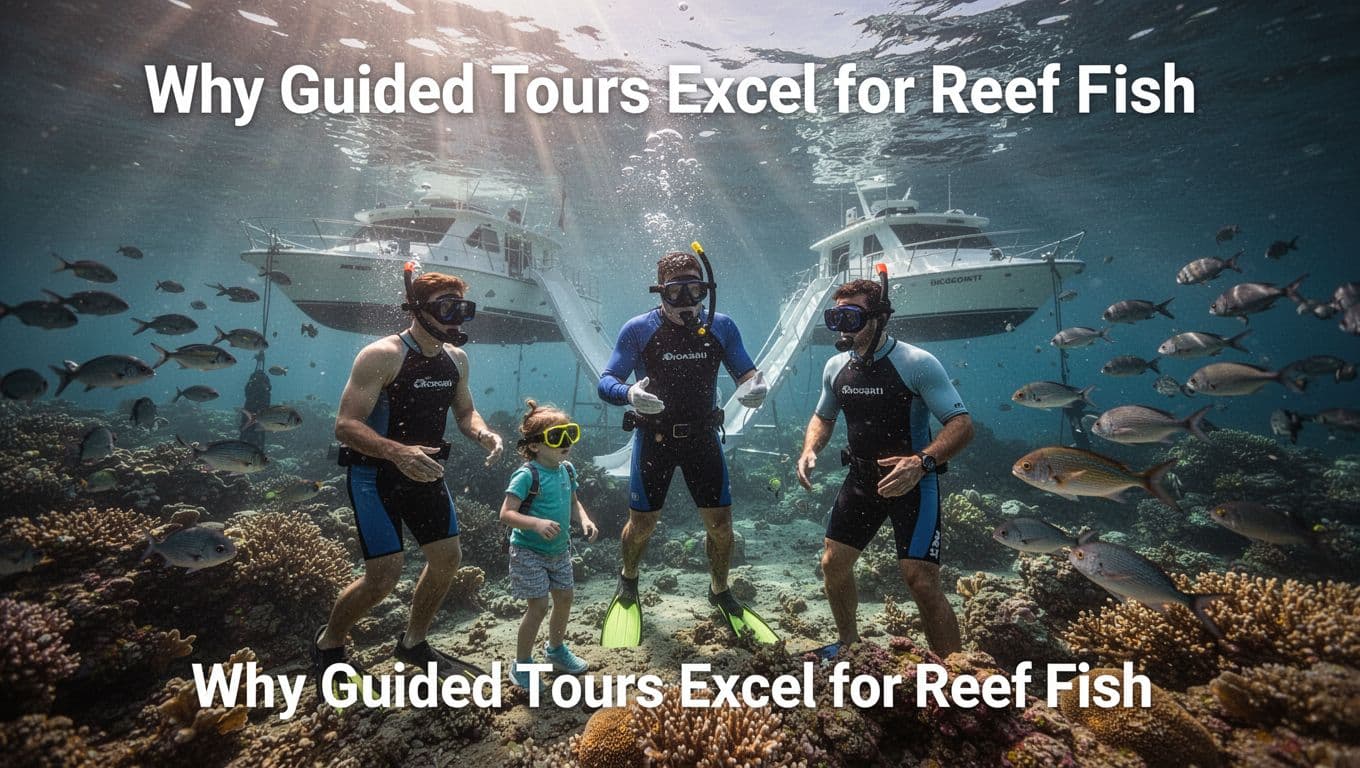
Reef fish come closer when you stay calm, float steady, and let the reef settle around you.
Where reef fish sightings are strongest around Oahu
Fish don’t spread out evenly. They gather where coral, rock, depth changes, and current create food and shelter. That’s why offshore reef zones near Waikiki often produce better sightings than busy swim areas close to shore.
Turtle Canyons is a great example. The name brings people for turtles, but the reef itself supports constant movement from butterflyfish, surgeonfish, wrasses, and triggerfish. On a clear day, you may also spot parrotfish working over coral and schools of convict tangs moving in striped bursts across the bottom.
Less-crowded boat-access reefs can be even better for fish watching because there’s less splashing and less foot traffic. Coral heads, sandy channels, and reef ledges create small neighborhoods underwater. One patch might hold a cloud of tiny fish, while the next hosts larger grazers and a hidden moray tucked into rock.
Shore snorkeling can still be rewarding, but it’s less predictable. Wind, surf, and sand shift visibility fast. For example, east side spots can look beautiful from the beach, yet water clarity changes a lot with trade winds, as shown in this guide to Lanikai Beach snorkeling conditions.
That’s why boat tours near Waikiki often win for reef fish sightings. You reach cleaner water faster, skip the rough entry, and arrive at reef zones chosen for active marine life, not just easy parking.
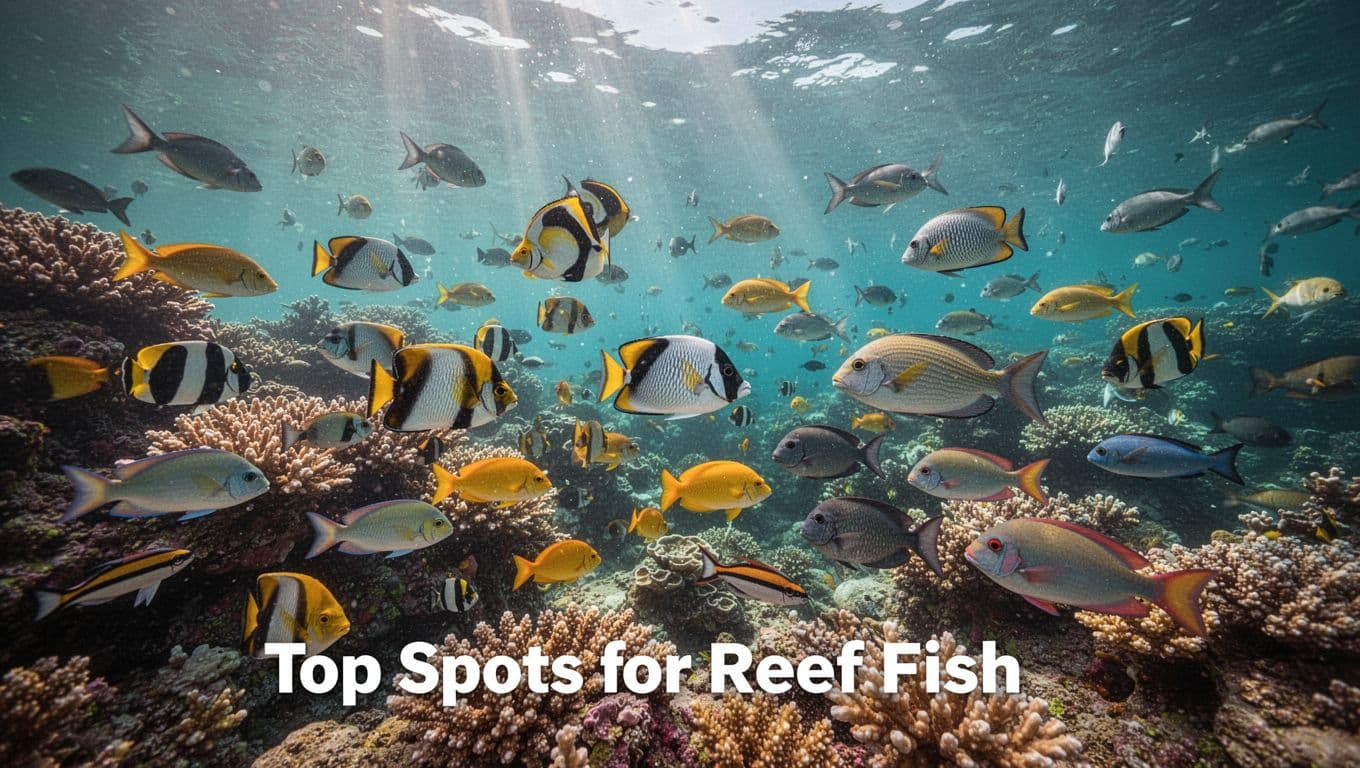
Simple ways to see more fish once you’re in the water
You don’t need to be a strong diver to enjoy a busy reef. You need patience, smooth movement, and a little awareness. Think of reef fish like birds in a garden. If you rush in, they scatter. If you settle down, they return.
Start early when you can. Morning water is often calmer and clearer, which helps you spot color and movement at a distance. Once you’re in, keep your body flat, use short fin kicks, and avoid splashing at the surface.
Next, look along the edges. Fish love coral borders, sandy lanes between reef patches, and small drop-offs where food drifts by. If you stare only into open blue water, you’ll miss the busiest parts of the reef.
Guides also make a real difference. A trained eye can spot a camouflaged scorpionfish, a shy eel, or a school circling behind you. That’s one reason guided boat trips work so well for couples and families. You can relax while someone else reads the reef.
If you’re new to snorkeling, use the flotation support offered and don’t push too hard. Calm snorkelers see more. The same goes for kids. When they feel secure, they stop churning the water and start noticing the fish all around them.
Finally, respect the habitat. Don’t stand on coral. Don’t chase turtles. Don’t reach toward fish. Healthy reef behavior is the show you came to see.
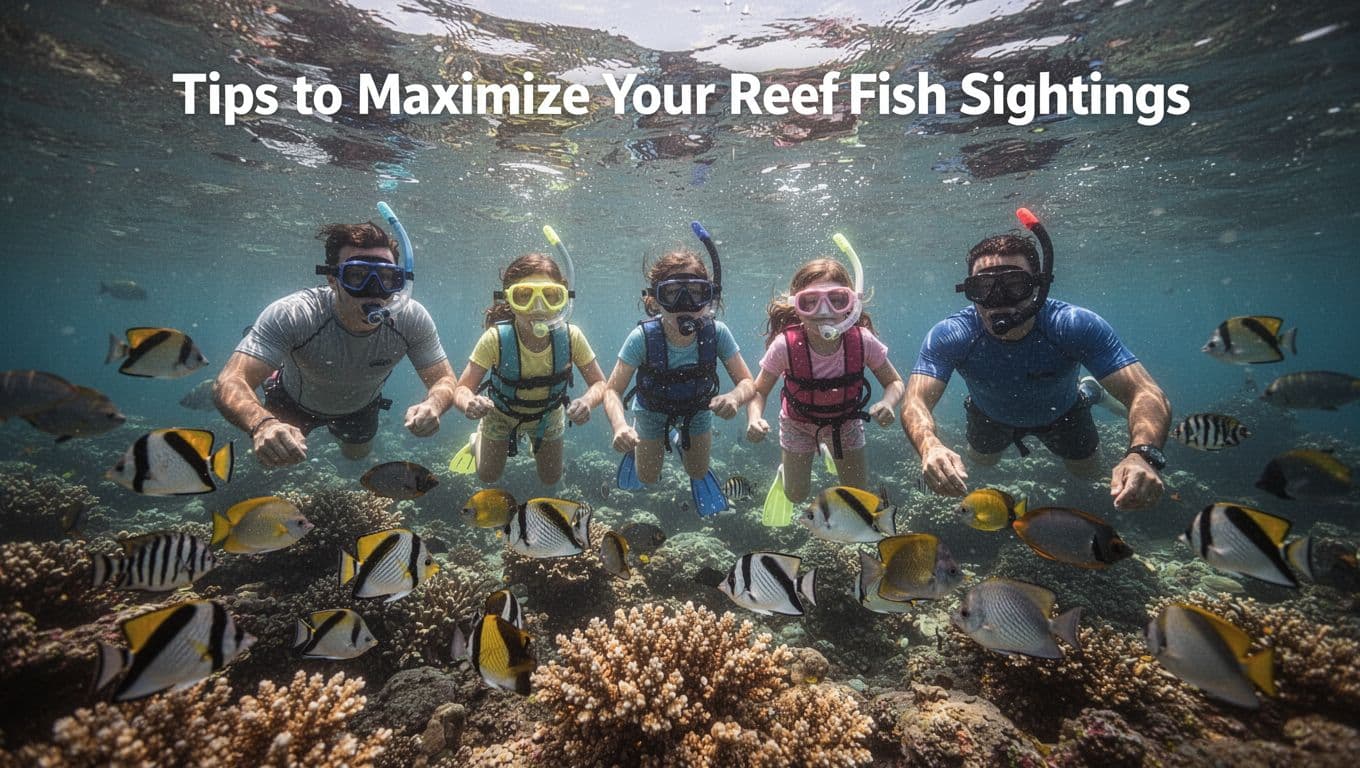
The best reef fish sightings on Oahu rarely come from luck alone. You see more when you choose a reef with structure, get out in calm water, and snorkel with a crew that knows where fish gather.
If you want a smooth, family-friendly way to turn a Waikiki snorkel day into a colorful underwater memory, book with Living Ocean Tours. The reef is waiting, and the fish are already there.


