
Best Snorkeling Oahu for Calm Water and Easy Reefs
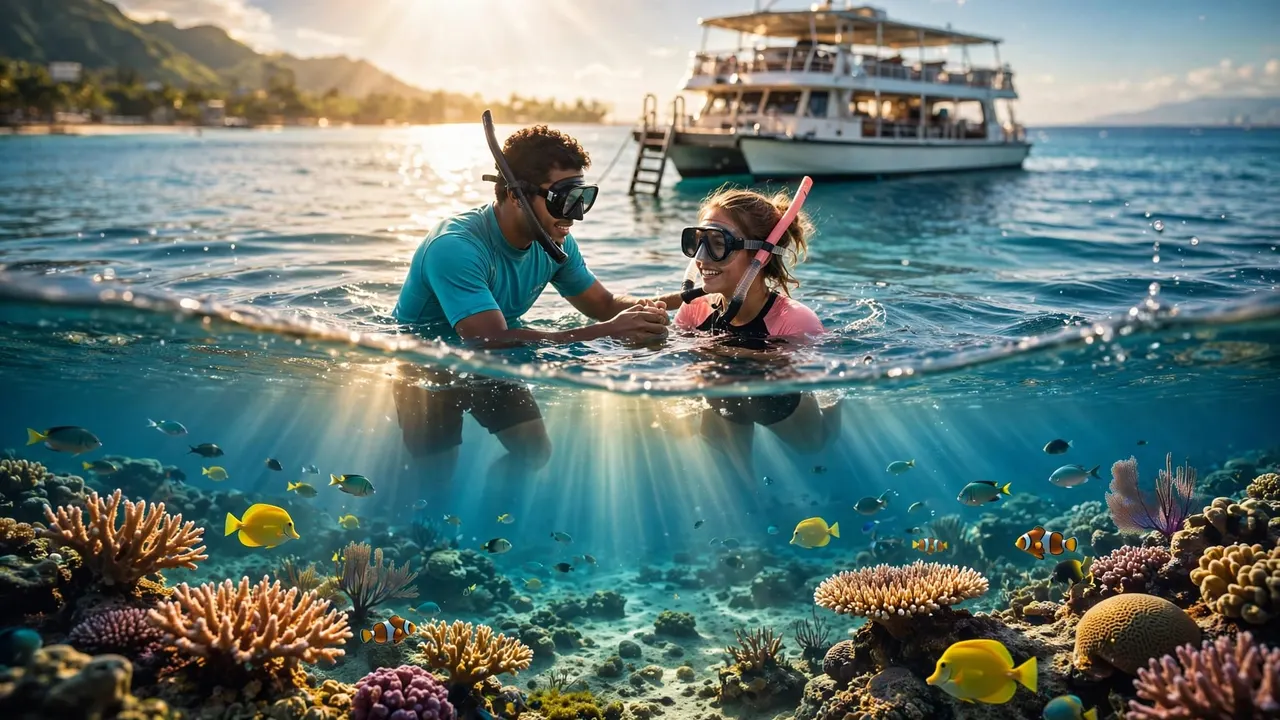
An easy Oahu snorkel day starts with the right location, not with a long swim from a rocky shoreline. For best snorkeling Oahu experiences, choose a reef with manageable conditions, clear entry guidance, and room to float without rushing.
Boat tours near Waikiki simplify reef access, while shore sites reward visitors who plan around reservations, swell, and their swimming confidence. Pick the outing that matches your group, then let the ocean set the pace.
Living Ocean Tours Makes Waikiki Reef Access Easier
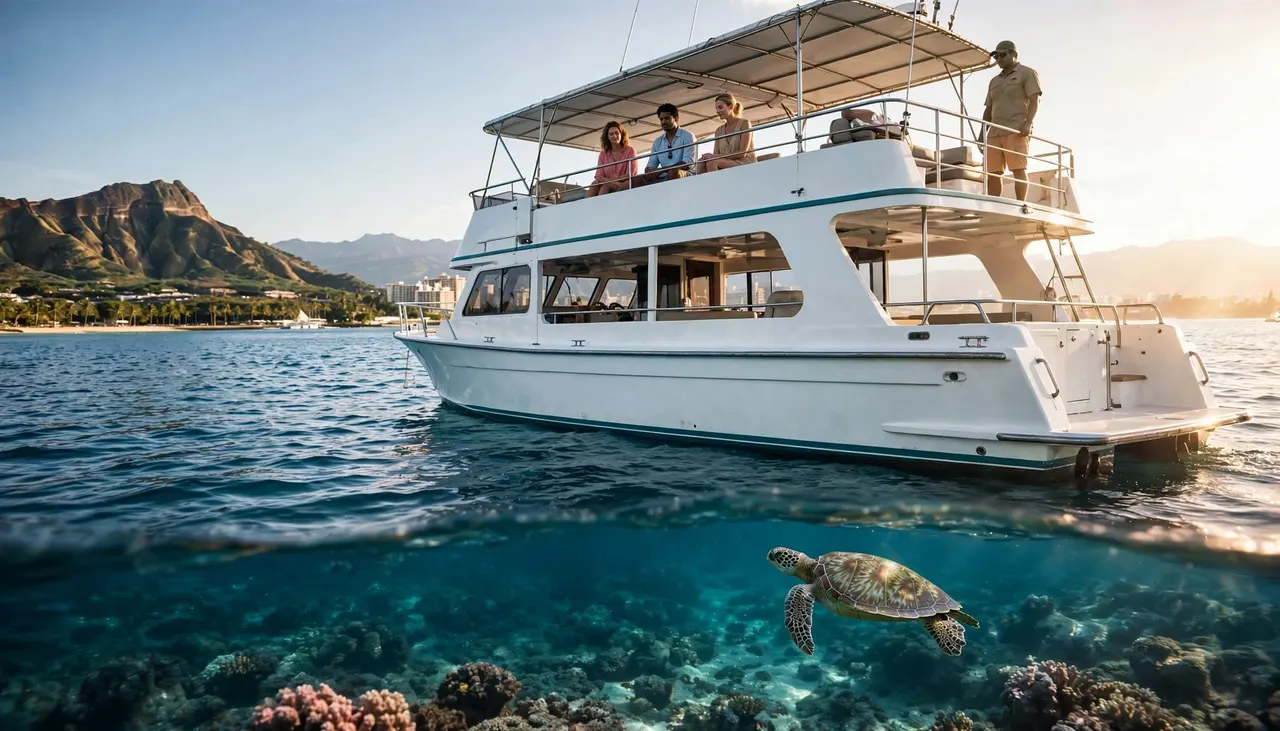
Living Ocean Tours departs from Kewalo Basin Boat Harbor, minutes from Waikiki. Its double-decker boats, the Coral Kai and Lokahi, have shaded seating, onboard restrooms, dry storage, and sturdy ladders that make getting in and out of the water less intimidating.
The company is the only tour company with professional snorkel guides. You get help with mask fit, fins, flotation, breathing, and reef etiquette before you enter the water. That support helps if you’re new to snorkeling, traveling with children, or returning to the ocean after a long break.
Choose Turtle Canyons for a turtle-focused outing
The Turtle Canyon snorkel excursion reaches an offshore Waikiki reef that you can’t access from shore. Hawaiian green sea turtles may visit the area’s natural cleaning stations, where small reef fish pick at algae and debris.
Living Ocean Tours reports a 95% turtle-sighting success rate. However, turtles are wild animals, so sightings still depend on conditions and their natural behavior. You receive gear, instruction, and flotation support, while professional guides help you give wildlife the space it needs.
Reserve your preferred date when turtles are your priority: CHECK AVAILABILITY.
Pick Rainbow Reef for more family time afloat
The Deluxe Waikiki Snorkeling and Wildlife Cruise is a strong fit if your family wants reef time plus space to play. The trip includes 90 minutes of snorkeling at Rainbow Reef, a less-crowded option than many busy nearshore areas.
After you snorkel, you can enjoy the boat-mounted waterslide, water trampoline, and floating lily pad. The Lokahi’s SeaKeeper stabilization system also reduces boat roll, which can help if someone in your group gets seasick.
For a reef outing with extra on-the-water fun, CHECK AVAILABILITY.
How to Find Best Snorkeling Oahu Conditions
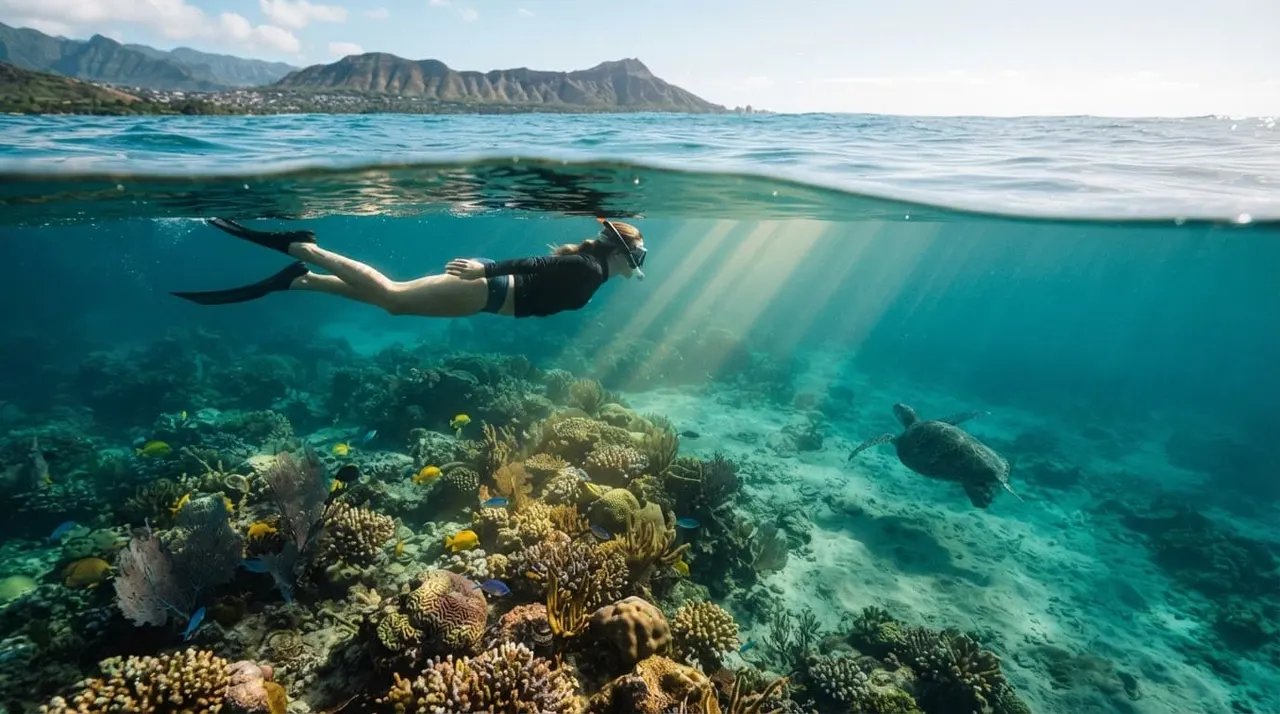
Your best snorkeling Oahu day depends more on wind, swell, currents, and visibility than a beach’s reputation. A protected bay can still have surge, while an offshore reef can be a comfortable choice with a capable crew and favorable conditions.
Before you pack your mask, check the day’s ocean forecast and look at the water in person. If the surface looks unsettled or you don’t feel comfortable, save snorkeling for another time.
Favor low-wind mornings when possible
Morning often gives you lighter winds and a smoother surface, especially along Oahu’s south shore. Still, conditions shift quickly, so never treat the clock as a guarantee.
Arrive early, eat a light meal, drink water, and tell your crew if you’re prone to motion sickness. Sitting near fresh air and looking at the horizon can help during the ride.
Let easy access guide your decision
A calm-looking shore break doesn’t always mean an easy entry. Coral, slippery rocks, wave sets, parking, and crowded access points can make a simple beach visit harder than expected.
Boat-based access removes the shoreline problem. You can focus on learning the gear, floating calmly, and following your guide instead of carrying fins across reef flats. Review Hawaii’s snorkeling safety guidance before you go, especially its reminder never to stand on coral.
If your mask leaks or you feel tired, return to the boat or ask for help early. A shorter, relaxed swim is safer and more enjoyable than forcing extra time in the water.
Hanauma Bay Offers a Planned Shore Snorkel
Hanauma Bay Nature Preserve is one of the best-known places for best snorkeling Oahu visitors can reach from land. The bay’s fringing reef holds coral beds, schooling fish, and occasional turtles, with much of the reef habitat toward the right side of the bay.
Unlike a spontaneous beach stop, this is a planned outing. Nonresidents generally need an online reservation, and admission-only bookings open two days ahead at 7:00 a.m. Hawaii time. Spots can fill quickly, so confirm the current rules before setting your vacation schedule.
Book early and arrive prepared
A reservation can include up to 10 people, with a limit of five adults and five children. Children 12 and under enter free, though a reservation is still recommended.
Bring water, a towel, and sun coverage. A rash guard can reduce how much sunscreen you need, while secure swimwear makes walking and floating more comfortable.
Keep expectations realistic in the bay
Hanauma is protected by its shape, but it isn’t always calm. Wind, tide, visibility, and other visitors affect your experience. The Hanauma Bay reef habitat guide offers useful context about its coral beds and fish life.
Stay off the reef, even when the water feels shallow. A few fin strokes over a sandy channel protect both you and the coral.
Compare Oahu’s Easy-Access Snorkel Options
Your best snorkeling Oahu choice changes with your priorities. Use this quick comparison to narrow the field before you book or drive.
| Location or Tour | Access Style | Best Fit | Important Consideration |
|---|---|---|---|
| Turtle Canyons | Boat-only offshore reef | Couples, beginners, turtle fans | Wildlife sightings vary by day |
| Rainbow Reef | Guided boat excursion | Families wanting more water time | Conditions still guide the itinerary |
| Hanauma Bay | Shore entry with reservation | Planners who want a preserve setting | Reservations can sell out |
| Pupukea | Shore entry near reef tables | Confident snorkelers in favorable conditions | Not a guaranteed calm-water site |
Turtle Canyons and Rainbow Reef make sense when you want crew support near Waikiki. Hanauma Bay works well when you secure a reservation and the ocean cooperates.
Pupukea on the North Shore can be rewarding, but it requires more care. Water around the tables averages about 15 feet deep, according to Hawaii’s Pupukea snorkeling area information. Don’t treat that depth as a beginner recommendation or a promise of gentle conditions.
Prepare for a Comfortable Reef Session
Good preparation gives you more time to watch fish and less time fixing equipment. For best snorkeling Oahu memories, focus on comfort before you think about photos.
Test your gear before entering
Press your mask lightly against dry skin and breathe in through your nose. It should seal without a tight, painful strap. Then adjust your fins before you approach the swim platform or shoreline.
Tell a guide if you need a flotation device. Floating face-down with a relaxed kick uses less energy than trying to hold your body high above the surface.
Respect turtles and coral every time
Hawaiian green sea turtles, or honu, are protected under federal and state law. Read the state’s overview of Hawaiian sea turtle protections before your trip.
Give every turtle a clear route to swim, surface, or rest. Never touch, chase, feed, block, ride, or surround one. Keep at least 10 feet away, and don’t swim directly above a turtle.
If you see an animal tangled in line, visibly wounded, or struggling to swim, alert your guide, lifeguard, or wildlife authority. Don’t attempt a rescue yourself.
Key Takeaways
- You get the most reliable experience when you choose the day’s conditions over a fixed snorkeling plan.
- Boat trips near Waikiki remove difficult shore entries and add professional help with equipment and flotation.
- Turtle Canyons is a boat-only reef that suits visitors hoping to see Hawaiian green sea turtles respectfully.
- Hanauma Bay offers accessible shore snorkeling, but reservations and daily conditions matter.
- Keep your fins off coral and give honu plenty of room to move naturally.
Frequently Asked Questions
Is Turtle Canyons good for first-time snorkelers?
It can be a comfortable choice when conditions allow and you join a guided trip. Let the crew know your swimming comfort level before departure, use flotation support if it helps, and stay close enough to hear instructions.
You don’t need to prove anything by staying in the water longer than feels right. A guide can help you return to the boat when you’re ready.
Can you count on calm water in Oahu?
No. Calm water is never guaranteed, even at popular snorkeling sites. Wind direction, swell, tide, currents, and local weather can change the water quickly.
Choose a flexible day for snorkeling when you can. If conditions look poor, enjoy coastal views and save your reef session for a safer window.
What should you bring on a Waikiki snorkel tour?
Bring a towel, reusable water bottle, cover-up, and a rash guard if you want extra sun coverage. Leave loose jewelry and unnecessary valuables ashore.
Most guided excursions provide the core snorkel gear. Still, arrive in secure swimwear and ask for help if your mask, fins, or flotation equipment doesn’t feel right.
Make Your Oahu Snorkel Day Count
Best snorkeling Oahu experiences aren’t about pushing through rough water for a checklist sighting. They come from choosing an appropriate reef, using support when you need it, and watching wildlife without disturbing it.
When you float calmly, follow your guide, and give every turtle room to move, the reef has a better chance to stay memorable for everyone who visits after you.


