

You’re probably narrowing down your Kona beach days right now. One person in the group wants calm water, one wants turtles, one wants easy parking, and someone else just wants a beautiful beach even if they never put on a mask. That’s exactly why picking from the best snorkeling beaches in Kona can get harder the more you research.
Kona earns its reputation because the west side of the Big Island is sheltered by Hualālai and Mauna Loa, which helps keep the water calmer and clearer than windier parts of the island. At top spots like Kahaluʻu Beach Park, Honaunau Bay, and Kealakekua Bay, guides regularly report water visibility often exceeding 100 feet. The rocky shoreline also helps. Less sand gets stirred up, so you get cleaner water and steadier reef habitat.
That’s the big picture. What matters on the ground is choosing the right beach for your skill level, your group, and the day’s conditions. Some beaches are easy first-snorkel spots. Some are worth the effort only if the ocean is calm. One is so good that it’s best treated as a dedicated excursion, not a casual stop between lunch and shopping.
Morning almost always works better on this coast. Water is usually calmer before the wind builds, visibility is better, and entry points are less crowded. If you’ve got kids, older parents, or mixed swimming ability in your group, that one decision alone changes the day.
1. Kahaluʻu Beach Park The all-in-one family favorite
If someone asks me where to start, I usually point them to Kahaluʻu first. It’s the easiest place to build confidence, especially for beginners, families, and anyone who wants a shorter swim with plenty to see.
Kahaluʻu is known for calm, shallow water and easy access. It’s one of Kona’s top beginner beaches, with a protected feel that works well for multi-generational groups. The bay is also known for frequent turtle sightings and vibrant reef life, which is why so many visitors make it their first stop.
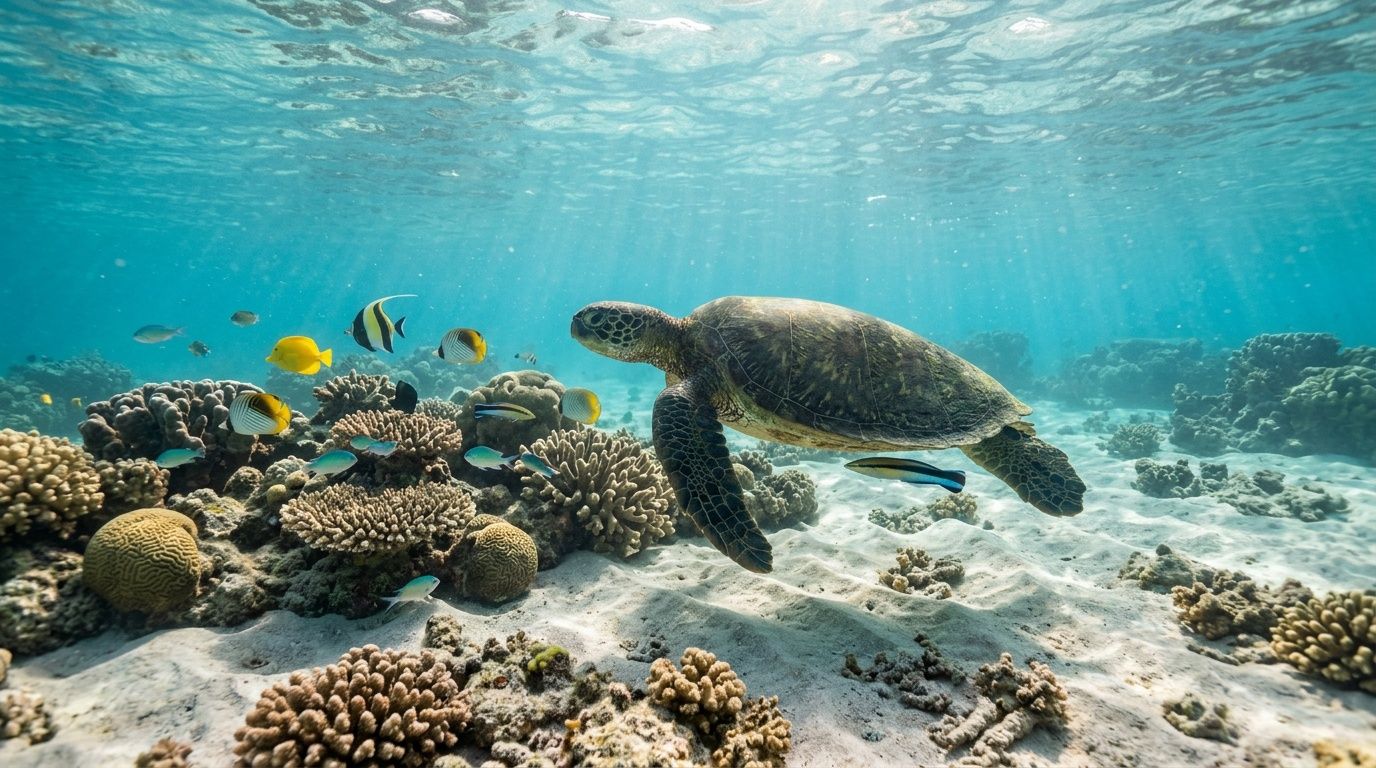
Why Kahaluʻu works so well
The biggest advantage here is simplicity. You’ve got a shallow reef, an approachable entry, and enough fish activity close to shore that even nervous first-timers usually enjoy themselves within minutes.
For families, that matters more than chasing the “best” reef on paper. A child who can stand, reset, and go back out usually has a better day here than at a more dramatic site with a rougher entry.
Practical rule: Enter from the small sandy patch instead of walking across the rocky bottom. It’s better for your feet and better for the reef.
A few trade-offs are worth knowing. Kahaluʻu gets busy. Overcrowding can make the inside of the bay feel chaotic, and the right side can have stronger current than many visitors expect. If your group drifts easily, keep the session short and stay conservative.
Best strategy for a smooth visit
Arrive early. That gives you better parking, cleaner water, and more room before the busiest part of the day. If you’re introducing kids or first-time snorkelers to Hawaii, the same habits that help on Oahu help here too, especially the beginner basics covered in this Oahu snorkeling guide for first-timers.
Use reef-safe sunscreen, and keep your feet up once you’re over the reef. Don’t try to stand on rock ledges when you get tired. Float, regroup, and head back to the sandy entry.
What works
- Early morning starts: Better visibility and fewer people make the whole bay easier to manage.
- Short first sessions: Start with a quick loop, then decide whether to go back out.
- Beginner pacing: Kids and hesitant adults do better with frequent breaks.
What doesn’t
- Forcing a long swim: Fatigue sets in fast when people are excited and kick too hard.
- Using the wrong entry: Barefoot scrambling over lava and coral usually ends badly.
- Chasing turtles: Let them pass. The best encounters happen when you stay still.
2. Two Step Hōnaunau Bay The world-class reef
Two Step is where I send people who want a stronger reef experience without booking a boat. It has the kind of water and fish life that makes experienced snorkelers smile as soon as they look down.
The name comes from the natural lava steps at the shoreline. Once you’re in, the bay opens into deep, clear blue water with healthy reef sections and a lot of fish activity. It’s also adjacent to Puʻuhonua o Hōnaunau National Historical Park, which adds a cultural weight that many beach stops don’t have.

Entry is easy. Exit is where people get sloppy
The lava steps are one of the better natural entries on the coast, but they still demand attention. People tend to do fine getting in, then rush the exit when they’re tired. That’s when feet slip, fins catch, and hands land where sea urchins are hiding.
Wear water shoes if you’re not comfortable on sharp lava. Better yet, put your fins on at the edge, enter carefully, and keep your mask defogged before you get there so you’re not fumbling around in the splash zone.
Give dolphins plenty of room. At Two Step, a good wildlife encounter means observing, not pursuing.
The reef to the right of the entry is often the strongest payoff for casual snorkelers. You don’t need to cover a huge distance. Drift slowly, look into coral heads and rock structure, and keep checking behind you so you don’t get farther out than intended.
Who should choose Two Step
Two Step is great for confident beginners, intermediate snorkelers, and adults who want a better reef than a shallow park lagoon. It’s less ideal for very young children unless one adult is fully focused on supervision instead of snorkeling.
If your family is used to calm, guided snorkeling and wants a good reminder about spacing, reef contact, and ocean judgment before trying Kona shore entries, this primer on reef safety in Hawaii waters is worth reviewing.
Bring these habits with you
- Arrive early: Parking is limited, and morning often brings the best conditions.
- Pack everything: Water, shade, snacks, and sunscreen matter here.
- Respect the site: This is not a place for loud, careless beach behavior.
What doesn’t work here is treating it like a lazy float beach. It’s a real snorkel site. If you’re not comfortable with lava entry, uneven footing, and self-guided swimming, choose Kahaluʻu first and come back later in the trip.
3. Kealakekua Bay The pristine sanctuary
You book Kealakekua Bay for the morning, show up with decent fins, and give this stop a real half day. That approach pays off here. This bay is not a quick pull-off snorkel. It is Kona’s best choice for travelers who want clear water, healthy reef structure, and enough fish life to stay interested long after the first ten minutes.
What sets Kealakekua apart is quality across the whole experience. The water is often clearer than the more convenient town beaches. The reef has more depth and variety. The setting feels bigger and less developed, which matters if you want one snorkel day on the Big Island to feel like an outing instead of a beach session.
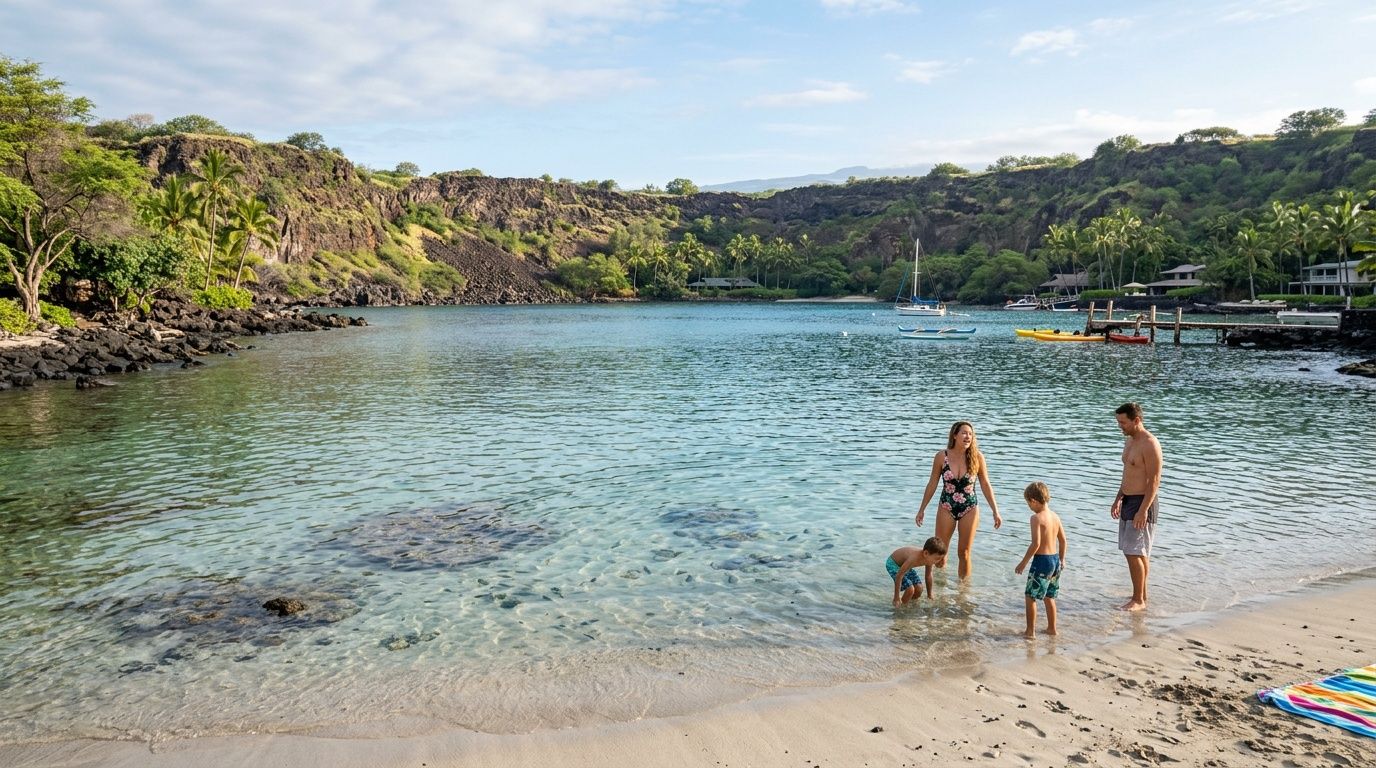
Plan the access before you plan the snorkel
Boat access is the practical choice for a lot of visitors. It saves energy, gets kids and mixed-ability groups into better water with less effort, and usually gives you a calmer start to the day. Hiking in works for fit travelers who do well in heat and are comfortable carrying all their own gear, water, and snacks back out. The trade-off is simple. The hike can turn a relaxing snorkel into a logistics problem, especially if someone in your group fades in the sun.
The bay also carries cultural and historical weight because of its connection to Captain Cook and because it sits inside a protected marine area. That protection shows up in the water. Coral cover is stronger here than at many easy-access spots, and fish tend to behave like they live in a healthier system.
What to expect once you’re in
This is a place for patient snorkeling. Get in, settle your breathing, and drift rather than churn. Long surface swims usually produce more than fast, scattered laps. Expect schools of reef fish, good visibility on favorable mornings, and enough structure below you to keep your eyes working the whole time. If you want a refresher on the species you may spot before a Big Island and Oahu trip, this guide to Hawaii marine life you may encounter is useful.
A common mistake here is treating the bay like a checklist stop. Kealakekua rewards people who slow down.
Stay off the coral when you rest or adjust gear. One careless contact does more harm here than people realize.
For multi-island travelers, Kealakekua fills a different role than many Oahu snorkel days. Kona gives you the stronger reef setting and a more remote feel. Oahu often gives you easier access, shorter transfers, and a better fit for travelers who want guided structure built into the day. If your trip includes both islands, use Kealakekua for your highest-quality reef session and save Oahu for convenience, instruction, or a different marine-life focus.
If you only commit to one dedicated snorkel excursion on the Kona side, this is the one worth protecting on your itinerary.
4. Magic Sands Beach Laʻaloa Beach Park Fun waves and clear pockets
Magic Sands is not my first pick for beginners, but it’s a useful beach when the ocean is calm and your group wants mixed activities. Some people can swim, some can bodyboard, some can sunbathe, and the snorkelers can work the rocky edges.
That flexibility is the whole appeal. On calm mornings, the north and south ends can hold nice fish life and surprisingly clear water. On rough days, it becomes a terrible snorkeling choice very quickly.

When Magic Sands is worth it
Choose Magic Sands when the surf is down and you want convenience. It’s close to town, easy to understand, and good for a group that isn’t all doing the same thing.
The rocky area at the northern end is usually the better place to focus if you’re snorkeling. Don’t waste energy swimming the middle hoping it will turn into a reef. It won’t. Work structure, not open sand.
The trade-off is condition sensitivity
This beach changes personality fast. If waves are running, skip the snorkel. The shorebreak here can knock people around, and visibility drops off when the ocean gets stirred up.
A common mistake is seeing a few people in the water and assuming snorkeling is fine. They may be bodyboarding, bodysurfing, or just cooling off. That doesn’t mean the reef edges are pleasant or safe.
Use this test before you commit
- Look at the shorebreak: If entry and exit already look sloppy from land, don’t force it.
- Watch the water color: Cleaner blue and green usually means better odds. Churned-up water usually means poor visibility.
- Check the corners: If the rocky edge looks surgy, save your gear for another beach.
This is a beach where local judgment beats itinerary pressure. If it’s good, enjoy it. If it’s not, walk away and pick another site from this list.
5. Maniniʻōwali Beach Kua Bay White sand and turquoise water
You pull into Kua Bay early, the sand is already glowing white, and the water looks calm from the parking lot. That is the moment to slow down and check the shoreline carefully. Kua Bay can offer excellent snorkeling, but only when the entry is settled and the rocky edges are not surging.
This is one of the best stops in Kona for travelers who want a true beach morning first and a snorkel session second. The draw is obvious. Clear turquoise water, a wide sandy cove, and lava rock on both sides that creates the structure snorkelers need.
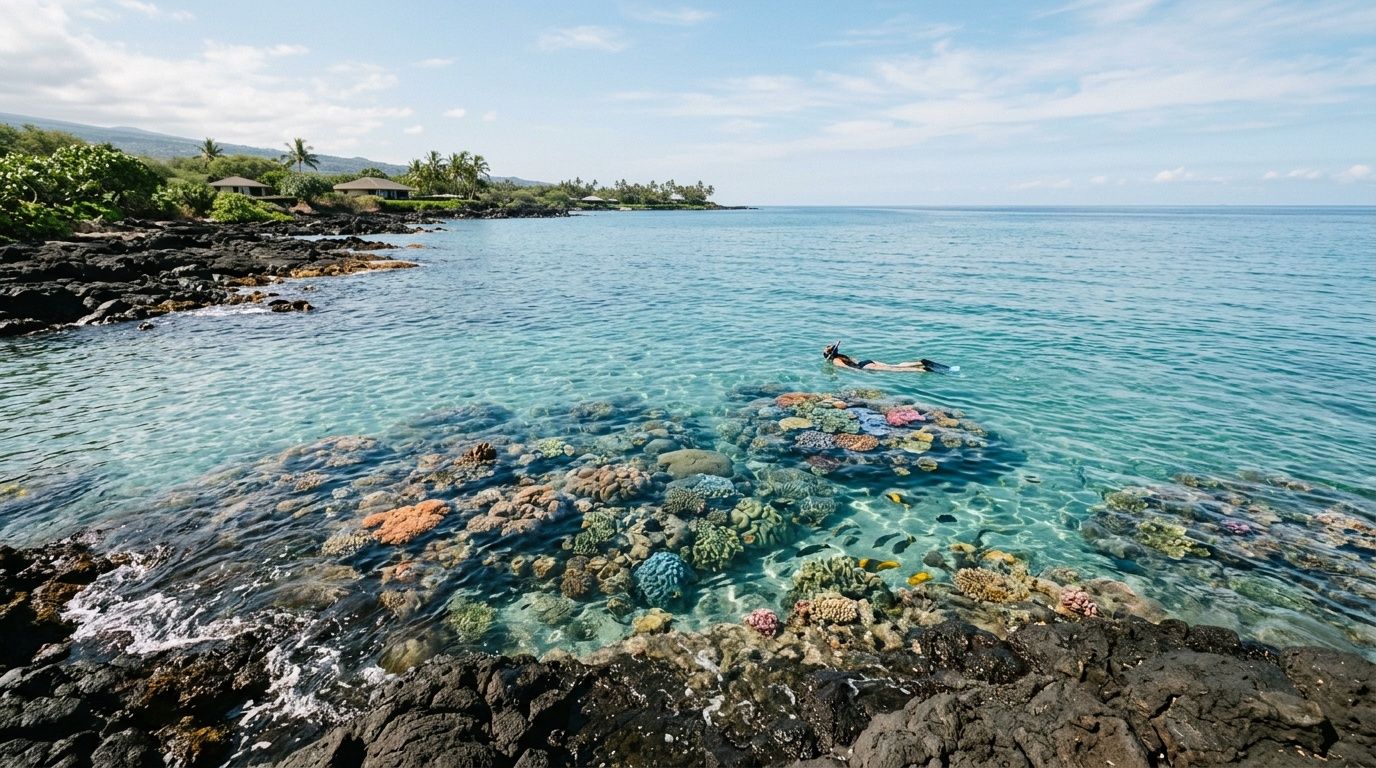
Where to snorkel and when to skip it
Focus on the rocky margins of the bay, especially when the water is calm enough to enter without getting pushed around. The sandy middle is great for swimming and hanging out, but it does not hold the same reef life. Fish, pockets of coral, and better underwater texture are usually along the sides.
Go early. Parking fills fast, wind often picks up later, and Kua Bay is less forgiving once chop builds. I tell visitors to treat this as a morning beach. If the surface already looks bumpy by the time you arrive, save your energy for another spot.
The real trade-off at Kua Bay
Kua Bay looks friendlier than it sometimes is. The sand gives people confidence, but the snorkeling happens near rock, and that means you need calm water and a steady entry. A beach can be beautiful and still be a poor snorkel on that particular day.
That trade-off matters even more if Kona is only one leg of your trip. Travelers splitting time between the Big Island and Oahu often want one dramatic white-sand beach snorkel here, then calmer turtle-focused water on the next island. That is a smart plan. For your Oahu days, this guide to where to see turtles in Oahu helps balance out Kona’s more condition-sensitive west side beaches.
Who should choose Kua Bay
Choose Kua Bay if your group wants a beautiful shoreline, strong photo appeal, and a chance to snorkel if conditions line up. It works well for confident swimmers who can make a simple judgment call and walk away if the entry looks rough.
I would pass on Kua Bay for nervous beginners on a choppy day, or for anyone expecting a protected, easy reef right off the center of the beach. On its best mornings, it is excellent. On average days, it is better as a swim-and-scenery stop than a dedicated snorkel mission.
6. Puakō Bay The hidden turtle haven
Puakō isn’t a single tidy beach stop. It’s a reef system with public access points, a more local feel, and a much more rugged setup than the better-known Kona beaches.
That’s exactly why some snorkelers love it. If you want broad, shallow reef exploration and don’t mind doing a little homework on entry points, Puakō can be one of the more rewarding places on the coast.
This is a confidence spot, not a convenience spot
You need to be comfortable with rocky entry and exit. Reef shoes are not optional here. I’d also avoid Puakō if anyone in your group gets frustrated easily with navigation or expects obvious beach infrastructure.
The payoff is quieter water time and a better chance of seeing turtles in a more natural-feeling setting. It’s a good choice for patient snorkelers who enjoy moving slowly over reef and scanning ahead instead of rushing from sighting to sighting.
How to approach Puakō well
Use the marked public shore access paths along Puakō Beach Drive and give yourself time to look at the ocean before gearing up. If the entry looks awkward, don’t force that access point. Move and reassess.
High tide generally gives you more breathing room over shallow reef. That doesn’t make it beginner-friendly, but it does make the experience more comfortable and less stressful.
Best use case for Puakō
- Confident adult snorkelers: People who don’t need hand-holding and can handle rougher entries.
- Turtle-focused wildlife watchers: Especially those who prefer quieter settings.
- Repeat Hawaii visitors: Travelers ready for something less polished.
If turtles are a major reason you snorkel in Hawaii, it’s worth comparing Kona’s shore-based chances with the more guided style many travelers choose on Oahu. This guide on where to see turtles on Oahu gives a good sense of how the experience differs between islands.
7. Kīholo Bay The volcanic oasis
Kīholo Bay feels different from the start. The lava formations, the walk in, the calmer lagoon areas, and the strong chance of turtle sightings make it feel less like a quick beach outing and more like a place you commit to for the morning.
It’s one of my favorite recommendations for travelers who want a scenic adventure with snorkeling built in. Not because it’s the easiest, but because the setting stays with you.
The walk changes who should go
You’ll need sturdy shoes for the lava trail and water shoes for the shoreline. That alone rules out a lot of casual beachgoers. If someone in your group already dislikes heat, rough footing, or carrying gear, Kīholo may not be the right call.
But if your group likes a little effort before the reward, this place delivers. The lagoon areas are good for slower observation, and turtles often become the focus of the day.
The right mindset for Kīholo
Go early, bring water, and don’t overpack. Too much gear feels heavy fast on lava terrain. Keep the snorkel plan simple, stay respectful, and let the place set the pace.
This isn’t the beach for racing around to “see everything.” It’s better for floating, watching, and treating the area with the kind of respect sacred places deserve.
The best Kīholo days are unhurried. Start early, move carefully, and expect the walk to be part of the experience.
Top 7 Kona Snorkeling Beaches Comparison
If you have three Kona mornings and one Oahu stop later in the trip, beach choice matters more than people expect. A sheltered, easy-entry snorkel works well after a flight day. A lava entry or long access day fits better once the group has its rhythm, gear sorted, and a better read on local conditions.
Use this table to match the beach to the day, not just to the photos.
| Spot | Access & Complexity 🔄 | Resources & Prep ⚡ | Expected Outcomes ⭐ | Ideal Use Cases 💡 | Key Advantages 📊 |
|---|---|---|---|---|---|
| Kahaluʻu Beach Park: The All-in-One Family Favorite | 🔄 Easy shore entry, paved parking that fills early, sheltered water | ⚡⚡⚡ Lowest prep. Rentals, restrooms, and a short walk from the lot | ⭐⭐⭐⭐ Reliable fish sightings and a good first reef experience. Visibility drops with crowds and stirred-up sand | Families, beginners, first snorkel day in Kona, mixed-ability groups | Lifeguards, facilities, easy access, strong choice for building confidence before harder entries |
| Two Step (Hōnaunau Bay): The World-Class Reef | 🔄🔄🔄 Lava-rock entry into deep water. Parking is limited and fills fast | ⚡ Low. Bring your own gear, reef-safe setup, and footwear with grip | ⭐⭐⭐⭐⭐ Clear water, healthy reef structure, and one of the best shore snorkels on the island when conditions are calm | Confident snorkelers, strong swimmers, travelers who want a serious reef without booking a boat | Outstanding clarity, immediate reef access, excellent marine life, easy pairing with a South Kona day |
| Kealakekua Bay (Captain Cook Monument): The Pristine Sanctuary | 🔄🔄🔄 Access takes planning. Most visitors go by licensed boat tour or commit to the steep hike | ⚡⚡ Moderate. Tours simplify gear, timing, and entry logistics | ⭐⭐⭐⭐⭐ The cleanest reef experience on this list for many visitors, with strong visibility and dense fish life | One big signature snorkel day, couples, dedicated ocean days, travelers who prefer guided outings | Protected bay, high-quality reef, memorable scenery, strong choice if your Oahu leg will focus more on beaches than reef snorkeling |
| Magic Sands Beach (Laʻaloa): Fun Waves & Clear Pockets | 🔄🔄 Sandy entry, but surf and shore break can change the risk level fast | ⚡⚡⚡ High convenience when calm. Facilities and lifeguards help, but conditions decide the day | ⭐⭐ Better for a split beach-and-snorkel stop than a reef-focused outing. Good clarity in calm pockets | Groups that want bodyboarding, beach time, and a short snorkel option if the ocean cooperates | Easy to reach, classic Kona beach feel, flexible stop close to town |
| Maniniʻōwali Beach (Kua Bay): White Sand & Turquoise Water | 🔄🔄 Straightforward access. Parking fills early and surf can shut down snorkeling | ⚡⚡ Moderate. Bring shade, water, and all snorkel gear | ⭐⭐⭐⭐ Excellent color and visibility on calm mornings. Snorkeling is best near rocky edges, not the middle sandy stretch | Travelers who want a beautiful beach first and snorkeling second, photographers, early risers | Striking water color, clean sand, strong morning potential, good reset day between tougher snorkel spots |
| Puakō Bay: The Hidden Turtle Haven | 🔄🔄🔄 Rocky shoreline with uneven entries and multiple access points to sort out | ⚡ Low. No real beach setup here, so pack everything and keep it simple | ⭐⭐⭐⭐ Strong turtle odds and long shallow reef exploration for snorkelers comfortable reading entry points | Repeat visitors, quieter groups, confident snorkelers who value wildlife over convenience | Fewer crowds, long reef sections, local feel, better for patient snorkelers than casual beachgoers |
| Kīholo Bay: The Volcanic Oasis | 🔄🔄🔄 Walk-in access over lava, uneven footing, and a shoreline that rewards careful packing | ⚡ Low. Sturdy shoes, water, and a lighter kit make the day easier | ⭐⭐⭐⭐ Scenic, turtle-rich, and memorable. Visibility can vary with the mix of spring water and ocean water | Travelers who enjoy a more rugged outing, scenic explorers, people balancing snorkeling with a hike-style approach | Lava scenery, brackish lagoon character, quieter feel, strong fit for travelers who want variety before or after a more urban Oahu stop |
A simple way to use the list: start easy, then scale up. Kahaluʻu is the smart opener for many visitors. Two Step and Kealakekua Bay are stronger reef days. Kua Bay and Magic Sands work best as condition-based calls, while Puakō and Kīholo suit travelers willing to trade comfort for quieter water and a more self-directed outing.
Your ultimate Hawaiian snorkeling adventure
The best snorkeling beaches in Kona aren’t all trying to do the same job. Kahaluʻu is where many families should begin. Two Step is where confident snorkelers can get a stronger reef experience from shore. Kealakekua Bay is the premium outing when you want one memorable snorkel day done right. Kua Bay and Magic Sands are more condition-dependent, while Puakō and Kīholo reward travelers who don’t mind extra effort.
That’s the key planning advantage. You don’t need one “best” beach. You need the right beach for the day you have, the ocean you’ve got, and the people you’re traveling with.
A practical Kona plan usually looks like this: start with an easy morning at Kahaluʻu, move up to Two Step if the group is comfortable, and reserve Kealakekua Bay for the dedicated excursion day. Keep Kua Bay and Magic Sands flexible, because those two depend more on calm conditions. Save Puakō or Kīholo for the travelers in your crew who enjoy rugged entries and slower exploration.
Safety matters more here than many visitors expect. Shore snorkeling in Kona can be excellent, but it’s also self-managed in ways that surprise people used to guided tours. Lava entries are unforgiving. Sea urchins don’t care that it’s your vacation. Fatigue sneaks up on beginners, especially kids who kick too hard in excitement and older adults who stay out longer than they should. If the water looks rough, if entry looks awkward, or if someone in your group is already uneasy, switch beaches or skip the session.
Responsible snorkeling matters just as much. Stay off the coral. Give turtles and dolphins space. Use reef-safe sunscreen. Don’t assume a popular beach is a resilient beach. The reason Kona still offers such rewarding snorkeling is that these places are worth protecting every single day, not just admiring.
For travelers doing a Big Island and Oahu trip in the same vacation, there’s a nice contrast between the islands. Kona shines for shore access, lava-backed bays, and independent exploration. Oahu often shines when you want a more supervised, efficient day on the water with gear, instruction, and in-water support included. That’s especially useful for first-timers, families with kids, and anyone who enjoys the ocean more when a good crew is handling the logistics.
Taking Your Snorkel Adventure to Oahu?
If your Hawaii trip includes Oahu after Kona, a guided snorkel day is a smart complement to the Big Island’s more self-directed shore spots. For that side of your trip, I recommend Living Ocean Tours, the top rated & most reviewed snorkel company on Oahu. They’re a strong fit for families, first-time snorkelers, and travelers who want marine life encounters with more structure and support.
Their Turtle Canyons Snorkel Excursion is a natural next step if Kona leaves you wanting more turtle time. It gives Oahu visitors a guided way to snorkel alongside Hawaiian green sea turtles, with guides in the water and a setup that works especially well for beginners and vacation groups who’d rather not manage every detail themselves.
If your group wants more than a straight snorkel run, the Deluxe Waikiki Snorkeling and Wildlife Cruise is an easy recommendation. It blends snorkeling with extra onboard fun, which is often exactly what families and mixed-age groups want after several more rugged Big Island beach days.
However you split your time, Kona and Oahu work well together. Kona gives you lava coastlines, clear bays, and excellent shore snorkeling. Oahu adds guided access, easier logistics, and a polished way to keep the ocean part of your trip going strong. Aloha, and snorkel smart.
If you’re planning the Oahu side of your Hawaii trip, Living Ocean Tours is a reliable choice for guided snorkeling, turtle encounters, sunset cruises, and seasonal whale watching. It’s an easy fit for families, beginners, and anyone who wants a fun day on the water with gear, instruction, and a crew that keeps the experience safe and welcoming.


