8 Best Places to Snorkel in Oahu for 2026
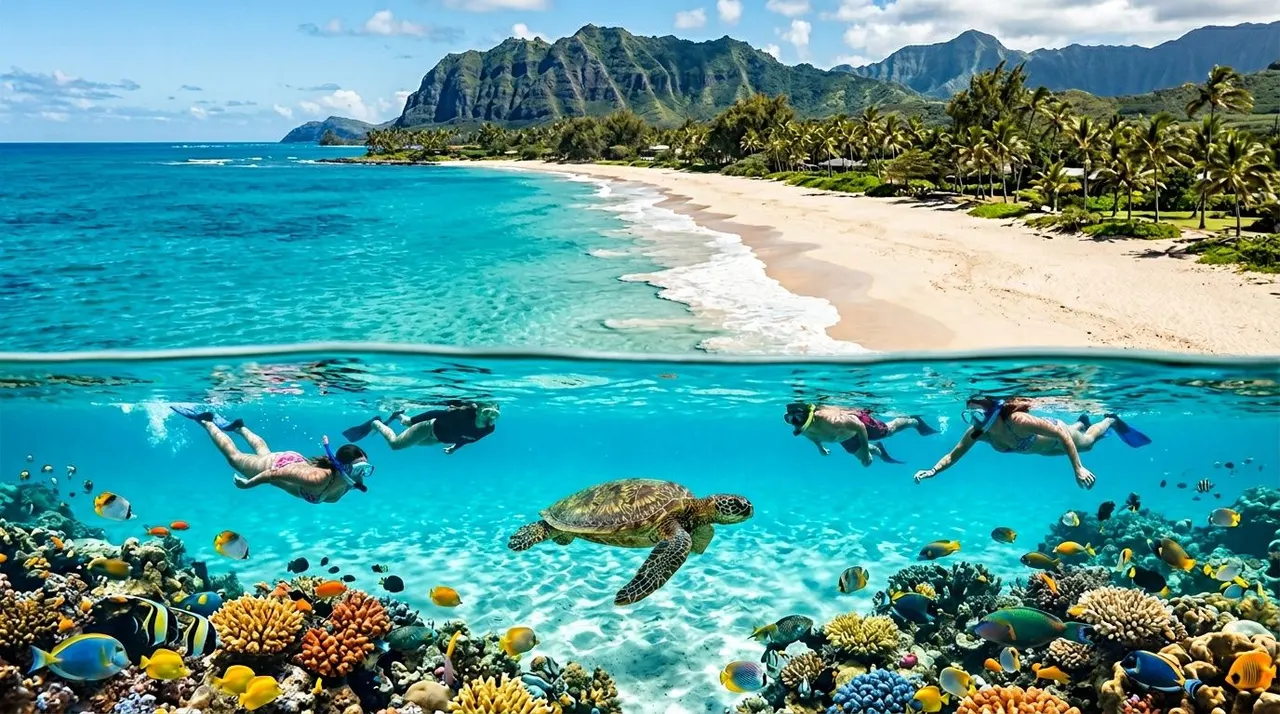
You’re probably deciding between two very different Oahu snorkeling days.
One option is a classic shore snorkel. You drive out, carry your gear, walk in from the beach, and explore at your own pace. The other is easier on logistics. You leave from the harbor, let a crew handle the setup, and get dropped over reef that’s harder to reach on your own. Both can be excellent. The trick is picking the right spot for your group, not just the most famous name on a list.
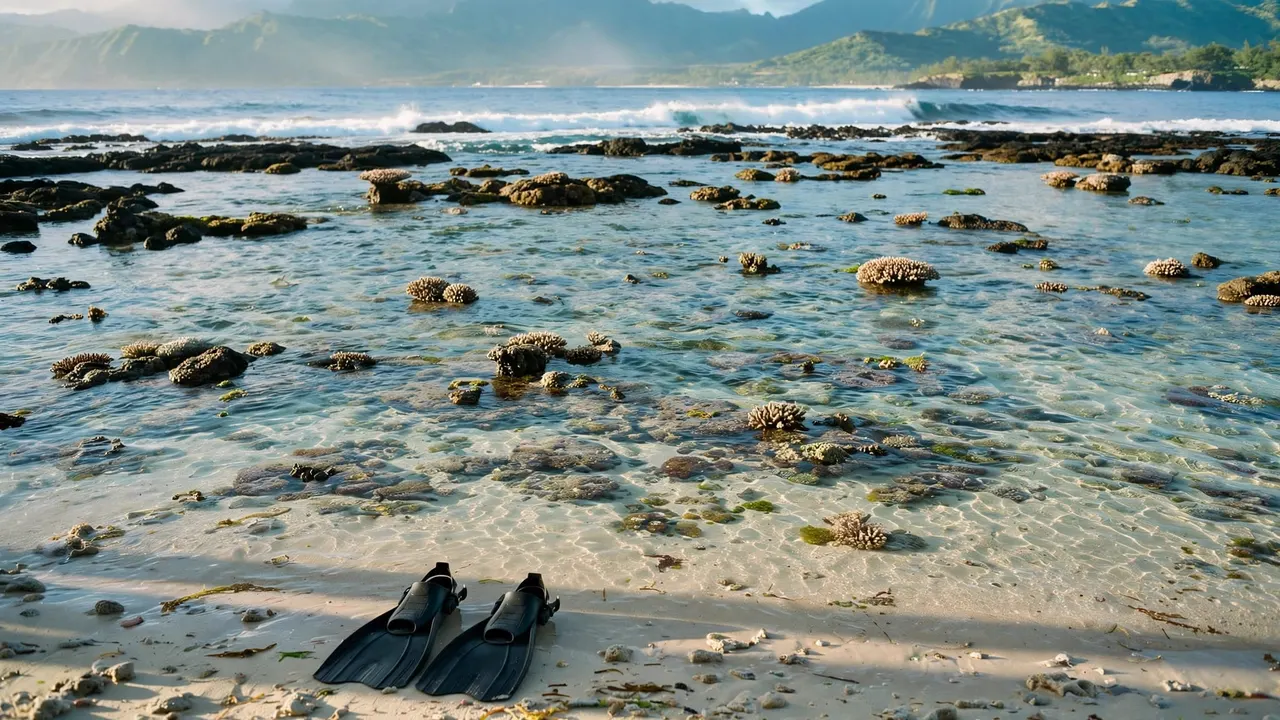
That matters even more on Oahu because the island gives you real variety. You’ve got protected beginner-friendly water at Hanauma Bay. You’ve got rugged lava formations and summer-only North Shore snorkeling at Shark’s Cove. And you’ve got boat-access reefs off Waikiki that make a lot more sense for families, casual swimmers, and anyone who doesn’t want to spend vacation time fighting parking, surf, or rocky entries.
In practice, the best places to snorkel in Oahu usually come down to three questions. How comfortable are you in the water? Do you want fish, turtles, or a little of both? And do you want a shore-entry adventure or a guided trip that keeps things simple?
If you’re traveling with kids, grandparents, or first-time snorkelers, I’d lean toward easy entries and guided support. If you’re confident in open water and don’t mind more effort, some of the island’s best reef structure is still found from shore.
Below are the spots I’d suggest to visitors, with the trade-offs that matter once you’re standing in the parking lot or looking at the water. Some are famous for good reason. Others work better because they’re practical. That’s often the difference between a stressful snorkel day and a great one.
1. Turtle Canyons (Laniakea Beach Area)
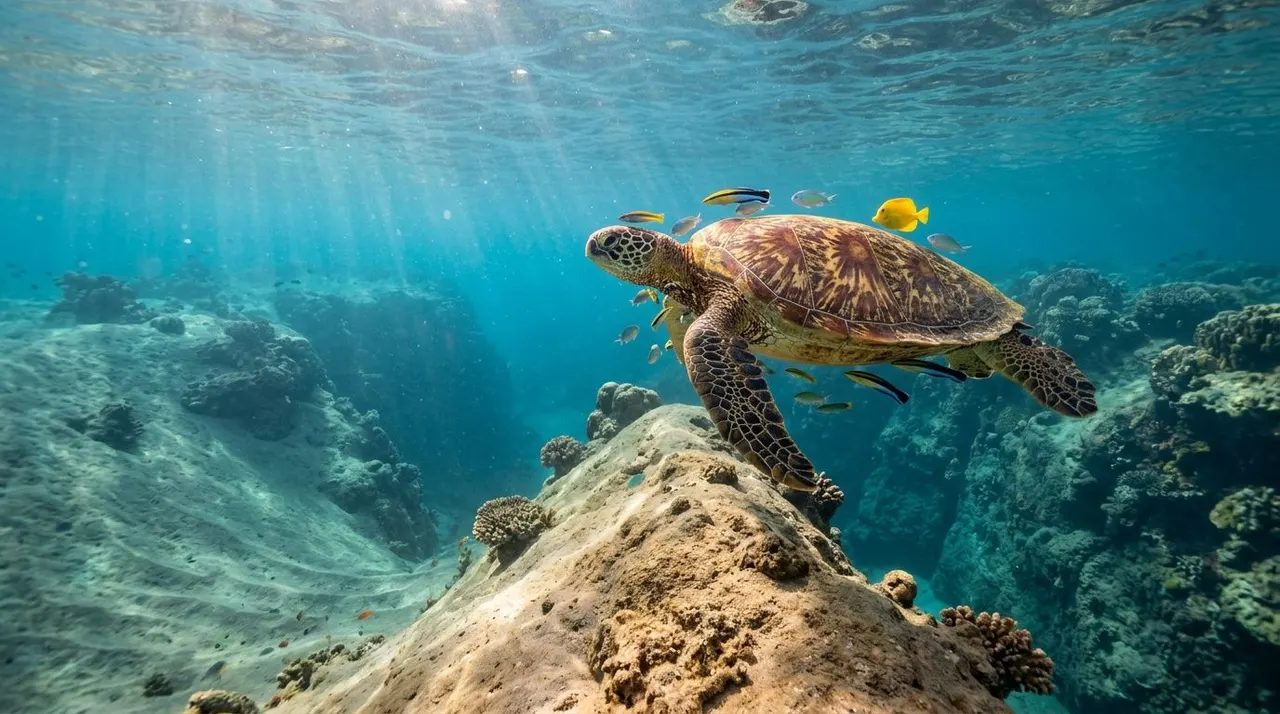
You’re staying in Waikiki, one person in your group wants turtles, another is nervous about shore entry, and nobody wants to spend half the day hunting parking on the North Shore. That is exactly the kind of day Turtle Canyons solves well.
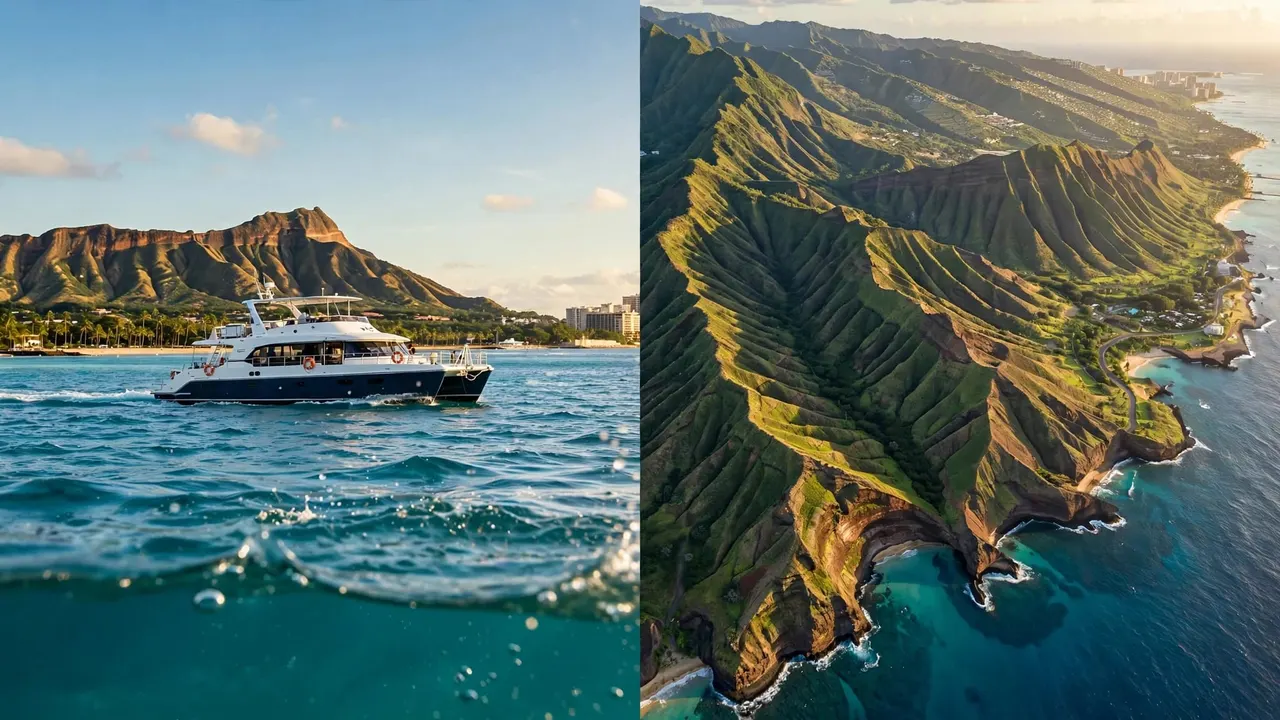
Turtle Canyons is a boat-access snorkel site off Oahu’s south shore, and that changes the experience right away. You leave from the harbor, get your gear and safety briefing on board, and enter the water over reef where guides regularly spot honu. For visitors choosing between famous shore spots and offshore reefs, this is one of the clearest cases where a boat trip makes more sense than driving yourself.
It is especially practical for beginners, families, and casual swimmers who want a strong shot at seeing turtles without dealing with rocky entries or uncertain ocean conditions at a beach. If you’re comparing this option with Oahu’s best-known shore snorkel, this Turtle Canyons vs. Hanauma Bay breakdown helps clarify which setup fits your group better.
Living Ocean Tours runs guided trips to this area from Kewalo Basin, including a Turtle Canyons snorkel excursion.
Why this spot stands out
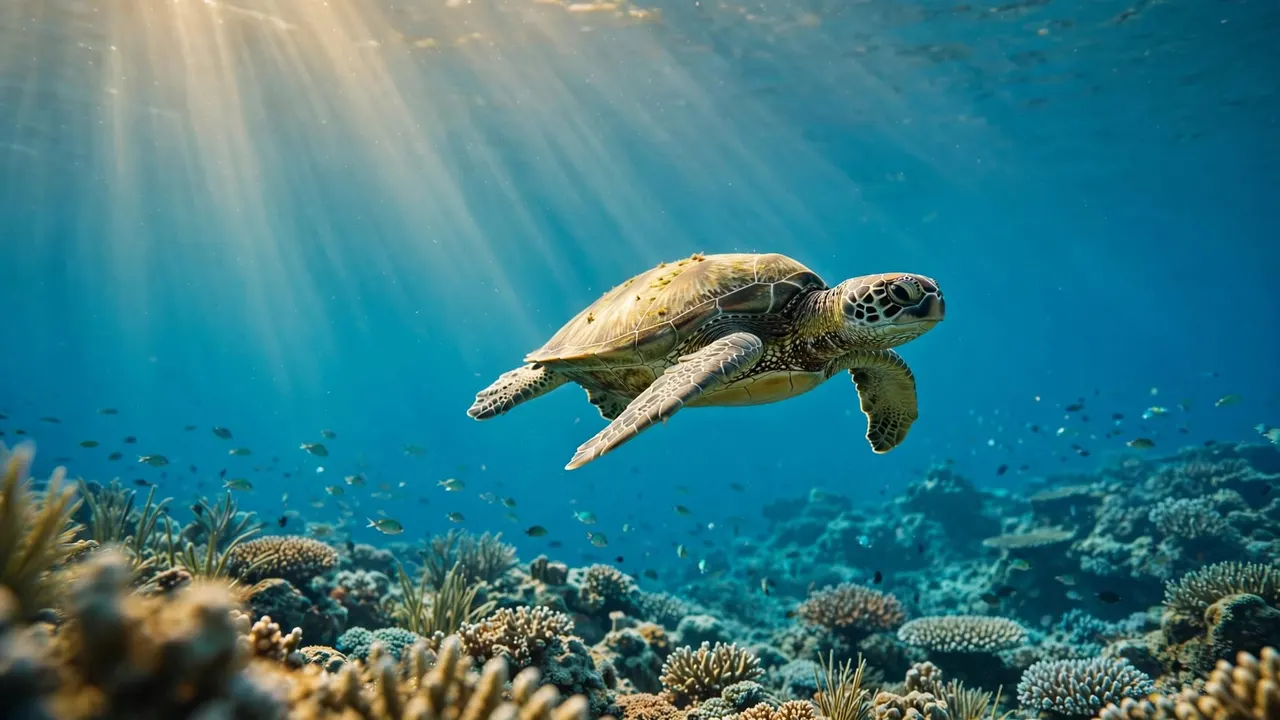
The main draw is simple. Turtles.
South shore boat crews target reef areas where turtle encounters are common, and guides usually know how to position guests for a calm, respectful viewing experience. That matters because Turtle Canyons is at its best when you treat it as a wildlife snorkel, not just a swim stop.
I recommend it most often to visitors who want help with the hard parts. Entry is easier from a boat ladder than across a slippery shoreline, and a good crew can spot nervous swimmers before small problems turn into a stressful outing. That support is the trade-off. You give up some independence, but many visitors get a better snorkel because of it.
Trade-offs and local advice
This is not the pick for snorkelers who want to linger for hours and explore at their own pace. Trips run on a schedule, the route is guided, and conditions still matter even on the south shore.
A few practical habits make a big difference:
- Choose an early departure if you can. Morning conditions are often calmer and cleaner.
- Watch the turtle briefing closely. Keeping your distance is safer for the animal and usually leads to better encounters anyway.
- Take your first minute to settle your breathing. New snorkelers who rush tend to burn energy fast.
- Bring reef-safe sun protection and a rash guard. Oahu sun is stronger than many visitors expect, especially offshore.
For travelers weighing shore access against a boat day, Turtle Canyons earns its spot near the top because it removes a lot of friction without giving up the wildlife payoff. If your goal is to see honu, keep logistics easy, and snorkel with some support, it is one of the smartest first picks on Oahu.
2. Hanauma Bay Nature Preserve
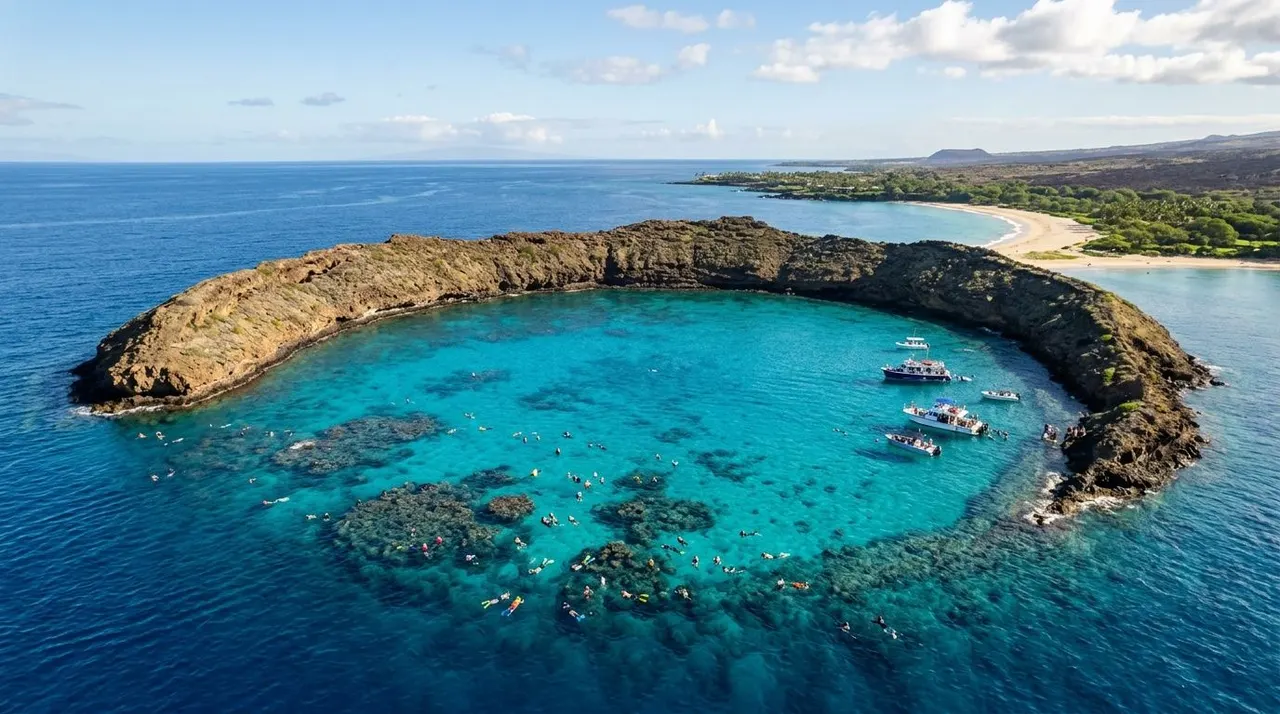
You book a beach day, arrive at Hanauma, and realize this is not a casual pull-up-and-snorkel stop. Reservations, entry rules, parking, and the required education process all shape the day before you even hit the water. For some travelers, that structure is a hassle. For others, it is exactly why this is one of the safest and most approachable shore-entry snorkels on Oahu.
Hanauma Bay is the island’s signature shore snorkel for good reason. The bay sits inside a protected volcanic cove on the southeast side, and that geography usually gives beginners a more controlled setting than many open-coast entries. If you want a self-guided snorkel with strong fish life and a clear shoreline entry, it belongs high on the list.
It also fills a different role than the boat-only spots in this guide. Boat trips are often the better call for visitors who want support, fewer shore logistics, or specific wildlife goals. Hanauma is the better fit for travelers who want to set their own pace once they are in the preserve and are willing to plan ahead to do it.
What makes Hanauma worth the effort
The preserve is famous, but the protection measures matter more than the reputation. As noted in Living Ocean Tours’ Hanauma Bay guide, visitor numbers are capped, which helps reduce pressure on the reef and keeps the experience from turning into a free-for-all.
That controlled access is part of the value here.
The water is often calm enough for newer snorkelers to get comfortable, especially if they stay in the shallower sections first and let their breathing settle before swimming farther out. Families also tend to do well here because the entry is straightforward and the layout is easier to understand than at rockier shore sites.
Real trade-offs to plan for
Hanauma works best for visitors who respect the system. You need to build your day around the reservation window, the check-in process, and the required educational video. That video is not filler. It explains reef etiquette, safety, and why the bay is managed so closely. First-timers who pay attention usually make better choices once they are in the water.
Parking is another pressure point. If you are driving, treat transportation as part of the snorkel plan, not an afterthought. Groups that move slowly in the morning often end up stressed before the day even starts.
The other trade-off is expectation. Hanauma is scenic and productive, but it is also one of the best-known snorkeling spots on Oahu. If your ideal day means quieter water with a guide handling the logistics, a boat option may suit you better. If you want to compare that experience directly, this breakdown of shore access versus guided snorkeling options on Oahu helps clarify the difference.
Fee policies and reservation details can change, so check the official Hanauma Bay website before you go rather than relying on older blog posts or travel forums.
If you’re debating whether to deal with shore logistics or just book a boat, this comparison of Turtle Canyon snorkeling vs Hanauma is a useful read.
3. Coral Gardens (Magic Island/Ala Moana)
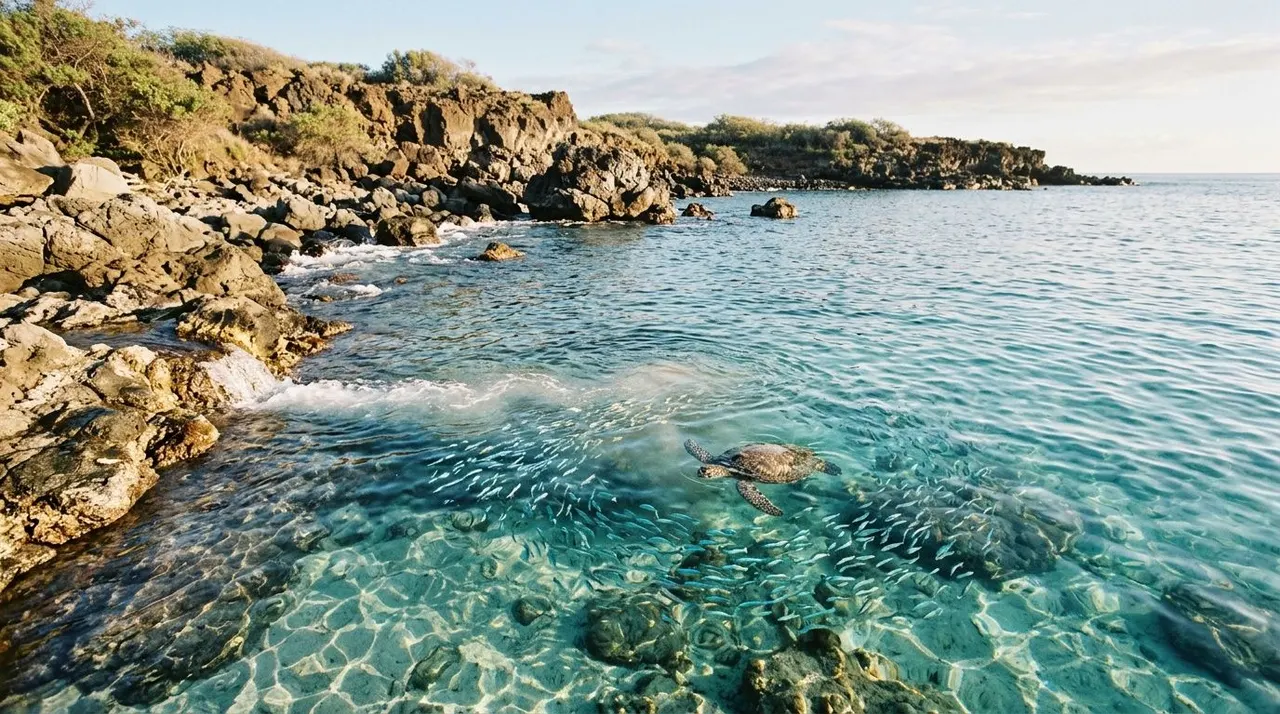
If you’re staying in Honolulu and want something lower-key than Hanauma Bay, the reef areas around Magic Island and Ala Moana deserve a serious look. This is one of those spots visitors often overlook because it doesn’t have the same headline reputation, but it can be a smart choice for a short, convenient snorkel day.
The appeal is straightforward. It’s close to Waikiki, easier to fit into a mixed beach day, and often better for people who want to keep logistics simple.
Best use case for this area
I like this zone for casual snorkelers who want a trial run before committing to a bigger outing. If someone in your group says, “I’m not sure how long I’ll want to be in the water,” this is the kind of place that makes sense.
You can combine a beach morning, a short snorkel, and an easy lunch without turning the whole day into a major excursion. That matters with kids and mixed-age groups.
Still, there are trade-offs. Urban-access snorkeling is convenient, but it won’t always give you the same wow factor as a protected destination or a boat-access reef. Some days it feels great. Some days it feels more like a practical backup plan that turned out better than expected.
Local approach for better results
Ala Moana-style snorkeling goes best when you keep it simple:
- Pick calm conditions: This area is much better when the water surface stays clean and settled.
- Use the easier entry points: Don’t force a rocky entry when a sandy one is available nearby.
- Keep your expectations realistic: Go for convenience and a pleasant reef look, not a once-in-a-lifetime headline.
- Pair it with a boat day later: Many visitors enjoy this as the warm-up snorkel before booking something more ambitious.
A good next step is browsing more Oahu snorkeling options from Living Ocean Tours to compare this kind of easy-access snorkel with guided boat alternatives.
4. Electric Beach (Kaena Point) – West Side
Electric Beach is one of those places people hear about, then underestimate. It can be excellent, but it’s not where I send weak swimmers, nervous first-timers, or anyone who assumes every Oahu snorkel spot is family-easy.
This is a west side spot that rewards water confidence. When conditions line up, marine life can be very good and the experience feels more local than polished. That’s a big part of the appeal.
Who should choose Electric Beach
Choose Electric Beach if your group already knows how to handle itself in open water and doesn’t need hand-holding on entry, current awareness, or self-management. It’s a better fit for strong recreational snorkelers than for casual vacation swimmers.
That doesn’t mean it’s only for experts. It means you need judgment.
If someone in your group asks whether they can stand easily, whether there are lifeguards nearby, or whether they can just “see how it feels” once they’re in, I’d probably steer them elsewhere.
The trade-offs people don’t always hear
The good:
Less of a tourist machine, strong underwater interest, and a different feel from the usual south shore beginner spots.
The not-so-good:
You need to read the ocean well. A site can be famous online and still be a bad choice on your specific day.
Conditions decide whether Electric Beach is fun or frustrating. Don’t lock it in just because it looked good in someone else’s photos.
A practical example. If you’re staying in Waikiki with a rental car and one confident swimmer plus two hesitant family members, this often ends badly as a group decision. The strongest swimmer wants to go farther. The least comfortable person gets nervous at the entry. Nobody ends up relaxed. In that case, a guided south shore boat trip usually works better for everyone.
If you do go, arrive prepared. Bring your own supplies, check the ocean carefully before entering, and snorkel with a buddy. This isn’t a “figure it out on the fly” kind of beach.
5. Shark Cove (Pupukea Beach Park) – North Shore
Shark’s Cove is one of Oahu’s best summer snorkels. It’s also one of the easiest places for visitors to misjudge.
Despite the name, it’s known for lava rock formations, tunnels, caves, ledges, and abundant tropical fish inside the Pupukea Marine Life Conservation District, according to Kona Honu Divers’ overview of Oahu snorkeling. The name comes from the shape of shoreline rocks, not from actual shark activity.
Why experienced snorkelers love it
Shark’s Cove feels different from the south shore. Instead of a broad sandy-bay experience, you get rocky terrain and dramatic underwater structure. That makes it memorable.
The verified data describes it as one of Oahu’s top snorkeling sites for biodiversity, with shallow tide pools for children and deeper sections for intermediate snorkelers. Summer is the key season. June through September offers the best window, while winter surf changes the entire equation.
That seasonality is not a minor detail. It’s the whole game.
What works here and what doesn’t
Many visitors make a mistake here. They see “best snorkeling” on a list and assume that means year-round. It doesn’t.
At Shark’s Cove, what works is calm summer water, reef shoes, patience on entry, and enough confidence to handle uneven footing. What doesn’t work is treating it like a casual winter swim stop.
The verified data also notes stable coastal water temperatures on Oahu and points to North Shore sites like Shark’s Cove becoming snorkeling havens during the calmer part of the year. That’s exactly how I’d frame it. In summer, yes. In winter, move on.
For turtle-focused planning across the island, where to see turtles on Oahu is a useful companion read.
A simple real-world scenario: if you’ve got a teen who’s comfortable in the water and parents who don’t mind a little effort, Shark’s Cove can be a highlight. If you’ve got young kids, mobility concerns, or anyone uneasy on slippery rocks, it probably isn’t the right family snorkel day.
6. Kailua Beach (Lanikai Beach Area) – Windward Side
Not every great snorkel has to feel dramatic. Kailua and the nearby Lanikai side are better when what you want is a beautiful beach day with light, approachable snorkeling built into it.
This part of the windward side shines with families, couples, and anyone who values scenery as much as reef structure. The beach itself does a lot of the work. Even before you get in the water, the setting feels worth the drive.
Where Kailua fits among the best places to snorkel in Oahu
I don’t put Kailua at the top for pure marine density. I do put it high for travelers who want calm energy, clear water on a good day, and a beach that works even if snorkeling ends up being only part of the plan.
That flexibility matters. Some groups need a destination that still feels successful if one person only swims for a short time. Kailua gives you that.
It also works well for visitors who want to avoid the more managed feeling of Hanauma Bay while still keeping things beginner-friendly.
Smart way to plan it
Kailua rewards a weather check. Windward conditions can change the feel of the water fast, so this isn’t a place I’d commit to blindly several days ahead without looking at conditions.
A good Kailua day usually looks like this:
- Go early: Parking and beach energy are both better in the morning.
- Keep gear simple: Mask, snorkel, fins, reef-safe sun protection, and a towel. Don’t overpack.
- Use the beach first: Let less experienced swimmers settle into the water before heading toward reefy sections.
- Make it a half-day outing: Pair it with town food before or after, rather than trying to stack too much into the schedule.
For more ideas on matching beach style to skill level, this Oahu snorkeling guide from Living Ocean Tours helps visitors compare options in a practical way.
7. Waikiki Marine Sanctuary (various sites) – South Shore
A lot of visitors overcomplicate snorkeling in Honolulu. They assume they have to drive far to get in the water. Sometimes that’s true. Sometimes it isn’t.
The reef zones around Waikiki, including areas near Queen’s Beach and Kaimana, can be a reasonable snorkel option when conditions are calm and your goal is convenience more than bragging rights. If your hotel is nearby, that matters.
Best for short sessions and low-hassle access
This area works best for travelers who want to keep snorkeling lightweight. Maybe you have one free morning. Maybe the kids still want pool time later. Maybe you want to test gear and comfort before booking a boat trip. Waikiki-area snorkeling fits that kind of schedule.
I wouldn’t call it the island’s most dramatic snorkeling. I would call it useful, accessible, and surprisingly enjoyable on the right day.
The caution is obvious. South shore conditions still matter. Reef areas can be shallow, entries can be awkward depending on where you go in, and surf changes the experience.
Safety matters more here than people think
Because it’s so accessible, people often treat Waikiki reef snorkeling casually. That’s backwards. Easy access can make visitors less alert.
Stay near areas where other ocean users are active, enter conservatively, and get out if the water feels pushy or sloppy.
This is also a good place to read up before entering. Living Ocean Tours’ reef safety guide for Oahu covers the kind of judgment that saves people from making bad in-the-moment decisions.
A practical example. If you’ve got one confident swimmer and another person who just wants to float and see a few fish, Waikiki can work for a quick morning. If the whole group wants a stronger wildlife experience with less guesswork, a boat trip from nearby Kewalo Basin is often the better use of time.
8. Maunalua Bay (Sandy Beach Area) – South Shore
Maunalua Bay doesn’t get the same volume of visitor attention as Hanauma Bay, and that’s part of its appeal. For snorkelers who want a south shore option with room to breathe and a more open feel, it’s worth considering.
This is not the “show up and instantly know exactly where to go” kind of site for every traveler. It helps to have a plan, and it helps even more to understand what kind of day you want.
Why some visitors prefer it
Some travelers reach Oahu, hear about Hanauma Bay, then realize they don’t want reservations, crowds, or a heavily structured visit. Maunalua Bay can appeal to that group.
It also suits people who like broader coastal scenery and don’t mind a setting that feels less packaged. You’re still on the south shore, still within reach of Honolulu, but the experience can feel more spread out.
For stronger snorkelers, this kind of bay can be rewarding because it gives you options. You can stay conservative and enjoy the day, or explore farther if conditions support it and your ability matches.
Practical trade-offs
This is not my first pick for very young children or the most hesitant swimmers unless they’re with experienced support. It’s a better fit for travelers who already know how they handle open-water snorkeling.
A common good use case is the couple or family that has already done one easy snorkel and wants a second outing that feels less crowded and a little more exploratory.
A few practical habits help:
- Watch the water before gearing up: Don’t rush straight in.
- Stay honest about current and depth comfort: Open bay snorkeling gets harder fast when people overestimate themselves.
- Choose exploration over checklist thinking: This area is better enjoyed slowly than “accomplished.”
- Build the day around ocean conditions: If the water looks off, switch plans.
That flexibility is how locals avoid bad snorkel days. The best places to snorkel in Oahu are only “best” when the ocean agrees.
Top 8 Oahu Snorkel Sites Comparison
Choosing the right snorkel site on Oahu usually comes down to two questions. Do you want the simplicity of shore access, or the easier wildlife access that a good boat trip can provide? Then match that answer to your comfort in the water.
That is why this table mixes famous beach entries with boat-only reefs. I use this same filter when helping visitors narrow the list, and it is also the reason operators like Living Ocean Tours tend to be a strong fit for groups staying in Waikiki who want turtles without dealing with reef entry, parking, or surf timing.
| Site | Complexity 🔄 | Resources ⚡ | Expected Outcomes ⭐📊 | Ideal Use Cases 💡 | Key Advantages ⭐ |
|---|---|---|---|---|---|
| Turtle Canyons (South Shore / Waikiki) | Boat access required; basic swimming comfort; low technical skill | Guided tour operator, gear often included, short boat ride from Waikiki | Frequent turtle sightings; clear water on calm days | Families, first-time snorkelers, marine-life enthusiasts | Easy logistics, guided support, reliable marine life viewing |
| Hanauma Bay Nature Preserve | Easy shore entry; managed access; high visitor traffic | Entrance fee, parking limitations, rentals and facilities on site | Strong fish diversity; shallow, generally calm water | Families with young kids, beginners, photographers | Famous protected bay with shore access and educational programs |
| Coral Gardens (Magic Island/Ala Moana) | Shore entry; beginner-friendly; minimal complexity | Free access, near Waikiki hotels, nearby restrooms and parking | Shallow reef areas, decent coral viewing, moderate fish life | Waikiki hotel guests, novices, quick shore snorkels | Convenient location, calmer conditions, easier commitment than a half-day outing |
| Electric Beach (Kaena Point) – West Side | Remote shore entry; rocky approach; intermediate skill recommended | Drive required, limited facilities nearby, bring supplies and footwear | Strong marine life potential, warm outflow area, often good visibility | Experienced snorkelers, photographers, eco-minded visitors | Active fish life and fewer crowds, but conditions demand respect |
| Shark Cove (Pupukea Beach Park) – North Shore | Seasonal access, best in calmer summer periods; rocky entry; moderate complexity | Drive required, limited parking, reef shoes advised | Clear water and abundant fish when summer conditions line up | Summer visitors, intermediate snorkelers, photographers | Dramatic lava-rock structure and one of Oahu’s most rewarding shore snorkels in season |
| Kailua Beach (Lanikai Beach Area) – Windward Side | Easy shore entry; low complexity; popular beach setting | Drive required, parking can fill early, good facilities nearby | Clear water on good days; sandy entry with patchy reef areas | Families, casual beachgoers, visitors pairing snorkeling with a full beach day | Beautiful setting, approachable entry, good fit for lighter snorkeling goals |
| Waikiki Marine Sanctuary (various sites) – South Shore | Very easy shore access; hotel-close; low complexity | Walking distance from many hotels, lifeguards, rental options | Modest fish sightings due to heavy use; visibility varies by conditions | Time-limited visitors, hotel guests, beginners | Maximum convenience, easy entry, simple add-on to a Waikiki day |
| Maunalua Bay (Sandy Beach Area) – South Shore | Boat access often preferred; variable depths; moderate complexity | Boat tour or transport, fewer operators, protected-area considerations | Healthy reef areas, good biodiversity, lighter crowds than headline sites | Intermediate snorkelers, small groups, conservation-minded guests | Broad bay with room to explore and a quieter feel than the better-known spots |
A simple rule helps. If your group includes young kids, hesitant swimmers, or people who want a low-stress day, start with Hanauma Bay, Coral Gardens, Kailua, or a guided Turtle Canyons trip. If your group is stronger in the water and willing to pass on convenience for a better shot at structure, depth, and wilder-feeling conditions, Electric Beach, Shark Cove in summer, and parts of Maunalua Bay make more sense.
Final Thoughts
The best places to snorkel in Oahu aren’t all trying to do the same thing.
Hanauma Bay is the classic protected shore snorkel. Shark’s Cove is the summer favorite for people who enjoy rocky underwater structure and don’t mind a more demanding entry. Kailua is better when you want a beautiful beach day that happens to include approachable snorkeling. Electric Beach is for stronger swimmers who understand that good marine life doesn’t automatically mean easy conditions. Waikiki-area reef snorkeling wins on convenience. Turtle Canyons stands out when your group wants turtles, simple logistics, and guided support close to Waikiki.
This is the consistent pattern across the island. The right choice depends less on internet rankings and more on how your group travels.
Families with children usually do better when the day is easy to enter, easy to exit, and easy to enjoy even if someone gets tired early. Multi-generational groups tend to appreciate guided options for the same reason. Shore spots can be fantastic, but they ask more of you. You need to read conditions, manage gear, handle parking, and know when a site isn’t a match for your confidence level. That’s part of the adventure for some people. For others, it’s the exact reason a boat trip is the smarter move.
If you want the shortest version of this guide, use this framework.
Choose Hanauma Bay if you want a famous protected reef and you’re willing to plan around reservations and crowds. Choose Shark’s Cove in summer if you’re comfortable with rocky entry and want one of Oahu’s most interesting shore snorkels. Choose Kailua if your group wants a beach-first day. Choose Electric Beach only if everyone involved understands the difference between “popular” and “easy.” Choose Waikiki reef areas for quick access and low commitment. Choose Turtle Canyons if seeing turtles matters most and you’d rather spend your time snorkeling than sorting out logistics.
One more practical point. Ocean conditions always outrank lists. A site can be outstanding in general and wrong for you that day. If the entry looks rough, if someone in your group is nervous, or if the water feels messy before you even get in, change plans. That isn’t missing out. That’s good judgment.
For visitors staying near Waikiki, guided tours can make the whole decision easier. Living Ocean Tours is a Honolulu-based operator that runs snorkel trips from Kewalo Basin near Waikiki, with gear, instruction, and a focus on responsible marine life viewing. For many first-time visitors, that kind of setup is the difference between hoping for a good experience and having one.
If you keep your expectations matched to your skill level, stay flexible with conditions, and pick the spot that fits your group instead of the hype, Oahu is one of the easiest islands in Hawaii to have a memorable snorkel day.
If you want a simpler way to experience Oahu’s reef life without dealing with shore-entry guesswork, Living Ocean Tours offers guided snorkeling trips from Kewalo Basin near Waikiki with gear, instruction, and a beginner-friendly setup that works well for families and first-time snorkelers.