
Discover the Best Place to See Turtles in Oahu in 2026
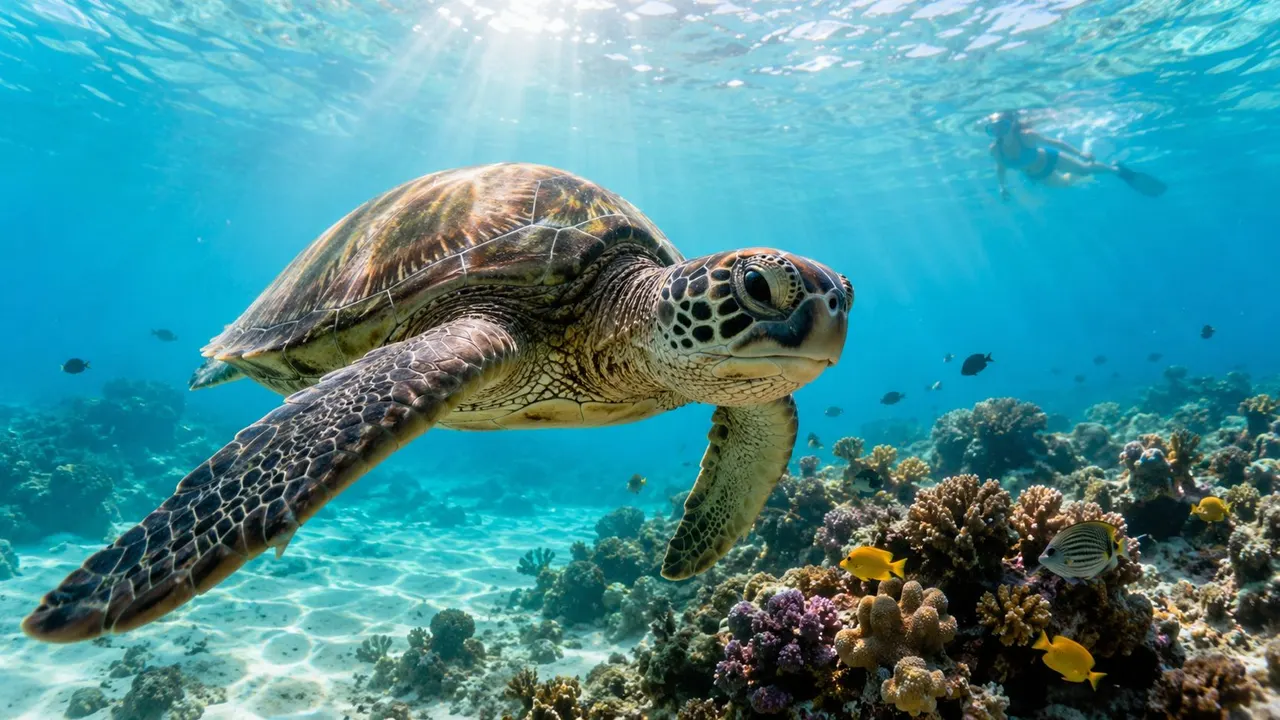
Finding Honu: Your Ultimate Guide to Seeing Turtles in Oahu
Dreaming of that moment when a Hawaiian green sea turtle, or honu, glides past you in clear blue water, or hauls out on the sand while you watch from a respectful distance? You're in the right place. Oahu gives you several real ways to see turtles, but the best choice depends on one thing most guides skip. Do you want the easiest shore view, the strongest in-water odds, or the safest option for kids and first-time snorkelers?
That's where people waste time. They hear about one famous beach, drive across the island, circle for parking, then realize the conditions don't match their group. Others stay in Waikiki and assume turtle sightings from shore will be just as reliable as a dedicated boat trip. They usually aren't.
This guide gets straight to the spots that matter. You'll find the best place to see turtles in Oahu for guided snorkeling, beach viewing, beginner-friendly family outings, and stronger DIY snorkelers who don't mind a little effort. Some locations are famous for a reason. Others work better only for a specific type of traveler. The trade-offs matter, especially when you're trying to make one vacation day count.
1. Living Ocean Tours Turtle Canyons Snorkel
You wake up in Waikīkī, want a real chance to see turtles in the water, and do not want to spend the morning guessing which beach might produce a sighting. In that situation, a guided Turtle Canyons boat trip is usually the stronger play than DIY shore snorkeling.
Living Ocean Tours runs trips to Turtle Canyons, an offshore reef near Waikīkī where turtles are regularly seen around the cleaning stations described in the company's Oʻahu turtle guide. The practical advantage is predictability. You are heading to known habitat with a crew that watches conditions, manages entry and exit, and keeps guests from crowding wildlife.
Why This Is the Best In-Water Option
For visitors who want an in-water turtle experience, the biggest benefit is support. A boat tour gives you gear, a briefing, and staff oversight. That makes a difference for first-time snorkelers, nervous swimmers, and families with mixed confidence levels.
The trade-off is simple. You pay more than you would for a beach stop, and you need to work around a departure time. In return, you avoid the trial-and-error of driving to shore spots, checking surf, finding parking, and still coming up empty.
I usually point travelers toward a guided offshore option when turtle viewing is the priority, not just a nice bonus. If your group is still deciding between a Waikīkī boat snorkel and a North Shore shore-viewing day, this comparison of Turtle Canyon and Laniakea Beach lays out the differences clearly.
Who Should Book It
This option fits travelers staying in Honolulu who want a focused turtle outing without a long island drive. It also works well for beginners who are more comfortable with crew guidance than with independent reef entry from shore.
Skip it if your group hates schedules, wants a free option, or prefers to stay in shallow water close to the beach the whole time. A boat trip is a better fit for people who want convenience and higher odds, not for travelers who enjoy the DIY side of scouting their own snorkel spot.
- Best for reliability: Offshore reef access usually beats shore luck if turtles are the main goal.
- Best for beginners: Crew support, site knowledge, and controlled logistics lower the stress level.
- Main downside: You need a reservation, and weather or ocean conditions can still change the plan.
2. Laniakea Beach (Turtle Beach)
You pull up on the North Shore expecting a quick turtle stop, and the first thing you notice is the crowd, not the beach. That catches a lot of visitors off guard. Laniakea still earns its reputation because it gives you one of Oʻahu's best chances to see Hawaiian green sea turtles from shore, with no snorkel gear, no boat, and no ocean entry required.
That makes it a strong DIY option for travelers who want wildlife viewing without committing to a tour. It works especially well for families with younger kids, older visitors, and anyone who would rather watch from sand than swim over a reef.
Why Laniakea Stays Popular
The main advantage is simple. Turtles are often seen resting on the beach here, so the experience can be excellent even if conditions are poor for swimming or your group has no interest in snorkeling.
That said, this is not the easiest stop on the island.
Parking is limited, roadside traffic can be messy, and the beach feels small once people start gathering. If your group is patient and flexible, Laniakea can be a memorable stop. If your group wants easy logistics, bathrooms, and lots of personal space, this spot can feel more stressful than expected.
For travelers weighing a North Shore shore-viewing stop against an offshore snorkel, this comparison of Laniakea Beach and Turtle Canyon gives a practical side-by-side look at how the two experiences differ.
What to Expect on Site
Volunteer monitors are often present to help protect the turtles and keep visitors at a respectful distance. Listen to them. They know the routine, and their guidance helps keep the beach from turning into a free-for-all around resting animals.
The best approach here is to treat the turtles as the priority, not your photo. Stay back, settle in, and watch patiently. Visitors who rush in, crowd the sand, or expect a fast roadside selfie stop usually leave more frustrated.
Best Fit, and Main Trade-Off
Laniakea is one of the best places on Oʻahu for land-based turtle viewing. It is less reliable as a full beach day if your main goal is comfort and convenience.
Choose it if you want a free, independent stop and your group is happy to work around parking, timing, and crowds. Skip it if you want underwater views, guided support, or a more controlled experience built around turtle sightings.
Keep the rules in mind: stay well back, never touch, feed, or chase turtles, and give them room to rest. Responsible viewing is what keeps Laniakea special.
3. Turtle Canyons Reef (off Waikīkī)
You wake up in Waikīkī, want to see turtles in the water, and do not want to spend half the day driving to the North Shore. Turtle Canyons is the answer for that specific plan. This reef sits offshore in a part of the coastline where turtles regularly visit cleaning stations, so the experience is built around getting into the right habitat instead of hoping one cruises past a random beach.
That difference matters. Shore snorkeling near Waikīkī can still be fun, but it is usually a reef-and-fish day with a chance of turtles. Turtle Canyons is the more targeted option for travelers whose priority is an in-water turtle encounter close to Honolulu. If you want a practical breakdown of how that experience works, this guide to Turtle Canyon snorkeling near Waikīkī lays out the basics.
The trade-off is simple. You need a boat.
For many visitors, that is a fair exchange. You save drive time, you reach a known turtle area, and you usually get crew support with gear, entry, and in-water supervision. That support can make a big difference for first-time snorkelers, families with older kids, and travelers who are comfortable in the ocean but do better with clear structure than with DIY guesswork.
It is not the right fit for everyone. If someone in your group gets seasick easily, dislikes open-water entries, or only wants to watch turtles from land, this will feel like more work than a shore stop. Conditions also change day to day. Even on a well-run trip, ocean visibility, current, and swell affect how relaxed the snorkel feels.
Why This Spot Earns Its Own Place
Turtle Canyons deserves its own spot on this list because the reef itself is the attraction, not just the tour that takes you there. Visitors are choosing access to an offshore habitat that shore-based travelers cannot reasonably reach on their own.
That makes this one of the clearest boat-versus-DIY decisions on Oʻahu. Choose Turtle Canyons if you want underwater viewing near Waikīkī and are willing to trade a free shore stop for a more focused, boat-based outing.
Best Fit, and Main Trade-Off
This spot works best for visitors staying in Honolulu who want to snorkel, want a strong chance of seeing turtles in the water, and prefer guided logistics over trial and error.
- Big advantage: Close to Waikīkī and centered on a known turtle habitat.
- Big limitation: Boat access is required, so cost and ocean comfort matter.
- Best fit: Travelers who want a targeted turtle snorkel rather than a general beach day.
Choose a reputable operator, listen to the crew, and keep your distance in the water. Good turtle encounters are calm encounters. The turtles should control the interaction, not the swimmers.
4. Hanauma Bay Nature Preserve
You reserved the entry, packed reef-safe sunscreen, and want a shore snorkel that does not turn into a stressful ocean lesson before lunch. Hanauma Bay fits that day better than almost anywhere on Oʻahu. It is one of the strongest DIY options for visitors who want a well-managed reef experience, easier water access, and a realistic chance of seeing turtles without booking a boat.
That balance matters for families, mixed-ability groups, and travelers who care more about having a good snorkel overall than chasing one specific wildlife moment.
Best for a Structured DIY Snorkel
Hanauma Bay works well for first-time snorkelers because the setting is more controlled than many open beaches on Oʻahu. Entry is straightforward, the bay is visually easy to read, and the preserve system filters out some of the confusion that can ruin a beginner day. If I were advising a group with kids, grandparents, and one or two nervous swimmers, this is one of the first shore options I'd look at.
It also fills a different role than a guided turtle tour. A boat trip is the better tool if your top priority is getting to a known offshore turtle area with crew support and less guesswork. Hanauma is the better call if your group wants a beach morning, easier logistics once inside, and plenty to see even if the turtles do not make an appearance.
For travelers comparing shore snorkeling with a more advanced west side swim, this Electric Beach snorkeling guide on Living Ocean Tours helps show how different the effort, conditions, and swimmer confidence requirements can be.
Choose Hanauma Bay for a high-quality reef day with turtle potential. Choose a guided boat snorkel if turtles are the main objective and you want help with access and in-water support.
The Downside: Logistics
Hanauma Bay rewards planning. Reservations, timing, and entry rules matter here more than they do at a casual beach park. That structure is part of what keeps the experience organized, but it can frustrate travelers who prefer to wake up and decide on the fly.
Use Hanauma Bay Nature Preserve information from Hawaii's Division of Aquatic Resources to check current access rules and preserve details before you go. Show up prepared, follow the preserve guidance, and treat turtle sightings as a bonus rather than a guarantee. That mindset usually leads to a better day, and it keeps pressure off both your group and the wildlife.
5. Kahe Point Beach Park (Electric Beach)
Electric Beach is for confident snorkelers who want a more active ocean session. It can be an excellent turtle and marine life spot in the right conditions, but it's not where I'd send first-time snorkelers, small kids, or anyone who gets uneasy once they can't stand up.
That distinction matters. A lot of visitors hear “great snorkeling” and assume “good for everyone.” At Kahe Point, that's not the same thing.
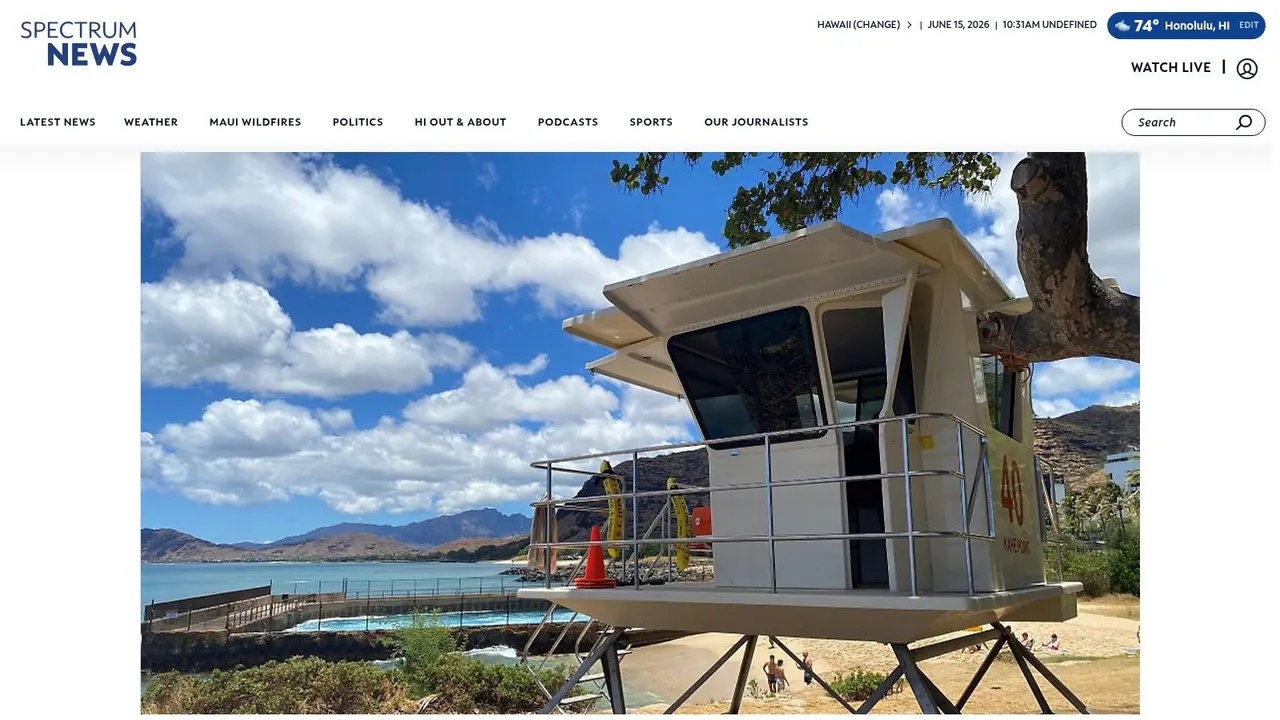
Strong Snorkelers Do Better Here
This west side spot has a strong local following because visibility can be very good and the underwater life can be worth the effort. If you're comfortable with current, surge, and a more committed swim, it can be one of the more rewarding DIY snorkel locations on Oahu.
For travelers comparing this west side option with a guided Waikiki outing, Living Ocean Tours' Electric Beach snorkeling guide is helpful because it makes the effort-versus-convenience trade-off pretty obvious.
- Good fit: Strong swimmers and experienced snorkelers.
- Weak fit: Nervous swimmers, younger kids, and mixed-ability groups.
- Best mindset: Treat it as a real ocean session, not an easy beach float.
When to Skip It
Skip this one if your group wants low stress. Shore entry, current, and changing conditions can turn a promising snorkel into a tiring one fast. Even when turtles are present, they don't make the spot beginner-friendly.
For beach access and current park information, check Kahe Point Beach Park through the City and County of Honolulu. If your main goal is only the best place to see turtles in Oahu with the least hassle, a guided Turtle Canyons trip is usually the better call.
6. Kuilima Cove (at Turtle Bay)
Kuilima Cove is one of the easiest places on the North Shore to recommend to beginners. While nearby North Shore beaches can be rough and exposed, this cove offers a calmer, more sheltered feel that suits families, casual swimmers, and people who want a simple snorkel without the intensity of open coast conditions.
That's its real value. It's not the most dramatic reef on the island, but it gives many visitors a North Shore snorkel they can enjoy rather than just survive.
A Safer North Shore Snorkel
The sandy entry helps, and the protected shape of the cove makes it a much better fit for kids and newer snorkelers than more exposed shoreline spots. Turtles do pass through, especially around the outer rocky areas, so there's legitimate upside without the pressure of needing advanced ocean skills.
If you're trying to choose between this calmer cove and the more famous offshore turtle site, Living Ocean Tours' Turtle Canyon vs. Kuilima Cove comparison gives a useful side-by-side perspective.
Kuilima Cove is the North Shore answer for travelers who want “safe enough to relax” more than “most likely turtle encounter possible.”
What to Expect
The trade-off is access and scale. Public access exists, but parking can be limited, and the marine life variety won't match a more thriving reef system or a dedicated offshore turtle site. That said, a calm cove that your whole family can handle often beats a famous location that only the strongest swimmer enjoys.
For beach details and resort-area access context, see Turtle Bay Resort's beaches and activities page. This one works best when your priorities are easy water, low intimidation, and a reasonable turtle chance.
7. Ko Olina Lagoons
Ko Olina is the safest-feeling ocean setup on this list. The lagoons are calm, easy to enter, and ideal for families with very young children, cautious swimmers, or anyone who wants a beach day where ocean stress is close to zero.
That's the appeal. Not every turtle outing needs to be a mission.
Best for the Most Cautious Swimmers
The lagoon design creates placid swimming conditions that many visitors find far more approachable than exposed beaches. If your group includes people who are hesitant in open water, Ko Olina can save the day. Everyone can get in comfortably, and the setting is clean and easy to manage.
If you want a broader take on how this compares to stronger turtle-snorkeling locations, Living Ocean Tours' Oahu turtle snorkeling guide is a good reality check.
Why It's Not a Turtle Mission Spot
Turtles are occasionally seen near the rocky breakwaters and channels, but this isn't where you go for a high-probability turtle encounter. You go because the water is gentle and a turtle sighting would be a great bonus.
That's an important distinction for trip planning. If your family would still be happy with a calm beach day even without turtles, Ko Olina makes sense. If seeing honu is the main objective, use Ko Olina Lagoons information from Ko Olina Resort for access planning, then decide whether this should be your beach day rather than your turtle day.
Top 7 Turtle-Viewing Spots on Oʻahu, Quick Comparison
| Option | Accessibility / Complexity 🔄 | Resource Requirements ⚡ | Expected Turtle Sightings ⭐ | Ideal Use Cases 💡 | Key Advantages / Impact 📊 |
|---|---|---|---|---|---|
| Living Ocean Tours Turtle Canyons Snorkel | Moderate: boat tour booking and weather-dependent, low participant effort | Paid tour; boat, guides, and gear provided | ⭐⭐⭐⭐⭐ (~95% sighting rate) | Guaranteed in-water encounters; beginners & families | High reliability, safety, guided education, all-inclusive experience |
| Laniakea Beach ("Turtle Beach") | Easy: shoreline viewing, minimal process but can be crowded | Free access; limited roadside parking; volunteers on-site | ⭐⭐⭐⭐⭐ (very high for basking turtles) | Photography and shore-based viewing for all ages | Consistent shore sightings, on-site education, no swimming required |
| Turtle Canyons Reef (off Waikīkī) | Moderate–High: only boat access; operator required | Paid boat tour recommended; safety gear & guides needed | ⭐⭐⭐⭐ (high; multiple turtles, cleaning behavior) | Snorkelers wanting underwater cleaning-station behavior | Excellent underwater visibility and unique biological interactions |
| Hanauma Bay Nature Preserve | Moderate: online reservation and entry process; well-managed | Entry fee, reservations, on-site rentals and facilities | ⭐⭐⭐⭐ (common but not guaranteed) | Beginners, families, educational visits | Protected calm waters, diverse marine life, lifeguards & education |
| Kahe Point Beach Park ("Electric Beach") | Moderate: shore entry with strong currents at times; best for skilled swimmers | Free access; parking; recommended buddy & advanced skills | ⭐⭐⭐⭐ (high when conditions favorable) | Intermediate/advanced snorkelers seeking rich marine life | Superb visibility and biodiversity; free public access |
| Kuilima Cove (Turtle Bay) | Low: sheltered cove with easy sandy entry | Free public access (limited parking); calm conditions | ⭐⭐⭐ (good chance) | Beginner snorkelers and families seeking safe water | Very calm, shallow snorkeling ideal for kids and novices |
| Ko Olina Lagoons | Very low: protected, waveless lagoons; easy access but parking limited | Free access; very safe conditions; low reef biodiversity | ⭐⭐ (infrequent/occasional) | Families with very young children or hesitant swimmers | Safest, calmest water on Oahu; resort amenities nearby |
A Guide to Safe and Respectful Turtle Encounters
You spot a turtle offshore, mask on, fins ready, and the next decision matters more than the sighting itself. Do you stay on the beach and watch from a distance, swim out on your own, or join a boat with a guide who knows the reef, the current, and the animal behavior? On Oʻahu, the right choice depends on your comfort in the water, who's with you, and how much guesswork you want in the day.
For beachgoers, the safest turtle encounter is often a shore-based one. For beginner snorkelers, a guided boat trip usually gives you a better look with less stress. For confident swimmers, DIY spots can be rewarding, but only when surf, current, visibility, and entry conditions all line up. That trade-off matters. A free snorkel spot is not automatically the better option if you spend the whole time managing chop, parking, or a difficult exit.
The Golden Rule: Look, Don't Touch
Honu are protected wildlife. Give them space on shore and in the water, and never touch, feed, chase, block, or crowd them.
A simple rule works well in real life. If a turtle changes course because of you, cuts a surface breath short, or has to swim around you, you are too close. Back off and let the animal set the distance. Use your camera zoom instead of your fins.
This is especially important at busy places where turtles may be resting, feeding, or heading up for air. Good viewing is quiet, patient, and hands-off.
Use Reef-Safe Sunscreen
Choose a mineral-based reef-safe sunscreen before you get in. Better yet, add a rash guard or swim shirt and use less lotion overall.
That small choice helps protect the reef habitat turtles rely on for food and shelter. Responsible turtle watching is not only about what happens during the encounter. It starts with how you enter the water and what you leave behind.
Know Before You Go
Timing helps, but conditions matter more. Early morning often brings lighter wind, easier parking, and calmer water at many shore spots. Late afternoon can also be productive for turtle viewing from land. Popular beaches get crowded fast, and crowded water usually means a weaker experience for both people and turtles.
Ocean conditions change quickly on Oʻahu. Check the surf, look at the entry and exit before you gear up, and pay attention to posted warnings and lifeguards. If the shoreline looks rough or the current is pulling hard, choose a different spot or skip the swim. Turtles are never worth forcing a bad entry.
For visitors who want underwater turtle viewing without sorting out access, conditions, and boat logistics on their own, booking with Living Ocean Tours is a practical option. Their Turtle Canyons trips keep beginners and families in a more controlled setup, which is often the better call than testing an unfamiliar shore snorkel.
If your group includes young kids, hesitant swimmers, or anyone who just wants a straightforward outing near Waikīkī, Living Ocean Tours offers an easier path than rolling the dice on a DIY beach plan. If your group has strong swimmers who are comfortable reading conditions and accepting more variability, shore snorkeling can still be a good fit. The best turtle encounter is the one that stays safe, gives the animals room, and leaves everyone wanting to do it the right way again.


