
Are Reef Sharks Dangerous? Your Oahu Snorkeling Guide
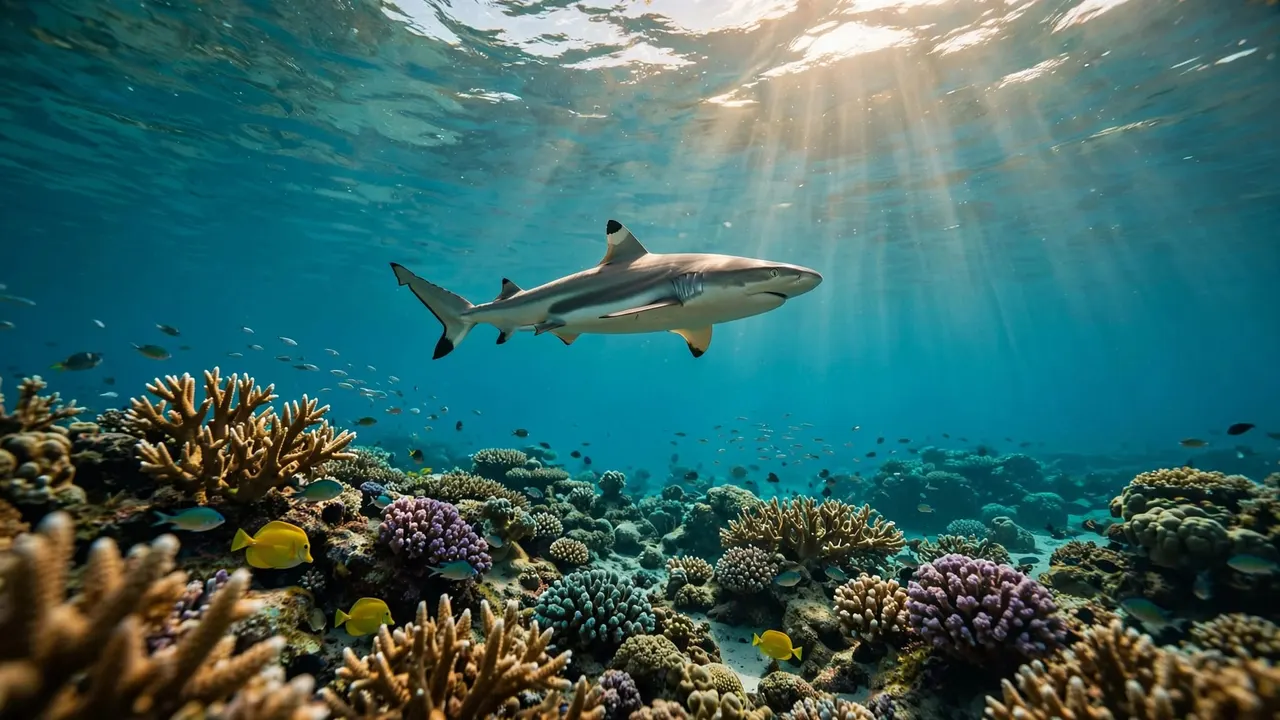
A shark-shaped shadow can make you forget every fish you came to see. Before heading out with Living Ocean Tours or exploring a shoreline reef, you may ask: are reef sharks dangerous?
Reef sharks can bite, but Hawaii’s official guidance describes most inshore shark species as posing little threat to people. Your best preparation is a clear response plan, suitable conditions, and enough space for wildlife.
Start by separating the shark’s reputation from the decisions you control during your snorkel.
So, are reef sharks dangerous to snorkelers?
Reef sharks deserve respect, even when they appear relaxed. Their presence doesn’t mean an attack is imminent, but you shouldn’t approach them.
Understand the statewide risk
According to Hawaii’s shark fact sheet, shark-human encounters are infrequent. Hawaii has about 40 shark species, with roughly eight somewhat common in nearshore waters.
Those figures describe the Hawaiian Islands as a whole. They don’t predict what you’ll see at Turtle Canyons, Hanauma Bay, or any particular Oahu beach.
The same state guidance identifies tiger sharks as the species most often associated with serious or fatal injuries in Hawaii. A tiger shark is a different animal from the smaller reef sharks discussed here.
Respect a shark’s ability to bite
When you ask “are reef sharks dangerous,” the useful answer includes both behavior and context. A passing shark and one crowded by swimmers create different situations.
Any shark can be dangerous, especially when provoked. Feeding, chasing, grabbing, or blocking its movement increases unnecessary contact.
You don’t need to judge whether a shark looks friendly. Give it room, alert your guide, and follow Hawaii’s recommendation to leave the water calmly.
Which reef sharks might you see around Oahu?
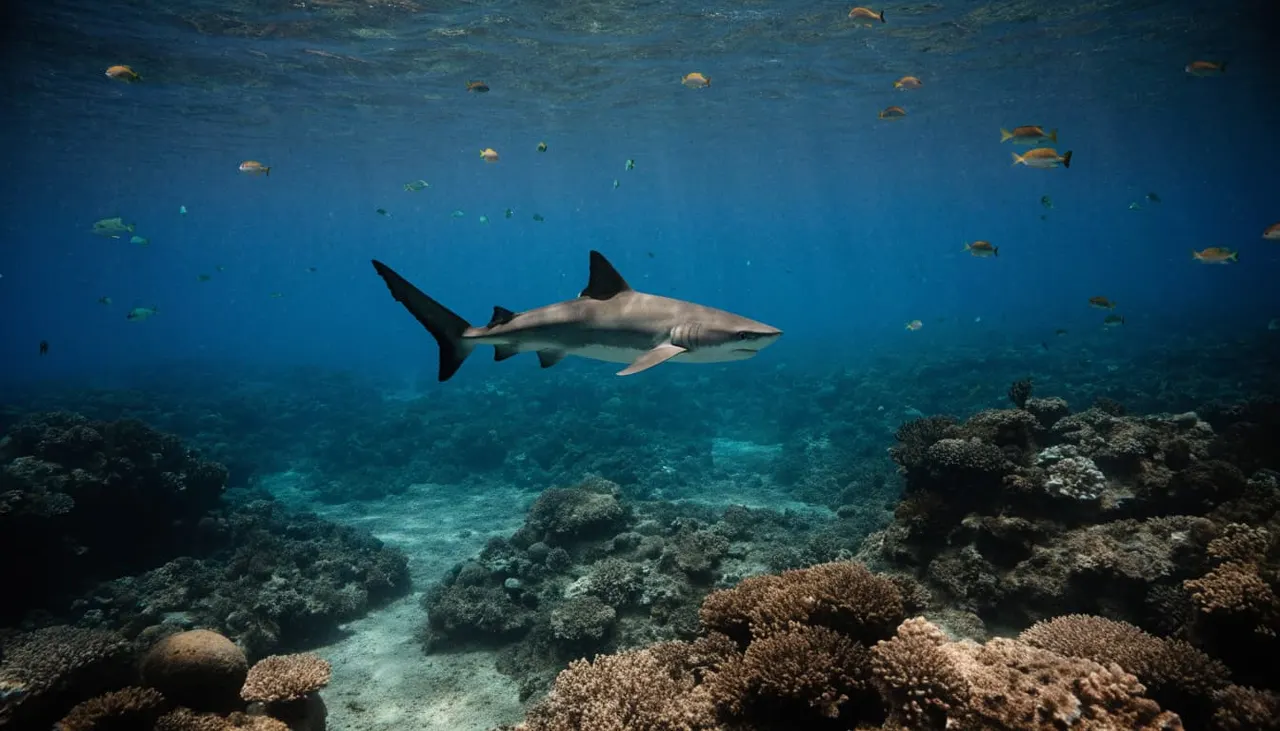
Hawaii’s shark catalog includes whitetip reef, blacktip reef, and gray reef sharks. That confirms their presence in Hawaiian waters, not a guaranteed sighting on your Oahu trip.
Whitetip reef sharks
A whitetip reef shark has a slender body and pale tips on its first dorsal and upper tail fins. You may notice one resting near the bottom during daylight.
Unlike sharks that must keep swimming to breathe, whitetip reef sharks can rest while moving water across their gills. However, a resting shark still needs undisturbed space.
Never swim into a cave, reach beneath a ledge, or crowd a shark’s shelter for a photograph. Stay at the surface and let your guide help identify what you’re seeing.
Blacktip and gray reef sharks
Blacktip reef sharks have conspicuous dark fin markings. Hawaii’s official shark identification guide describes them near coastlines and coral reef edges.
Gray reef sharks have a different pattern, including a dark border along the tail’s trailing edge. Fin markings can be difficult to distinguish through glare or moving water.
Also, a blacktip reef shark and a blacktip shark are separate species. Don’t rely on a quick glimpse to make a safety decision. Your response should remain the same even when identification is uncertain.
How to respond if you see a shark
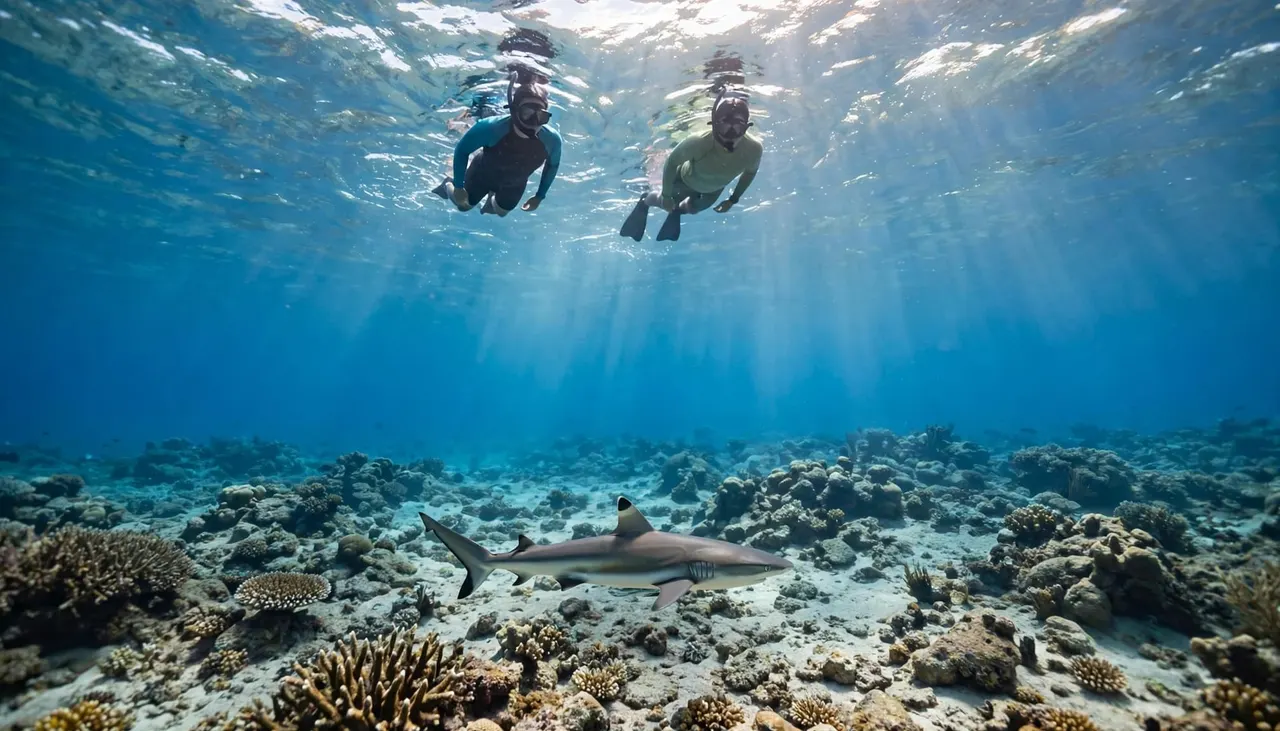
A shark sighting calls for an organized exit. Hawaii’s shark safety recommendations advise leaving the water quickly and calmly when you see one.
Alert your group and return calmly
Your guide needs to know what you’ve seen, even if the shark appears to be swimming away.
- Signal your guide or alert your buddy without chasing the shark.
- Keep your movements controlled and avoid frantic splashing.
- Follow instructions toward the boat or your planned shore exit.
- Stay out until the responsible crew or local safety personnel provide further direction.
If you’re snorkeling independently, keep your buddy with you. Avoid separating while one person photographs the animal and another heads back.
Give wildlife a clear route
Don’t surround a shark, swim over its resting place, or block its path through a narrow reef channel. Put your camera away if it distracts you from returning.
You don’t need a positive species identification before leaving the water. An uncertain sighting is enough to alert your group and begin a calm exit.
Never throw food into the water to get a closer view. Similarly, don’t follow a shark after it leaves. Your priority is reaching the exit without crowding the animal or other swimmers.
Check conditions before thinking about sharks
Shark awareness belongs within your broader ocean-safety plan. Current, shorebreak, poor visibility, and fatigue can make a snorkel unsuitable before wildlife enters the picture.
Choose clear water and appropriate timing
Hawaii’s guidance advises avoiding dawn, dusk, nighttime swimming, and murky water. Heavy rain can reduce visibility near stream mouths and create runoff that changes local conditions.
Stay away from fishing activity, bait, and spearfishing catches. Harbor entrances, channels, and steep drop-offs also require caution.
A sunny sky doesn’t tell you whether a reef has strong current or breaking waves. Check posted warnings and ask a lifeguard where one is available. Never enter when sharks are known to be present.
Match the swim to your ability
Before entering, identify the route back and decide whether you can comfortably complete it. On a boat, ask which ladder to use and where the swimming boundary lies.
Tell your guide about nerves, a leaking mask, or a child who needs extra support. Use offered flotation and return early if you’re tired.
If you feel dizzy, short of breath, cold, or uncomfortable, stop snorkeling and get help. Professional support helps with decisions and equipment, but it doesn’t remove ocean hazards.
What this means at Oahu’s popular snorkel sites
You’ll make better choices by comparing access and conditions rather than assuming one famous reef is always safer.
Turtle Canyons and Hanauma Bay
Turtle Canyons is an offshore Waikiki reef area known for a Hawaiian green sea turtle cleaning station. Boat access gives you an organized entry and return route, but wildlife remains unpredictable.
A turtle-focused excursion isn’t a shark encounter tour. You may spend your swim watching reef fish without seeing either a turtle or a shark.
Meanwhile, Hanauma Bay requires advance planning and attention to site rules. Its bay setting doesn’t remove currents or other ocean hazards. Follow staff instructions and never stand on coral, even in shallow water.
Shark’s Cove and Three Tables
Shark’s Cove and Three Tables sit in the Pupukea area on Oahu’s North Shore. Their rocky entries make a reliable exit especially important.
The state’s Pupukea marine conservation area guide describes snorkeling opportunities that depend on wave and tide conditions. North Shore swell can make these locations unsuitable, especially during winter.
Neither the name Shark’s Cove nor a calm vacation photograph tells you today’s conditions. Recheck warnings when you arrive, and don’t treat social posts as clearance to swim.
Choose guided reef access near Waikiki
Living Ocean Tours departs from Kewalo Basin Boat Harbor, minutes from Waikiki. If “are reef sharks dangerous” is your main concern, discuss it with the crew before entering.
Get comfortable with in-water support
Living Ocean Tours says it’s the only tour company with professional snorkel guides in the water with guests. You can ask for help with mask fit, flotation, and returning to the boat.
Its Coast Guard-inspected double-decker vessels, Coral Kai and Lokahi, offer shaded seating, restrooms, dry storage, and sturdy boarding ladders.
Before choosing among its guided Oahu snorkeling options, consider your group’s swimming confidence. Ask about participation requirements rather than assuming every passenger should enter the water.
Focus on turtles and respectful observation
The Turtle Canyons Snorkel Excursion visits the reef’s natural turtle-cleaning area. Sightings aren’t guaranteed, so enjoy the fish and reef habitat too.
Watch without touching, feeding, chasing, or blocking wildlife. Keep your fins above coral, and ask a guide for assistance rather than standing on the reef.
For a guided Turtle Canyons outing, CHECK AVAILABILITY before fixing your vacation schedule. Leave room for the crew to adjust plans when conditions require it.
Key takeaways for your reef day
- Reef sharks can bite, although Hawaii describes most inshore shark species as posing little threat to people.
- If you see a shark, alert your guide or buddy and leave the water quickly and calmly.
- Avoid murky water, low-light swimming, fishing activity, and conditions beyond your ability.
- Keep wildlife unbothered and coral untouched, whether you’re snorkeling from a boat or entering from shore.
A comfortable exit matters as much as a clear view. Before entering, know where you’re going and how you’ll return.
Frequently asked questions about reef sharks
When are reef sharks dangerous?
Risk increases when people provoke, feed, crowd, or handle sharks. You should also avoid entering water where sharks are known to be present.
A shark’s size or apparent calmness doesn’t justify approaching it. Follow the same exit guidance whether you recognize the species or not.
For families, explain the response before entering: stay with the adult or guide, signal a sighting, and follow directions back. Keep that briefing calm and practical.
Will you see sharks while snorkeling at Turtle Canyons?
You might, but you shouldn’t plan around a shark sighting. Turtle Canyons is known for turtle-viewing opportunities, and no wildlife encounter is guaranteed.
Don’t swim farther offshore or leave the designated area to search for one. Instead, watch the reef within your group’s route.
If your goal is an enjoyable first snorkel, prioritize suitable conditions and clear communication. Seeing fewer animals doesn’t make a comfortable, respectful swim less worthwhile.
Enjoy Oahu’s reefs with a clear plan
A shark-shaped shadow doesn’t have to leave you guessing. Give wildlife space, alert your group, and use the exit plan you established before entering.
Choose conditions that match your ability and accept changes when the ocean requires them. Calm decisions let you enjoy Oahu’s reef life without pursuing a closer encounter than the animals choose.


