
Ala Moana snorkeling: Your First-Visit Honolulu Guide
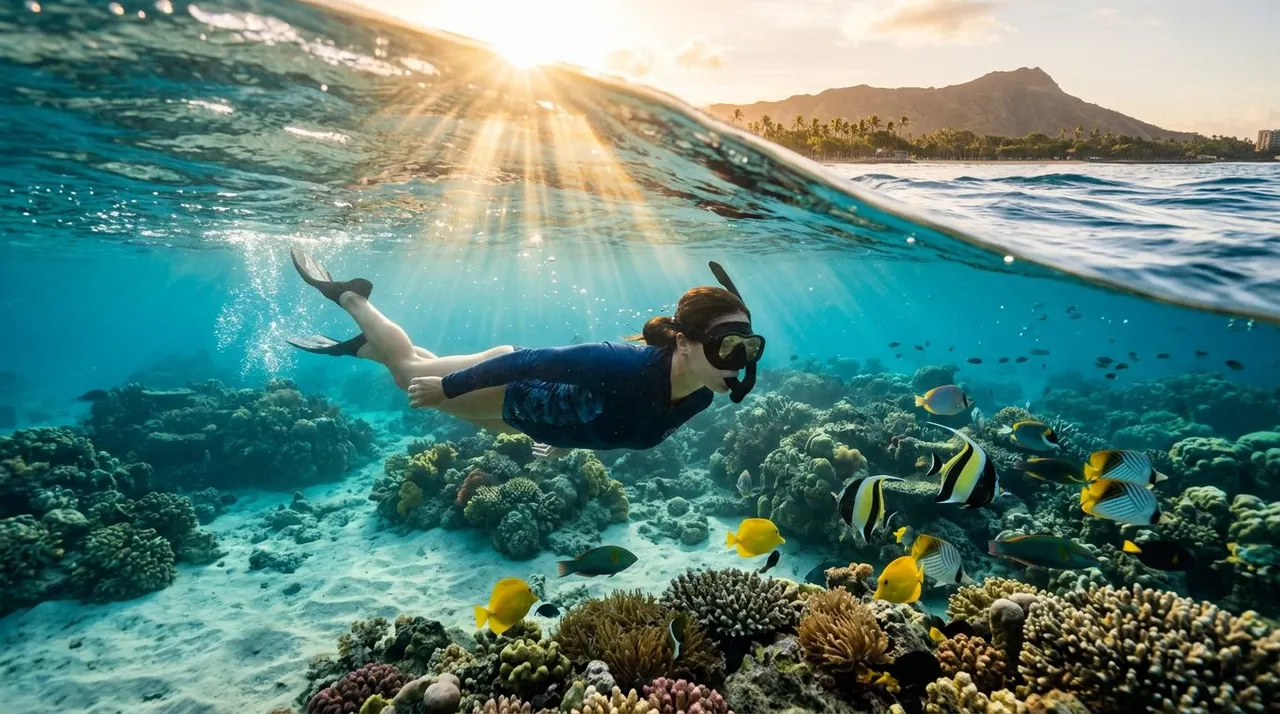
Honolulu gives you an easy snorkeling day, but calm water doesn’t guarantee a great experience everywhere. The best Ala Moana snorkeling usually happens near protected water, early in the day, and away from the busiest central swim areas.
Living Ocean Tours is based at Kewalo Basin Boat Harbor, minutes from Waikiki Beach. Its professional guides can help you find better underwater conditions when you want more than a casual beach swim. First, learn what to expect at Ala Moana Beach Park and how to plan your visit.
What Ala Moana snorkeling is really like
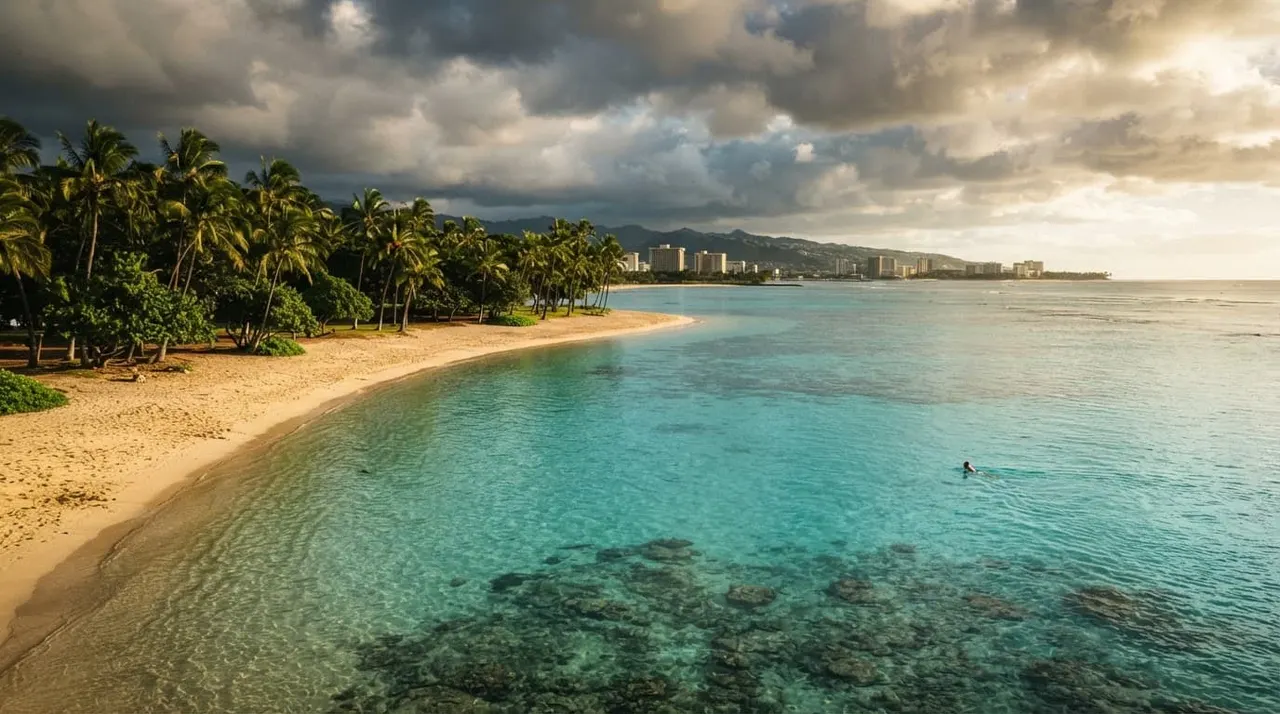
Ala Moana Beach Park sits at 1201 Ala Moana Boulevard between Waikiki and downtown Honolulu. The large oceanfront park has broad sand, grassy areas, palm trees, picnic spaces, and access to calm South Shore water.
An outer reef protects much of the shoreline from large waves. As a result, the park often feels comfortable for swimming, paddleboarding, and beginner snorkeling. Still, conditions vary by location. The main beach isn’t one uniform snorkeling area.
Magic Island Lagoon is usually the easiest place to start. Its protected water is shallow, with commonly reported depths of about 2 to 8 feet. Families and first-time snorkelers can often stand in calmer water while adjusting their mask and breathing.
The reef edge can offer more fish, but it also requires better swimming skills. Near the western end of the beach, the bottom can drop sharply after only a short distance. White buoys and warning signs identify areas where you should avoid swimming beyond your ability.
Morning is usually your best choice. Winds often increase during the afternoon, which can create surface chop and reduce visibility. Before you leave, check the Ala Moana Beach Park surf report for swell, wind, and current conditions.
Where to enter and how to stay comfortable
For your first visit, walk toward the protected Magic Island side rather than entering wherever you first reach the sand. Look for clear water, gentle entry points, and enough space to put on your mask without blocking other swimmers.
The lagoon is shallow, but the bottom can still contain rocks or uneven surfaces. Wear water shoes for the walk in if your feet are sensitive, then use fins only when you have enough depth to kick without scraping the bottom.
The main beach can look inviting from shore, yet depth changes quickly in some sections. Don’t swim beyond the marked areas simply because the water looks calm. Strong swimmers should still stay with a buddy and keep the shoreline or a visible landmark in sight.
Water clarity also matters. Skip your session if the water looks brown, murky, or carries debris. After heavy rain, runoff can affect water quality and visibility. Waiting at least 72 hours after major rainfall is a sensible safety choice when local conditions look poor.
Bring only what you need:
- A well-fitting mask, snorkel, and fins make the session easier.
- A rash guard protects you from sun and minor scrapes.
- A flotation aid can help children and less-confident swimmers stay relaxed.
- A waterproof pouch keeps keys and small valuables with you.
- Fresh drinking water prevents a sunny beach day from becoming exhausting.
A beach guide from Hawaii Travel Guide also describes Ala Moana as a place where snorkeling depends heavily on daily water conditions. That detail matters because one visit may offer clear reef pockets, while another may feel more like a regular swim.
What you might see beneath the surface
Ala Moana’s shallow reef areas can hold small tropical fish and invertebrates. You may spot surgeonfish, goatfish, schools of small baitfish, sea urchins, or an octopus tucked between rocks.
The fishery area around the park also attracts larger reef-associated fish at times, including papio and other trevally. These sightings are less predictable near the shallow swimming zones, so keep your expectations realistic.
Hawaiian green sea turtles may appear near reef edges, but they aren’t guaranteed. A turtle might feed, rest, or pass through without stopping near swimmers. Your best approach is to stay still, give it plenty of room, and watch without chasing.
If a turtle swims toward you, move aside and let it choose the distance. Never touch, follow, block, or feed marine life.
Avoid standing on coral, even when the bottom looks empty. Coral grows slowly and can break under a single step. Keep your fins behind you, use a relaxed kick, and leave shells, rocks, and animals where you find them.
For a first Ala Moana snorkeling session, your goal should be a calm, respectful look at the reef rather than a long-distance swim. Good observation often reveals more than hurried movement.
When a guided boat trip makes more sense
Ala Moana is a convenient beach option, especially when you want a flexible morning with no reservation. However, the main beach can have limited reef structure, changing visibility, sudden depth changes, and crowded entry areas.
A guided boat trip gives you access to a selected reef away from the busiest shoreline. You also get equipment support, safety instructions, and help from someone who knows how to read the water.
Living Ocean Tours departs from Kewalo Basin Boat Harbor, just minutes from Waikiki. The company is the only tour company with professional snorkel guides, and its crew welcomes first-time snorkelers, families, and confident swimmers.
Its signature Turtle Canyon Snorkel Excursion visits a natural turtle cleaning station along the Waikiki coast. Living Ocean Tours reports a 95% turtle-spotting success rate, although wildlife sightings can never be guaranteed.
The custom-built Coral Kai and Lokahi are Coast Guard-inspected double-decker vessels. Both offer shaded seating, restrooms, dry storage, and sturdy ladders for easier water entry. The Lokahi also has a SeaKeeper stabilization system, which reduces rolling and can make the ride more comfortable if you are sensitive to motion.
| Choose the beach when you want | Choose a guided boat trip when you want |
|---|---|
| A flexible, low-cost swim | A planned snorkeling experience |
| Shallow protected water | A professional guide in the water |
| A short session near Waikiki | Better access to a selected reef |
| Your own pace and schedule | Gear, instruction, and boat amenities |
You can browse Honolulu ocean tours before deciding whether a beach session or guided excursion fits your day. If you prefer a professional introduction to snorkeling, the Turtle Canyon option gives you a clear meeting point and a crew prepared to assist beginners.
Living Ocean Tours also focuses on observing, not touching, Hawaii’s marine life. That approach lets you enjoy close wildlife encounters without damaging the reef or disturbing turtles.
A simple first-visit plan
Use this plan to keep your Ala Moana snorkeling day comfortable and safe:
- Arrive in the morning, when winds are often lighter and visibility may be better.
- Check the water before entering. Walk away if you see murky runoff, strong movement, or poor visibility.
- Start in Magic Island Lagoon and spend several minutes testing your mask seal and breathing.
- Stay with your buddy and remain inside your comfort zone, especially near sudden drop-offs.
- Look around slowly instead of swimming fast. Fish often stay near rocks and reef edges.
- Keep your distance from turtles and other wildlife. Never touch coral, fish, or sea urchins.
- Rinse your equipment with fresh water after the session and leave the beach cleaner than you found it.
If you bring children, keep them within arm’s reach in deeper water. A flotation vest can help, but it doesn’t replace direct supervision. Fins may also make inexperienced swimmers feel less stable in shallow areas, so practice first.
Plan enough time to dry off, eat, and enjoy the park after snorkeling. Ala Moana works well as part of a relaxed Honolulu morning, especially when you pair the water with a walk, picnic, or nearby beach stop.
Conclusion
Ala Moana snorkeling is best for a flexible, shallow-water outing when you choose the protected areas and check conditions before entering. Magic Island Lagoon is usually the friendliest starting point, while reef edges and deeper sections require more confidence.
For clearer guidance, equipment support, and a focused turtle encounter, Living Ocean Tours offers a professional alternative near Waikiki. Whichever option you choose, your best memory will come from staying calm, respecting the reef, and giving Hawaii’s marine life plenty of space.


