
Oahu Snorkeling Adults Can Enjoy While Learning to Swim
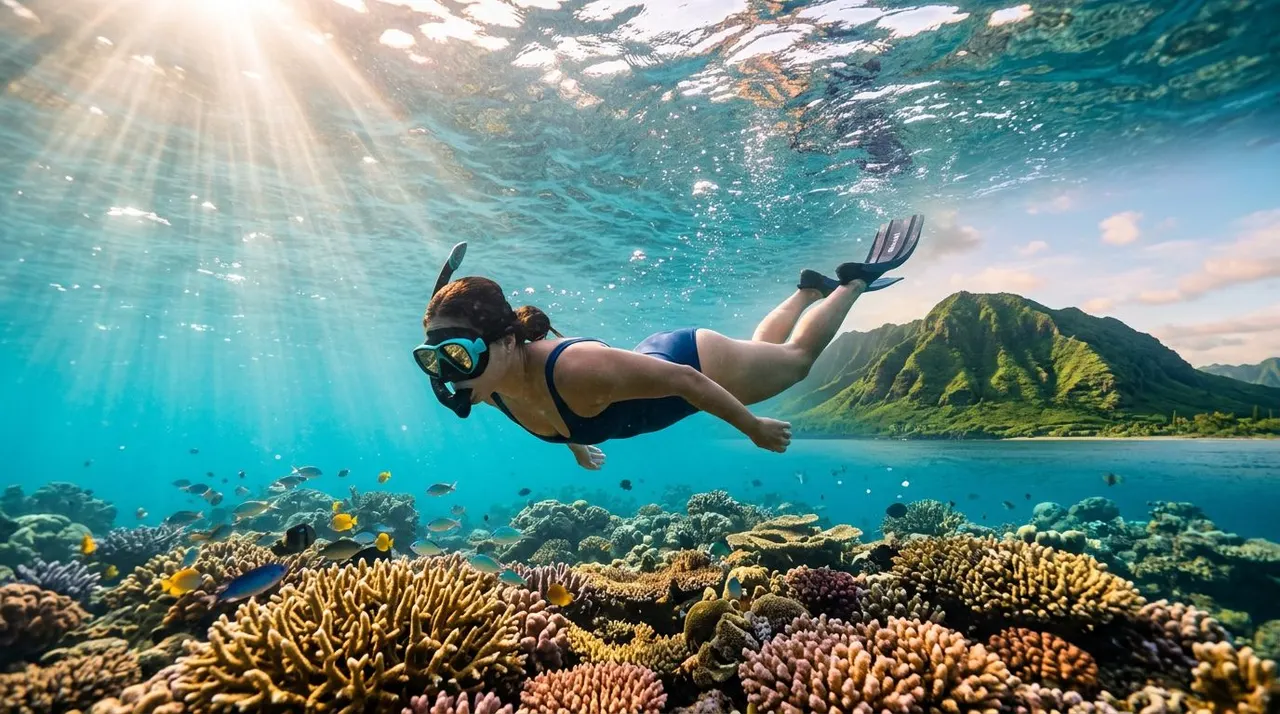
Learning to swim as an adult takes courage, but you don’t need years of experience before enjoying Hawaii’s clear water. With the right preparation, calm guidance, and a snorkeling plan that matches your comfort level, you can experience Oahu’s reefs without feeling overwhelmed.
The most important step is choosing an ocean tour that respects beginners. You need professional instruction, easy water access, quality equipment, and a crew that lets you move at your own pace. Start by building basic water confidence, then choose an experience designed for comfort.
Start With Water Confidence Before Your Oahu Trip
Snorkeling requires less effort than traditional swimming, but you still need to feel comfortable in the water. You should be able to float with assistance, control your breathing, and remain calm if water reaches your face.
A few pool sessions with a certified swim instructor can make your first ocean experience much easier. Tell the instructor that you plan to snorkel in Hawaii. They can help you practice breathing through a snorkel, turning your head without lifting it, and floating while wearing a mask.
You don’t need to swim long distances. Focus on simple skills:
- Put your face in the water and breathe slowly through the snorkel.
- Practice floating while keeping your body relaxed.
- Learn how to clear water from your mask.
- Practice rolling onto your back when you need a break.
- Build enough stamina to remain comfortable for several minutes.
Slow breathing matters because nervous swimmers often hold their breath. That habit creates tension and makes the water feel more difficult. Instead, take steady breaths and keep your legs relaxed.
You should also speak with your doctor if you have a heart, lung, balance, or mobility condition that could affect water activity. Ocean conditions change, so honest communication with your guide helps the crew support you properly.
You don’t have to prove anything in the water. A successful first snorkel means you stay calm, follow instructions, and enjoy the experience.
Choose Beginner-Friendly Snorkeling in Oahu
The tour you choose can shape your entire day. Adults learning to swim later in life should look for a boat with stable boarding areas, shaded seating, restrooms, strong ladders, and crew members who provide clear instructions.
A guided boat tour also gives you more control than arriving alone at a busy beach. You can listen to a safety briefing, ask questions, and enter the water with support nearby. If you need extra time before getting in, tell the crew.
Look for these features when comparing Oahu snorkeling options:
- Professional guides who explain breathing, mask use, and water entry.
- Easy boarding and ladders that give you a secure way into and out of the water.
- Stable vessels that reduce unnecessary movement while you prepare.
- Provided snorkeling equipment that fits correctly and feels comfortable.
- A relaxed pace that allows beginners to stay near the boat and guide.
- Respectful wildlife practices that protect turtles, fish, and coral.
Boat stability matters when you’re still developing water confidence. Living Ocean Tours operates Coast Guard-inspected, custom-built double-decker vessels called the Coral Kai and Lokahi. The Lokahi has a SeaKeeper vessel stabilization system that helps reduce rolling, while both boats include shaded seating, onboard restrooms, dry storage, and heavy-duty ladders.
The crew also helps you understand what to expect before you enter the water. That preparation can replace uncertainty with a clear plan.
Why Living Ocean Tours Works for First-Time Adult Snorkelers
Living Ocean Tours departs from Kewalo Basin Boat Harbor, a short drive from Waikiki Beach in Honolulu. The company combines guided reef trips with comfortable boats and a strong focus on marine conservation.
Living Ocean Tours is the only tour company with professional snorkel guides. That distinction matters when you are learning to manage your breathing, mask, and body position in open water. A professional guide can demonstrate techniques, watch conditions, and help you stay close to the boat.
The company’s signature Turtle Canyon Snorkel Excursion visits a natural underwater cleaning station known for Hawaiian green sea turtle sightings. Living Ocean Tours reports a 95% success rate for spotting turtles on this excursion. You don’t need to chase wildlife or swim far from the group. The guide helps you observe from a respectful distance.
For extra space and onboard activities, the Deluxe Waikiki Snorkeling and Wildlife Cruise visits a less-crowded reef and includes a boat-mounted waterslide, water trampoline, and floating lily pad. You can spend time in the water, return to the boat, and choose your next activity without pressure.
Both options suit adults who want support during their first ocean outing. The crew provides equipment and explains safe entry. You can also tell the guide if you prefer to remain near the ladder or take a break on deck.
Living Ocean Tours follows an observe, don’t touch approach. Hawaiian green sea turtles are protected animals, and coral reefs can suffer damage from a single careless contact. Keep your hands to yourself, avoid standing on coral, and let wildlife choose its own distance.
Turtle Canyon Snorkel Excursion
Choose Turtle Canyon if your main goal is seeing Hawaiian green sea turtles in their natural habitat. The trip offers a focused snorkeling experience with professional guides and a clear wildlife etiquette briefing.
You can CHECK AVAILABILITY for the Turtle Canyon excursion before your trip.
Deluxe Waikiki Snorkeling and Wildlife Cruise
Choose the deluxe cruise if you want more time and variety during the outing. You can snorkel at a less-crowded reef, then use the waterslide, trampoline, or lily pad when you want a change of pace.
You can CHECK AVAILABILITY for the Deluxe Waikiki Snorkeling and Wildlife Cruise.
What to Expect on Your First Snorkel
Arrive rested, hydrated, and ready to listen. Avoid a heavy meal immediately before departure, but don’t skip food entirely. Bring reef-safe sunscreen, a swimsuit, a towel, and a light cover-up for the boat ride.
Before entering the water, adjust your mask while you’re still on deck. A good seal should feel comfortable without forcing the strap too tight. Your guide can help you check the fit and explain how to breathe naturally through the snorkel.
When you reach the water, hold the ladder and take a moment. Let your body adjust before kicking away. Keep your face down, breathe slowly, and stay close to the guide or boat.
If you feel anxious, signal the crew and return to the ladder. You can rest on deck, watch from the boat, or try again later. A short, comfortable swim is more valuable than pushing until you panic.
Avoid kicking hard. Small, steady movements conserve energy and keep you near the surface. Also, don’t reach toward turtles or fish. Watching quietly gives you a better chance of seeing natural behavior.
Sun and wind can make you tired faster than expected. Drink water throughout the trip and take breaks before you feel exhausted. If seasickness concerns you, ask your healthcare provider about suitable options before travel, and choose a stable vessel when possible.
How to Make the Experience Feel Easier
Book a morning departure when possible, since many visitors find the water and weather more comfortable earlier in the day. Check the forecast, but remember that the captain and crew make the final decision about conditions.
Tell the crew that you’re an adult learning to swim. That information isn’t embarrassing or unusual. It helps them give you practical guidance and place you where you feel most secure.
You can also make the day easier by:
- Wearing a swimsuit that stays secure during water entry.
- Arriving early enough to avoid rushing.
- Practicing snorkel breathing in a pool before your trip.
- Asking questions during the safety briefing.
- Staying within the guide’s instructions and designated swimming area.
A supportive travel companion can help, too. Ask them to stay nearby without pulling or holding you unless the crew gives different instructions. You should remain responsible for your own breathing and movement.
Most importantly, measure success by comfort rather than distance. Seeing one turtle, floating calmly for five minutes, or returning to the water after a short break can make your first outing a meaningful win.
Conclusion
Oahu snorkeling adults can enjoy later in life begins with realistic preparation, not advanced swimming ability. Build comfort in a pool, choose a stable guided boat, and tell the crew exactly how you feel before entering the water.
With professional snorkel guides, easy ladders, provided equipment, and respectful wildlife practices, Living Ocean Tours gives you a supportive way to experience Waikiki’s marine life. Your first snorkel doesn’t need to be perfect. It needs to leave you feeling safe enough to try again.


